Sex-Related Differences in Immune System Aging May Impact Disease Susceptibility
Researchers at Barcelona Supercomputing Center used single‑cell RNA sequencing on nearly 1,000 blood samples to map how immune aging differs between men and women. The analysis revealed that women experience a pronounced increase in inflammatory immune cells with age, which may explain their higher autoimmune disease rates, while men show subtler changes but an expansion of pre‑leukemia B‑cell subsets linked to higher blood cancer risk. The study, published in Nature Aging, underscores the need to incorporate sex as a biological variable in precision‑medicine approaches to immune health. High‑performance computing on the MareNostrum 5 supercomputer made the massive dataset analysis possible.

There’s a Link Between Heart Health and Hip Fracture
A new study published in The Lancet Regional Health – Americas links cardiovascular risk to a markedly higher chance of hip and other major bone fractures in postmenopausal women. Using the American Heart Association's PREVENT score, researchers found women in...

I Did Red Light Therapy for 3 Months So You Didn’t Have To
The author spent three months using a $1,000‑$2,000 red‑light blanket, 15 minutes five times a week, to test the hype around photobiomodulation. While research confirms modest benefits for skin wound healing, hair regrowth, and localized joint pain, the experiment yielded...

Advanced Meditation Techniques Linked to Younger Brain Age During Sleep
Researchers measured sleep EEGs of 34 long‑term meditators and found their brains appeared biologically about six years younger than their chronological age. The younger brain age was driven by high‑amplitude bursts during light sleep, despite the meditators sleeping fewer hours...

This Method to Reverse Cellular Aging Is About to Be Tested in Humans
Researchers at the Whitehead Institute have engineered a three‑gene cocktail that partially reprograms aged retinal nerve cells, reversing age‑related damage in mouse eyes. The breakthrough underpins Life Biosciences' first human clinical trial, which will deliver the Yamanaka factors—minus the oncogenic...

Alzheimer’s-Like Changes Seen In Young Adults — This Metabolic Marker Drives It
New research from Arizona State University found that obese adults in their 20s and 30s have markedly higher blood levels of neurofilament light chain (NfL), a biomarker linked to early neurodegeneration. The same participants also exhibited reduced choline, heightened inflammatory...

Neuroscience Just Discovered This Unexpected Hobby Slows Brain Aging
A new study published in the Journal of Neuroscience finds that experienced birdwatchers exhibit brain characteristics typical of younger adults. Researchers compared 29 expert birders with 29 novices of similar age and health, using MRI scans while participants identified bird...

Can Red Light Therapy Really Deliver a Beauty and Health Glow-Up? Here's the Science
Red light therapy, marketed as a pan‑acea for skin, hair, pain and sleep, is gaining traction among wellness influencers and consumers. Scientific reviews confirm modest benefits for androgenetic alopecia, oral mucositis, certain ulcers and pain relief, while skin‑rejuvenation effects are...

5 Major Health Benefits of Blueberries
A recent article outlines five major health benefits of blueberries, highlighting their nutrient profile and bioactive compounds. One cup of raw berries delivers 96 calories, 3.6 g of fiber, vitamin C, manganese, and vitamin K, while being low in sugar. The piece...
This Vitamin Provides Triple Protection Against Memory Loss
A JAMA Neurology study of nearly 400 adults over 60 found that low vitamin D levels accelerate cognitive decline, with deficient participants losing memory function two to three times faster than those with adequate levels. About 60% of the cohort had...

Flu Vaccine May Slash Alzheimer's Risk: Here's What Dose to Get
A new Neurology study of about 200,000 U.S. adults 65 and older found that receiving a high‑dose influenza vaccine cut Alzheimer’s disease risk by roughly 55 percent, compared with a 40 percent reduction for the standard‑dose shot. The analysis adjusted for health‑care...
3 Major Ways This Surprising Supplement Supports Cardiovascular Health*
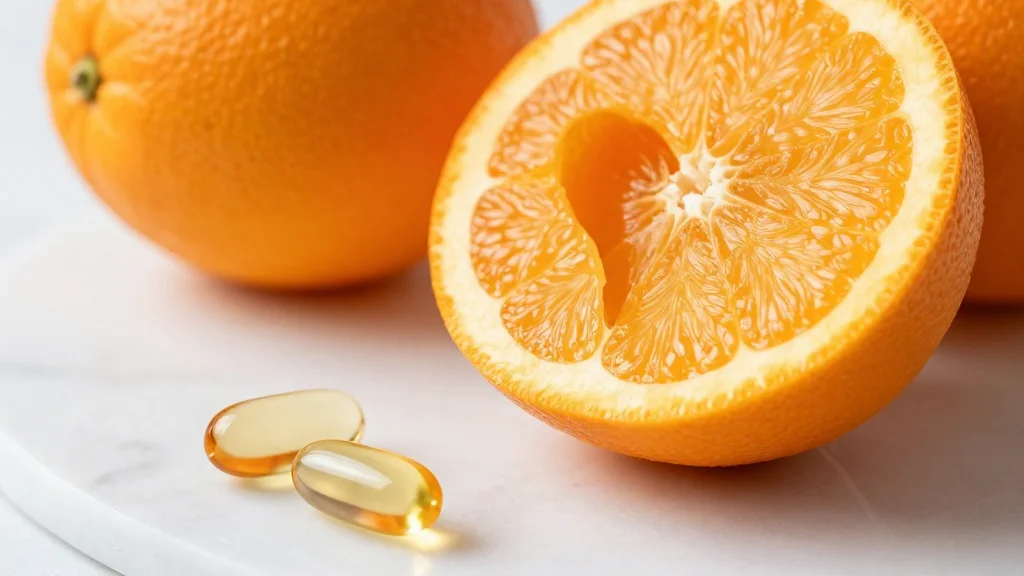
Vitamin C, widely known for immune support, also plays a pivotal role in cardiovascular health. Research links adequate vitamin C intake to healthier blood pressure by promoting collagen synthesis that keeps arteries flexible. The antioxidant protects endothelial cells, enhancing vessel dilation and...

This Metric Is The #1 Predictor Of Future Strength — Here’s How To Test Yours
Researchers now view gait speed as a “functional vital sign” that reflects the integrated health of muscles, nerves, and cardiovascular systems. Large meta‑analyses linking slower walking speeds to higher risks of falls, hospitalization, cognitive decline, and mortality have cemented its...
Hackers Meet Their Match: New DNA Encryption Protects Engineered Cells From Within
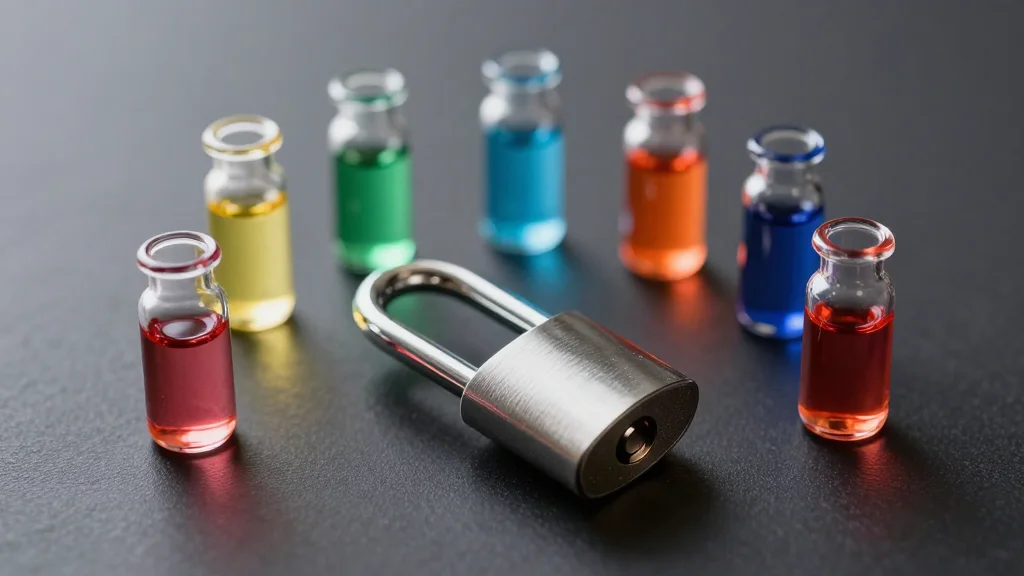
Researchers published a new DNA‑level encryption system that scrambles engineered cells' genetic code, making it unreadable until a precise chemical sequence restores it. The lock uses a series of nine chemicals arranged as a two‑digit keypad, yielding 45 possible inputs,...
How to Watch ‘Kara Swisher Wants to Live Forever,’ New Investigative Series on the Longevity Industry
Kara Swisher is launching a six‑part investigative series, *Kara Swisher Wants to Live Forever*, on CNN beginning April 11. The docuseries examines the booming longevity industry, testing treatments like ketamine and red‑light therapy while interviewing leaders such as Bryan Johnson, Sam Altman and...

Your Nose Could Detect Alzheimer’s Years Before Symptoms Begin
Researchers at Germany's DZNE and LMU discovered that a declining sense of smell can signal Alzheimer’s disease years before memory loss appears. The study, published in Nature Communications, shows that microglia mistakenly attack nerve fibers linking the olfactory bulb to...
Carbs For Brain Health? What 13 Years Of Research Just Uncovered
A 13‑year UK Biobank study of more than 200,000 adults found that diets low in glycemic index and glycemic load are associated with a reduced risk of dementia, including Alzheimer’s disease. Participants who consumed slower‑digesting, fiber‑rich carbohydrates experienced fewer cognitive...

New Research Leads to Increased Understanding of Longevity Gains in the United States
A new BMJ Open study by University of Wisconsin–Madison scholars finds that every U.S. state experienced life‑expectancy gains for cohorts born between 1941 and 2000, overturning earlier research that suggested stagnation or declines in parts of the South. Using the...
Mayo Clinic Enhances Imaging Test with AI
Mayo Clinic researchers applied artificial intelligence to standard coronary artery CT scans, extracting measurements of pericardial fat that markedly improve long‑term cardiovascular disease risk prediction. The findings, published March 24 in the American Journal of Preventive Cardiology, demonstrate that a metric...

New Research Sheds Light on U.S. State Variations in Longevity Improvements
A new study analyzing CDC mortality data reveals that gains in U.S. life expectancy have diverged sharply across states over the past decade. While states such as Massachusetts and Colorado have added more than two years to average longevity since...

This 66-Year-Old’s Longevity Workout Routine Leads to Stronger Bones, Better Balance, and Fewer Falls
After a stair fall, 66‑year‑old Betty Teo teamed up with her son, trainer Eugene, to rebuild strength, balance, and bone density. Their regimen—three weekly sessions of plyometrics, deadlifts, Turkish get‑ups, and zone‑2 cardio—propelled her to a 145‑lb deadlift PR and...

What Happens to Your Protein Needs As You Age
Recent research indicates older adults should consume more protein than the standard RDA of 0.8 g per kilogram. Experts now recommend 1.0–1.2 g per kilogram to counteract anabolic resistance and preserve muscle mass. For a 135‑lb individual this translates to roughly 61–74 g...

Exploring the Value of Quality Peptide Supplies
Peptide research has surged, making high‑purity synthetic peptides essential for reliable experiments. Quality hinges on ≥98% purity verified by HPLC, accurate molecular weight confirmed by mass spectrometry, and proper lyophilization with cold‑chain logistics. The article outlines a supplier checklist—third‑party testing,...

The Biggest Predictor of Longevity Isn’t Genetics — It’s This
A new Nature Medicine study of nearly 500,000 adults finds that lifestyle factors outweigh genetics in predicting longevity. The research shows that daily habits—exercise, sleep, diet, stress management, and mental engagement—account for the bulk of aging outcomes. While genes play...

This Alzheimer's Risk Gene Rewires Your Brain Long Before Symptoms – and One Surprising Habit Could Blunt Its Impact
Scientists have identified that the APOE4 allele, which raises Alzheimer’s risk three‑ to four‑fold per copy, rewires hippocampal memory circuits in mice decades before any cognitive symptoms appear. Young APOE4 mice exhibit smaller, hyper‑excitable neurons, a pattern not seen in...
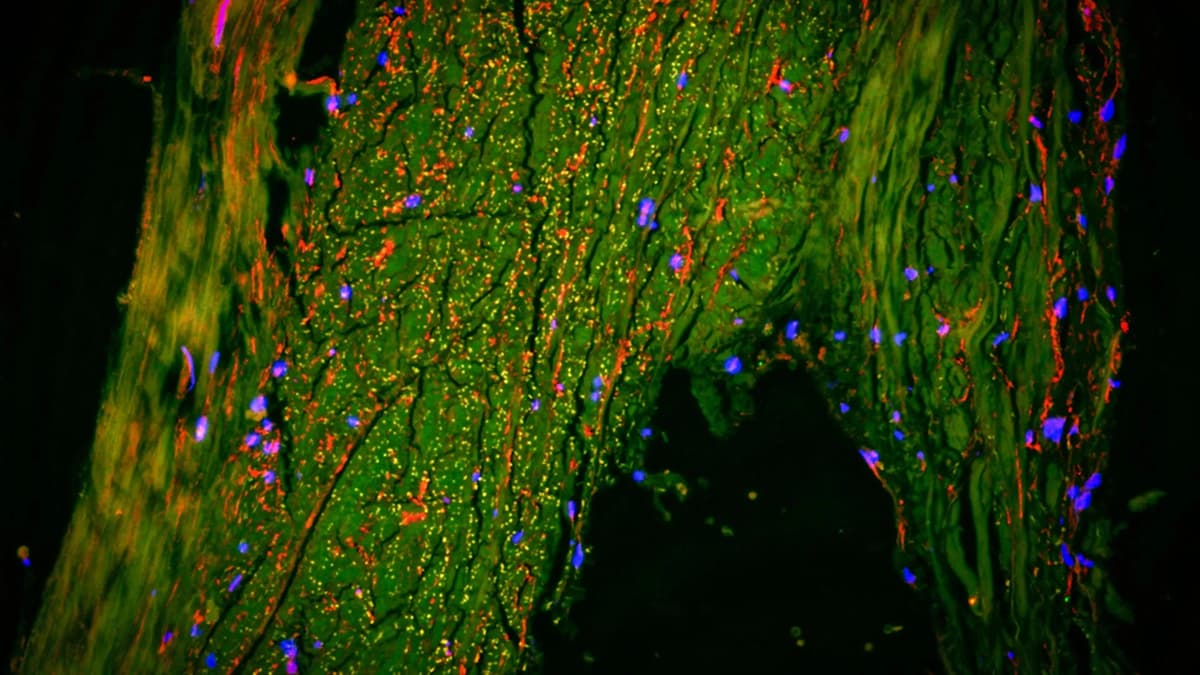
Scientists Just Found a Hidden “Drain” Inside the Human Brain
Researchers at the Medical University of South Carolina used real‑time MRI, originally developed with NASA, to observe slow‑moving fluid along the middle meningeal artery in five healthy volunteers. The flow pattern behaved like lymphatic drainage rather than blood, providing the...

Swapping Passive Screen Time with Mental Activity May Cut Dementia Risk
A 19‑year Swedish cohort study of 20,811 adults found that mentally active sedentary behavior, such as reading or puzzles, lowered dementia risk compared with passive screen time. Each additional hour of mental activity was linked to a 4% risk reduction,...

Forget the Full-Body Freeze. The Next Big Trend in Longevity Tech Is ‘Brain-Only’ Preservation
Brain-only cryopreservation is emerging as a faster, cheaper alternative to full-body vitrification, sparking debate within the longevity community. The approach gained visibility when UCLA aging researcher Dr. Stephen Coles chose to have only his brain preserved after his 2014 death. Alcor’s...

Study Shows That Vitamin D In Your 40s Is Linked To Alzheimer's-Like Brain Changes
A new analysis of the Framingham Heart Study Generation 3 cohort found that higher vitamin D levels measured in participants' late thirties were linked to lower tau protein accumulation sixteen years later, a hallmark of early Alzheimer’s pathology. The same vitamin D measurements...

Worried About Memory Loss? 7 Studies Suggest This Nutrient May Help
A 2023 systematic review of seven clinical studies found that citicoline, a brain‑derived nutrient, consistently preserved or improved cognitive scores in adults with mild cognitive impairment, Alzheimer’s, Parkinson’s‑related MCI, and post‑stroke deficits. The trials, averaging 213 participants and lasting up...

TyG/AIP Indices Linked to Survival in Elderly Patients
The 2026 BMC Geriatrics study linked cumulative triglyceride‑glucose (TyG) and atherogenic index of plasma (AIP) metrics to terminal survival in patients aged 65 and older with circulatory system diseases. By tracking serial blood‑test data, researchers identified a clear dose‑response: higher...

Aging Biomarkers Linked to Spinal Disc Degeneration
Researchers led by Zhang et al. have identified and experimentally validated aging‑related biomarkers—such as p16^INK4a, p21, inflammatory cytokines, and matrix metalloproteinases—that drive intervertebral disc degeneration (IVDD). Using a multi‑omics pipeline, they linked molecular changes to mechanical loss of disc elasticity and...

Bioactive Compounds and Exercise in Aging and Neurodegeneration: Mechanistic Insights From the Gut–Brain–Metabolic Axis
A new review in Frontiers in Nutrition proposes a neuro‑nutritional‑metabolic axis that links dietary bioactive compounds and physical exercise to hippocampal neurogenesis, synaptic plasticity, and cognitive resilience. It synthesizes pre‑clinical data showing convergent pathways—BDNF, AMPK, mitochondrial biogenesis, and anti‑inflammatory signaling—while...

High-Quality Plant-Based Diets Linked to Lower Dementia Risk
A new longitudinal analysis of 92,849 adults followed for an average of 11 years found that higher‑quality plant‑based diets are associated with a lower incidence of Alzheimer’s disease and related dementias. Participants scoring highest on an overall plant‑based pattern experienced...

This “Rotten Egg” Brain Gas Could Be the Key to Fighting Alzheimer’s Disease
Johns Hopkins researchers, funded by the NIH, identified the enzyme cystathionine γ‑lyase (CSE) as a critical source of hydrogen sulfide—a brain‑derived gas that supports memory formation. Mice lacking CSE displayed progressive spatial‑memory loss, oxidative stress, DNA damage, and blood‑brain‑barrier breakdown,...

Daily Briefing: A Treatment to Reverse Cellular Ageing Is About to Be Tested in People
Researchers are preparing the first human trial of a "partial reprogramming" therapy that uses targeted protein expression to reverse cellular ageing. The approach, derived from stem‑cell reprogramming techniques, has shown organ‑level rejuvenation in mice and could, if safe, reshape how...

Singapore: Smart, Personalised and Data-Driven Healthcare
Singapore is channeling a S$37 billion (≈US$27 billion) investment through its Research, Innovation and Enterprise 2030 plan to cement its status as a global biomedical hub. The plan’s first Grand Challenge, Maximising Healthy and Successful Longevity, targets ageing‑related health issues with a...

Life Bio’s Trial: Is the FDA Warming to Rejuvenation?
Life Biosciences received FDA clearance for its ER-100 investigational new drug, marking the first human trial of a cellular reprogramming therapy aimed at the eye. The Phase 1 study will enroll patients with glaucoma or non‑arteritic anterior ischemic optic neuropathy, emphasizing...

Life Biosciences Secures $80 Million Series D Financing
Life Biosciences announced the close of a fully‑subscribed $80 million Series D financing. The capital will fund operations through the second half of 2027, enabling the company to complete its Phase 1 trial of ER‑100. It also supports further development of the Partial...
Peptides for Longevity: Performance Breakthrough or Manufactured Controversy?
Peptides such as BPC‑157, TB‑500, CJC‑1295 and Ipamorelin are moving from fringe forums into mainstream athletic circles, promising faster tissue repair, better sleep and enhanced hormone balance. The author argues that these compounds do not create new performance concepts but...

The Timing of Meals Matters for Biological Aging
A new analysis of 14,012 NHANES participants links meal timing to biological aging. Later first meals, later last meals, and feeding windows longer than 16 hours correlate with faster aging of the whole body, heart, liver and kidneys. The optimal window...

Your Neighborhood May Be Aging You at the Cellular Level
A study in *Social Science and Medicine* links neighborhood socioeconomic opportunity to cellular aging. Researchers analyzed blood samples from 1,215 U.S. adults in the MIDUS cohort and matched them to the Childhood Opportunity Index. Residents of low‑opportunity census tracts exhibited...
RoosterBio and MineBio Team up to Expand MSC Solutions Access in China
RoosterBio has signed an exclusive distribution agreement with MineBio Life Sciences to bring its research‑grade and cGMP‑grade mesenchymal stem cell (MSC) and exosome bioprocessing media to China. MineBio has already secured import clearance, allowing rapid fulfillment of orders for both...

Red Meat Consumption Linked to Lower Risk of Dementia
A long‑term Swedish cohort study of more than 2,100 adults over 15 years found that higher consumption of unprocessed red meat was associated with a slower rate of cognitive decline and roughly half the dementia risk among carriers of the...

Is Vitamin D Associated with Lower Levels of Alzheimer’s Biomarkers?
A longitudinal study of 793 adults tracked vitamin D levels at an average age of 39 and brain‑scan biomarkers 16 years later. Participants with serum vitamin D above 30 ng/mL showed significantly lower tau protein accumulation, a key Alzheimer’s marker, while no link...

How Stem Cell Descendants Preserve Flexibility While Maintaining Distinct Identities
Stem cells act as the body’s shape‑shifters, simultaneously preserving their own numbers while spawning specialized cells. Recent research highlights that early progeny can revert to a stem‑cell state through dedifferentiation, a process that restores the stem‑cell pool when it is...

Stem Cell Therapy for Skin Rejuvenation: Safety, Benefits, and Recovery Time
Stem cell therapy is gaining traction as a non‑surgical skin‑rejuvenation option, leveraging the body’s own regenerative cells to boost collagen and elastin. Clinical reports suggest visible improvements in texture and firmness within two to three weeks, with full benefits emerging...

Promising Study Links Coffee Consumption To Reduced Dementia Risk
A new JAMA study of more than 100,000 health professionals followed for four decades found that regular consumption of caffeinated coffee is associated with a roughly 50% lower risk of developing dementia. The protective effect peaked at two to three...

What Animals Can Teach Us About Reversing Age-Related Disease
The Longevity Technology Unlocked podcast highlights how studying extreme‑stress animals—such as hibernating ground squirrels and aging dogs—reveals mechanisms that could reverse age‑related disease in humans. Fauna Bio is mining repair pathways in hibernators and translating them to human genomic networks,...

The Vitamin Deficiency Linked To Alzheimer’s And Dementia
A longitudinal study of 1,685 older Americans tracked for about five years found that low vitamin D levels significantly increase the likelihood of developing dementia and Alzheimer’s disease. Participants with deficient vitamin D were 53% more likely to develop dementia and 69%...