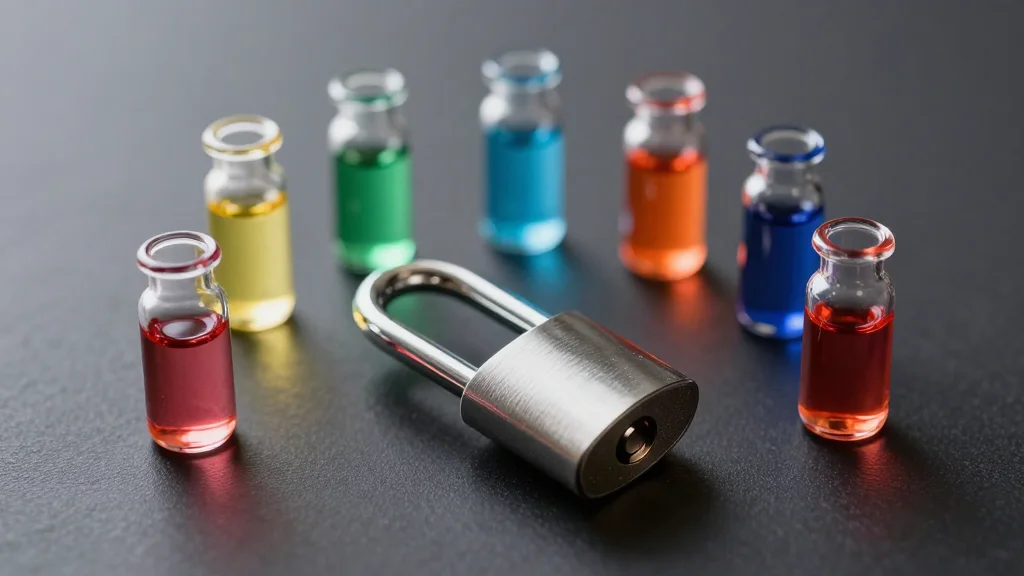
Hackers Meet Their Match: New DNA Encryption Protects Engineered Cells From Within
Why It Matters
Embedding encryption directly into DNA could protect multi‑trillion‑dollar biotech assets from theft and misuse, reducing reliance on physical security alone.
Key Takeaways
- •DNA combination lock scrambles genetic instructions, rendering them unreadable.
- •Decryption uses nine chemicals as a keypad, expanding to 45 inputs.
- •Ethical hacking showed only 0.2% chance of random successful unlock.
- •Approach could shift biotech security from physical to genetic safeguards.
Pulse Analysis
The biotech industry, projected to reach $8 trillion by 2035, faces escalating threats as high‑value engineered cells become targets for espionage and bioterror. Traditional safeguards—locks, cameras, guards—protect facilities but fall short once an intruder gains physical access. By moving protection into the genome itself, companies can create a second, immutable layer that remains active regardless of external breaches, aligning biological security with the digital safeguards that have become standard in other high‑value sectors.
The study published in Science Advances details a novel genetic combination lock that rearranges and flips DNA segments, effectively disabling the cell’s functional genes. Researchers designed a chemical keypad using nine distinct reagents; pairing them creates 45 unique inputs without adding new chemicals. When the correct sequence is applied, recombinases re‑assemble the DNA, restoring gene function. An ethical hacking exercise, mimicking a red‑team attack, reduced the odds of a successful random guess to 0.2%, demonstrating the system’s robustness against brute‑force attempts.
If scalable beyond E. coli, this technology could transform how pharmaceutical firms, synthetic‑biology startups, and research institutions secure proprietary strains and therapeutic vectors. Embedding safety algorithms directly in DNA may also enable automated self‑destruct mechanisms, further deterring misuse. However, challenges remain, including adapting the lock to complex eukaryotic genomes and ensuring regulatory compliance. Continued interdisciplinary collaboration between synthetic biologists, cybersecurity experts, and policy makers will be essential to translate this proof‑of‑concept into industry‑wide standards.
Hackers meet their match: New DNA encryption protects engineered cells from within
Comments
Want to join the conversation?
Loading comments...