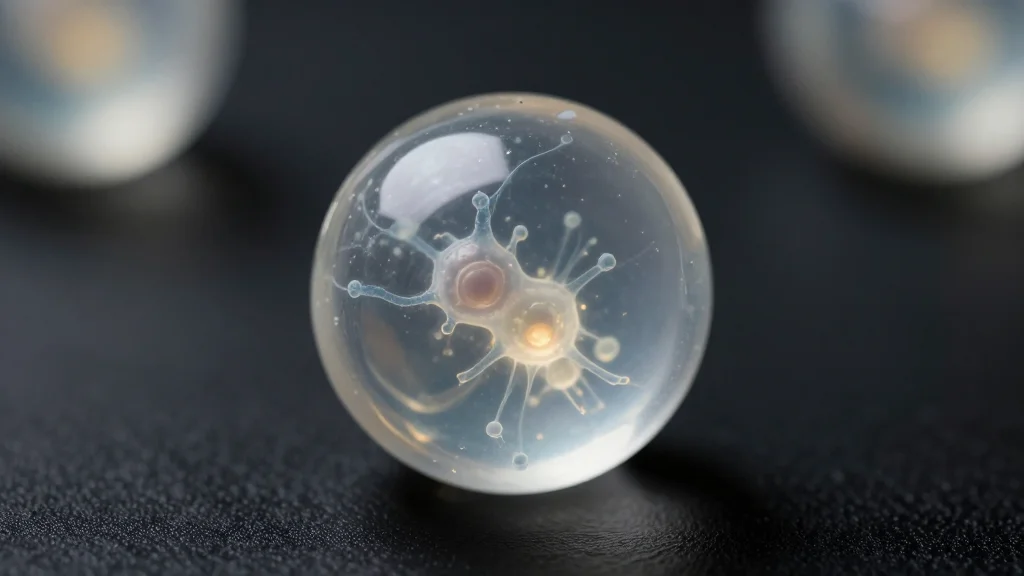
How Stem Cell Descendants Preserve Flexibility While Maintaining Distinct Identities
Why It Matters
Dedifferentiation provides a natural mechanism to replenish stem cells, crucial for tissue repair and regenerative medicine. Harnessing this process could accelerate development of cell‑based therapies and improve disease‑modeling platforms.
Key Takeaways
- •Stem cells balance self‑renewal and differentiation
- •Early progeny can dedifferentiate into stem cells
- •Dedifferentiation restores stem‑cell pools after loss
- •Mechanism offers potential for regenerative therapies
- •Insights guide tissue‑engineering and drug discovery
Pulse Analysis
The discovery that early descendants can revert to a stem‑cell state reshapes our understanding of cellular plasticity. Traditionally, stem cells were viewed as a one‑way source of differentiated cells, but dedifferentiation reveals a bidirectional flow that safeguards tissue integrity. By maintaining a reserve of latent stem cells, organisms can quickly respond to injury or cellular attrition, reducing reliance on external cues for regeneration.
From a biotech perspective, this flexibility unlocks new strategies for manufacturing therapeutic cells. Engineers can now design culture systems that intentionally trigger dedifferentiation, expanding stem‑cell yields without genetic manipulation. Moreover, the ability to coax mature cells back to a progenitor state could streamline the production of patient‑specific cell lines, lowering costs and accelerating clinical timelines for treatments ranging from cardiac repair to neurodegeneration.
Clinically, understanding the molecular triggers of dedifferentiation informs drug discovery aimed at enhancing endogenous repair mechanisms. Targeting pathways that govern this reversal—such as epigenetic remodelers or signaling cascades—may enable physicians to stimulate tissue regeneration in situ, offering alternatives to invasive stem‑cell transplants. As research progresses, the balance between preserving identity and granting flexibility will become a cornerstone of next‑generation regenerative therapies.
How stem cell descendants preserve flexibility while maintaining distinct identities
Comments
Want to join the conversation?
Loading comments...