Scientists Just Found a Hidden “Drain” Inside the Human Brain
Why It Matters
Identifying a functional lymphatic pathway in the human brain reshapes our understanding of neuro‑immune communication and opens new avenues for diagnosing and treating neurodegenerative diseases.
Key Takeaways
- •Real‑time MRI captured slow fluid flow along the middle meningeal artery.
- •Fluid movement matches lymphatic, not blood, characteristics in healthy volunteers.
- •Study confirms lymphatic cells around MMA, linking brain to body’s immune system.
- •Findings provide baseline for diagnosing drainage disruptions in neurodegenerative diseases.
- •NASA‑derived imaging tech enables new insights into brain waste clearance.
Pulse Analysis
The brain’s waste‑removal system has long been a scientific mystery, with the meninges traditionally viewed as a barrier separating neural tissue from the body’s immune and lymphatic networks. The new study overturns that view by demonstrating that the middle meningeal artery (MMA) functions as a pivotal conduit for lymphatic fluid, effectively acting as a drainage “valve” that channels cerebrospinal and interstitial fluids out of the brain. This insight not only clarifies basic neuroanatomy but also suggests that disruptions in this pathway could underlie a range of neurological conditions, from chronic inflammation to age‑related cognitive decline.
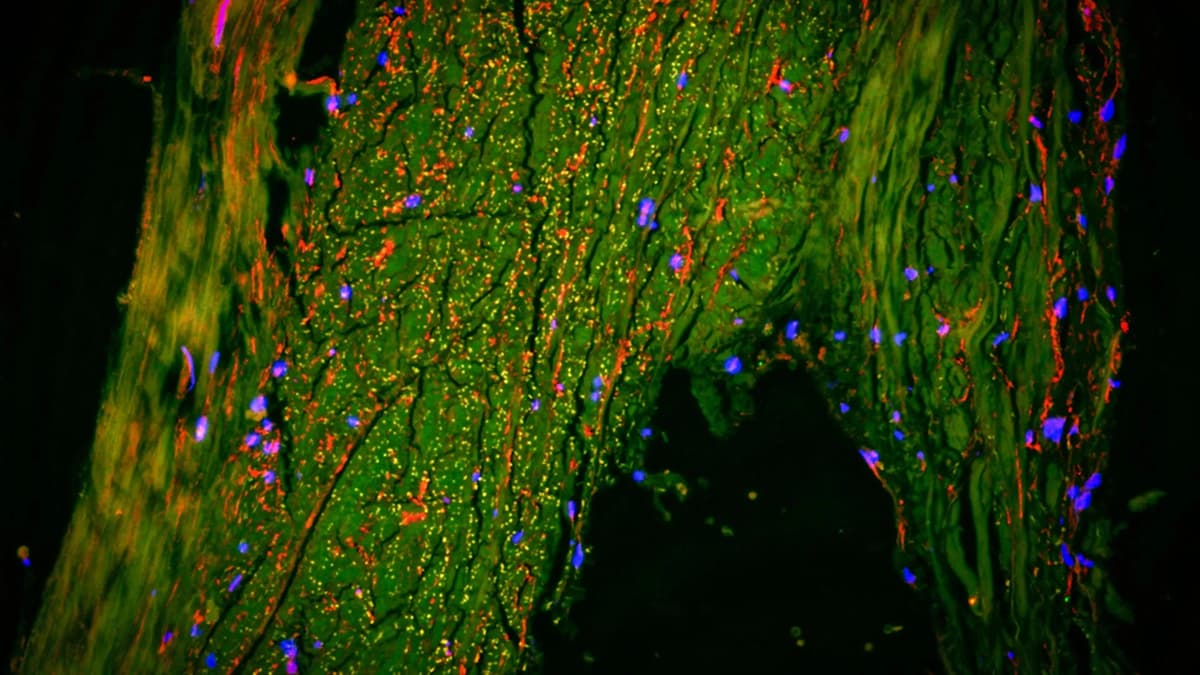
The breakthrough was made possible by advanced real‑time magnetic resonance imaging technology originally designed for NASA’s spaceflight research. By adapting these tools for human use, the researchers could monitor fluid dynamics continuously over six‑hour sessions, revealing a distinct, slow‑moving flow that diverged sharply from the rapid pulsatile blood flow typical of arteries. Complementary ultra‑high‑resolution tissue imaging further validated the presence of lymphatic‑type cells around the MMA, providing a multimodal confirmation that the observed pathway is truly lymphatic in nature. This methodological synergy sets a new standard for non‑invasive brain‑vascular research.
Clinically, the ability to map a functional brain‑lymphatic route in healthy individuals creates a critical reference point for detecting pathological changes. Early alterations in drainage efficiency may serve as biomarkers for Alzheimer’s disease, traumatic brain injury, or psychiatric disorders, enabling earlier intervention. Moreover, the NASA‑derived imaging platform could be scaled for larger cohort studies, accelerating drug development aimed at enhancing lymphatic clearance. As the field moves toward integrating neuro‑immune insights into therapeutic strategies, this discovery positions the MMA as a promising target for future diagnostics and treatments.
Scientists just found a hidden “drain” inside the human brain
Comments
Want to join the conversation?
Loading comments...