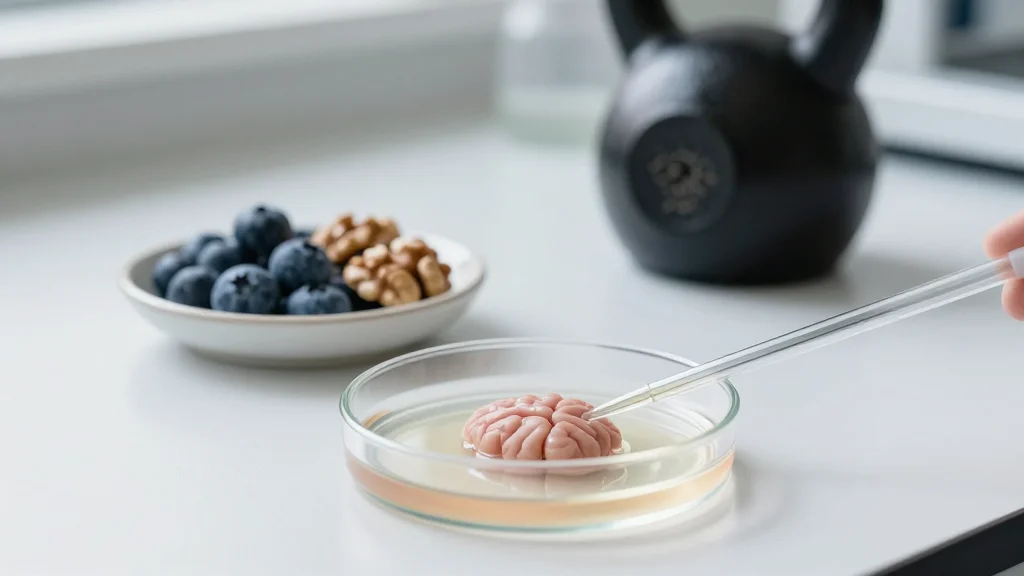
Bioactive Compounds and Exercise in Aging and Neurodegeneration: Mechanistic Insights From the Gut–Brain–Metabolic Axis
Why It Matters
Integrating nutrition and exercise targets the same molecular circuits, offering a potentially powerful strategy to preserve brain health in an aging population and a lucrative avenue for therapeutic development.
Key Takeaways
- •Exercise and polyphenols jointly boost hippocampal BDNF signaling.
- •Preclinical studies show synergistic effects on mitochondrial function and inflammation.
- •Human trials remain small, lacking biomarker integration.
- •Excess antioxidant doses may blunt exercise hormesis.
- •Gut microbiome mediates diet‑exercise impact on brain health.
Pulse Analysis
The concept of a neuro‑nutritional‑metabolic axis expands traditional gut‑brain models by weaving together systemic metabolism, muscle‑derived signals, and dietary bioactives. Researchers now view the hippocampus as a hub that responds to peripheral cues—short‑chain fatty acids from gut microbes, myokines like irisin released during aerobic activity, and polyphenol metabolites that cross the blood‑brain barrier. This integrated perspective explains why isolated interventions often yield modest results, while combined lifestyle changes can produce amplified neurotrophic and metabolic benefits.
Mechanistically, the review underscores several converging pathways. Polyphenols such as resveratrol activate SIRT1 and AMPK, enhancing neuronal energy efficiency and promoting BDNF expression. Omega‑3 fatty acids enrich membrane fluidity and generate resolvins that dampen neuroinflammation. Concurrently, exercise stimulates cerebral blood flow, up‑regulates BDNF, and triggers myokine release that primes neurons for plasticity. When these signals intersect, they reinforce mitochondrial biogenesis, reduce oxidative stress via Nrf2‑ARE activation, and create an epigenetic environment conducive to adult hippocampal neurogenesis.
Clinically, the evidence base is still nascent. Small‑scale trials report modest hippocampal volume gains and improved memory scores when participants combine aerobic training with polyphenol‑rich diets, yet few incorporate robust biomarkers such as exosomal microRNA or neuroimaging of synaptic density. Future research must adopt longitudinal, multimodal designs that personalize dosage, timing, and exercise modality to individual metabolic and microbiome profiles. For industry, this opens a market for integrated nutraceutical‑exercise platforms, wearable‑guided programs, and precision supplements that align with the neuro‑nutritional‑metabolic framework, promising a new frontier in cognitive‑health therapeutics.
Bioactive compounds and exercise in aging and neurodegeneration: mechanistic insights from the gut–brain–metabolic axis
Comments
Want to join the conversation?
Loading comments...