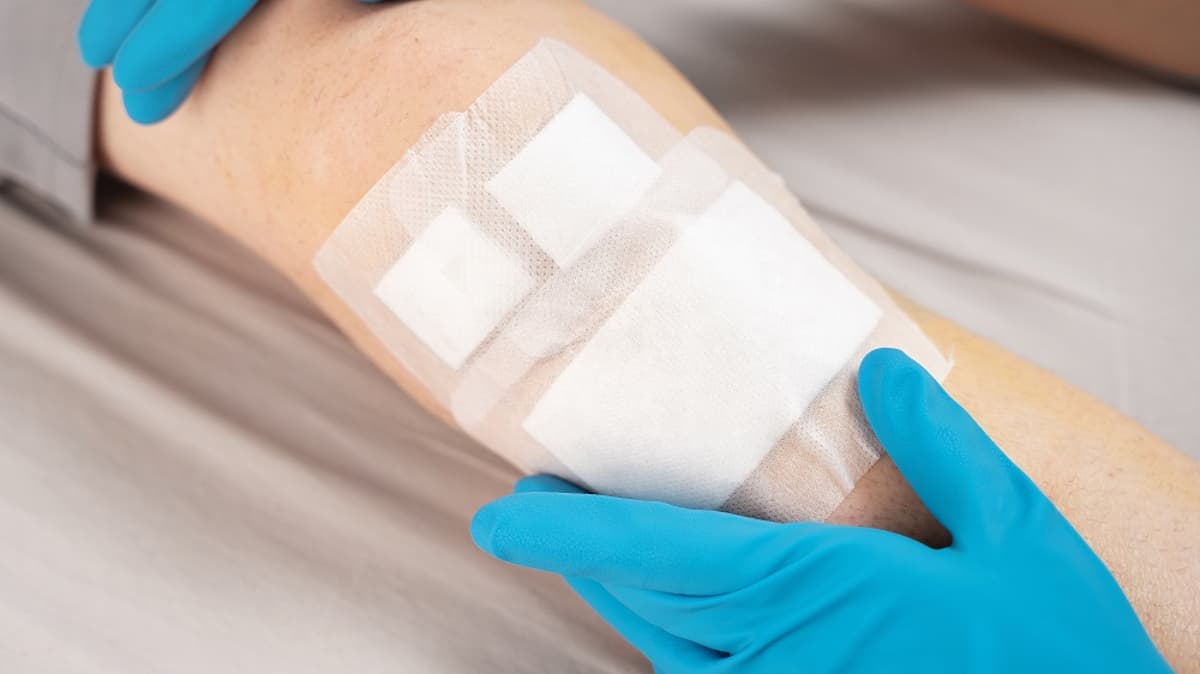
A Robust Senescence Response Helps Wounds Heal
Scientists compared wound healing in young (2‑month) and old (24‑month) mice and found that a rapid, temporary surge of senescent cells in the young animals accelerates closure. The younger mice displayed sharp up‑regulation of senescence markers p16, p21 and SA‑β‑gal, along with a brief, matrix‑remodeling SASP, while older mice showed a muted, prolonged inflammatory response and slower healing. Removing senescent cells in other models, such as zebrafish, similarly impairs regeneration, indicating that senescence can be reparative when properly timed.
Cellular Rejuvenation Has the Potential to Reverse Aging
Researchers have identified a natural cellular rejuvenation process that resets embryonic cells to a youthful state within two weeks, effectively erasing parental age markers. Over the past two decades, labs have revived skin cells from 90‑year‑olds and rejuvenated diseased mice,...
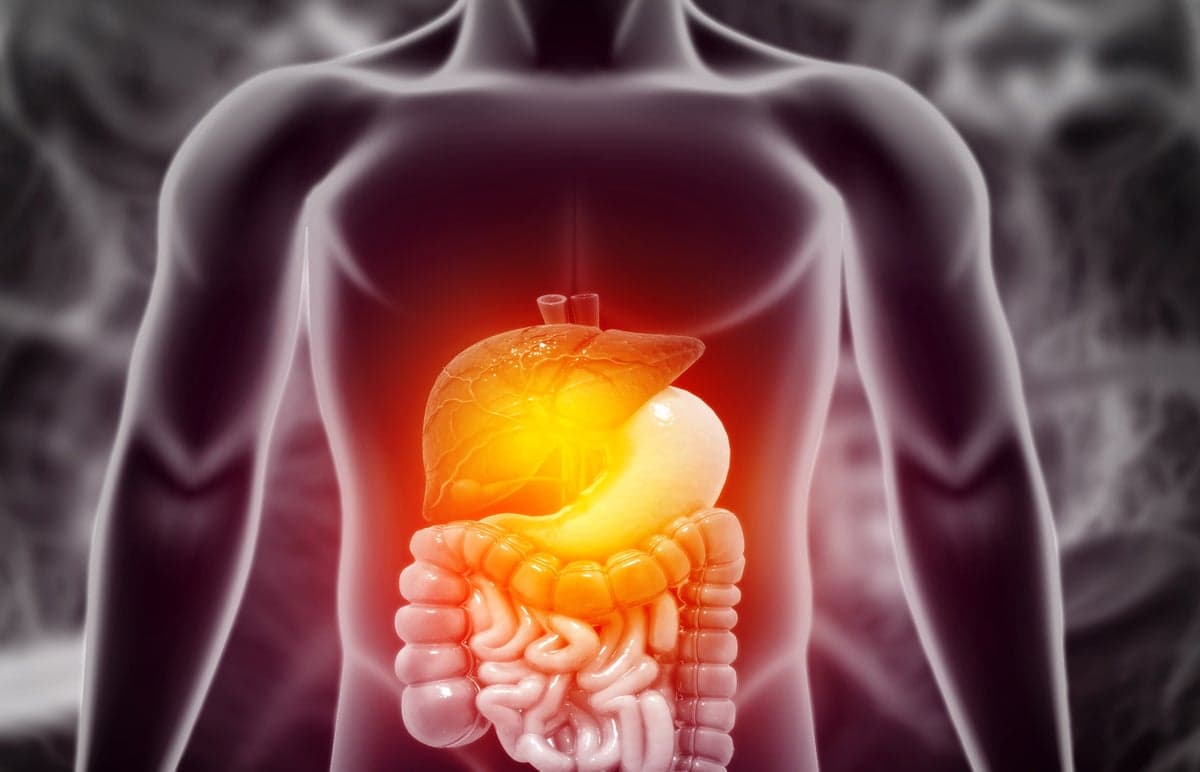
Zepbound’s and Ozempic’s Greatest Benefit May Be Their Anti-Inflammatory Power
GLP‑1 drugs such as Ozempic and Zepbound are gaining recognition for anti‑inflammatory effects that go beyond weight loss and glucose control. Clinical data show semaglutide reduces C‑reactive protein by about 40% independent of weight loss and improves liver inflammation in...

Abdominal Contractions May Drive Brain Fluid Flow, Aiding in Neural Waste Clearance
A new study in Nature Neuroscience shows that abdominal muscle contractions compress vessels linked to the spinal cord, nudging the brain within the skull. This subtle motion drives cerebrospinal fluid flow, helping to wash away neural waste. Researchers demonstrated the...

Blue Zones Longevity Claims May Rest on Flawed Records, Essay Argues
A new essay in Revista de Salud Pública challenges the scientific foundation of the Blue Zones longevity concept and the long‑standing Lipid Hypothesis. The authors argue that many extreme‑age records stem from poverty‑related clerical errors, weak vital‑registration systems, and selection...

10 Psychological Traits That Shape How Long You Will Live (P)
A growing body of research identifies ten psychological traits—such as optimism, purpose, and strong social ties—that consistently predict longer lifespans. These mental and personality factors influence how individuals handle setbacks, interact with others, and approach daily life, often adding years...
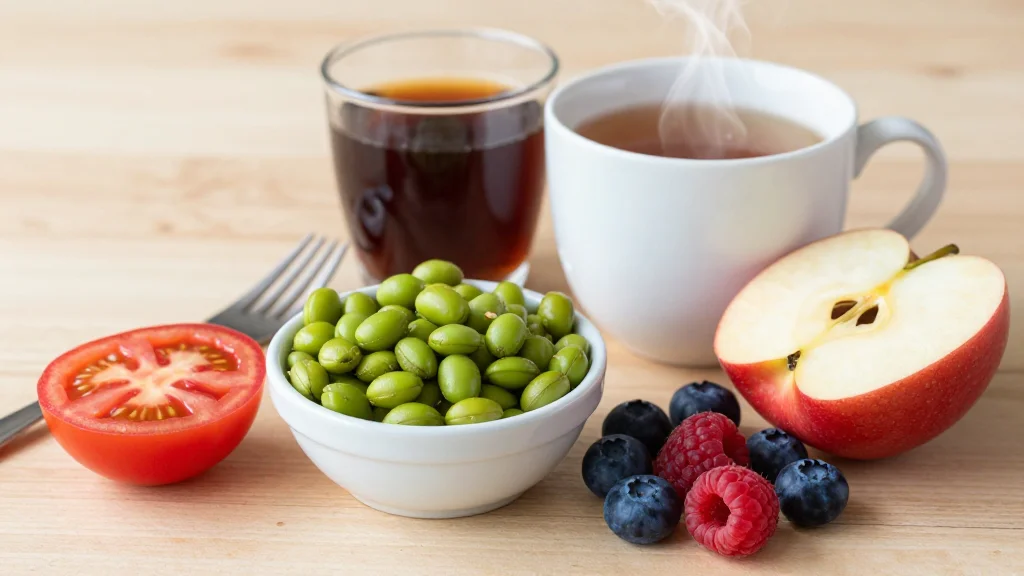
World-Renowned Doctor Reveals These 5 Everyday Foods that Help Your Body Fight Cancer and Cut Death Risk
World-renowned physician Dr. William Li identifies five everyday foods—soy, cooked tomatoes, apples, berries, and tea or coffee—that research links to lower cancer mortality and incidence. A Shanghai breast‑cancer cohort found daily soy consumption reduced death risk by about 30%, while...

This Hormone May Be The Strongest Predictor Of How Fast You’re Aging
A new study of 22 hormones across adults aged 20 to 73 found cortisol to be the strongest predictor of biological age. When cortisol levels doubled, participants’ biological age was roughly 1.5 times higher than their chronological age. The research...
:max_bytes(150000):strip_icc()/Scientist-Nutrient-Protects-Brain-Fight-Cancer-FT-DGTL0426-39d33d82839d455e8109eaf0c136fe8d.jpg)
This ‘Longevity Vitamin’ Has Puzzled Scientists for 30 Years — Now They May Have Answers
Researchers have pinpointed the SLC35F2 gene as the transporter that moves queuosine—a bacteria‑derived, vitamin‑like compound—into human cells. Queuosine, abundant in fermented foods such as kefir, kimchi and tempeh, supports protein synthesis, brain function and may suppress cancer cells, earning it...
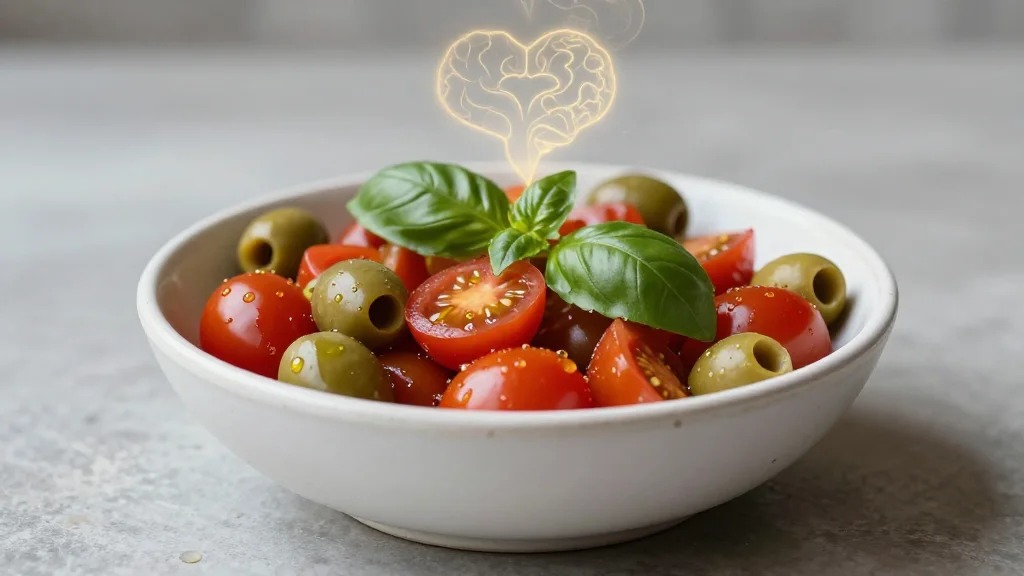
Tiny Mitochondrial Proteins May Explain the Health Benefits of the Mediterranean Diet
A study in Frontiers in Nutrition found that older adults who closely follow the Mediterranean diet have higher circulating levels of the mitochondrial microproteins Humanin and SHMOOSE, both linked to protection against heart disease and cognitive decline. The research compared...
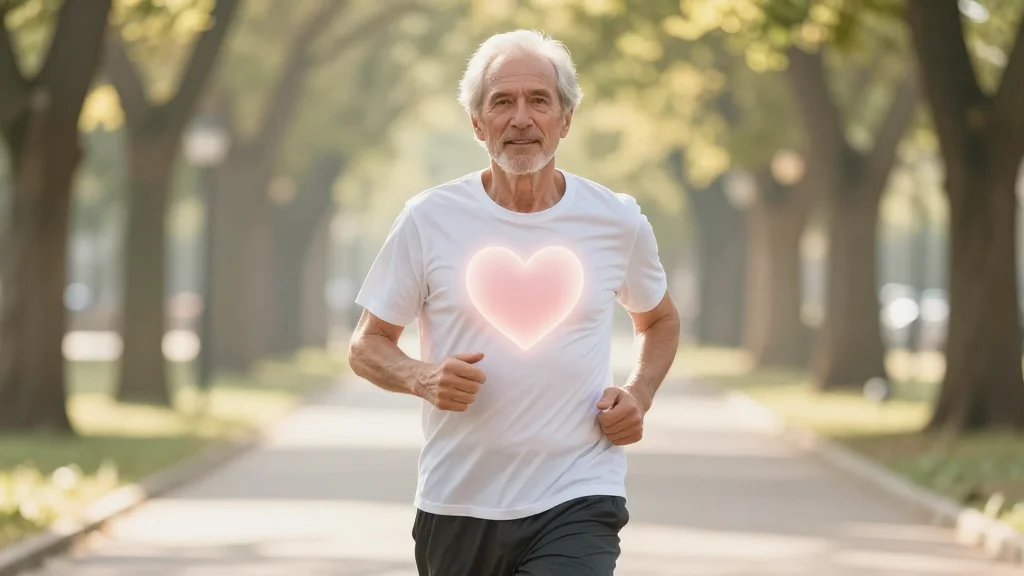
Intrinsic Capacity, Activity Linked to Heart Risk in Elders
A 2026 BMC Geriatrics study by Zhang, Liu, Ye and colleagues examined how intrinsic capacity—a composite of physical and mental function—interacts with physical activity to influence cardiovascular risk in older adults. Drawing on four large longitudinal cohorts, the researchers quantified...
:max_bytes(150000):strip_icc():format(jpeg)/superfoods-to-live-longer-GettyImages-1486688903-ec259806e74140fb8f1984d70edf6cb3.jpg)
Experts Say These 9 Superfoods Can Help You Live a Longer, Healthier Life
A team of registered dietitians identifies nine superfoods—kimchi, turmeric, blueberries, avocado, spinach, kale, lentils, chia seeds, and tempeh—that contain antioxidants, fiber, healthy fats, and micronutrients linked to reduced inflammation and chronic disease risk. The experts explain how each food supports...
Severe Infections Independently Amplify the Risk of Dementia Later in Life
Researchers analyzing Finland’s nationwide health registry found that severe infections requiring hospitalization increase the risk of later‑life dementia. After reviewing up to 21 years of records for 62,555 dementia patients and five matched controls each, they identified cystitis and unspecified...
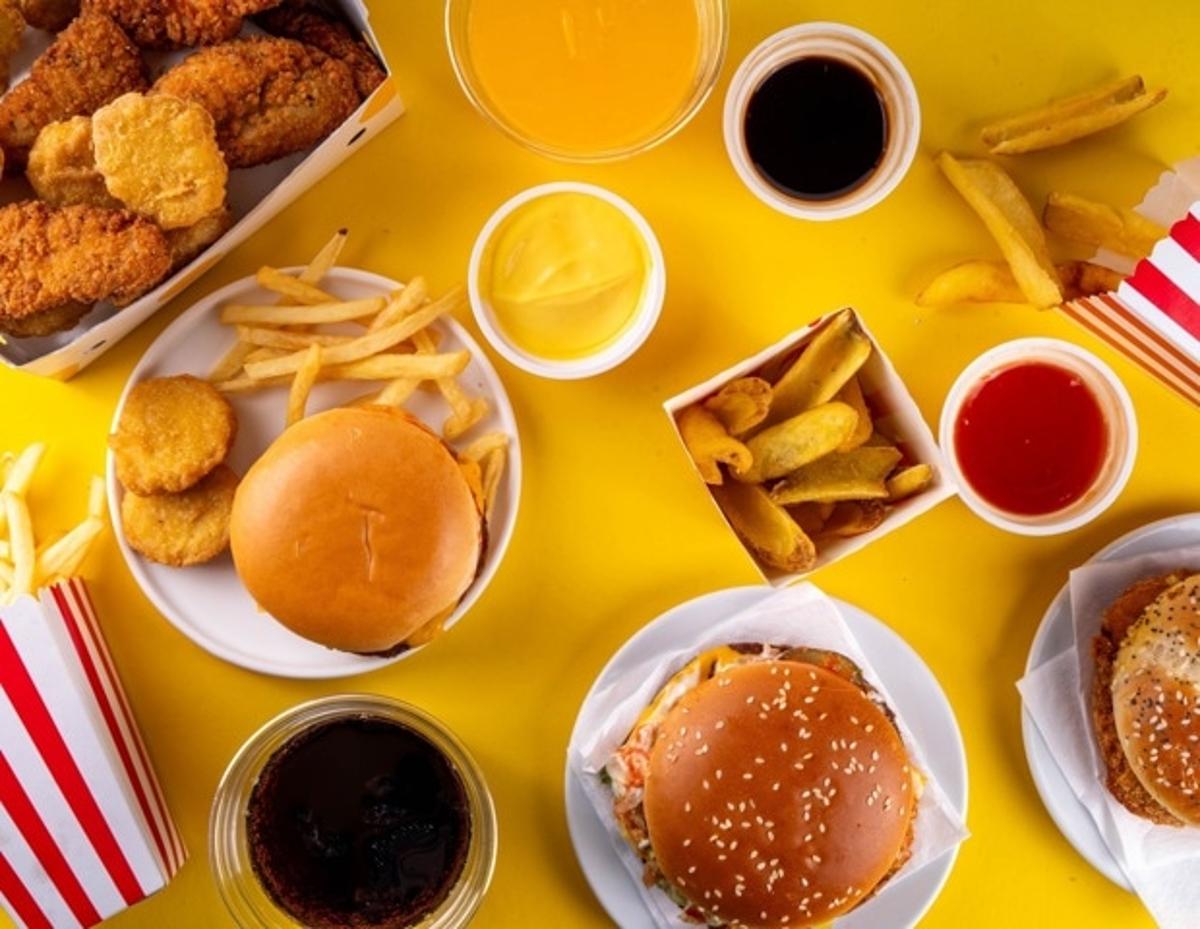
Ultra-Processed Foods Linked to Measurable Drops in Human Attention Span
A new cross‑sectional study of over 2,100 Australian adults links higher consumption of ultra‑processed foods (UPFs) to measurable declines in attention span, even among those following otherwise healthy diets. Researchers found that a 10 percent increase in UPF intake—roughly one extra...

This Everyday Nutrient Could Influence Alzheimer’s Before It Begins (M)
A new longitudinal study finds that higher blood concentrations of vitamin D during midlife are linked to a reduced risk of developing Alzheimer’s disease and other dementias later in life. Researchers tracked over 5,000 participants for two decades, measuring vitamin...
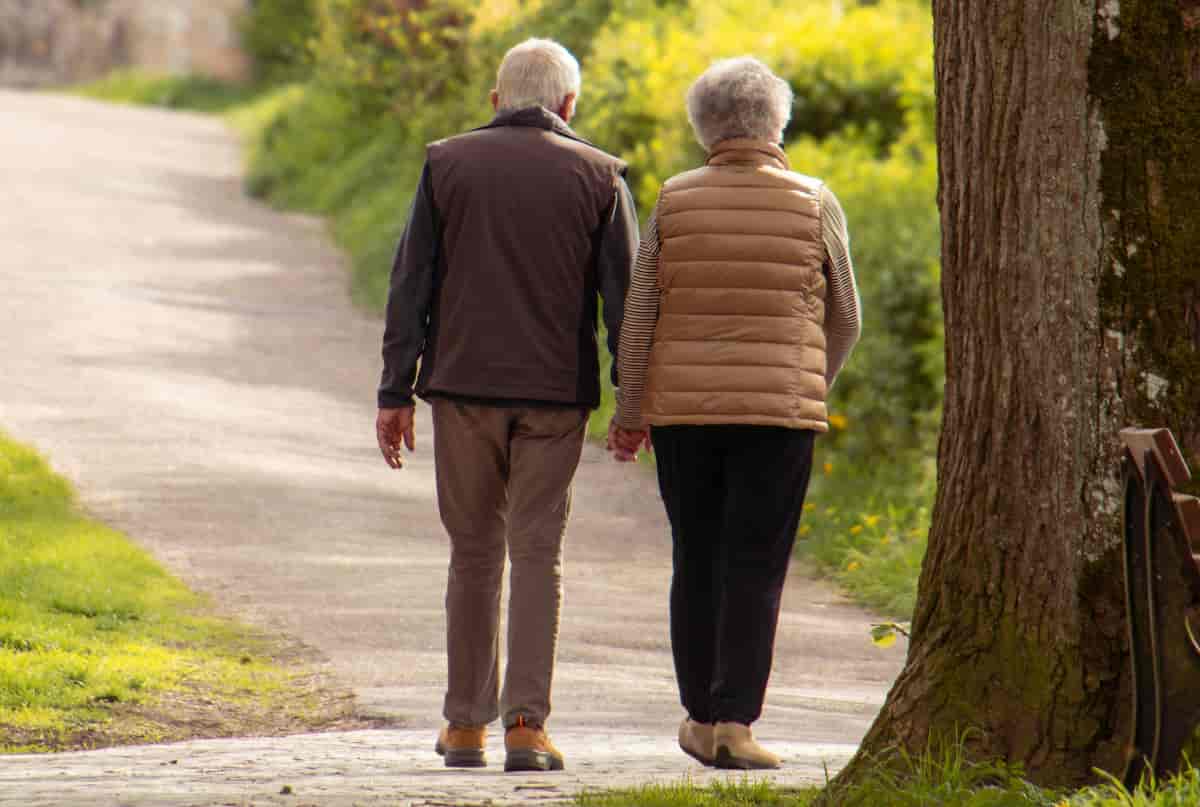
The Step Count That Cuts Dementia Risk The Most (M)
A recent epidemiological study identified a specific daily step count that most effectively lowers the risk of Alzheimer’s disease. Participants who logged roughly 10,000 steps per day experienced up to a 30% reduction in dementia incidence compared with sedentary peers....
Battery-Free Textile Turns Clothing Into a Real-Time Blood Pressure Monitor
Researchers from the National University of Singapore, the University of Arizona and Tsinghua University unveiled a battery‑free wearable system that uses a metamaterial textile to wirelessly power epidermal sensors from a smartphone. The dual‑mode fabric separates power (13.56 MHz) and data...
Research Shows This Underconsumed Fat Improves Inflammation
A recent review in *Nutrients* confirms that increasing omega‑3 fatty acids can markedly reduce systemic inflammation, a condition affecting roughly 34.6% of Americans. Meta‑analyses across 45 studies show improvements in insulin sensitivity, cholesterol, triglycerides and HbA1c, while higher‑dose EPA/DHA (over...

Frequent or Longer Naps in Older Age May Signal Declining Health, Study Suggests
A long‑term JAMA Network Open study of 1,338 older adults found that longer and more frequent daytime naps, especially in the morning, are linked to higher mortality. Each additional hour of napping raised death risk by 13%, and each extra...

Keto May Work Best for Sending Diabetes Into Remission: Here's Why
A recent 12‑week study published in the Journal of the Endocrine Society compared a ketogenic (high‑fat, low‑carb) diet with a low‑fat diet in 51 adults aged 55‑62 with type 2 diabetes. Both groups lost weight, but the keto group exhibited a...
How to Keep Your Brain Sharp: A Practical Playbook Beyond the Basics
Dr. Tommy Wood outlines a practical playbook for preventing cognitive decline, emphasizing the synergistic effect of B‑vitamin and Omega‑3 supplementation, environmental toxin mitigation, oral health, and evidence‑based cognitive training. He cites the Lancet Commission’s estimate that up to 45% of...
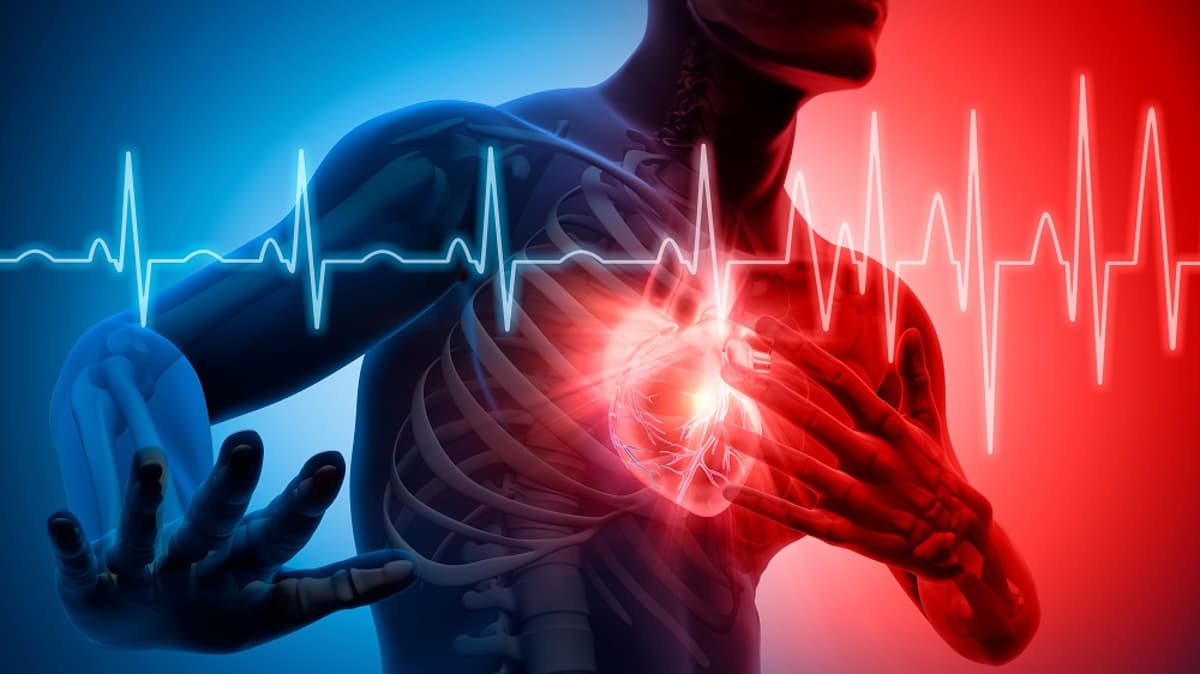
Reprogrammed Cardiomyocytes Soften the Blow in Heart Attack
A recent study published in the Journal of Molecular and Cellular Cardiology demonstrates that partial reprogramming of mouse cardiomyocytes with three Yamanaka factors (OCT4, SOX2, KLF4 – OSK) enables the cells to complete cytokinesis after a heart attack. By dismantling...
Vitamin K2 May Influence Neuromuscular Signaling: RCT
A 12‑week randomized controlled trial examined vitamin K2 MK‑7 (Balchem’s K2VITAL) in healthy adults 18‑40 and 65 plus following muscle‑damaging resistance exercise. Across the full cohort, supplementation did not improve strength, soreness, or inflammation. However, participants aged 65 and older showed a shorter electromechanical...

Music Can Help Prevent Cognitive Decline
Researchers from the University of Geneva, HES‑SO Geneva, and EPFL found that six months of piano lessons or active music listening can slow cognitive decline in seniors. In a trial of 132 healthy retirees aged 62 to 78, participants showed...
Are ‘Forever Chemicals’ Aging You? New Research Raises Concerns for Men
Researchers analyzing U.S. NHANES data found that two newer PFAS chemicals—perfluorononanoic acid (PFNA) and perfluorooctanesulfonamide (PFOSA)—are linked to accelerated epigenetic aging in men aged 50 to 64. The compounds were present in 95% of participants, but only men showed a...
The Rich and Powerful Want to Live Forever
Powerful leaders and tech magnates are increasingly investing in life‑extension technologies, from organ‑replacement to cellular rejuvenation. Recent viral footage allegedly captured Chinese President Xi Jinping and Russian President Vladimir Putin discussing personal desires for immortality, underscoring how longevity has become...

Is Stem Cell Therapy About to Transform Medicine and Reverse Ageing?
Stem cell therapy is re‑emerging as a credible route to tissue regeneration and age‑reversal after a decade of failed anti‑ageing bets. Researchers are now demonstrating partial cellular reprogramming that restores youthful function without erasing cell identity. Early‑stage human trials from...
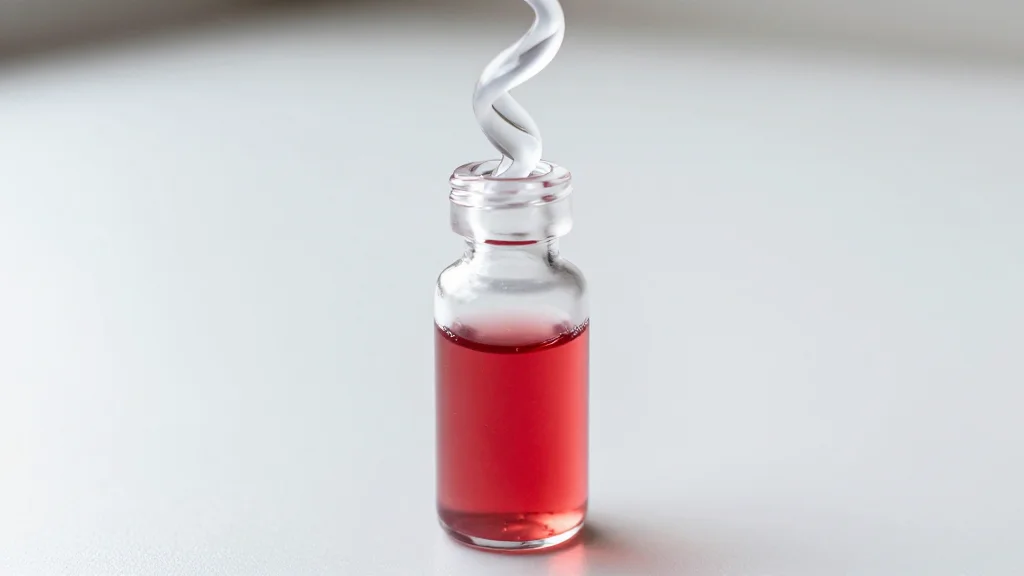
TOSLA and Geltor Launch the First Vegan Signaling Collagen Liquid Supplement, Powered by PrimaColl, a Type 21 Signaling Collagen
TOSLA and biotech pioneer Geltor have launched the first vegan signaling collagen shot, featuring Geltor’s FDA‑cleared PrimaColl type 21 collagen polypeptide in a 30 mL cherry‑raspberry drink. Each bottle delivers 1 g of the biomimetic collagen, which in a 12‑week clinical trial improved...

Lucy Liu Was Misdiagnosed With Breast Cancer—Here’s What She Learned From the Experience
Actress Lucy Liu was misdiagnosed with breast cancer in the early 1990s after a brief exam skipped a mammogram, leading to an unnecessary surgery that later proved the lump benign. The experience prompted her to become a vocal advocate for...

What if Humans Could Regrow Tissue? New Study Moves Science Closer
Researchers at Texas A&M have demonstrated that a sequential application of fibroblast growth factor‑2 (FGF2) followed by bone morphogenetic protein‑2 (BMP2) can regenerate bone, tendon, ligament and joint structures in amputated mouse digits. The two‑step protocol first redirects fibroblasts away...

Vitamin D May Prevent Diabetes in People with Certain Genes
A new analysis of the D2d trial shows that a daily 4,000 IU vitamin D supplement reduces the risk of developing type 2 diabetes by 19 % in prediabetic adults who carry the AC or CC variants of the vitamin D receptor gene, while those...
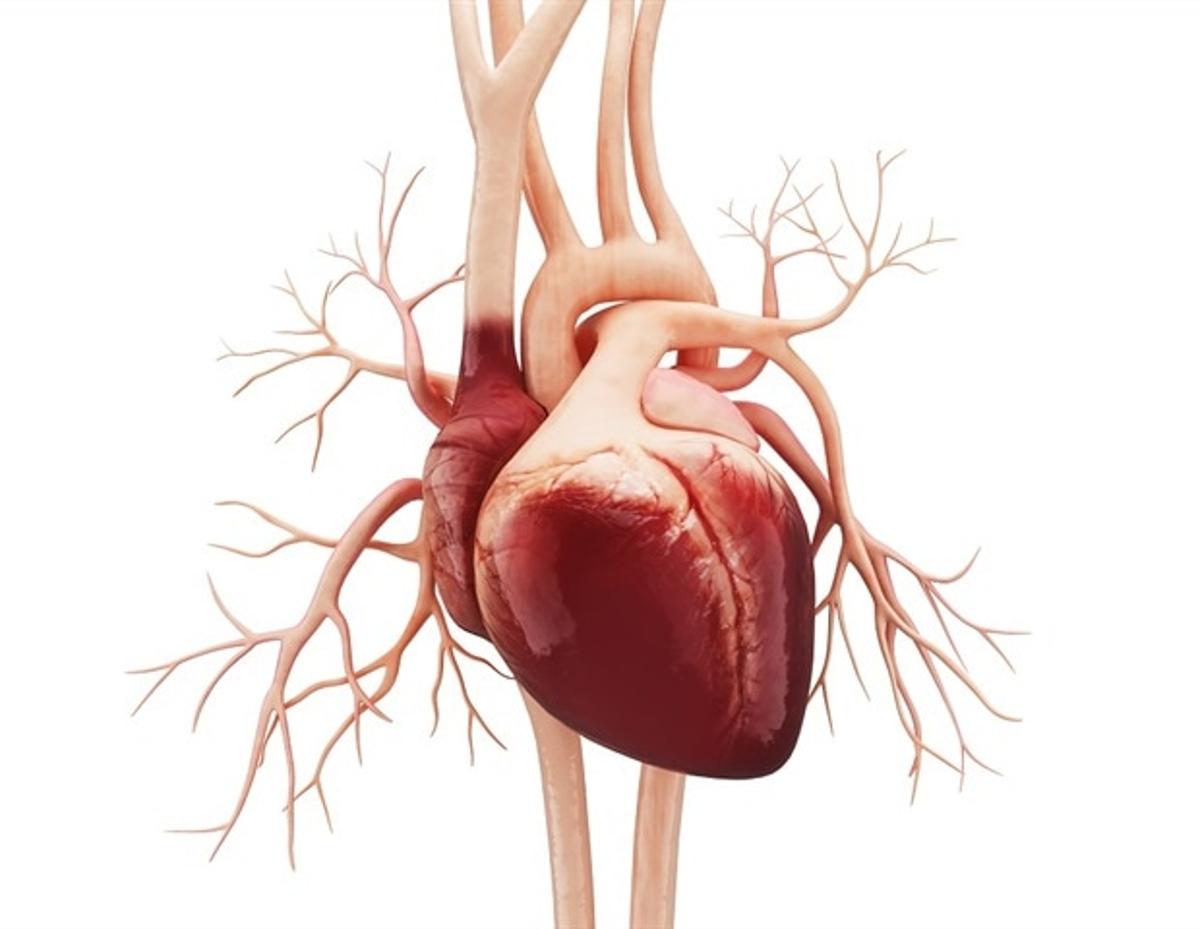
Tirzepatide Significantly Reduces Cardiovascular Risk in High-Risk Patients
Two recent real‑world studies demonstrate that tirzepatide, a dual GIP/GLP‑1 receptor agonist, markedly lowers cardiovascular risk in high‑risk patients. In a propensity‑matched cohort of 1,281 type‑2 diabetics undergoing percutaneous coronary intervention, tirzepatide reduced mortality by 62% and cut major adverse...

Thinking About Anti-Aging Treatments? What Actually Helps (Without Going Overboard)
Non‑surgical anti‑aging options are gaining traction as a middle ground between DIY skincare and invasive surgery. Treatments such as Botox, dermal fillers, laser resurfacing, and advanced facials offer quick, low‑downtime results that subtly refresh appearance. In Dania Beach and similar...

These 80-Year-Olds Have the Memory of 50-Year-Olds. Scientists Now Know Why
Northwestern Medicine’s 25‑year SuperAging program has identified a cohort of 80‑plus adults whose memory performance matches that of people in their 50s. Researchers found that these “SuperAgers” exhibit unusually thick cortical regions and a higher density of von Economo neurons, which...

Do You Really Shrink With Age?
Adults begin to lose height after age 40, typically half an inch to an inch, due to spinal disk compression, vertebral thinning, and posture changes. Significant loss—two inches or more—often signals osteoporosis or compression fractures, conditions that increase fracture risk....

This Routine Heart Scan Sees the Danger Coming Long Before Symptoms Strike
Researchers at Kumamoto University demonstrated that adding a delayed imaging phase to a standard cardiac CT scan enables measurement of Late Iodine Enhancement (LIE) and Extracellular Volume (ECV) fractions. In a cohort of 1,207 patients tracked for an average of...

Can You Slow Ageing with Your Diet? A New Book Gives It a Go
Freelance health journalist David Cox discovered his biological age was older than his chronological age and turned that shock into a mission to reverse it. In his new book, *The Age Code*, he chronicles how specific dietary changes can lower...

VO2 Max, Explained: Why This Test Reveals So Much About Overall Health and Longevity
VO2 max measures the maximum amount of oxygen your body can use during intense exercise, reflecting lung capacity, heart efficiency, and muscle oxygen extraction. Traditionally a benchmark for endurance athletes, it is now championed by longevity experts as a holistic...

Firm Perfection (Hibiscus)²
Firm Perfection (Hibiscus)² is a biotech‑driven skin‑care active that targets inflammaging by modulating chronic inflammation, restoring cellular communication, rebalancing regenerative pathways, and stimulating collagen repair. Clinical trials showed a 52% reduction in skin amplitude, delivering visibly firmer skin and improved...

The Fifteen-Year-Old Who Just Earned a PhD and Is Specialising in Immortality
Laurent Simons, a Belgian prodigy, defended a quantum‑physics PhD at just 15, becoming one of the youngest doctorate holders in history. Within weeks he relocated to Munich to begin a second doctorate that fuses medical science with artificial intelligence, aiming...
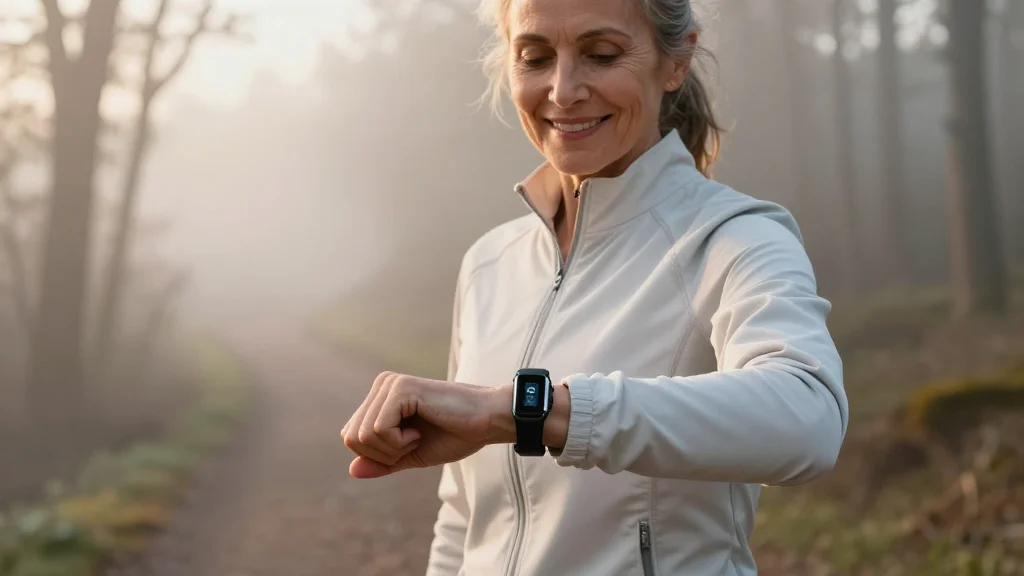
This Fitness Metric Predicts Brain Size a Decade Later — How to Improve It
A nine‑year follow‑up of the Generation 100 trial found that VO₂ max measured in participants’ early 70s predicts larger cortical brain volume and better memory‑related performance almost a decade later. Baseline cardiorespiratory fitness proved a stronger indicator of brain health than the...
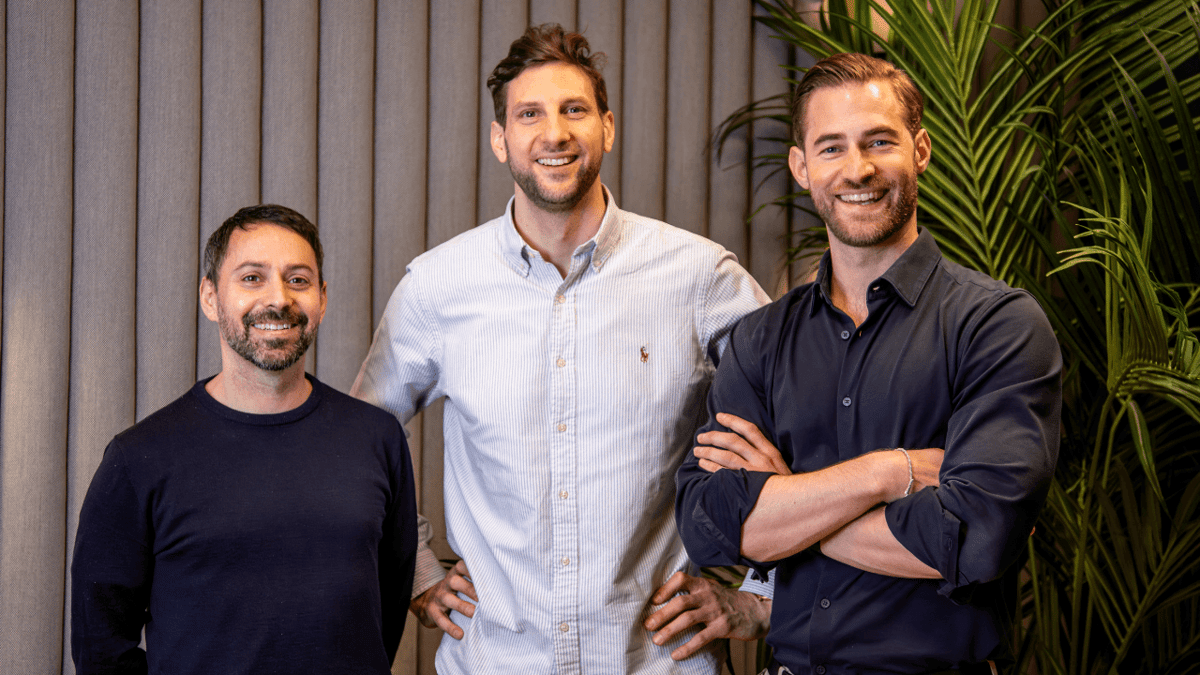
Calibre Emerges From Stealth with $3.3M to Tackle “Health Guesswork” Through Causal AI
Calibre, a London‑based healthtech startup, emerged from stealth with a $3.3 million pre‑seed round led by Amino Collective. The company introduces “Causal Health Navigation,” a clinician‑guided causal AI platform that identifies the true drivers of an individual’s health. Priced at £69...

Harvard Said Loneliness Was Killing Us. A New Study of 10,217 People Just Revealed a Surprising Twist
The Harvard Grant Study has long warned that loneliness shortens lives, a message reinforced by Dr. Robert Waldinger’s research. A new European cohort study of 10,217 adults aged 65‑94 across 12 countries tracked participants for seven years, confirming that social...

Dynamics of Genetic and Somatic Trade-Offs in Ageing and Mortality
A new actuarial mapping study of the UM‑HET3 mouse cohort, now expanded to 6,438 individuals, uncovered 59 genetic loci that shape age‑dependent mortality. The loci fall into two classes—Vita, which directly modulate lifespan, and Soma, which mediate trade‑offs between body...

Why Lifting Weights Is the Most Powerful Anti-Aging Hack for Men
A large JAMA Network Open study of 115,000 adults over 65 found that strength training at least twice a week reduces all‑cause mortality risk by up to 30%, even after accounting for aerobic activity. Multiple cohort analyses reinforce that grip...

Rapamycin Might Blunt Exercise Response in Humans
A double‑blind, placebo‑controlled trial gave 40 sedentary adults aged 65‑85 a weekly 6 mg dose of rapamycin alongside a 13‑week home‑based exercise program. Participants receiving rapamycin showed smaller gains in chair‑stand performance and trended worse on six‑minute walk and grip strength,...

BioAge Reports Positive Phase 1 Data for BGE-102
BioAge Labs announced Phase 1 results for BGE‑102, an oral, brain‑penetrant NLRP3 inhibitor, showing up to 86% reductions in high‑sensitivity C‑reactive protein (hsCRP) in obese participants. A 60 mg once‑daily regimen over 21 days achieved biomarker improvements comparable to the previously tested...
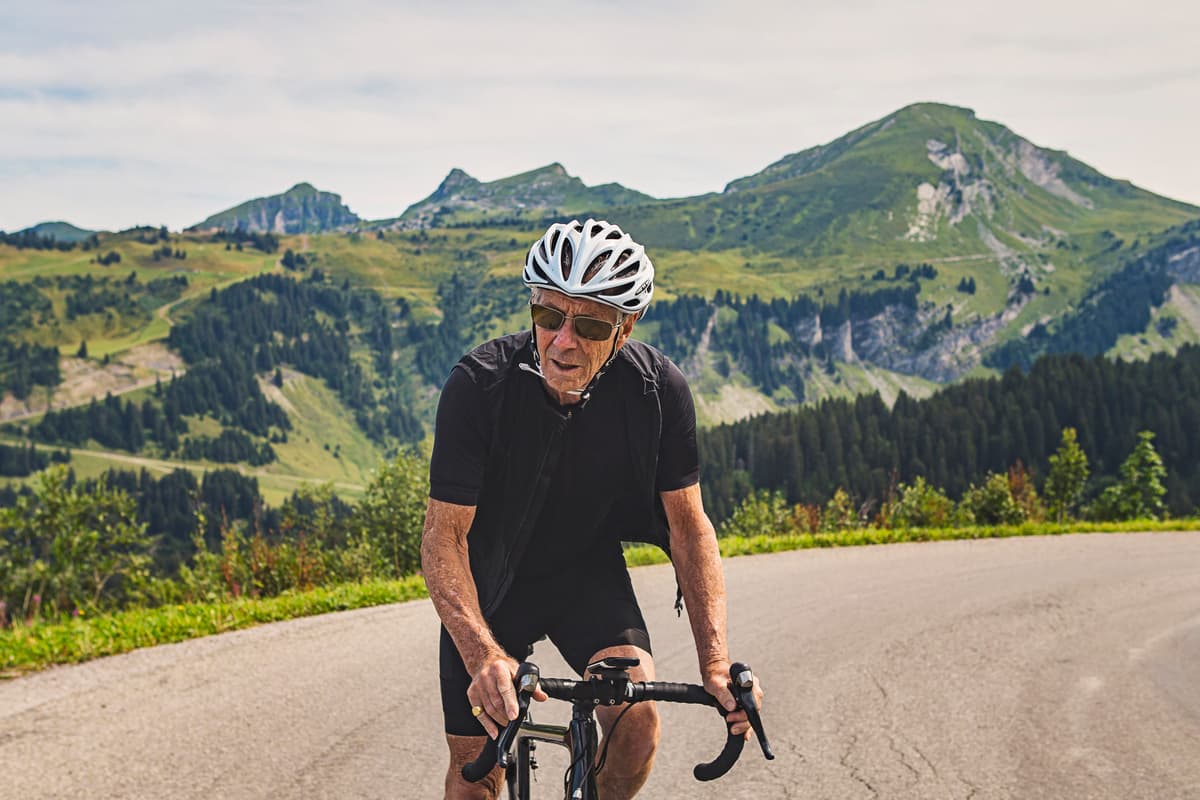
Can Bicycling Help You Become a SuperAger?
A 2024 Journal of Neuroscience study links superior white‑matter microstructure to the remarkable memory of SuperAgers—people 80+ whose cognition rivals that of those in their 50s. Researchers interviewed cyclists aged 80‑90 who exemplify this group, noting their mobility, social connections,...
Neolaia Synthesizes New CD38 Inhibitors
Biohaven disclosed detailed preclinical data on BHV‑2100, a TRPM3 calcium‑channel modulator aimed at neuropathic pain. A new meta‑analysis concluded that anti‑amyloid therapies for Alzheimer’s have not demonstrated clinically meaningful benefits, intensifying debate over the approach. Jiangsu and Shanghai Hengrui patented...

Understanding Type I and Type III Collagen: How Different Collagen Types Support Joint and Skin Health
Collagen, the body’s most abundant protein, exists in 28 types, with Types I and III dominating connective tissue. Type I delivers tensile strength to bone, tendon, ligament and cartilage, while Type III provides elasticity for skin, arterial walls, and wound‑healing matrices. Production drops roughly...