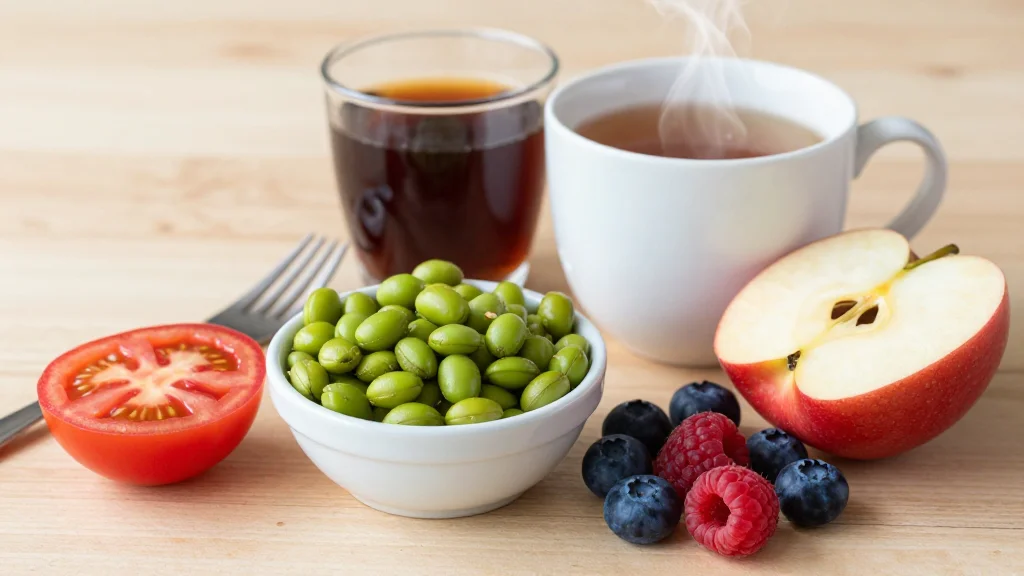
World-Renowned Doctor Reveals These 5 Everyday Foods that Help Your Body Fight Cancer and Cut Death Risk
Why It Matters
Incorporating these low‑cost, widely available foods can materially lower cancer risk, creating a scalable public‑health lever and a growth opportunity for food producers, supplement firms, and wellness brands.
Key Takeaways
- •Soy intake cuts breast cancer death risk by ~30% in Chinese study
- •Cooked tomatoes linked to 30% lower prostate cancer incidence
- •Whole apples provide fiber that supports gut microbes and inflammation control
- •Berries’ anthocyanins reduce tumor blood supply, lowering colorectal risk
- •Coffee and tea polyphenols associate with 15‑21% reduced colorectal cancer
Pulse Analysis
The link between diet and cancer has moved from anecdote to rigorous epidemiology, with the World Health Organization estimating cancer costs the U.S. economy over $200 billion annually in treatment and lost productivity. As healthcare payers and employers seek preventive levers, nutrition emerges as a high‑impact, low‑cost strategy. Recent meta‑analyses confirm that dietary patterns rich in plant‑based proteins, antioxidants and fiber can shave 30‑40% off overall cancer incidence, underscoring the business case for integrating health‑forward foods into mainstream offerings.
Dr. William Li’s five‑food framework aligns with the mechanistic pathways that modern oncology nutrition studies highlight. Soy’s isoflavones appear to modulate estrogen receptors and improve DNA repair, explaining the 30% mortality reduction observed in the Shanghai Breast Cancer Study of 5,000 women. Cooked tomatoes deliver lycopene, a potent antioxidant that interferes with angiogenesis, accounting for the pronounced prostate‑cancer risk drop. Apples and berries supply soluble fiber and polyphenols that nurture beneficial gut microbes, producing short‑chain fatty acids that dampen chronic inflammation—a known cancer driver. Finally, coffee and tea contribute chlorogenic acid and catechins, compounds shown to amplify immune surveillance and inhibit tumor vascularization.
For the food and beverage industry, these findings translate into actionable product opportunities. Plant‑based milk alternatives, fortified soy snacks, tomato‑rich sauces, ready‑to‑eat berry blends, and premium coffee or tea lines can be positioned with evidence‑backed health claims, appealing to health‑conscious consumers and corporate wellness programs. Policymakers may also leverage this data to shape dietary guidelines and incentivize manufacturers to reformulate products toward these cancer‑fighting ingredients. As insurers increasingly reward preventive nutrition, companies that embed these foods into their portfolios stand to gain market share while contributing to a measurable reduction in cancer burden.
World-renowned doctor reveals these 5 everyday foods that help your body fight cancer and cut death risk
Comments
Want to join the conversation?
Loading comments...