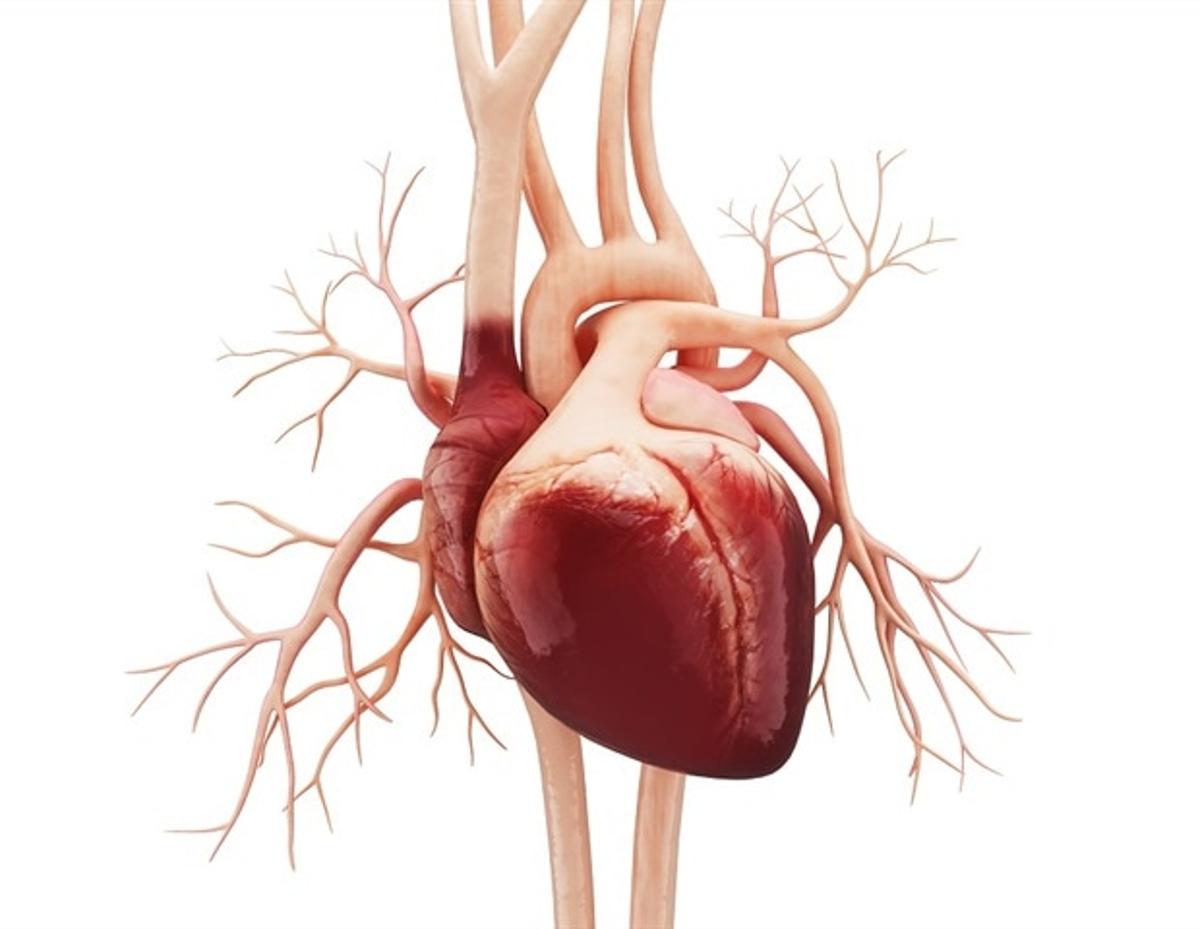
Tirzepatide Significantly Reduces Cardiovascular Risk in High-Risk Patients
Why It Matters
The data suggest tirzepatide can become a frontline adjunct for patients undergoing high‑risk cardiac interventions, potentially reshaping prescribing patterns and improving post‑procedure outcomes. Its cardioprotective profile may drive broader adoption beyond diabetes management.
Key Takeaways
- •Tirzepatide cut PCI mortality by 62% versus dulaglutide
- •MACE risk halved for PCI patients on tirzepatide
- •Post‑TAVR obese patients on tirzepatide saw 30% fewer MACE
- •Hospitalizations for heart failure fell 54% without extra stroke risk
- •Real‑world data support tirzepatide as cardioprotective adjunct
Pulse Analysis
Tirzepatide’s dual GIP and GLP‑1 activity has already reshaped type‑2 diabetes treatment, delivering superior glycemic control and weight loss compared with traditional GLP‑1 agonists. The latest evidence from the TriNetX database now links these metabolic gains to concrete cardiovascular benefits in patients undergoing invasive procedures. By attenuating inflammation, improving endothelial function, and promoting favorable lipid profiles, tirzepatide appears to mitigate the cascade of events that lead to myocardial infarction, heart‑failure exacerbations, and arrhythmias after percutaneous coronary intervention.
In the PCI cohort, propensity‑score matching isolated the drug’s effect from confounding variables, revealing a 62% mortality reduction and roughly 50% lower rates of MACE, acute myocardial infarction, and heart‑failure exacerbations. Clinicians have long favored GLP‑1 agents for their cardioprotective signals, but tirzepatide’s broader receptor engagement may translate into more pronounced risk attenuation. This could prompt interventional cardiologists to coordinate with endocrinologists earlier, integrating tirzepatide into peri‑procedural medication regimens, especially for patients with suboptimal glycemic control or obesity.
The TAVR analysis extends the conversation to structural heart disease, where obesity compounds procedural risk. Patients receiving tirzepatide experienced a 30% drop in composite cardiovascular events and a 54% reduction in heart‑failure admissions, without raising stroke or renal injury rates. These outcomes support a paradigm where metabolic optimization becomes a standard pre‑ and post‑TAVR strategy. While prospective randomized trials are needed to confirm causality and define optimal timing, the current data are likely to stimulate pharmaceutical investment, insurance coverage discussions, and guideline revisions that position tirzepatide as a cornerstone of cardiometabolic care in high‑risk cardiac interventions.
Tirzepatide significantly reduces cardiovascular risk in high-risk patients
Comments
Want to join the conversation?
Loading comments...