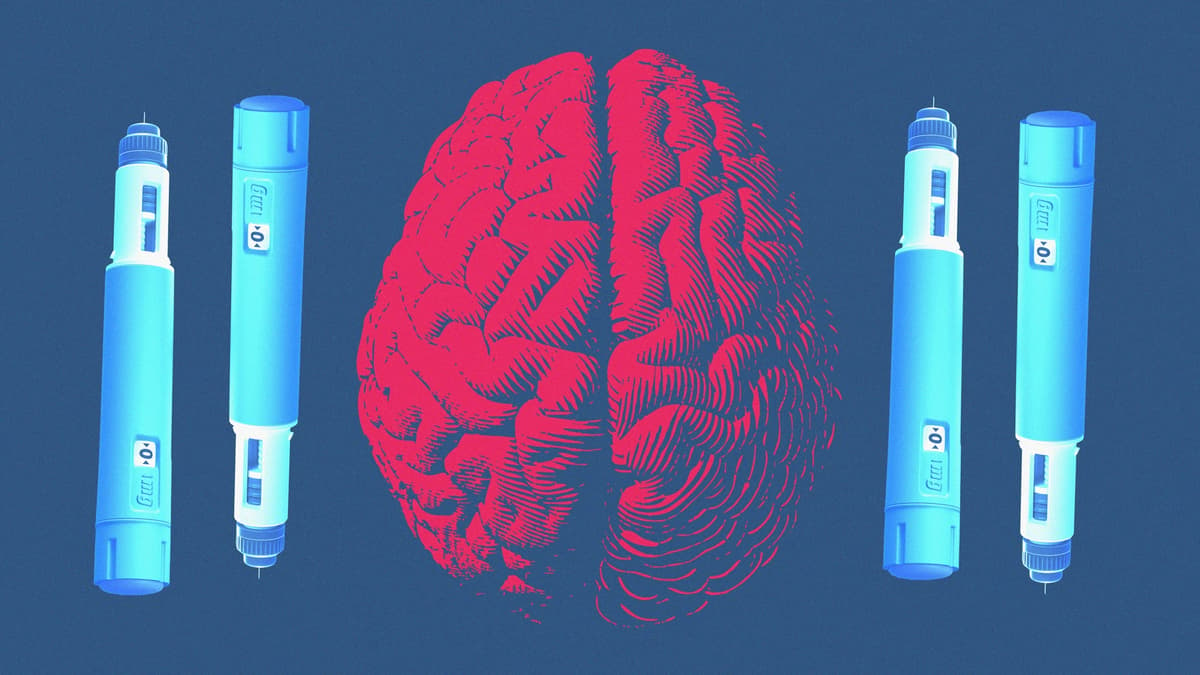
Could Ozempic Help With Alzheimer’s Disease? Scientists Are Taking a Closer Look
Why It Matters
If GLP‑1 therapies can meaningfully impact Alzheimer’s pathology, they could become a dual‑purpose treatment for metabolic and neurodegenerative disorders, reshaping pharmaceutical strategies and market opportunities.
Key Takeaways
- •GLP‑1 drugs reduce amyloid‑beta in 22 of 30 preclinical studies.
- •Liraglutide consistently lowers both amyloid‑beta and tau proteins.
- •Human trials remain small and show mixed cognitive outcomes.
- •Mechanisms include reduced inflammation and improved brain insulin signaling.
- •Ozempic and Wegovy are under investigation for neurodegenerative potential.
Pulse Analysis
The surge of GLP‑1 receptor agonists, originally approved for type‑2 diabetes and later celebrated for dramatic weight loss, has sparked a wave of repurposing research. Semaglutide (Ozempic, Wegovy) and its peers mimic the gut hormone GLP‑1, enhancing insulin sensitivity and appetite control. Their systemic metabolic benefits have prompted scientists to explore whether the same pathways could mitigate neurodegeneration, a hypothesis gaining traction as the global burden of Alzheimer’s climbs and treatment options remain limited.
Preclinical evidence now paints a promising picture. In cell cultures and animal models, 22 of 30 studies observed lower amyloid‑beta levels, while 19 reported reductions in tau aggregates after GLP‑1 exposure. Liraglutide stood out, consistently dampening both toxic proteins, whereas exenatide showed modest effects. Researchers attribute these outcomes to several mechanisms: attenuated neuroinflammation, restored insulin signaling within the brain, and altered processing of amyloid precursor protein. Such multifaceted action aligns with emerging views that metabolic dysfunction underlies much of Alzheimer’s pathology.
Translating lab findings to patients remains a hurdle. Only two modest human trials have examined GLP‑1 agents, delivering mixed signals—one noted preserved neuronal metabolism, another reported decreased peripheral amyloid‑beta markers, yet neither demonstrated slowed cognitive decline. The limited sample sizes and short durations underscore the need for larger, longer‑term studies. Should forthcoming phase‑III trials confirm efficacy, pharmaceutical firms could unlock a lucrative new indication for blockbuster drugs, while clinicians would gain a tool that addresses both metabolic health and neurodegeneration, potentially reshaping treatment paradigms for an aging population.
Could Ozempic Help With Alzheimer’s Disease? Scientists Are Taking a Closer Look
Comments
Want to join the conversation?
Loading comments...