Companies Mentioned
Why It Matters
HRV’s popularity reshapes how consumers monitor health, creating new data‑driven wellness services while highlighting the risk of metric‑driven anxiety. Understanding its limits helps both users and the wearable industry avoid overpromising benefits.
Key Takeaways
- •HRV tracking now mainstream among young women and celebrity users
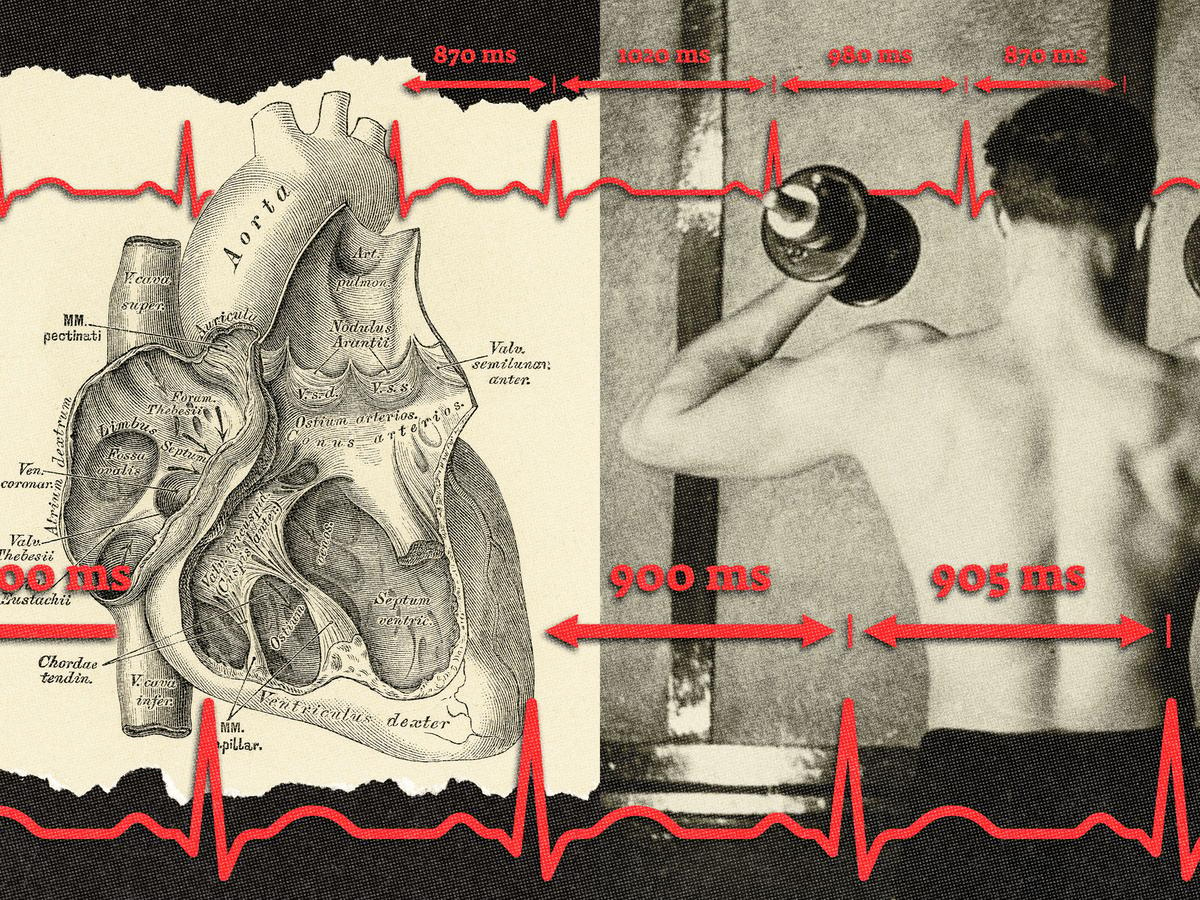
- •Higher HRV generally indicates better recovery, but baseline varies by individual
- •Studies show modest VO2max gains when athletes train by HRV cues
- •Over‑focus on HRV can create stress, undermining its intended benefit
Pulse Analysis
The rapid adoption of HRV monitoring reflects a broader shift toward quantifiable wellness, driven by affordable wearables that embed the metric in everyday routines. In 2025, Oura sold 5.5 million rings, and platforms such as Eight Sleep now push alerts when a user’s nightly HRV deviates from personal norms. This data‑rich environment fuels a new market of apps promising to boost HRV through guided breathing, sleep hygiene, and lifestyle coaching, turning a once‑niche physiological signal into a consumer‑facing health score.
Scientific literature supports HRV’s value for elite athletes: a 2020 meta‑analysis linked HRV‑guided training to modest VO₂max improvements, and a 2025 Nature study confirmed benefits when HRV is combined with resting heart rate and subjective well‑being measures. However, these gains stem from high‑volume training cohorts, limiting relevance for casual exercisers whose daily stressors—work, travel, alcohol—also sway HRV. The metric’s sensitivity to age, genetics and measurement conditions means a low reading isn’t inherently pathological, and an unusually high reading can signal recovery from illness, underscoring the need for contextual interpretation.
For the average user, the pragmatic approach is to treat HRV as one data point among many. Establish a personal baseline, note deviations, and correlate them with sleep quality, nutrition, and perceived stress before making training adjustments. Industry players should temper marketing hype, emphasizing education over quick fixes, to prevent metric‑induced anxiety. As wearables evolve, integrating multimodal health insights—sleep, heart rate, activity—will likely deliver more actionable guidance, keeping HRV a useful signal without letting it dominate personal health narratives.
Why HRV Is the New Longevity Obsession
Comments
Want to join the conversation?
Loading comments...