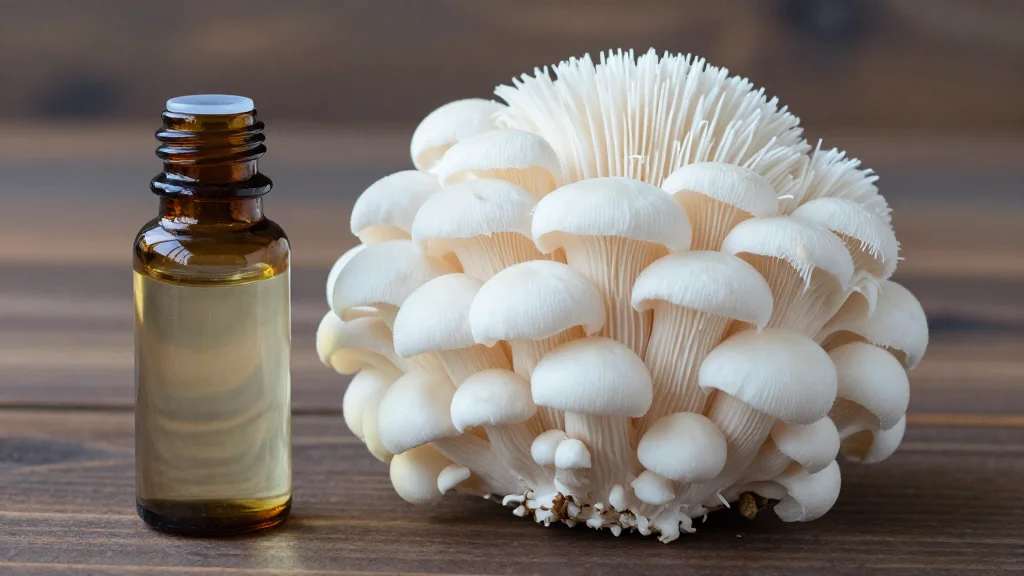
Ergothioneine-Rich Water Extracts of Hericium Erinaceus HE-17 Alleviate Alzheimer’s Disease in Mice by Regulating Oxidative Stress, Inflammation, and the Gut Microenvironment
Why It Matters
The findings demonstrate that an ergothioneine‑rich mushroom extract can modulate key AD pathologies through antioxidant, anti‑inflammatory, and gut‑brain mechanisms, offering a scalable dietary strategy for neurodegeneration prevention.
Key Takeaways
- •HE‑17 strain produced 2.57 mg/g ergothioneine in water extract
- •High‑dose WEH (2 g/kg) restored memory in APP/PS1 mice
- •WEH lowered brain Aβ plaques, tau phosphorylation, and pro‑inflammatory cytokines
- •Supplementation increased antioxidant enzymes SOD, CAT and reduced MDA levels
- •Low‑dose WEH shifted gut microbiota toward Lactobacillus, reducing Fusobacteriota
Pulse Analysis
Ergothioneine, often dubbed the "longevity vitamin," is a potent dietary antioxidant that humans must obtain from food. Edible fungi such as Hericium erinaceus naturally accumulate this molecule, but typical strains contain only trace amounts. By screening 29 isolates and fine‑tuning fermentation parameters, scientists boosted ergothioneine levels more than two‑fold, creating a water‑based extract that retains additional bioactive compounds like phenolics and polysaccharides. This nutraceutical profile positions the extract as a promising functional food ingredient aimed at mitigating oxidative stress, a central driver of Alzheimer’s disease progression.
In a rigorous 90‑day trial using APP/PS1 transgenic mice, the ergothioneine‑rich extract (WEH) delivered via oral gavage markedly improved performance in the Morris Water Maze, indicating enhanced spatial learning and memory. Molecular analyses showed significant reductions in amyloid‑β deposition and tau hyperphosphorylation, alongside lowered brain and serum levels of IL‑1β, IL‑6, and TNF‑α. Antioxidant defenses rose, with elevated superoxide dismutase, catalase, and total antioxidant capacity, while lipid peroxidation markers such as malondialdehyde declined. These multi‑level benefits underscore the extract’s ability to address both hallmark proteinopathies and the inflammatory‑oxidative milieu that fuels neurodegeneration.
The study’s implications extend beyond the laboratory. Demonstrating safety at doses up to 2 g/kg body weight, the extract offers a viable, low‑cost dietary supplement that could complement existing AD therapies. Its capacity to reshape the gut microbiome—favoring Lactobacillus and suppressing pathogenic Fusobacteriota—highlights a gut‑brain axis mechanism increasingly recognized in neurodegenerative research. As the nutraceutical market seeks evidence‑backed solutions for aging populations, ergothioneine‑enriched Hericium extracts may soon transition from experimental feeds to commercial products, prompting further clinical trials to validate efficacy in humans.
Ergothioneine-rich water extracts of Hericium erinaceus HE-17 alleviate Alzheimer’s disease in mice by regulating oxidative stress, inflammation, and the gut microenvironment
Comments
Want to join the conversation?
Loading comments...