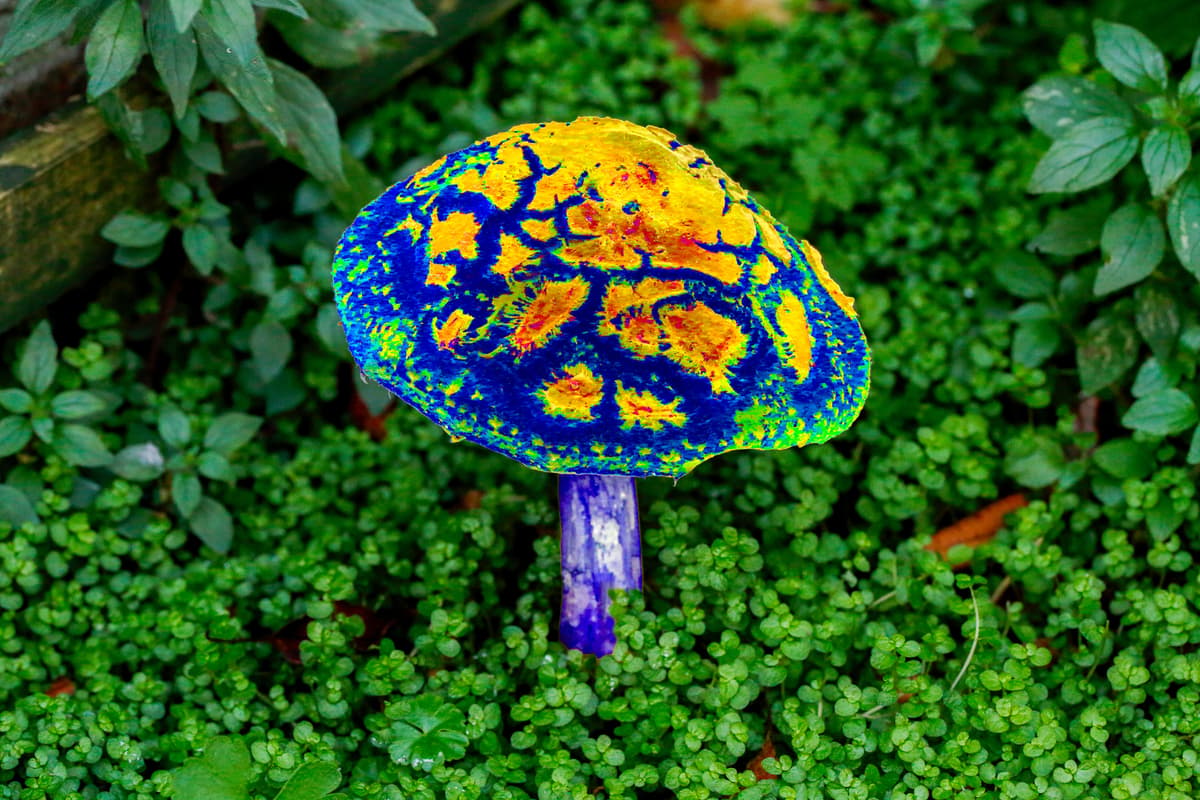
Scientists Hunted Down the Psychedelic Key to Slow Aging—And It’s Inside This Magic Mushroom
Why It Matters
If validated in humans, psilocin could become a novel, multi‑system intervention for extending healthspan, reshaping both biotech pipelines and the regulatory landscape for psychedelic therapeutics.
Key Takeaways
- •Psilocin extended human fibroblast lifespan up to 50% in vitro
- •Treated elderly mice showed 80% survival vs 50% untreated after 10 months
- •Cells exhibited reduced oxidative stress, inflammation, and preserved telomere length
- •Upcoming human trial will assess aging biomarkers in elderly participants
- •Schedule I classification limits psychedelic research despite promising anti‑aging data
Pulse Analysis
The latest Emory‑Baylor study marks a turning point for psychedelic science, moving the conversation from mental‑health applications to the biology of aging. By exposing lung and skin fibroblasts to psilocin, researchers observed a dramatic delay in cellular senescence, with some cultures living more than half again as long as untreated cells. Parallel mouse experiments reinforced the cellular data, showing a striking 30‑percentage‑point boost in survival for aged females receiving monthly psilocybin doses. These results hint at a broader pharmacology where serotonin‑receptor activation modulates inflammation, oxidative stress, and telomere maintenance across organ systems.
For the anti‑aging industry, the implications are profound. Traditional longevity strategies focus on single pathways—such as mTOR inhibition or senolytics—yet psilocin appears to influence multiple hallmarks simultaneously. If human trials confirm these mechanisms, biotech firms could leverage a Schedule I compound to develop a new class of systemic therapeutics, potentially attracting substantial venture capital and reshaping pipelines that currently prioritize gene‑editing or metabolic interventions. However, translational risk remains high; mouse longevity data often fail to predict human outcomes, and the specter of increased cancer risk from prolonged cell division demands rigorous safety profiling.
The upcoming Vail Health Foundation‑funded trial, set to enroll older adults in late 2026, will be the first large‑scale human assessment of psilocin’s impact on healthspan. By measuring telomere dynamics, epigenetic clocks, proteomics, and microbiome shifts, the study aims to provide a comprehensive biomarker suite that could validate or refute the preclinical promise. Success would not only expand the therapeutic horizon for psychedelics but also force regulators to reconsider the Schedule I status that currently stifles research. Until then, clinicians and investors alike should watch the trial closely, balancing excitement with the need for robust, peer‑reviewed evidence.
Scientists Hunted Down the Psychedelic Key to Slow Aging—and It’s Inside This Magic Mushroom
Comments
Want to join the conversation?
Loading comments...