Oxygen Sensing as a Component of Differences in Regenerative Capacity Between Species

Key Takeaways
- •Low oxygen stabilizes HIF1A, accelerating mouse embryonic wound closure.
- •Frog tadpoles maintain HIF1A activity even in high oxygen.
- •Amphibians exhibit reduced oxygen-sensing, enabling sustained regeneration.
- •Mammals rapidly shut down regenerative programs via strong oxygen response.
- •Targeting HIF1A pathways could improve human wound healing.
Pulse Analysis
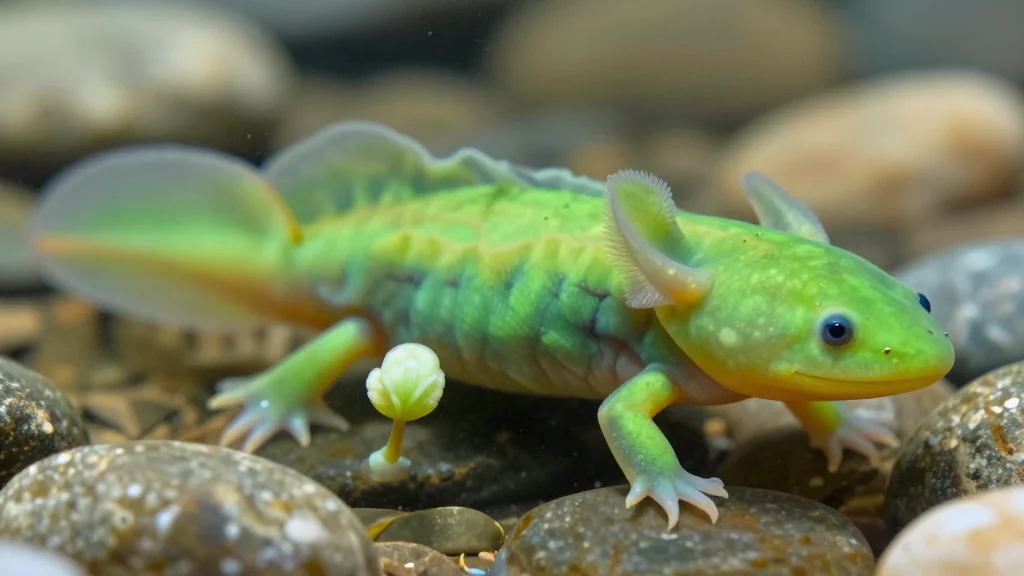
Comparative biology has long highlighted a stark contrast: amphibians can regrow limbs, while mammals cannot. One emerging hypothesis links this gap to the oxygen environment surrounding injured tissue. Aquatic species develop in hypoxic conditions, which appear to keep cellular oxygen sensors in a permissive state for regeneration. By contrast, mammalian tissues encounter atmospheric oxygen levels that rapidly activate pathways suppressing regenerative programs, leading to scar formation rather than tissue replacement.
In a recent cross‑species experiment, scientists amputated developing limbs from frog tadpoles and mouse embryos, then cultured them at oxygen concentrations mimicking water and air. They tracked wound closure, cell migration, gene expression, metabolism, and epigenetic changes, zeroing in on HIF1A—a transcription factor that stabilizes when oxygen is scarce. Lowered oxygen prompted mouse cells to close wounds faster and express genes associated with regeneration. Directly stabilizing HIF1A produced the same effect even under normal oxygen, while amphibian cells kept HIF1A active across a wide oxygen spectrum, thanks to low expression of inhibitory genes. This pattern underscores a fundamental difference: regenerative species dampen oxygen‑sensing, whereas mammals amplify it.
The therapeutic implications are profound. If clinicians can safely modulate HIF1A or related oxygen‑sensing pathways in human patients, they might coax dormant regenerative mechanisms into action, improving outcomes for burns, amputations, and chronic wounds. However, translating these findings requires careful balancing, as prolonged HIF1A activation can promote unwanted angiogenesis or tumor growth. Ongoing research aims to develop targeted, temporally controlled interventions that harness the benefits of hypoxia without adverse side effects, potentially ushering in a new era of regenerative medicine.
Oxygen Sensing as a Component of Differences in Regenerative Capacity Between Species
Comments
Want to join the conversation?