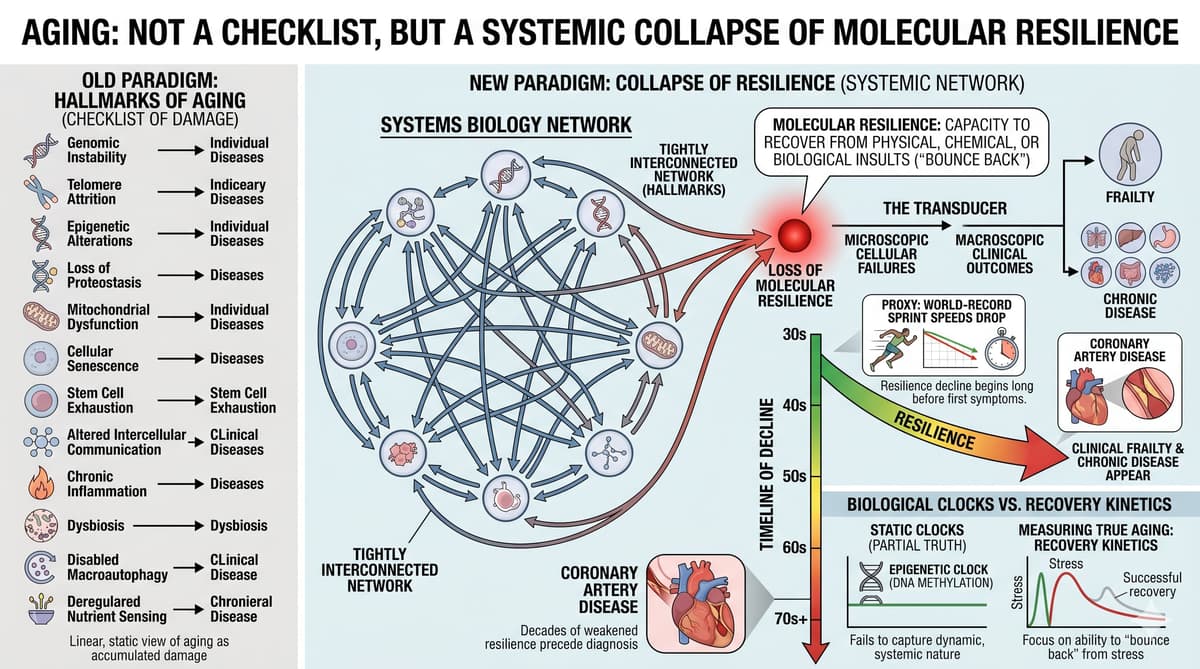
Loss of Resilience as the Key Measure of Aging, And How to Track It
A new kinetic resilience protocol shifts longevity medicine from static damage snapshots to dynamic stress‑response testing. By challenging metabolic, cardiorespiratory, autonomic and immune systems, clinicians can measure how quickly biology returns to equilibrium, using metrics such as OGTT clearance velocity, heart‑rate‑recovery and hs‑CRP resolution. The approach recommends a baseline battery in early adulthood and bi‑annual retesting to track deviation from age‑expected trajectories. This longitudinal, systems‑biology view aims to detect loss of coordination among molecular hallmarks before frailty or disease appears.

Spermidine
Recent clinical research confirms spermidine, a natural polyamine, boosts autophagy in brain cells, reducing amyloid‑beta and tau aggregates linked to Alzheimer’s disease. Levels of spermidine fall roughly 50 % between the twenties and seventies, correlating with increased cognitive decline, but supplementation...

Electromagnetic Field Activation of Gene Therapy as an Approach to Reprogramming
Researchers have engineered an electromagnetic‑field (EMF)‑responsive DNA element that remotely activates partial cellular reprogramming genes in mice. By cycling EMF exposure, the system triggers the Oct4‑Sox2‑Klf4 cassette without permanent gene integration, extending median lifespan to 108 weeks—about 70 human years....

Could Eating More Fibre Improve Deep Sleep?
A new observational study of 3,500 Israeli adults tracked with food diaries and wearable sleep monitors found that higher daily fibre intake and greater plant diversity are linked to modest gains in deep and REM sleep and a lower nocturnal...

Best Biohacking Wearables (2026): 12 Devices That Actively Optimize You
The 2026 roundup identifies the top biohacking wearables that go beyond passive tracking to deliver real‑time physiological stimuli. Interventional devices such as Apollo Neuro, VeRelief, TitanBody EMS, and KAATSU BFR show measurable gains in HRV, muscle activation, and strength with...

5 Simple Ways Functional Breathing Improves Mental Clarity
Functional breathing—slow, light, nasal respiration—directly influences brain oxygenation and autonomic balance, leading to sharper focus and reduced mental fatigue. The article outlines five ways the practice improves clarity: better oxygen delivery via the Bohr effect, stress regulation through vagal activation,...

You've Been Pooping All Wrong (And It's Affecting Your Brain)
Trisha Pasricha, a Harvard gastroenterologist, explains that the gut functions as a second brain, housing millions of neurons and a complex microbiome that directly communicates with the brain via the vagus nerve. Research links gut dysfunction to neurodegenerative diseases like...

Reviewing the Role of Advanced Glycation Endproducts in Aging and Age-Related Disease
Advanced glycation endproducts (AGEs) are protein‑sugar adducts that accumulate with age, altering protein structure and activating the RAGE receptor to drive chronic inflammation. The review highlights how AGEs cross‑link collagen, stiffening the extracellular matrix and contributing to diabetes, cardiovascular disease,...

More Evidence for Muscle Stem Cell Activity to Be Inhibited by the Aged Tissue Environment
Researchers discovered that the extracellular matrix (ECM) of aged mice suppresses the growth of both young and rejuvenated muscle stem cells (MuSCs). Elevated collagen levels in the aged ECM create a non‑autonomous barrier that limits stem‑cell proliferation, even when intrinsic...

Immortal Dragons: The Quest to ‘Make Death Optional’
Immortal Dragons, a Singapore‑based longevity fund founded by 34‑year‑old CEO Boyang Wang, secured $40 million—$4 million from friends and family and $36 million of Wang’s own money—to back moonshot biotech projects. The fund’s portfolio includes Frontier Bio, which is developing 3D bio‑fabrication techniques...

Dietary Fat Ratios Impact the Strength of Immune Cells and Ability to Fight Disease
A March 2026 study in Nature showed that polyunsaturated fats from seed oils embed in T‑cell membranes, making them prone to iron‑driven ferroptosis and shortening their lifespan. The same research demonstrated that stabilizing membranes with monounsaturated or animal‑derived fats improves T‑cell...

Minimizing Jetlag
A traveler reduced the typical six‑day jet‑lag adjustment from a Madrid‑to‑Montreal flight to just one day by pre‑shifting bedtime and maximizing sunlight exposure upon arrival. The method involves moving bedtime later by one to two hours each night for five...
Assessing Candidate IGF-1 Receptor Inhibitors for the Ability to Modestly Slow Aging in Mice
The study tested two small‑molecule IGF‑1 receptor inhibitors, picropodophyllin (PPP) and NVP‑ADW742, in 13‑month‑old C57BL/6 mice to assess healthspan and survival. Both drugs improved memory, blood pressure, glucose tolerance and frailty metrics, with NVP‑ADW742 extending healthspan by about 93 days....

Predicting Alzheimers & Dementia (and Minimizing Risk)
Recent research highlights a multi‑pronged approach to predicting and preventing Alzheimer’s and other dementias. Large meta‑analyses show routine adult vaccinations can lower dementia risk by up to 40%, while a novel drug combo (ACX‑02) demonstrated rapid clearance of amyloid and...

S-Mitochonic Acid 5. Increases ATP, NAD+ and SIRTUINS
Researchers have synthesized the S‑enantiomer of Mitochonic Acid‑5 (MA‑5) with 99 % enantiomeric purity. The compound strengthens the mitochondrial protein Mitofilin, preserving crista junction geometry and boosting ATP synthase efficiency. It also acts as a direct NAMPT agonist, raising intracellular NAD⁺,...

Sleep 2.0 – Understanding and Upregulating the Rejuvenating Aspects of Good Sleep
Researchers have identified the plant‑derived alkaloid harmine as a candidate drug that reverses cellular aging caused by sleep loss. In animal studies and cultured human cells, harmine blocked the DREAM protein complex, restoring mitochondrial function and reducing oxidative stress. The...
Testosterone Replacement for Older Men
Matt Kaeberlein, a longevity researcher and Optispan CEO, began weekly testosterone injections in his 50s after testing revealed low levels. Six years of therapy has, by his account, boosted energy, mood, body composition and overall well‑being, positioning TRT as a...

The High-Carb Diet That Prevents Heart Disease
Researchers conducted a 21‑day trial that returned modern Hawaiians to the traditional high‑carb diet of ancient Kauai. Participants ate until full, consuming tubers, fruits, fish and seaweed, and saw rapid weight loss, lower blood pressure, and improved cholesterol profiles. The...

Examining the Extracellular Matrix of Skin in Long-Lived Naked Mole-Rats
Researchers examined the extracellular matrix (ECM) of naked mole‑rat skin to uncover why these rodents retain youthful skin for up to 40 years. Using Raman spectroscopy and FT‑IR, they found that, unlike mice, the mole‑rat epidermis thickens with age and hyaluronic...
Partial Reprogramming Concern Altos Labs Is Becoming Less Stealthy
Altos Labs, launched in 2022 with roughly $3 billion in private funding, is intensifying its public profile as it pursues partial cellular reprogramming to reverse organ aging. The company is racing alongside rivals such as Life Biosciences, which has just begun...

Maingaining Is a Waste of Time (New Study)
A recent 10‑week study compared a maingaining protocol (≈0% prescribed deficit) with a 10% energy deficit in trained lifters. Both groups added roughly 1 kg of lean mass, but the deficit group shed 2.9 kg of fat versus 1.4 kg in the maingaining...

From Stress to Recovery: Why Magnesium Is the Ultimate Mineral
Dr. Sircus explains that chronic stress rapidly depletes the body’s magnesium stores, creating a feedback loop that fuels disease. He argues modern diets no longer provide adequate magnesium, making supplementation essential for cardiovascular, metabolic, and neurological health. The video links...

Can Hydra Biology Inform Strategies to Extend Life in Other Species?
Hydra vulgaris displays negligible senescence thanks to a perpetual pool of stem cells that continuously replace its tissues. Researchers suggest that inserting Hydra‑like gene expression patterns into the short‑lived rotifer Brachionus manjavacas could extend the rotifer's healthspan and lower age‑related...

Inhibiting ID1 and ID3 Reduces Lung Fibrosis
Researchers identified that the transcription factors ID1 and ID3 are markedly elevated in fibroblasts from idiopathic pulmonary fibrosis (IPF) patients. Using both small‑molecule inhibitors and gene‑silencing techniques, they suppressed these proteins in mouse models, which halted fibroblast activation and triggered...
FOXO4-DRI Is Fascinating, but Was Never Intended for Human Use, What Are the Takeaways?
FOXO4‑DRI, a laboratory‑engineered senolytic peptide, has generated excitement for its ability to clear aged cells but was never designed for human administration. Enthusiasts are experimenting with off‑label protocols that combine FOXO4‑DRI, dasatinib, fisetin, quercetin and a suite of peptides such...
Telomeres: History, Health and Hallmarks of Aging
Bill Andrews, a co‑discoverer of human telomerase, argues that telomere shortening is the primary limiter of human lifespan and that systemic activation of telomerase can reverse biological aging. He promotes small‑molecule activators such as TAM‑818 and botanical blends like Telo‑Vital,...
Molecular Hydrogen May Reduce Fatigue and Support Physical Function in People with Long COVID
A single‑blind, 14‑day pilot trial published in *Nutrients* examined hydrogen‑rich water versus regular water in 32 adults with long‑COVID. Participants drinking the hydrogen‑infused water reported statistically significant reductions in fatigue and showed measurable gains in six‑minute walk distance (42‑62 m), chair‑stand...

Neural Maintenance: Why Some Brains Defy the Calendar
A new review in Ageing Research Reviews argues that chronological age is a poor predictor of cognitive performance, highlighting extreme inter‑individual variability. The authors identify the medial temporal lobe, especially the hippocampus and entorhinal cortex, as the hub where network...
Blood as the Mirror of Aging
Recent research positions blood as both a diagnostic mirror and a therapeutic lever for aging. Multi‑omics studies show plasma proteins, metabolites, and extracellular vesicles reflect chronological and organ‑specific age, while heterochronic parabiosis and young plasma transfers demonstrate that youthful circulation...

Why Does More Cancer Imply Less Neurodegeneration and Vice Versa?
Epidemiological studies consistently reveal an inverse relationship between cancer incidence and neurodegenerative disease risk. The trade‑off is linked to how tissue‑maintenance activities, especially stem‑cell driven cell replication, decline with age. Lower replication reduces the chance of oncogenic mutations but also...
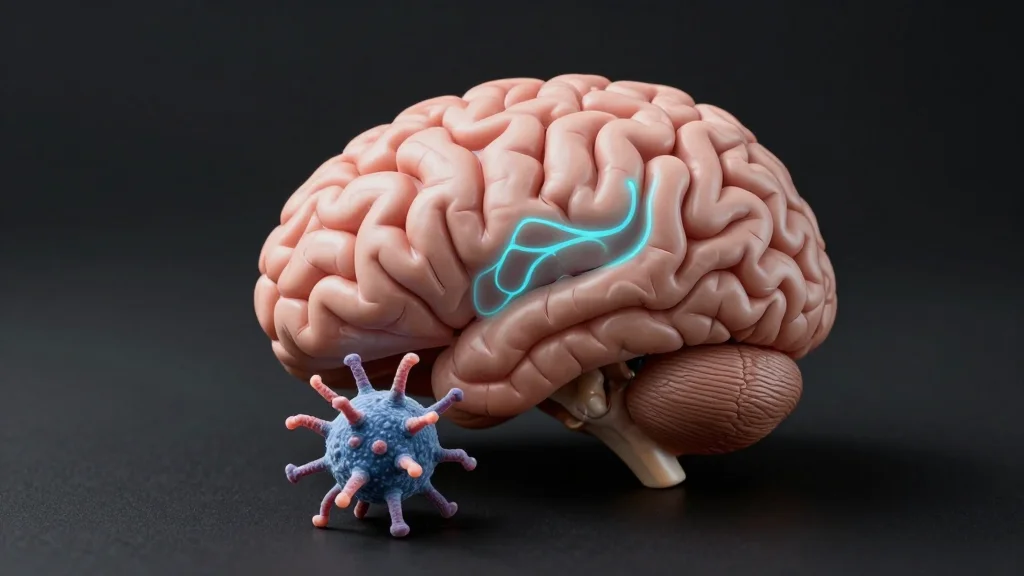
A Mechanism Linking Protein Aggregation to STING Activation and Inflammation in the Aging Brain
Researchers identified S‑nitrosylation of the immune sensor STING at cysteine‑148 as a key driver of neuroinflammation in Alzheimer’s disease. The modified protein, SNO‑STING, was abundant in human Alzheimer’s brains, cultured microglia, and mouse models. Blocking this chemical change reduced microglial...

The Thymus As A Key Target For Aging Intervention, Dr. Greg Fahy (May/2026 Berkeley)
Dr. Greg Fahy argues that restoring the thymus is essential for true immune rejuvenation, citing anecdotal benefits from long‑term HGH use and early data from his TRIIM program. Recent Nature papers link thymic health to lower mortality and stronger cancer‑immunotherapy...
GERD, PPI Use and Longevity
A personal protocol for managing GERD and reducing reliance on proton‑pump inhibitors (PPIs) centers on citrate chemistry and diet. The regimen combines 800 mg magnesium citrate, 600 mg calcium citrate, and half a teaspoon of sodium citrate twice daily, alongside a Mediterranean...
Out of 400 Drugs, Only These Might Help You Live Longer - Dr. Kevin Perez and Siim Land
A UK Biobank study of 500,000 participants tracked medication use for up to 20 years and compared users of 400+ drugs with matched controls. After adjusting for demographics, health status and socioeconomic factors, only fourteen drugs showed a statistically significant...

Zone 2 Heart Rate Calculator: Find Your Aerobic Sweet Spot
Greg McMillan’s Zone 2 Heart Rate Calculator helps runners pinpoint the aerobic‑base intensity that fuels long‑run endurance. Zone 2 is defined as 55‑78% of heart‑rate reserve, where the body maximizes mitochondrial density, capillary growth, and fat oxidation. The guide explains the talk...

Update on Brad Stanfield's Rapamycin Clinical Study in NZ
Brad Stanfield’s New Zealand rapamycin trial enrolled older adults on a 12‑week protocol, with participants typically taking 6 mg every other week. The study measured functional outcomes such as the chair‑stand test, sparking debate over whether short‑term dosing can reveal longevity benefits. Commentators...
Anyone Taking Rapamycin Monthly?
A growing community of longevity enthusiasts is experimenting with monthly rapamycin dosing, typically ranging from 5 mg to 30 mg and often boosted with grapefruit juice. Participants cite benefits such as fewer infections and slower aging markers, but also report side effects...

Friday Hope: H. Erinaceus (Lion’s Mane): A Mushroom Which May Help Those Suffering From Long COVID/Spike Disease/Injury
The post reviews pre‑clinical data showing that Hericium erinaceus (Lion’s Mane) suppresses NF‑κB, COX‑2 and iNOS while activating Nrf2, thereby reducing inflammation, oxidative stress and supporting neuronal health. Mouse studies demonstrate improved mitochondrial membrane potential, ATP production and antioxidant enzyme...
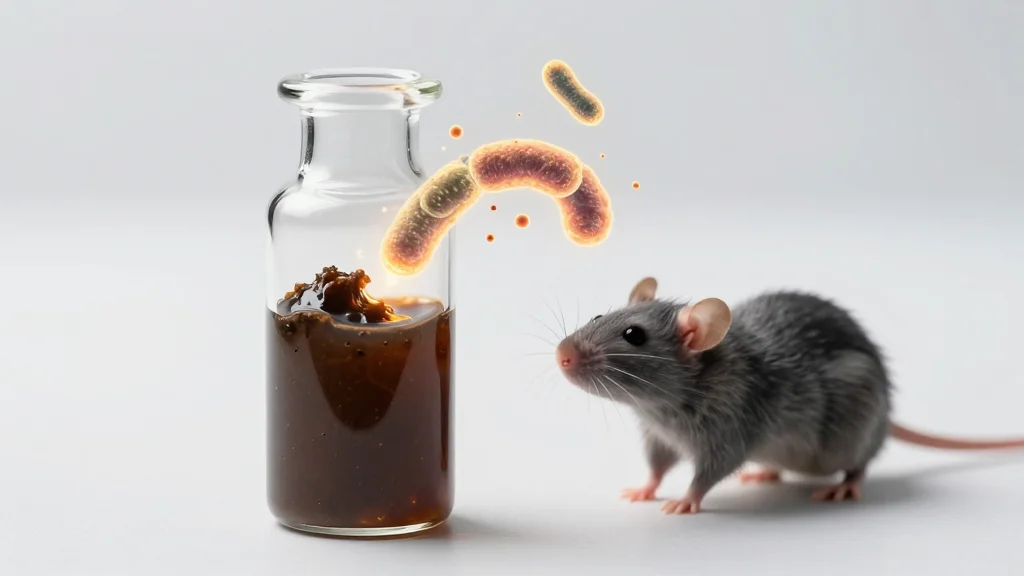
Fecal Microbiota Transplantation Reduces MDM2 Expression and Risk of Liver Cancer
Researchers demonstrated that fecal microbiota transplantation (FMT) from young to old mice suppresses age‑related MDM2 overexpression and prevents liver cancer development. In the study, none of the FMT‑treated older mice developed tumors, whereas two of eight control mice did. Treated...
Oxidative Stress Impairs Deubiquitylase Activity in the Aging Brain
Researchers used activity‑based proteomics in mouse and killifish brains to map cysteine deubiquitylases (DUBs) across the lifespan. They found a subset of DUBs that progressively lose catalytic activity with age, despite unchanged protein levels, due to oxidative thiol modification. Antioxidant...

Antihistamines, Pepcid, and Menopause Brain Fog
Recent social‑media posts have suggested that over‑the‑counter antihistamines such as cetirizine and the acid‑blocker famotidine can alleviate menopause‑related brain fog. The author notes that no clinical or observational studies support this claim, making it a hypothesis rather than evidence‑based therapy....
The Five Laws of Mitochondrial Health
The piece presents five philosophical laws for mitochondrial health, urging readers to start with mitochondria, put food before pharmaceuticals, avoid technology that replaces natural exposures, recognize personal needs, and adapt as those needs shift. It argues that cellular energy output...

High Altitude Populations Exhibit Features of Accelerated Immune Aging
Researchers examined immune cells in Tibetan plateau residents living at 3,600‑5,000 meters and found hallmarks of accelerated immune aging. Compared with low‑altitude groups, high‑altitude populations displayed higher chronic inflammation, increased neutrophil fractions, and enrichment of exhausted T cells and age‑associated...

A Stanford Neuroscientist, on How and Why to Stop Stressing, and Save Your Health
Stanford neuroscientist Robert Sapolsky explains that while zebras experience brief, life‑saving stress, humans keep their nervous system on high alert for imagined threats over decades. This chronic activation drives blood‑pressure spikes that are not protective but harmful, elevating the risk...
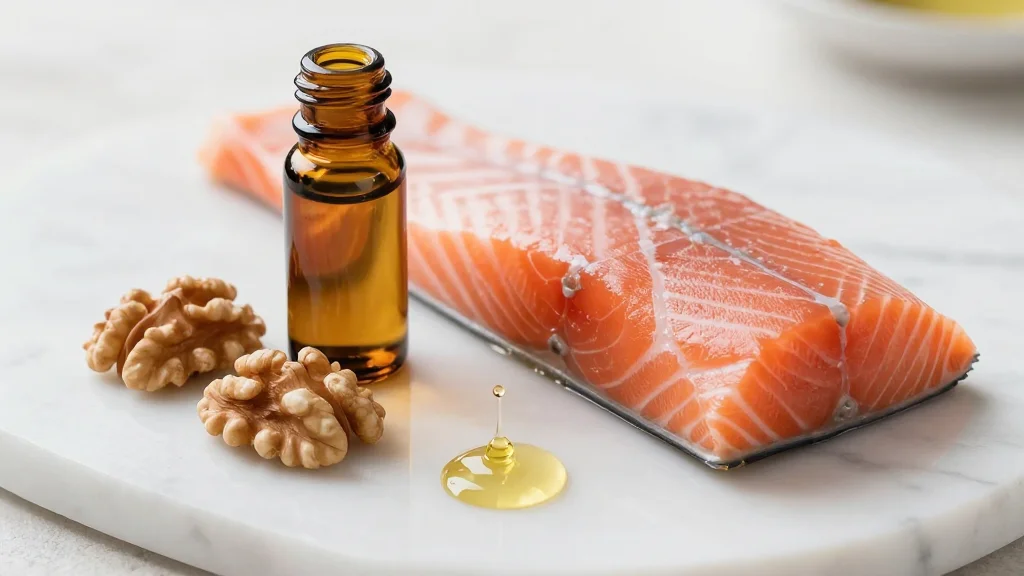
Omega-3s: Do They Help You Sleep?
Omega‑3 fatty acids—EPA, DHA, and ALA—are essential nutrients linked to brain, heart, and inflammation regulation. While DHA may boost melatonin and neuronal stability, research on sleep benefits remains mixed, with modest gains in some trials but no clear advantage for...

A Combination Treatment Is Claimed to Produce Sizable Life Extension in Aged Mice
Seragon funded a pre‑clinical trial of SRN‑901, a proprietary oral cocktail that blends urolithin A, quercetin, nicotinamide riboside, alpha‑lipoic acid and the company’s SRN‑820. In 18‑month‑old mice on a Western diet, the regimen extended median remaining lifespan by 33% and cut...
What We Might Learn From the Immune Systems of Centenarians
Recent research highlights that centenarians exhibit a distinct immune profile that defies typical immunosenescence. While most elderly experience dwindling naïve T‑cell pools and chronic inflammation, these super‑agers preserve naïve T cells, expand cytotoxic CD4⁺ and CD8⁺ subsets, and maintain tight...
XPRIZE Healthspan Names Top 100 Teams Advancing Healthy Aging
The XPRIZE Healthspan competition announced its top 100 teams, spotlighting the core innovations of the 40 Milestone 1 award‑winning entrants. These teams are pursuing a spectrum of strategies—from mitochondrial‑targeted small molecules and metformin‑rapamycin combos to AI‑driven nutrition plans, senolytic drugs, and...
Does Anyone Take ADHD Stimulant Meds (Adderall, Vyvanse)? Tips on Reducing Neurotoxicity Risk?
Recent discussions highlight that ADHD may involve more than neurotransmitter imbalance, with oxidative stress and mitochondrial dysfunction playing key roles. Stimulant medications such as amphetamines boost dopamine turnover, which can increase reactive oxygen species and strain mitochondrial energy production. Users...
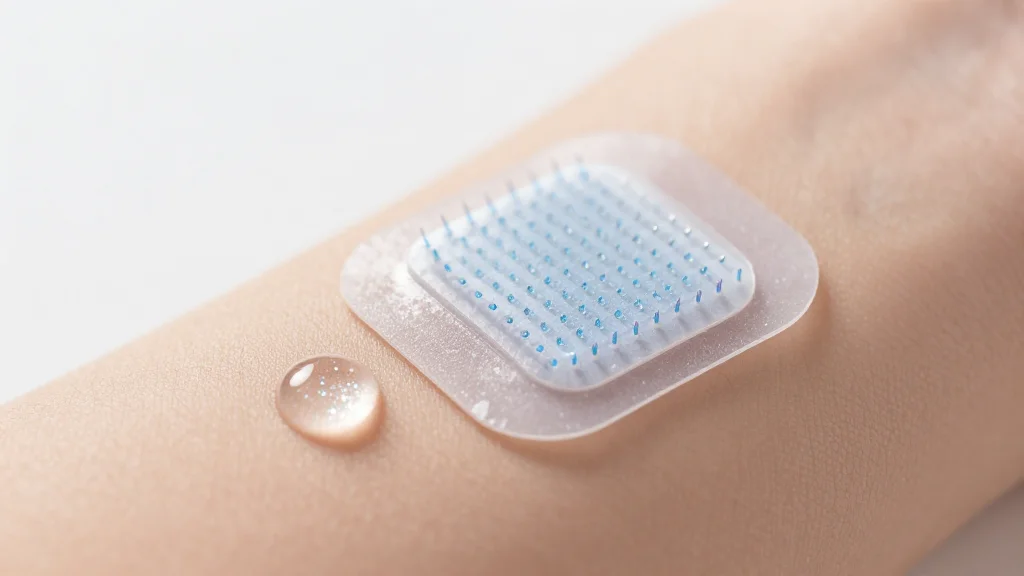
The Nanotechnology Behind Biohacking: What Works, What Is Early, and What Is Hype
Nanowerk’s new guide categorizes nano‑enabled biohacking tools into mature, emerging, and hype‑driven claims. It highlights FDA‑cleared over‑the‑counter glucose monitors and a 2026 microneedle patch that can track multiple biomarkers, while warning that many supplement and peptide claims lack solid human...