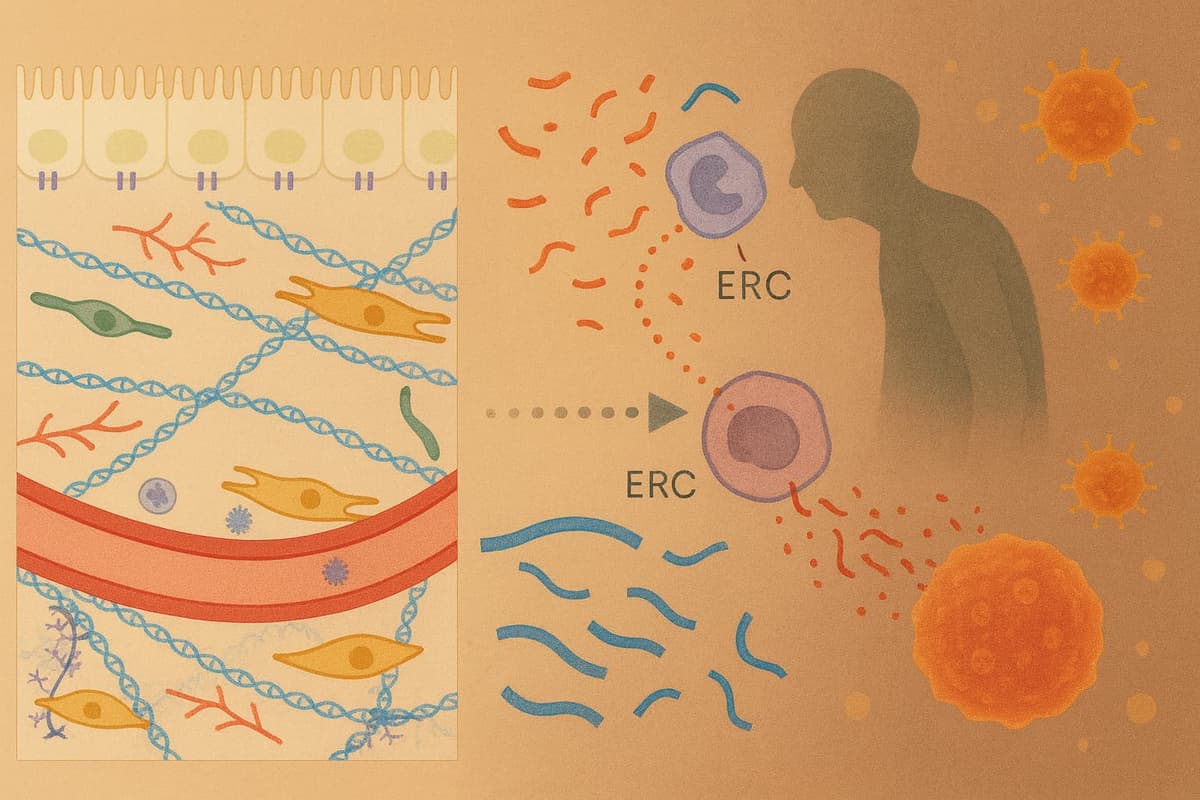
Elastin Fragments Identified as Drivers of Systemic Aging
Key Takeaways
- •MMP‑12 generates toxic elastin fragments that accelerate systemic aging.
- •Low‑dose doxycycline blocks MMP activity, preserving extracellular matrix.
- •Doxycycline also dampens mTOR signaling, acting as a gerostatic agent.
- •Combined with rapamycin, doxycycline may enhance anti‑aging efficacy while limiting side effects.
Pulse Analysis
The identification of elastin‑derived peptides as systemic aging drivers reshapes how researchers view extracellular matrix turnover. Macrophage elastase (MMP‑12) cleaves elastin into fragments that trigger inflammation and tissue stiffness, hallmarks of age‑related disease. Low‑dose doxycycline, traditionally prescribed for acne and periodontal disease, inhibits MMP‑12 and other matrix metalloproteinases, offering a pharmacologic means to preserve elastin integrity. This mechanism aligns with emerging geroscience strategies that target the structural underpinnings of aging rather than isolated symptoms.
Beyond matrix protection, doxycycline exhibits a surprising capacity to modulate the mechanistic target of rapamycin (mTOR) pathway. Pre‑clinical work in Caenorhabditis elegans and progeroid mouse models demonstrates lifespan extension, reduced senescence‑associated secretory phenotype, and restored telomere length when doxycycline is administered at sub‑antimicrobial doses. The drug appears to activate stress‑responsive transcription factor ATF4, which in turn attenuates mTORC1 activity and promotes FoxO nuclear retention. These molecular effects position doxycycline as a “gerostatic” agent—slowing the conversion of arrested cells into senescent cells—complementing the senolytic and immunomodulatory actions of rapamycin.
Clinically, the convergence of MMP inhibition and mTOR suppression makes doxycycline an attractive adjunct in anti‑aging regimens. Its long‑standing safety profile, oral availability, and low cost contrast with the expense and side‑effect concerns of newer geroprotectors. However, chronic use raises microbiome and tolerability considerations, underscoring the need for controlled trials to define optimal dosing and combination strategies. Should robust data confirm its dual mechanisms, doxycycline could become a cornerstone of precision longevity medicine, driving a new market segment focused on inexpensive, multi‑target geroprotective therapies.
Elastin Fragments Identified as Drivers of Systemic Aging
Comments
Want to join the conversation?