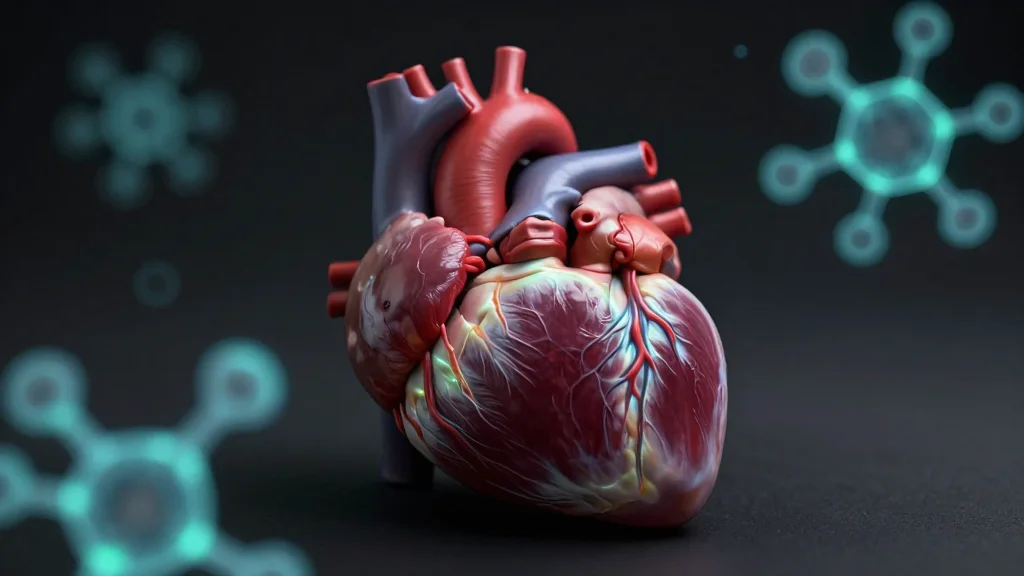
PANoptosis in the Aging of the Heart

Key Takeaways
- •PANoptosis merges pyroptosis, apoptosis, necroptosis pathways
- •PANoptosome complex drives cardiomyocyte loss and cardiac fibrosis
- •Gene editing and RNAi show promise in preclinical cardiac aging models
- •Targeting PANoptosis may complement existing senolytic therapies
- •Inflammation from PANoptosis contributes to age‑related heart dysfunction
Pulse Analysis
Cardiovascular health is a linchpin of longevity, yet the global surge in older adults is inflating the prevalence of age‑related heart disease. Traditional approaches—lifestyle modification, pharmacologic control of risk factors, and emerging senolytics—have modest impact on the structural and functional deterioration that characterizes the aging myocardium. Researchers therefore seek deeper mechanistic insights that can be leveraged for more precise interventions, and PANoptosis has entered the spotlight as a promising candidate.
PANoptosis is defined by the formation of a multi‑protein PANoptosome complex that simultaneously activates caspases, gasdermins and mixed‑lineage kinase‑like proteins, effectively blurring the lines between pyroptosis, apoptosis and necroptosis. In cardiac tissue, this convergence amplifies cardiomyocyte death, promotes extracellular matrix remodeling, and sustains a low‑grade inflammatory milieu often termed "inflammaging." Animal models demonstrate that heightened PANoptotic signaling correlates with reduced ejection fraction, increased fibrotic scar tissue, and heightened susceptibility to arrhythmias, underscoring its pathogenic relevance.
Therapeutically, the malleability of PANoptosis presents multiple entry points. CRISPR‑based gene editing can disrupt key adaptor proteins within the PANoptosome, while RNA interference silences upstream regulators that trigger the death cascade. Combination regimens that pair PANoptosis inhibitors with senolytics or anti‑fibrotic agents are showing synergistic effects in rodent studies, and novel nanoparticle carriers are improving cardiac‑specific delivery. As the field moves toward human trials, the ability to fine‑tune this death network could redefine how clinicians mitigate cardiac aging, offering a precision‑medicine pathway that aligns with the broader push toward longevity therapeutics.
PANoptosis in the Aging of the Heart
Comments
Want to join the conversation?