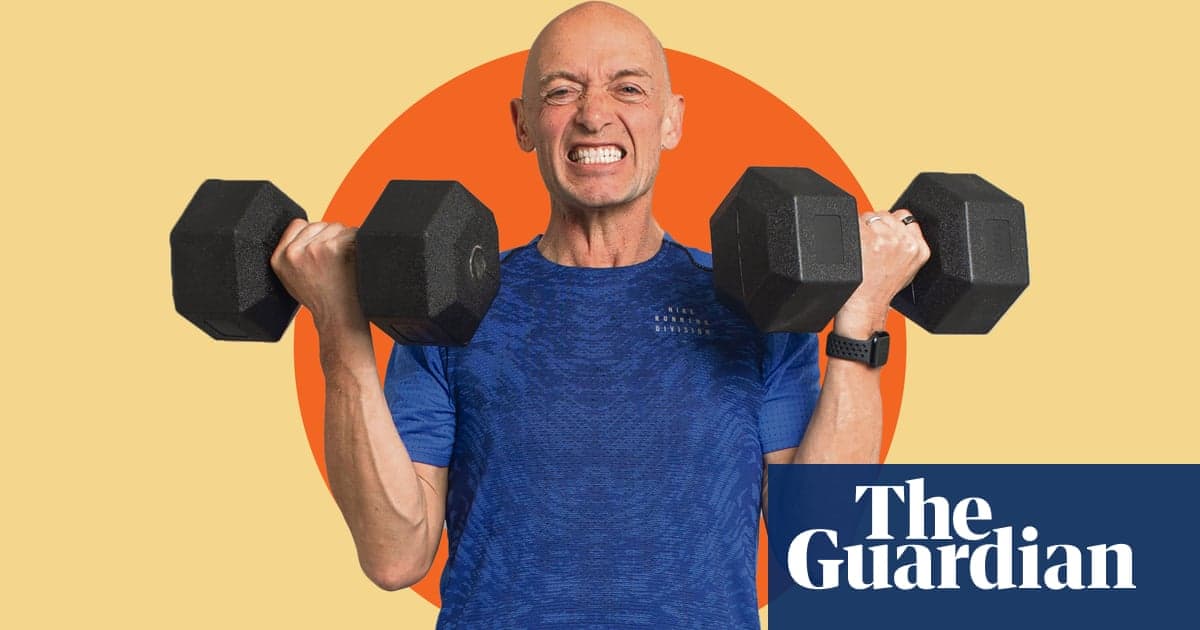
Resistance Training: The Muscle Miracle: Can I Build Enough in My 60s to Make It to 100 – Even Though I’ve Never Weight-Trained?
Key Takeaways
- •3‑4 g leucine per meal (≈30 g protein) for seniors.
- •Higher resistance‑training volume offsets hypertrophy non‑responsiveness in older adults.
- •Leucine capsules cost about $0.03 per gram—only cents per meal.
- •Metformin + galantamine Phase 1b trial targets sarcopenia and metabolic health.
- •Intermittent fasting or rapamycin cycles aim to preserve autophagy while building muscle.
Pulse Analysis
The demographic shift toward a larger senior cohort has placed sarcopenia—age‑related muscle loss—at the forefront of public‑health concerns. Contemporary guidelines now emphasize not just total protein, but the quality and timing of amino acids, especially leucine, to trigger muscle‑protein synthesis. For individuals in their 60s and beyond, consuming roughly 3‑4 g of leucine per main meal—equivalent to 30‑35 g of high‑quality protein—has been shown to counteract anabolic resistance, a physiological slowdown that hampers muscle growth in older bodies. This approach is both evidence‑based and affordable; bulk leucine powder or capsules cost roughly three cents per gram, translating to a few pennies per meal.
Beyond nutrient timing, training methodology matters. Recent trials indicate that increasing the volume of resistance exercises—more sets or repetitions at moderate loads—can mitigate the so‑called “non‑responder” phenomenon, where some older adults fail to gain muscle despite training. Lighter weights performed for 20‑30 reps, or 12‑15 reps for time‑efficiency, provide sufficient mechanical stimulus without overloading joints, thereby supporting strength maintenance and reducing injury risk. Simultaneously, researchers are probing the interplay between mTOR activation (driven by resistance work and leucine) and autophagy, the cellular cleanup process essential for longevity. Some evidence suggests that strategic periods of reduced protein intake or intermittent fasting can reactivate autophagy without compromising overall muscle gains.
Pharmacological adjuncts are entering the conversation as well. Early‑phase trials of a metformin‑plus‑galantamine regimen aim to harness metformin’s metabolic benefits alongside galantamine’s neuroprotective properties, potentially offering a dual pathway to preserve muscle mass and improve insulin sensitivity. Likewise, low‑dose rapamycin cycles are being explored to modestly inhibit mTOR intermittently, promoting autophagy while allowing anabolic windows on training days. For practitioners and older adults alike, the emerging consensus is a balanced protocol: consistent, volume‑oriented resistance training; leucine‑rich protein meals timed around workouts; occasional fasting or rapamycin intervals; and, where appropriate, medically supervised drug combos. This integrated strategy promises not only stronger bodies but also a healthier, more independent lifespan.
Resistance Training: The muscle miracle: can I build enough in my 60s to make it to 100 – even though I’ve never weight-trained?
Comments
Want to join the conversation?