
Phosphatidylcholine Synthesis Declines with Age to Contribute to Mitochondrial Dysfunction
Researchers identified a conserved age‑related decline in phosphatidylcholine (PC) synthesis as a key driver of mitochondrial dysfunction. Using C. elegans, human transcriptomic and metabolomic data, they showed that reduced activity of SAMS‑1 and PEMT enzymes leads to mitochondrial fragmentation and lower respiration. Supplementation with choline or PC rescued these defects in worms, cell cultures, and aged tissues. Human GTEx and UK Biobank analyses confirmed PC and PEMT levels drop with age, particularly in post‑menopausal women.

The Molecule Your Doctor Will Never Prescribe — That Does the Same Thing as Metformin (Without the Side Effects)
The article spotlights berberine, a plant‑derived alkaloid that mirrors metformin’s glucose‑lowering effects without its gastrointestinal side effects. It explains how berberine activates AMPK, improves insulin sensitivity, and reduces inflammation, making it attractive to biohackers and patients seeking natural alternatives. The...
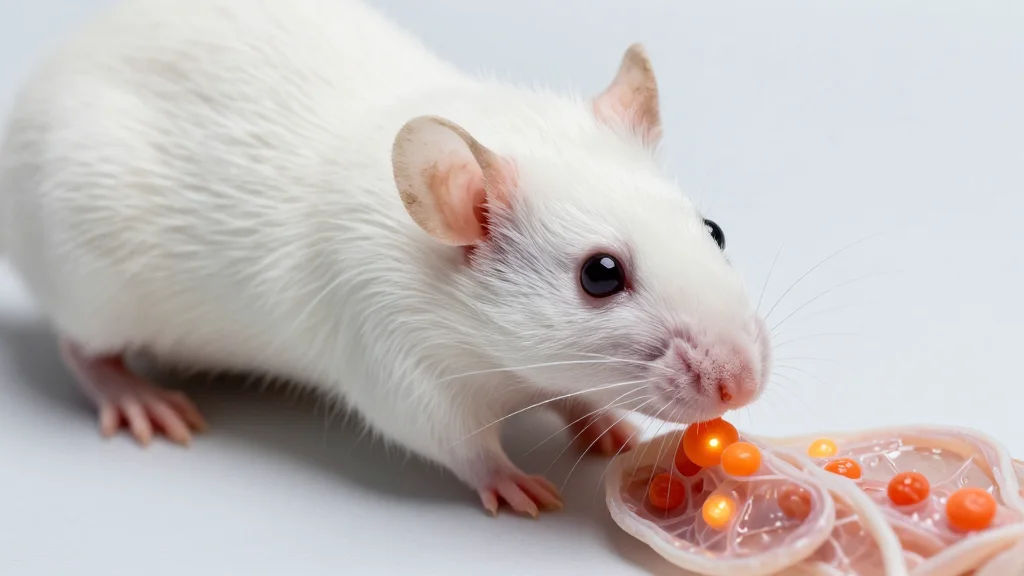
Reduced Ghrelin Receptor Activity Improves Mitochondrial Function and Muscle Function in Aged Mice
Researchers demonstrated that reducing activity of the ghrelin receptor (GHSR‑1a) improves muscle endurance and mitochondrial function in aged mice. Both genetic knockout and the inverse‑agonist PF‑5190457 increased markers of mitochondrial biogenesis and mitophagy, enhancing fatigue resistance. The interventions did not...

Arguing for an Emphasis on Comparative Organelle Biology
Researchers argue that aging studies should shift from a gene‑by‑gene focus to holistic comparisons of organelle structures across species. While genome‑centric approaches have identified hallmarks of aging, they often fail to explain why interventions that extend lifespan in short‑lived models...

FOXO4-DRI Is Fascinating, but Was Never Intended for Human Use, What Are the Takeaways?
FOXO4‑DRI is an experimental senolytic peptide that selectively eliminates senescent cells by disrupting the FOXO4‑p53 interaction, prompting p53‑mediated apoptosis. Pre‑clinical studies across vascular, reproductive, musculoskeletal and renal models report improved endothelial function, restored testosterone production, chondrocyte rejuvenation, and reduced frailty....
Peptides / Bioregulators
A new study examined 6,441 gray‑market peptide samples covering 14 compounds, measuring purity, dose accuracy, and endotoxin levels. Between 41.6% and 71.1% of the products failed basic pharmaceutical standards, and 2.4% contained no active peptide at all. Endotoxin contamination appeared...
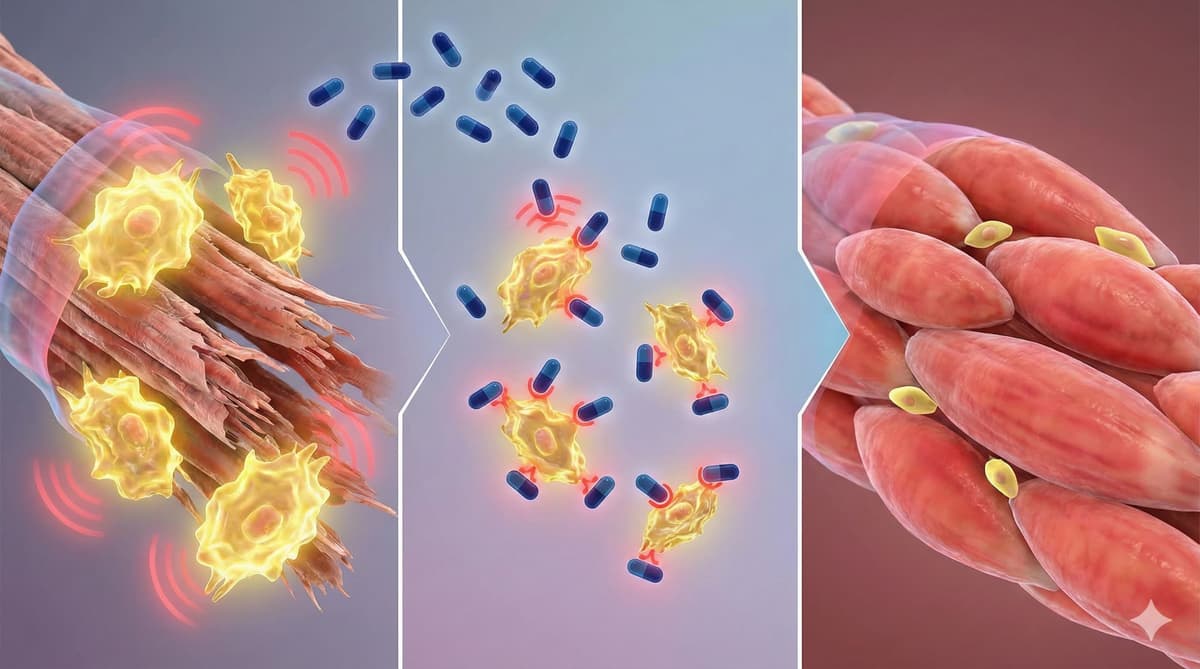
HIV Drug (Maraviroc) Reverses Muscle Aging by Purging “Zombie Cell” Signals
Researchers are exploring the HIV CCR5 antagonist maraviroc as a senomorphic agent that could blunt muscle aging by dampening chronic SASP signaling. Modeling suggests a 75 mg once‑daily dose achieves high CCR5 occupancy, but human data on sarcopenia are absent. The...

Naked Mole-Rats Exhibit Little Change in Gut Microbiome Composition with Age
Researchers examined the gut microbiome of naked mole‑rats across more than three decades and found minimal age‑related changes, in stark contrast to the pronounced shifts observed in mice. Only the archaeon Methanomassiliicoccus intestinalis increased with age, while breeding queens displayed...

I Read Every Electrolyte Study. The Industry Is Lying.
Recent scientific reviews show electrolyte supplements, largely sodium, provide no performance advantage for the average consumer and may increase cardiovascular risk. Typical diets already deliver 3–5 g of sodium daily, exceeding most health guidelines, so added supplement packets can push intake...

Broken at the Biochemical Level: The B Vitamin Series - Part 1
The opening post of the "B Vitamin Series" frames B‑vitamins as foundational metabolic regulators rather than optional nutrients. It argues that adequate B‑vitamins are essential for energy generation, nerve transmission, cardiovascular health, and cellular repair. When levels dip, the body...

How to Add 7.5 Years to Your Life (Without Drugs or Surgery)
A Yale study led by Dr. Becca Levy tracked 660 adults over 23 years and found that people who hold optimistic views about aging live about 7.5 years longer than pessimists, outpacing benefits from lower blood pressure or cholesterol. The...

Targeting Senescent Cells as a Treatment for Chronic Obstructive Pulmonary Disease
Researchers have introduced BCLXL-PROTAC, a proteolysis‑targeting chimera that degrades the anti‑apoptotic protein BCLXL in senescent lung cells. In primary small‑airway epithelial cells and fibroblasts from COPD patients, the compound induced caspase‑3‑mediated apoptosis and lowered classic senescence markers such as p21,...

Senescent Macrophages Are Important in Liver Aging and Liver Disease
Researchers identified a distinct p21‑positive, TREM2‑positive senescent macrophage population that accumulates in aging and fatty livers. These cells drive chronic inflammation through a senescence‑associated secretory phenotype linked to type I interferon signaling. In mouse models, senolytic agents that selectively eliminate these...

How Personalizing Nutrition Can Manage Inflammatory Bowel Disease
Inflammatory bowel disease (IBD) affects roughly 2.4‑3.1 million Americans and costs the U.S. economy about $50 billion each year. New research highlights that the typical Western diet—rich in refined sugars, vegetable oils, and ultra‑processed foods—disrupts the gut microbiome, increases intestinal permeability, and...
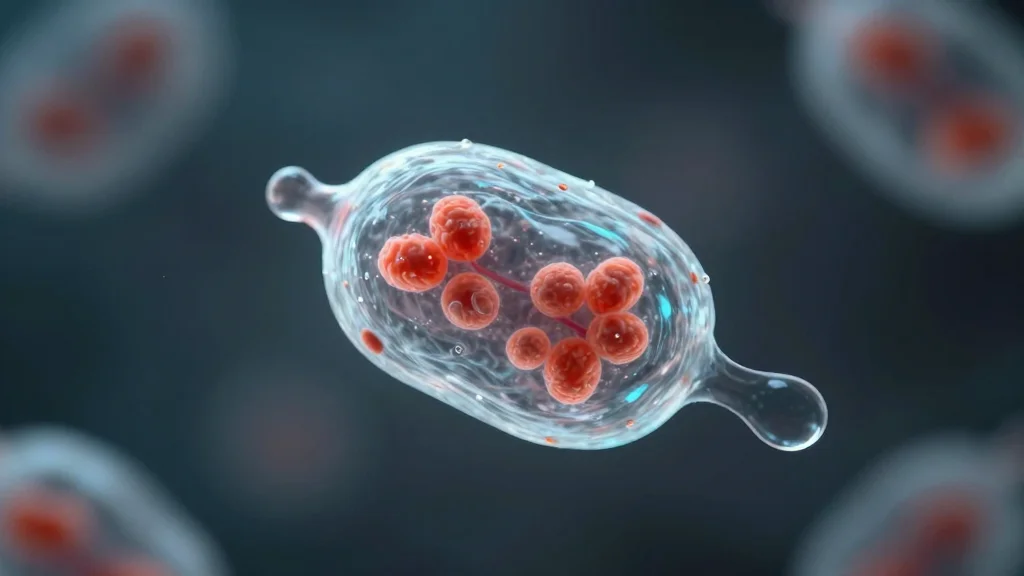
Evidence for MLKL to Be Important in Hematopoietic Stem Cell Aging
Researchers have identified the RIPK3‑MLKL signaling axis as a central driver of hematopoietic stem cell (HSC) aging. Activated MLKL accumulates in HSC mitochondria, impairing self‑renewal and lymphoid differentiation without causing necroptotic cell death. The study links multiple stress responses—such as...
Ivermectin: The New Wonder Drug?
A new consortium paper from Texas institutions challenges the long‑standing hygiene hypothesis that helminths are essential for immune maturation. The authors show that common roundworms and Toxocara remain prevalent in low‑income U.S. communities and are linked to worse asthma and...

Wellness Influencer Nonsense: No, Nicotine Does Not Boost Cognition and Productivity, but It Can Damage Your Health
Wellness influencers are promoting nicotine patches and pouches as cognitive enhancers, productivity boosters, and weight‑loss aids. Scientific reviews show only modest improvements in attention or fine motor skills for some users, while many studies find neutral or negative effects in...

10 Tiny Habits With the Biggest Compound Effect
An article outlines ten micro‑habits that, when practiced daily, generate a powerful compound effect on personal and professional performance. The habits span reading, daily reviews, regular movement, deep work, expense tracking, morning hydration, weekly mentorship, pre‑sleep meditation, systematic saving, and...

Birdwatching to Stretch the Brain
Recent neurological research shows that activities requiring detailed visual identification—like birdwatching—can counteract age‑related brain shrinkage. By repeatedly distinguishing flora and fauna, participants build stronger neural pathways and increase cognitive reserve, a buffer against dementia. Brain scans of avid birdwatchers reveal...

Your Body Has a Built-In Blood Sugar Sponge. It's in Your Calf.
A recent series of studies highlights the calf’s soleus muscle as a natural glucose sink. The muscle’s 88% slow‑twitch fiber composition lets it pull glucose from the bloodstream even while seated, and a 2022 lab trial showed a 39‑52% reduction...

HIV Medication Reverses Epigenetic Aging Markers in First Human Proof-of-Concept Trial
A proof‑of‑concept trial found that the HIV pre‑exposure drug FTC/TAF (Descovy) significantly reduced several epigenetic aging clocks in healthy adults, with declines of up to 3.4 years in heart, brain and metabolic markers. The molecular data showed an improved immune...

GLP-1s and Muscle Loss: April '26 AMA
The April ’26 AMA from Two Percent tackles the hot question of whether GLP‑1 receptor agonists cause muscle loss. It highlights a pioneering Cell Reports Medicine study that found GLP‑1s do not automatically trigger lean‑mass decline and may even support...

Train Hard, Recover Harder
Athletes pushing harder risk overtraining when nutrition and recovery lag behind. The article outlines five evidence‑based nutrition tactics—protein intake, complex carbs, proper hydration, healthy fats, and strategic timing—to close the recovery gap. It stresses that these dietary levers must work...
Cayenne Pepper: The Most Powerful Natural Agent for Blood Flow and Circulatory Health
Cayenne pepper, long used in traditional medicine, is highlighted as a potent natural agent for improving blood flow and circulatory health. The blog attributes its effects to capsaicin‑induced vasodilation and nitric‑oxide release, which can enhance tissue perfusion. It argues that...
I Test for 50+ Cancers Every Year. Here's What's Actually Worth It.
Multi‑Cancer Early Detection (MCED) blood tests now screen for 50+ cancers in a single annual draw, promising earlier diagnosis than traditional organ‑specific screens. The FDA‑cleared Galleri test leads the market, showing about 70% sensitivity for early‑stage disease but also a...

There Is No Safe Gamble with High LDL Cholesterol
The article challenges the claim from the documentary *The Cholesterol Code* that “lean‑mass hyper‑responders” (LMHRs) on low‑carbohydrate, high‑fat diets can sustain extremely high LDL‑C without added atherosclerotic risk. It explains that LDL‑C is a proxy for apoB particle number, the...
What If Fourteen Risk Factors Explained Nearly Half of All Dementia, and You Could Change Every One?
A 2024 international commission report found that 45% of global dementia cases are linked to 14 modifiable risk factors, up from 40% in the 2020 review. The updated list adds high LDL cholesterol and untreated vision loss and emphasizes that...
Sleepless Nights Linked to Comfort Eating and Overeating
A large UK study of 27,263 adults found that poor sleep quality and short sleep duration dramatically increase emotional eating, overeating, and cravings for calorie‑dense foods. Participants who slept less than seven hours had 24% higher odds of overeating and...

Carefully Guided FGF8 Expression via Gene Therapy Enhances Digit Tip Regrowth in Mice
Researchers used a zebrafish-derived tissue‑regeneration enhancer to deliver fibroblast growth factor 8 (FGF8) via adeno‑associated virus, achieving focused up‑regulation of the gene in mouse digit tips. The therapy partially rescued regeneration in mice lacking SP6/SP8 transcription factors and accelerated tip...

Dasatinib and Quercetin Outperform Navitoclax in a Mouse Model of Intervertebral Disc Degeneration
Researchers compared two senolytic strategies in a mouse model of intervertebral disc degeneration, finding that the dasatinib‑quercetin (DQ) cocktail outperformed navitoclax. In SM/J mice, DQ lowered degeneration grades, reduced senescence markers such as p19ARF, p21, and SASP, and preserved nucleus...

Your North Star
The article proposes a holistic "North Star" health framework that defines true health as the ability to meet physical and cognitive demands with abundant energy, mental clarity, low anxiety, high libido, and pain‑free movement. It argues that traditional proxy markers—weight,...
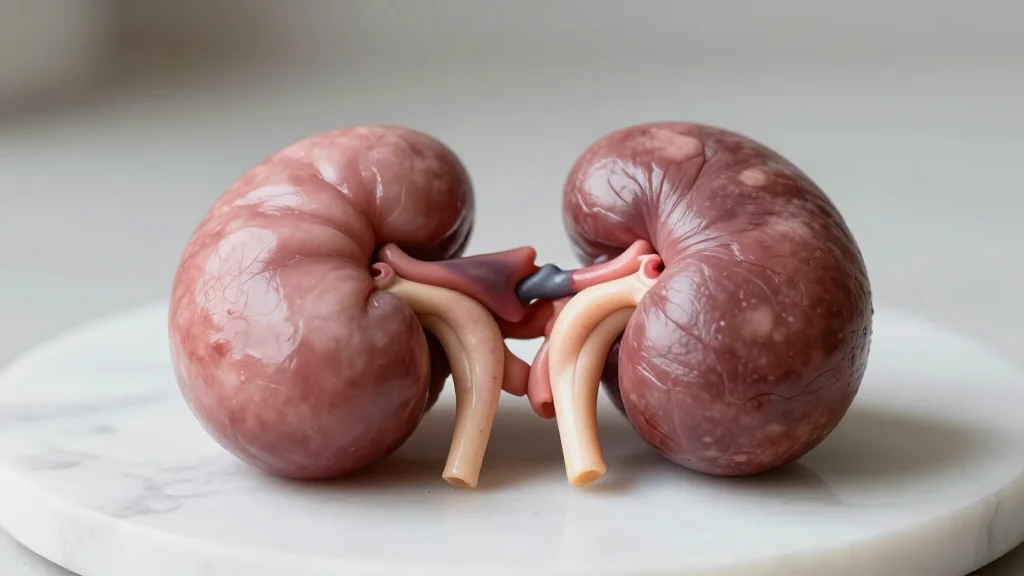
Is Chronic Kidney Disease Accelerated Kidney Aging?
Chronic kidney disease (CKD) shares many structural and functional changes with normal kidney aging, but the decline in estimated glomerular filtration rate (eGFR) occurs at a markedly accelerated pace. Recent open‑access research highlights cellular senescence as a core driver of...

The Field of Dermatology Is Undergoing a Transformation
Dermatology is shifting from purely cosmetic, marketing‑driven procedures to science‑based longevity treatments that target the underlying mechanisms of skin aging. New therapies that clear senescent cells, modulate epigenetic clocks, and employ partial cellular reprogramming are delivering measurable improvements in barrier...

In Whales, a Long Life Absent Cancer Results From Superior DNA Repair Mechanisms
Researchers have identified that bowhead whales, which can live over 200 years, exhibit an unusually robust DNA repair system that underpins their low cancer incidence. Unlike elephants, which rely on multiple TP53 copies, whales appear to use alternative genome‑maintenance pathways...

Metabolic Acidosis May Be an Important Contributing Cause of Age-Related Frailty
A new open‑access study highlights metabolic acidosis—specifically low serum bicarbonate—as a potentially overlooked driver of age‑related frailty. Epidemiologic data link bicarbonate levels below 25 mEq/L to slower gait, reduced muscle strength, and higher mortality, even in seniors with normal kidney function....

What Breathing Can Teach Us About Handling Pressure in Sports (And Why Breathwork Is Key)
Elite athletes are turning breathwork into a performance advantage, with Rory McIlroy publicly crediting nasal breathing for staying calm during The Masters. The Oxygen Advantage® method teaches controlled, CO₂‑tolerant breathing that boosts oxygen delivery, vagal tone, and stress resilience. Major...

The Forgotten Guardian: Is This "Childhood" Organ the Key to Longevity?
A new study in *Nature* used AI to examine 25,000 heart and lung scans and found that adults with a healthier‑appearing thymus enjoy significantly longer lives, with up to a 50% reduction in overall mortality and a 63% lower risk...

Connecting Gompertz Law Parameters with Specific Outcomes in the Treatment of Aging
Researchers used large‑scale Caenorhabditis elegans experiments to re‑interpret the two parameters of the Gompertz mortality equation. They found that reductions in the β parameter correspond to an expanded period of late‑life frailty, while declines in α reflect genuine health‑span extension...
Benzodiazepine Withdrawal Is Mitochondrial Dysfunction
Benzodiazepines, widely prescribed for anxiety and insomnia, act as whole‑body drugs that target mitochondrial receptors, not just brain GABA pathways. Both chronic use and abrupt cessation can trigger mitochondrial dysfunction, linking the drugs to a roughly 60% increase in mortality...

How to Use Breathing to Control Your Emotions (The Neuroscience of Interoception)
The post explains how breathing and other bodily signals shape emotional experience through interoception. It cites classic experiments—such as the bridge study—and pharmacological evidence showing that heart‑rate changes alter perception of fear and attraction. Practical advice emphasizes using deliberate breath...
I Wear a Continuous Glucose Monitor. Here's What MOTS-C Did to My Numbers.
The author, a biohacker who monitors glucose continuously, reports that weekly injections of the mitochondrial peptide MOTS‑c consistently drop post‑meal blood sugar by about 20 mg/dL compared with baseline. The effect appears reproducible across multiple CGM recordings while keeping food intake...

The Gut Microbe in INDY Related Longevity in Flies
Researchers investigated how the longevity‑associated Indy gene influences the gut microbiome in Drosophila. Indy heterozygous flies displayed lower bacterial load and greater microbial diversity as they aged, while still achieving lifespan extension even in germ‑free conditions. The study linked Indy...

Things I Looked Into While Trying to Fix Chronic Pain
A chronic‑pain sufferer with Hashimoto’s and psoriatic arthritis created a self‑curated guide of over 50 interventions, ranging from low‑dose naltrexone (LDN) to supplements, sauna and creatine. Frustrated by conventional clinicians who dismissed his symptoms, he graded each option by evidence...
Prostate Cancer - I’m Asking for some Specific Advice/Thoughts to Determine My Physical (Cell-Level Age) versus Chronological Age
The large TRAVERSE trial of about 5,200 hypogonadal men found no increase in prostate‑cancer incidence with testosterone replacement therapy—12 cases on treatment versus 11 on placebo—though the study’s 33‑month follow‑up and 60% dropout limit statistical power. Mechanistically, androgen‑receptor saturation occurs...
Peptides / Bioregulators
The invite‑only California Peptide Club convened over 100 tech‑savvy attendees in San Francisco to discuss self‑optimization peptides, a trend now outpacing even pickleball in Google searches. Participants, ranging from clinicians to DIY biohackers, shared personal stacks and demonstrated injection techniques...
Melatonin — the Missing Link Between Sleep Deprivation and Immune Dysregulation
A 2025 narrative review of 50 studies found that sleep deprivation consistently suppresses melatonin, which in turn elevates pro‑inflammatory cytokines, oxidative stress, and impairs natural‑killer and lymphocyte activity. The hormonal drop also triggers cortisol spikes, gut‑barrier damage, and microbiome disruption,...

Dr. Kaeberlein's Optispan Podcast Series - Rapamycin and More
The Optispan podcast hosted by Dr. Kaeberlein outlines a translational protocol for 3‑hydroxyanthranilic acid (3HAA), a mouse‑tested longevity molecule. Using FDA BSA scaling, the human equivalent dose (HED) is calculated at roughly 1.1 g per day for a 70‑kg adult. Safety...
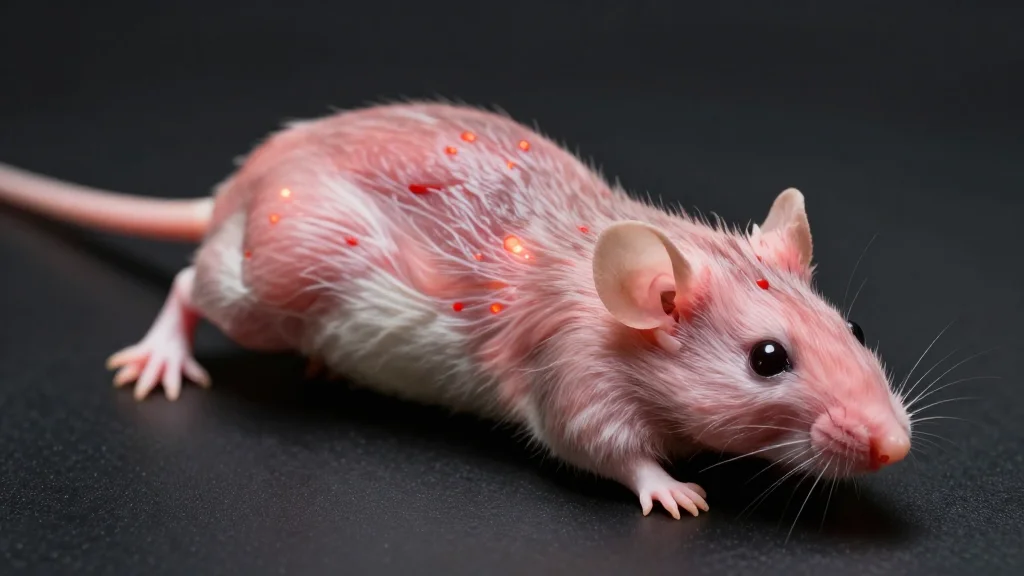
ATF5 as a Point of Tradeoff in Muscle Mass versus Muscle Quality
Researchers discovered that deleting the transcription factor ATF5 in mice prevents the typical age‑related loss of skeletal muscle mass, but this comes at the cost of reduced muscle quality and endurance. ATF5‑deficient mice showed lower activation of mitochondrial quality‑control proteins,...
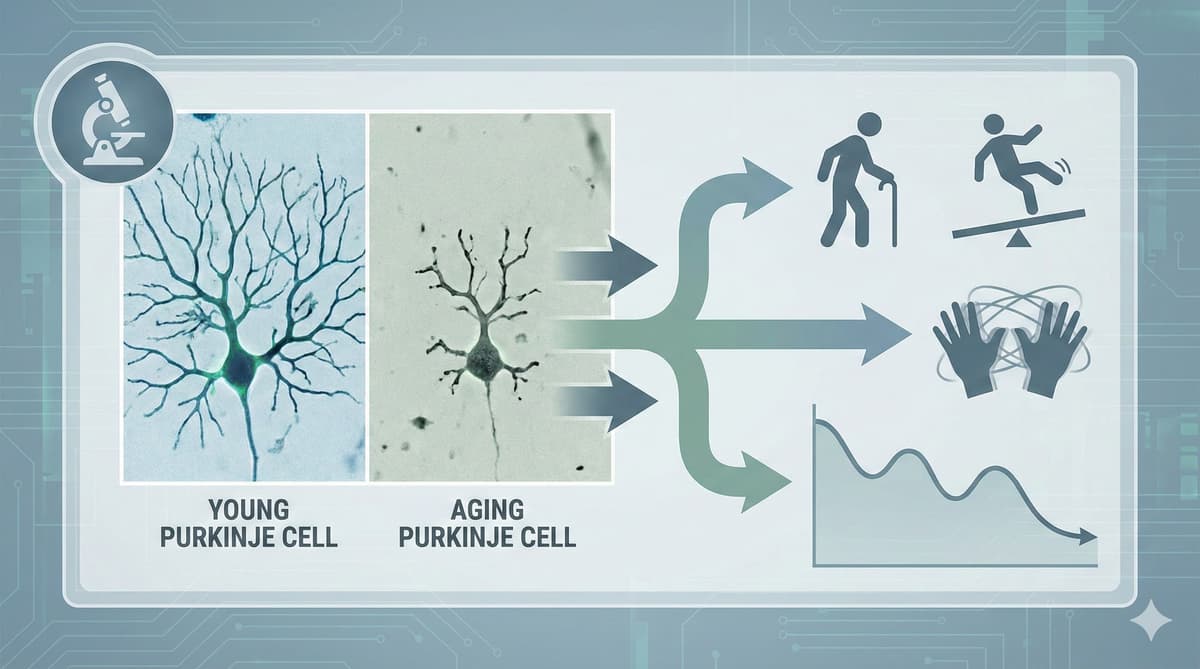
Why Do Falls Rise with Age? Cerebellar Neuron Firing Problems (and Potential Therapeutics)
A new McGill University study published in PNAS shows that age‑related motor decline is not due to loss of cerebellar Purkinje neurons but to a drop in their intrinsic firing frequency. The researchers demonstrated that suppressing Purkinje firing in young...
Dasatinib and Quercetin as Senolytic May Cause Brain Damage
A March 2026 PNAS study shows that the senolytic combo dasatinib and quercetin (D+Q) triggers demyelination in the corpus callosum of aged mice. The researchers used intermittent oral doses of 5 mg/kg dasatinib and 50 mg/kg quercetin, identical to regimens linked to...