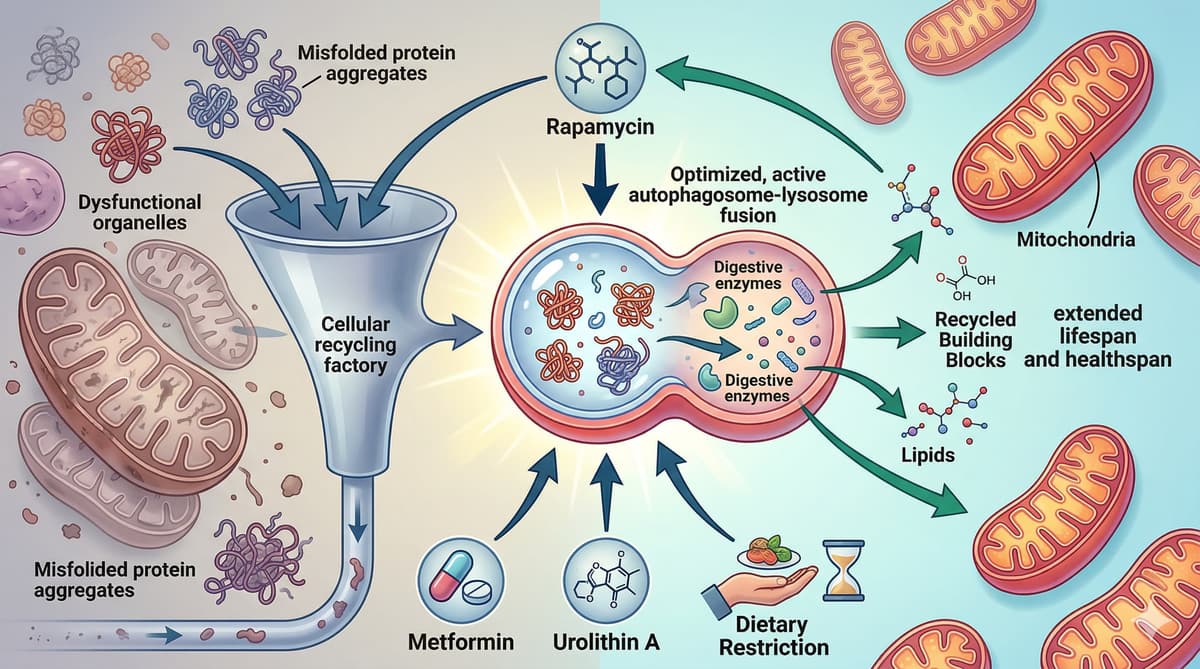
The Cellular Incinerator: How Interventions Like Rapamycin Hijack Autophagy to Hack Aging
A recent review by Ebata and Hansen (2026) synthesizes evidence that dietary restriction, intermittent fasting, spermidine‑rich foods, exercise, sleep hygiene, and hormetic temperature stress all stimulate autophagy—a cellular recycling process linked to longer healthspan. In model organisms, these interventions require core autophagy genes to extend lifespan, while human data remain largely correlative due to measurement challenges. The authors advise balanced, moderate approaches—such as 30% calorie reduction, time‑restricted feeding, regular endurance and resistance workouts, consistent sleep, and safe sauna or cold‑exposure sessions—to harness autophagy without over‑stress. Combining multiple strategies may produce synergistic benefits, though personalized protocols are needed.
Industry-Funded Study of the Week: Taurine Supplements
Nestlé’s research unit conducted a double‑blind, crossover trial with 44 healthy adults aged 25‑40, testing a blend of taurine and vitamins B6, B9, and B12. After 14 days of daily supplementation, participants reported significant gains in motivation, attention, mental energy...

An Attempt to Obtain Data on Longevity Effects of Human Psilocybin Use
A small observational analysis compared the longevity of documented psilocybin users—referred to as psychedelic personalities—with cancer and aging researchers. The study identified 11 psychedelic users, 12 cancer researchers and 5 aging researchers who died between 2010 and 2025, excluding deaths...
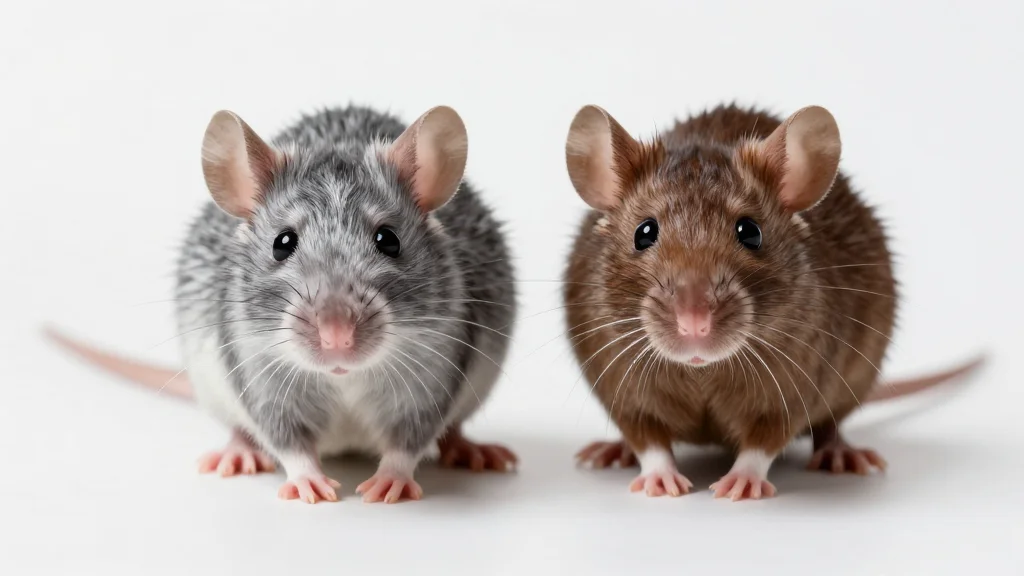
Reviewing What Is Known of Sex Differences in Response to Established Longevity Interventions
Recent research highlights that male and female mammals, especially mice, respond differently to interventions that aim to slow aging. While women outlive men in most populations, they also endure more disease, a pattern echoed in laboratory rodents where sex‑specific outcomes...

#387 – AMA #83: Peptides—Evaluating the Science, Safety, and Hype in a Rapidly Growing Field
Peter’s AMA on gray‑market peptides demystifies a fast‑growing, often misunderstood segment of the wellness industry. He introduces a four‑point framework—mechanism, evidence, safety, and regulatory status—to assess any peptide claim. The episode walks through real‑world case studies such as SS‑31, melanotan‑II,...

The Geriatric Protein Paradox: Malnutrition Scales Linearly Into the Extreme Limits of Human Lifespan
A large survey of 1,497 Chinese adults aged 80 to over 110 found a linear increase in clinical malnutrition as age advances, with the steepest deficits observed in centenarians. Using the Geriatric Nutritional Risk Index, researchers showed each additional year...
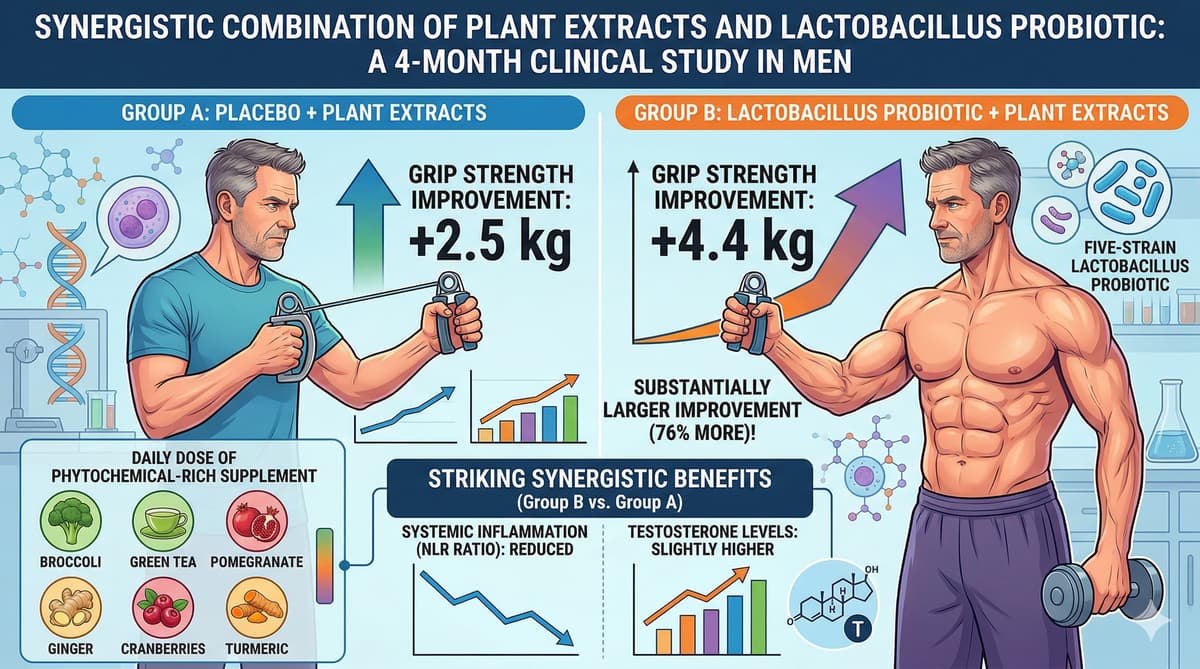
Gut Microbes and Plant Extracts: A Synergistic Formula for Reclaiming Muscle Power?
The article reviews a supplement protocol that pairs polyphenol‑rich plant extracts—curcumin, pomegranate, green tea, broccoli, cranberry and ginger—with a five‑strain Lactobacillus probiotic, inulin and vitamin D, taken as two capsules daily. Pharmacokinetic data show that unformulated curcumin and EGCG have very...
Diet and Death in the Chinese Elderly: Plant-Based and Meat-Heavy Patterns Show Divergent Sex-Specific Mortality Risks
A new epidemiological study of Chinese adults with a mean age over 85 reveals stark sex‑specific mortality patterns linked to diet. Elderly men who consume a meat‑heavy, animal‑protein‑rich “Carnivorous” pattern experience significantly lower death rates, while women on a sugar‑laden...

Peakspan Explained: The New Way to Measure Your Health and Longevity
A new research paper in Aging and Disease introduces "Peakspan," a metric that measures how long individuals stay within 90% of their personal peak physical and mental performance rather than merely tracking disease absence. The study shows most people begin...
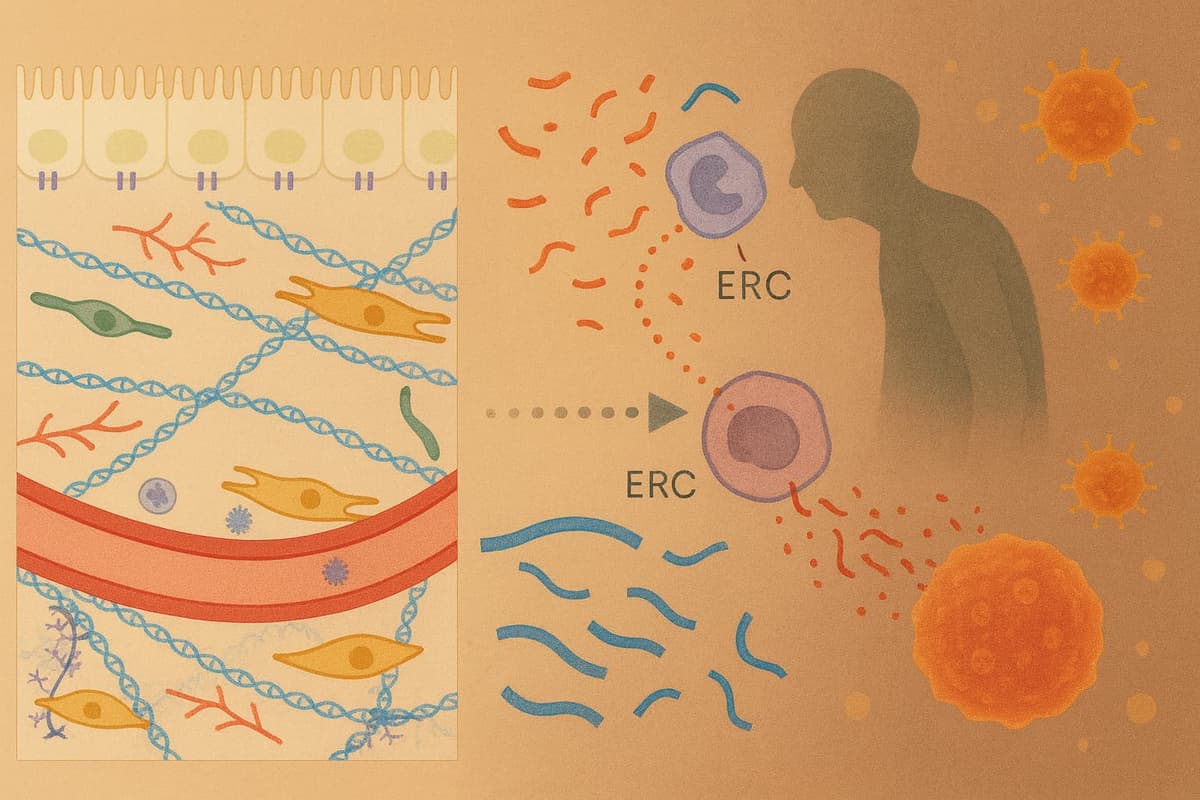
Elastin Fragments Identified as Drivers of Systemic Aging
Recent research identifies macrophage elastase (MMP‑12) as a key enzyme that creates toxic elastin fragments, driving systemic aging. Low‑dose doxycycline, a known matrix metalloproteinase inhibitor, can prevent elastin degradation and has been used off‑label for periodontal disease and aneurysm management....
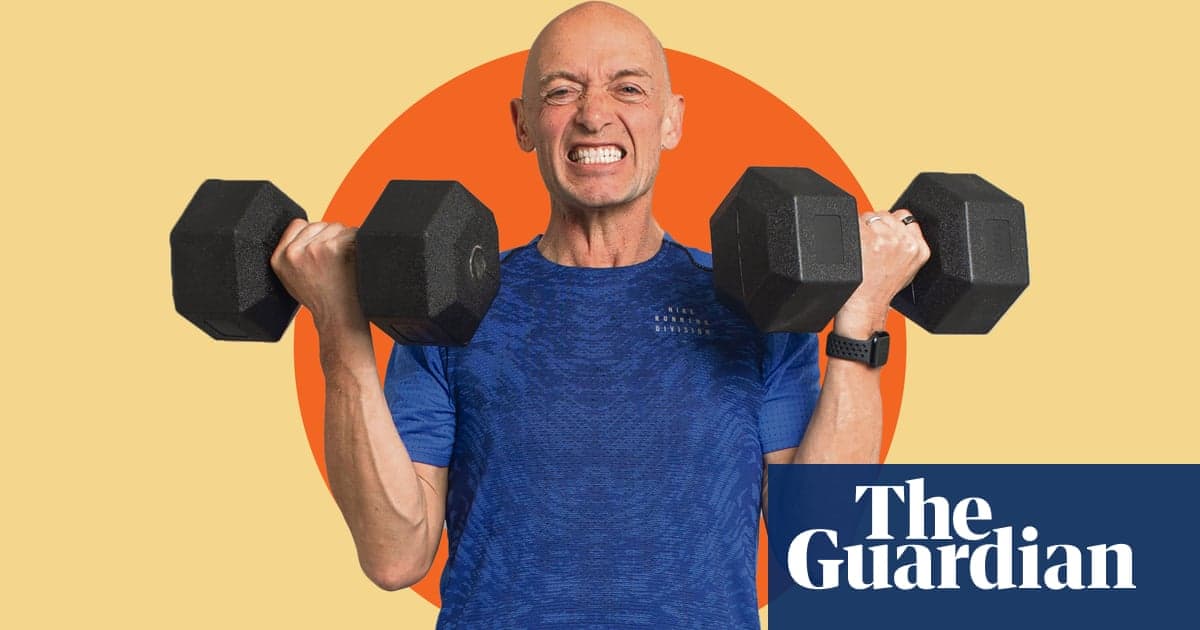
Resistance Training: The Muscle Miracle: Can I Build Enough in My 60s to Make It to 100 – Even Though...
A growing body of research shows that seniors can substantially preserve or even increase muscle mass through targeted resistance training combined with adequate leucine‑rich protein intake. Guidelines recommend 3‑4 g of leucine (about 30 g of protein) per main meal for people...
Research Worth Sharing, April 2026 Edition
The April 2026 edition of “Research Worth Sharing” spotlights four breakthrough studies: paternal endurance exercise boosts offspring VO₂ max via sperm‑borne microRNAs; SARS‑CoV‑2 mRNA vaccination within 100 days of immune‑checkpoint inhibitor therapy cuts mortality in NSCLC and melanoma, especially in immunologically cold tumors;...
Imeglimin. A New and Novel Drug Thats Better than Metformin
Imeglimin, a novel oral antidiabetic approved in Japan and the EU, improves mitochondrial bioenergetics and reduces HbA1c more effectively than metformin. Its renal excretion bypasses the CYP3A4 pathway, eliminating pharmacokinetic conflicts with rapamycin, an mTOR inhibitor used in longevity protocols....
Amount of Central Fat Predicts Mortality Risk in Non-Obese Individuals
The transcript presents evidence‑based dietary protocols that can dramatically lower visceral and hepatic fat without major weight loss. Clinical trials such as DIRECT‑PLUS, DiRECT and RS2 studies demonstrate that polyphenol‑rich foods, higher protein intake, unsaturated fats and resistant starch can...
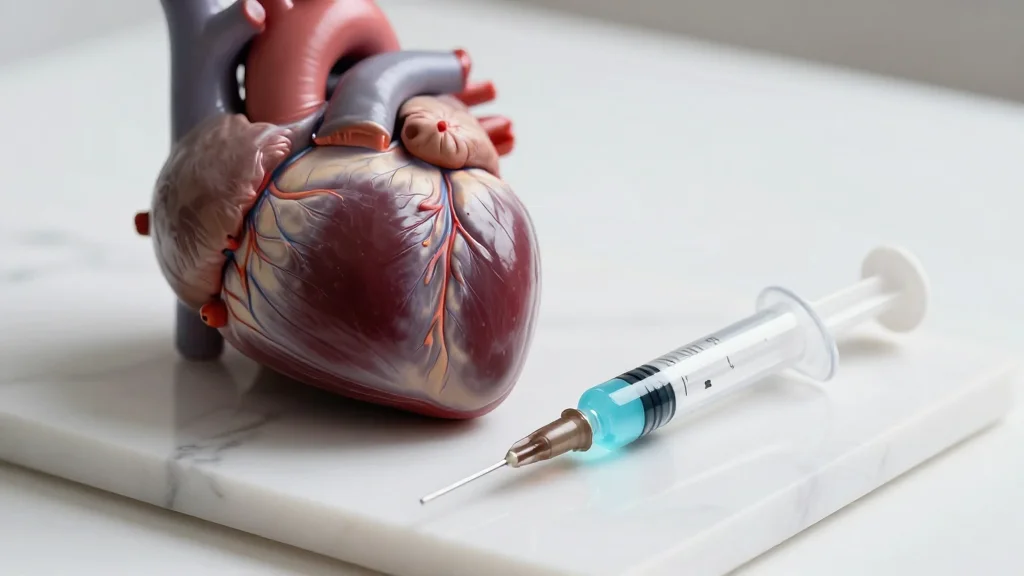
Influenza Vaccination Reduces Cardiovascular Risk Following Infection
A new Danish register‑based self‑controlled case series spanning 2014‑2025 shows that influenza infection triggers a sharp, short‑lived surge in acute myocardial infarction and stroke, especially within the first three days. Prior influenza vaccination cuts the excess cardiovascular risk dramatically, with...

Why You Feel Tired All Day Even After Sleeping
Many readers report waking after 7‑8 hours of sleep yet feeling sluggish, foggy, and low‑energy throughout the day. The post explains that factors beyond sleep duration—such as irregular sleep timing, underlying sleep disorders, diet, and lifestyle habits—can undermine restorative rest....
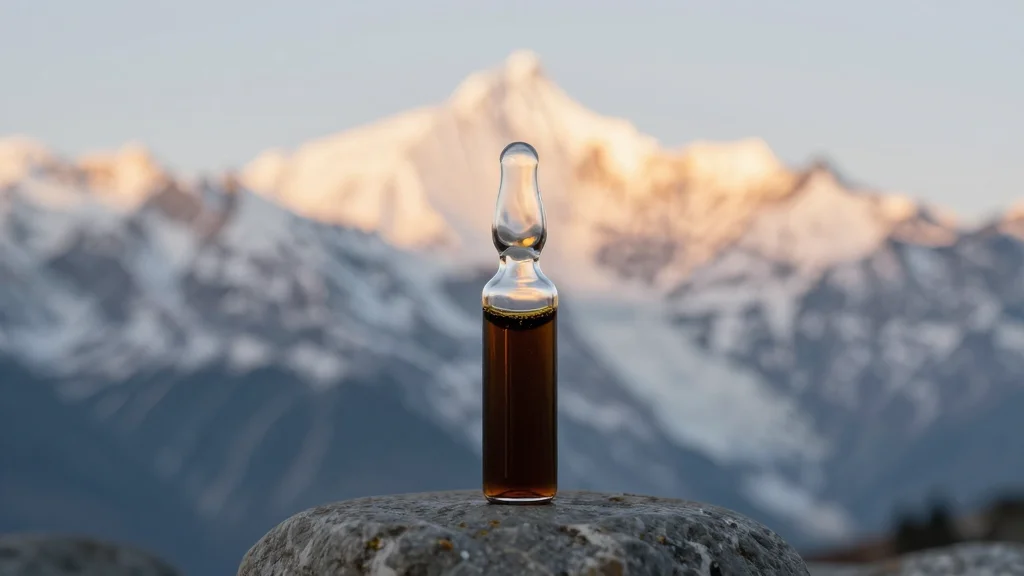
Shilajit Ayurvedic Sex Drive-Boosting Myth: Tar-Like Ooze Extracted From Himalayan Rocks Doesn’t Work
Shilajit, a tar‑like resin harvested from Himalayan rock, is being promoted online as a natural testosterone booster. The only human data consist of two small, manufacturer‑funded trials involving 28‑38 men that reported modest increases in total and free testosterone after...

Remote Work Was Destroying My Body… Until I Found This
The blog reviews "Move More, Hurt Less," a desk‑focused guide that promises to eliminate most remote‑work pain within days. It explains how prolonged sitting damages the hips, glutes, spine, and eyes, then offers a step‑by‑step ergonomic overhaul and 150+ micro‑exercises...
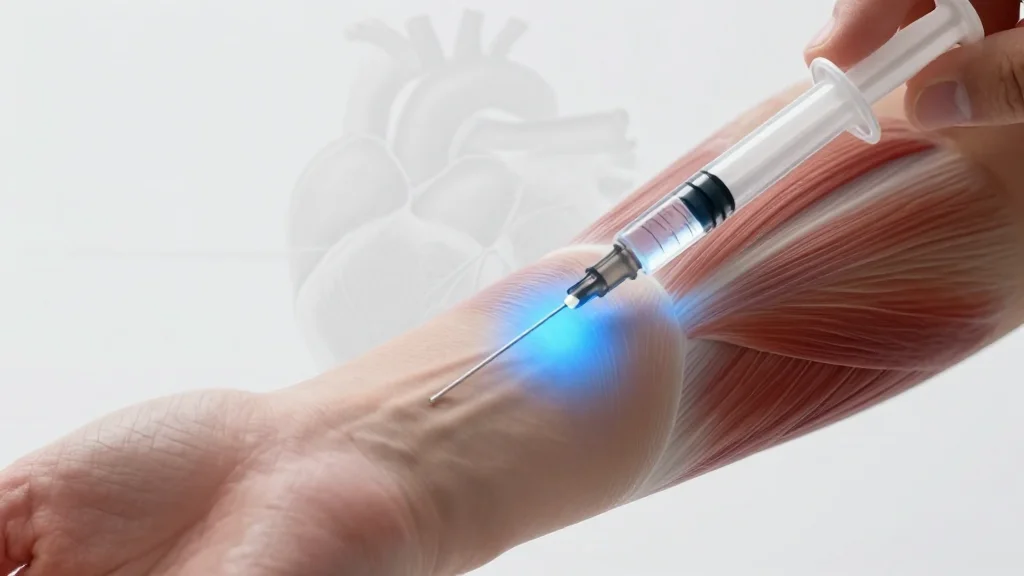
NPPA Gene Therapy to Encourage Greater Regeneration Following Heart Attack
Researchers at Columbia Engineering have engineered an RNA‑lipid nanoparticle that programs skeletal muscle to secrete a pro‑ANP precursor, which the heart‑specific enzyme Corin converts into active atrial natriuretic peptide. This two‑phase gene‑therapy bypasses the need for direct cardiac drug delivery,...

A Complete Guide to Becoming a Certified Breathing Instructor
The Oxygen Advantage® method now offers a structured, science‑based pathway to become a certified breathwork instructor. The program starts with a Level 1 Functional Breathing Instructor course and progresses to an advanced certification that integrates CO₂ tolerance, nasal breathing, and biomechanical...
Arg-1 Makes Macrophages More Inflammatory, Impairing Cartilage Regeneration with Age
The study identifies Arginase‑1 (Arg‑1) as a key regulator of age‑dependent macrophage behavior that hampers cartilage regeneration. Single‑cell RNA sequencing shows older animals have fewer anti‑inflammatory macrophage subsets, with Arg‑1 expression declining with age, leading to heightened inflammation. Overexpressing Arg‑1...

From Fringe to Formulary: How Integrative Medicine, Peptides, and the D2C Biomarker Stack Are Reshaping the Boundaries of Evidence-Based Care
Integrative health, once a fringe market, now commands a $30 billion out‑of‑pocket industry with 37 % of U.S. adults spending on modalities like acupuncture, functional‑medicine and peptide protocols. Federal agencies are building measurement tools—NIH’s NCCIH $170 M Whole Person Health Index—and the VA’s...
Rhamnan Sulfate an Agent that Might Protect Microcirculation, Vascular Endothelium and Glycocalyx
Rhamnan sulfate (RS), extracted from the Japanese seaweed Monostroma nitidum, is emerging as a supplement that targets the endothelial glycocalyx rather than nitric‑oxide pathways. Early cell studies show RS restores glycocalyx thickness and cuts LDL permeability threefold, while ApoE‑deficient mice...

You Need 5 Routines
Neuroscience confirms that the brain thrives on predictable patterns, making routines essential for mental stability. The post argues that chaotic days often stem from a lack of anchor routines that regulate the nervous system, dopamine levels, and cortisol. Instead of...
Do Our Mitochondria Need Support?
The article critiques the booming market of "mitochondrial support" products, arguing that most claims rely on vague marketing rather than solid science. While mitochondria are essential for cellular energy, supplements like NAD+ precursors, CoQ10, and red‑light therapy typically demonstrate only...
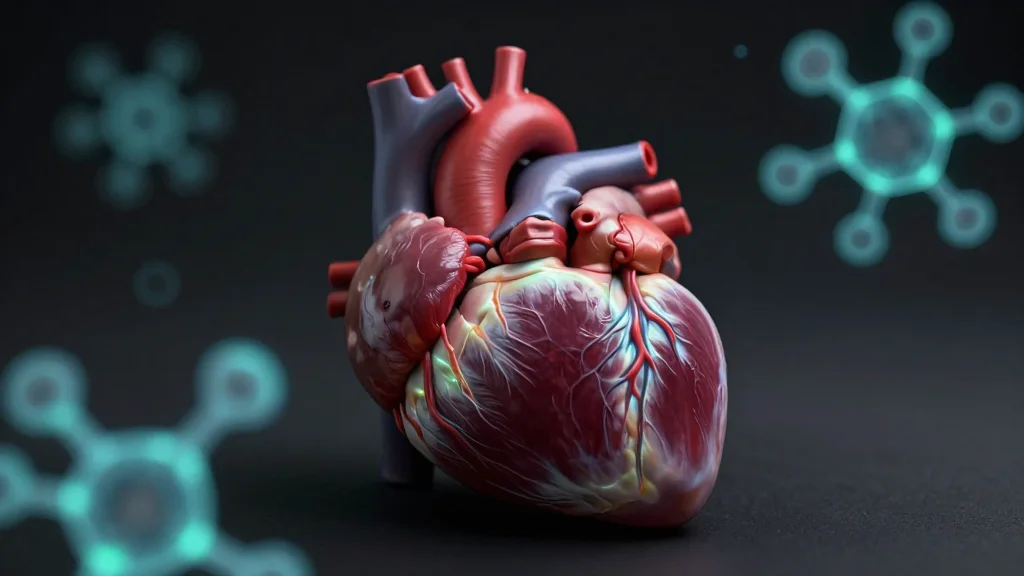
PANoptosis in the Aging of the Heart
The review spotlights PANoptosis—a hybrid programmed cell‑death process that fuses pyroptosis, apoptosis and necroptosis—and its emerging relevance to cardiac aging. It details how the PANoptosome complex accelerates cardiomyocyte loss, fibrosis and chronic inflammation, key drivers of age‑related heart decline. Preclinical...
High Dose Influenza Vaccine Correlates with Greater Reduction in Dementia Risk
A retrospective cohort study of U.S. seniors found that receiving a high‑dose inactivated influenza vaccine (H‑IIV) was associated with a significantly lower risk of Alzheimer’s disease compared with the standard‑dose vaccine (S‑IIV). The analysis used claims data from 2014‑2019, covering...

How Did a 90-Year-Old Woman Just Break a World Record Doing Something You Probably Can't?
In March 2026, 90‑year‑old Ann Crile Esselstyn set a new Guinness World Record by dead‑hanging for two minutes and fifty‑two seconds, after just 30 days of remote coaching from her son. The rapid improvement stemmed from neural adaptations—enhanced motor‑unit recruitment—rather...
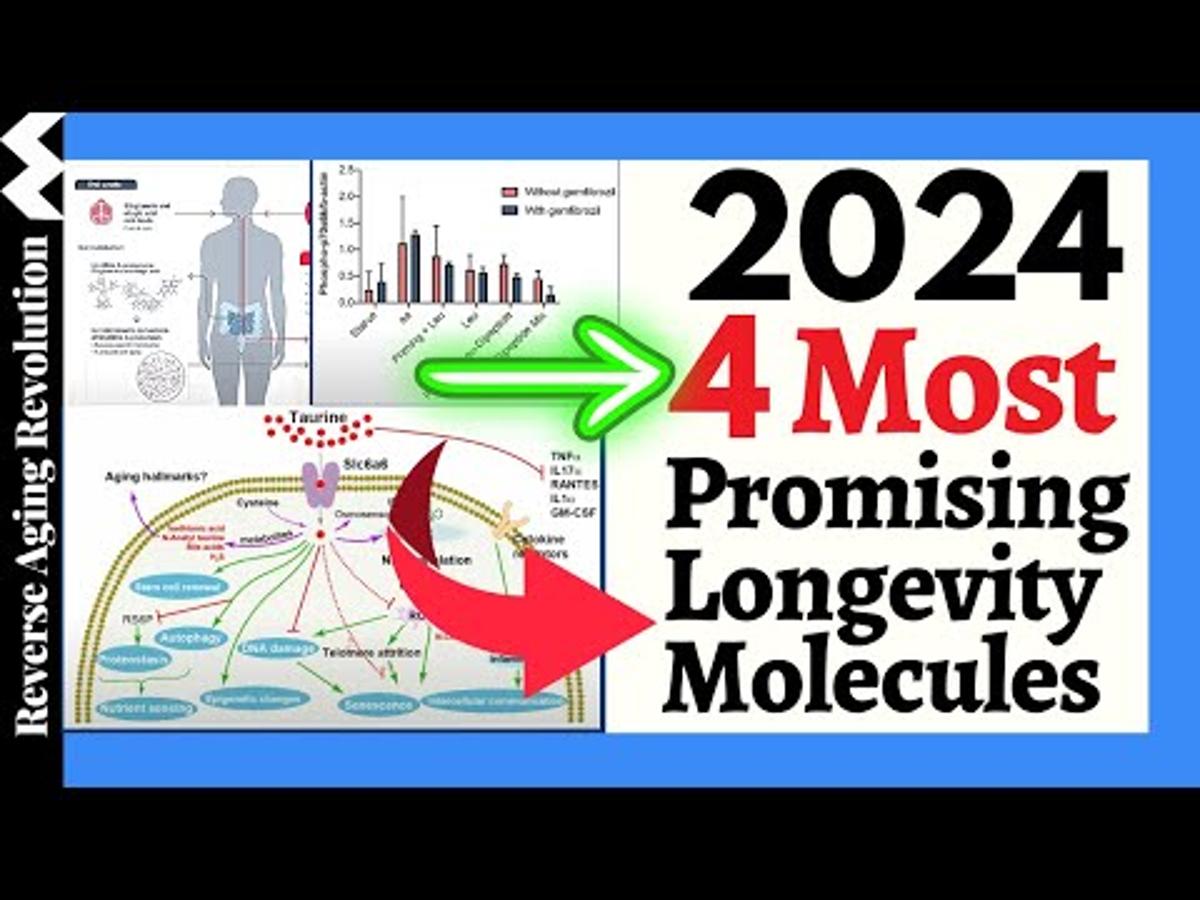
Urolithin A (UA) One of 4 Promising Agents 2024 by Brian Kennedy of NSU
Urolithin A (UA) is highlighted as one of four promising anti‑aging agents for 2024, backed by both human and animal research. A double‑blind, placebo‑controlled trial in 50 middle‑aged adults showed that 1,000 mg daily UA enhanced immune cell phenotypes, mitochondrial biogenesis, and...
Molecular Hydrogen as a Treatment for Chronic Fatigue Syndrome
Molecular hydrogen is emerging as a potential therapy for chronic fatigue syndrome (ME/CFS) by protecting mitochondria from oxidative damage and restoring cellular energy production. Pre‑clinical and early‑stage human trials show hydrogen‑rich water and inhalation improve endurance, lower blood lactate, and...

Burning 15,000 Calories in 18 Hours
A University of Gothenburg field study tracked a 37‑year‑old Swedish athlete who burned roughly 15,000 calories across a four‑discipline “Tetrathlon,” revealing a severe metabolic reset that lingered for weeks. The research captured real‑time nutrition, blood‑sugar, heart‑rate and blood biomarkers, offering...

A Neuroscience Protocol to Strengthen Memory and Accelerate Learning
A new neuroscience‑based protocol outlines how the timing of study sessions and sleep can dramatically boost memory retention. The guide emphasizes aligning learning with optimal brain states, leveraging sleep‑dependent consolidation, and incorporating movement and nutrition cues. It is positioned for...
First Human Data for Rubedo Life Sciences' Senolytic Drug RLS-1496
Rubedo Life Sciences reported preliminary Phase 1 data for RLS‑1496, the first topical GPX4‑modulating senolytic tested in humans. The double‑blind, vehicle‑controlled study in the EU evaluated safety, tolerability and early efficacy in plaque psoriasis, atopic dermatitis and photo‑aged skin. Results showed...

What We’ve Been Told About Saturated Fat, Fish, and Omega-3s May Need a Rethink
Dr. Tom Brenna, a veteran of U.S. dietary‑guideline panels, argues that two entrenched nutrition messages—capping saturated fat at 10% of calories and warning pregnant women against fish—are built on shaky evidence. He highlights how early studies conflated saturated and trans...
Top 5 - Which Currently Available Longevity Interventions Do You Think Are the Best
A community thread explores a range of longevity interventions, from metabolic drugs like pioglitazone and Imeglimin to neuro‑activators such as modafinil and orexin‑targeting strategies. Participants share personal dosing experiences, highlight safety concerns—including heart‑failure and bladder‑cancer risks for pioglitazone and dangerous...
New Study Says I Was Wrong About NMN and NR?
A recent Norwegian crossover study reported that nicotinamide riboside (NR) raised blood NAD levels 2.3‑fold higher than nicotinamide mononucleotide (NMN) in six healthy adults. However, a larger 65‑participant Nature Metabolism trial found both NR and NMN roughly doubled NAD after...
Coenzyme Q10 (CoQ10) U-Shaped Dose-Response Relation with Blood Glucose and Blood Pressure
A short‑term ubiquinol regimen of 200 mg per day for two weeks boosted strength and endurance while lowering perceived exertion in moderately trained adults. Muscle‑damage biomarkers also fell, indicating protective effects after strenuous exercise. Separate meta‑analyses suggest CoQ10 supplementation can cut...
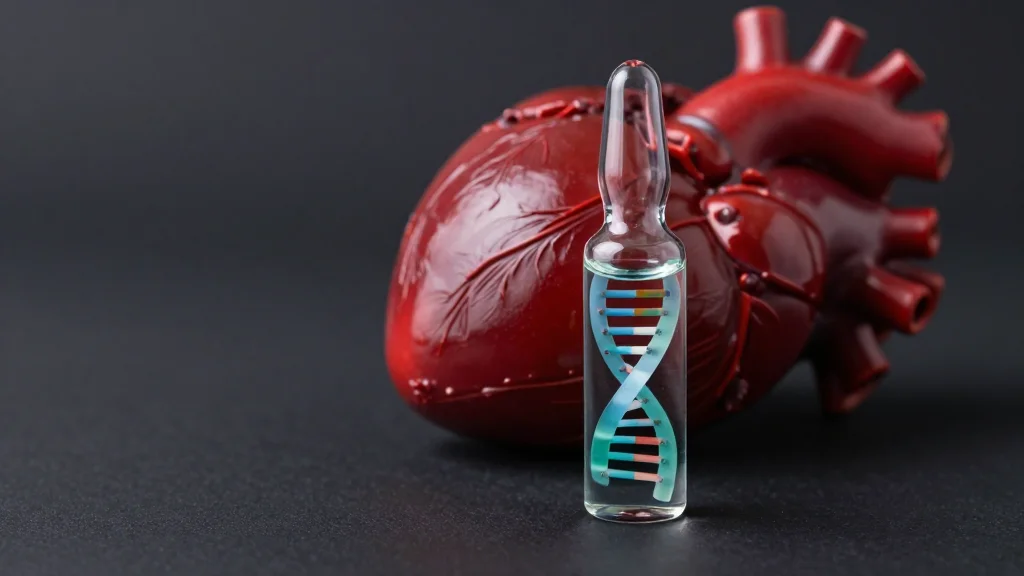
Atherosclerosis - A Very Deep Dive Into Endothelial Health Genetic Pathways for Actionable Insights
A recent deep‑dive genetic report examined 20 SNPs across nine pathways linked to endothelial function and coronary artery disease. The analysis identified homozygous risk variants in GUCY1A3, PCSK9, PDE5A, ICAM1, XDH and SPR that collectively blunt NO‑cGMP signaling and raise...

Atherosclerosis - A Very Deep Dive Into Endothelial Health Genetic Pathways for Actionable Insights
A personal genome analysis of 20 SNPs across nine functional categories identified critical vulnerabilities in nitric‑oxide signaling, highlighted by a double‑hit in GUCY1A3 and a PCSK9 gain‑of‑function variant that elevates LDL‑C. Additional risk alleles include a heterozygous 9p21 CAD locus,...

The Best Red Light Therapy Devices for Joint Pain (2026 Guide)
The at‑home red light therapy market, valued at roughly $1.2 billion in 2024, is projected to reach $2.5 billion by 2033, driven by 2.5 million monthly searches and 59% YoY growth. Independent testing of 18+ devices using spectroradiometers, flicker analyzers, EMF and power...
Igniton Review – Quantum-Enhanced Memory, Focus, and Mood
Igniton has launched two quantum‑charged nootropic stacks—Igni Cognition™ for memory and focus, and Igni Longevity™ for anti‑aging support—by embedding star‑derived igniton quasi‑particles into each ingredient. Clinical trials at Concordia University reported up to a 100% increase in overall memory, 51%...
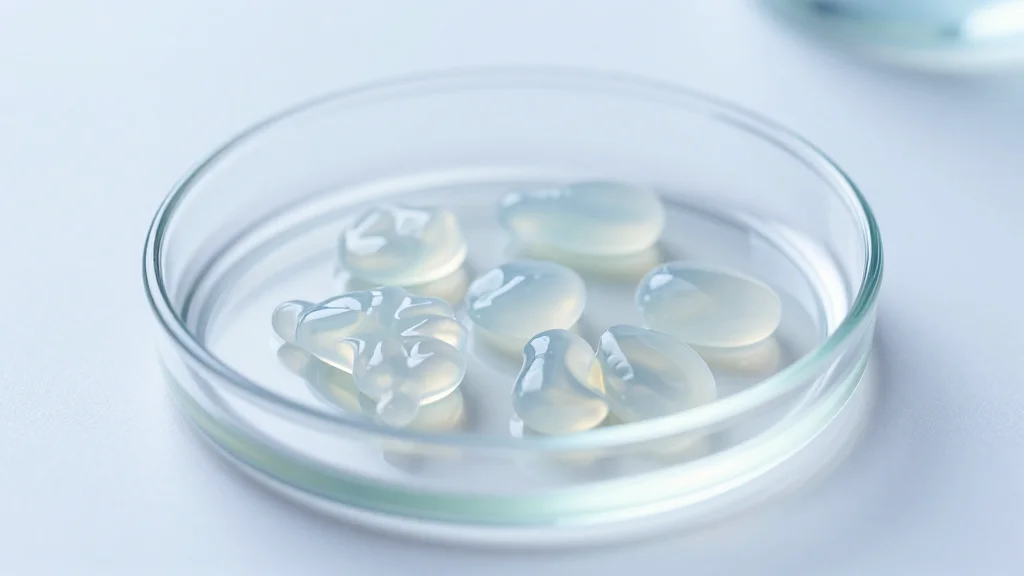
The Road to Producing New Bodies Starts with Multi-Organ Pseudo-Embryos
Biotech researchers are moving from organoid cultures toward multi‑organ pseudo‑embryos that mimic early human development without brains. Companies such as R3 Bio and Kind Biotechnology are pioneering these brain‑less constructs as a bridge between tissue engineering and full‑body regeneration. The...
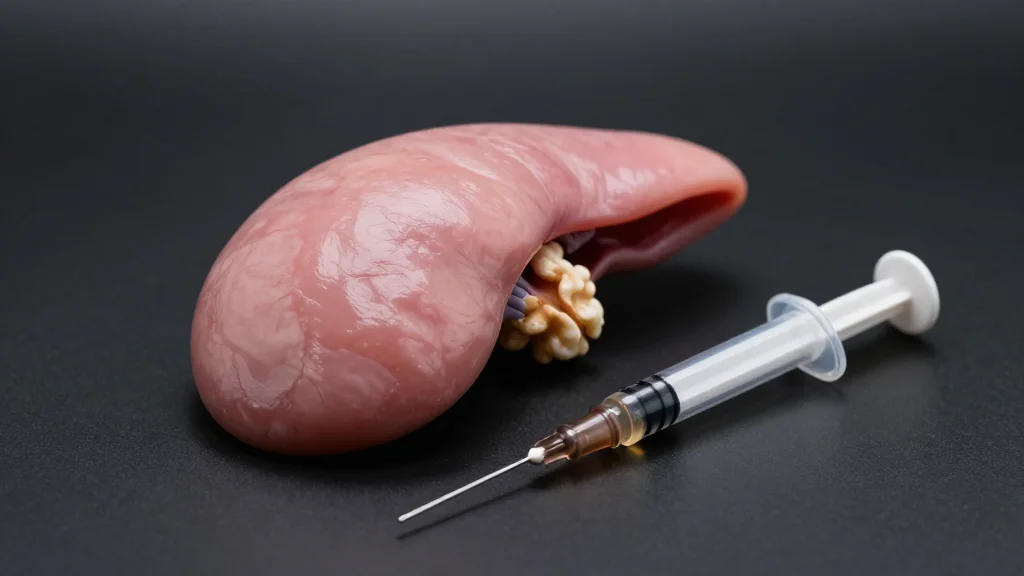
Growth Hormone Supplementation Can Restore the Thymus, but What Is Its Effect on Lifespan?
Recent debates on growth hormone (GH) supplementation highlight its ability to rejuvenate the thymus but raise serious concerns about lifespan effects. Experts from the 2013 Erice workshop and subsequent literature argue that while transient GH can restore immune tissue, chronic...
Vitamin C Re-Evaluated: A Direct Inhibitor of the 'Ferro-Aging' Clock
A 2026 Cell Metabolism study gave aged cynomolgus monkeys 30 mg kg⁻¹ vitamin C daily via drinking water for 40 months, showing direct inhibition of the ACSL4‑driven ferro‑aging clock. Pharmacokinetic data reveal vitamin C’s plasma half‑life ranges from 30 minutes to two hours at high doses,...
New Study Says I Was Wrong About NMN and NR?
Recent human trials show that nicotinamide riboside (NR) and nicotinamide mononucleotide (NMN) raise blood NAD levels similarly, contradicting a small crossover study that claimed NR was superior. Both compounds appear to be metabolized largely by gut microbes into nicotinic acid...
New Study Says I Was Wrong About NMN and NR?
The debate between nicotinamide riboside (NR) and nicotinamide mononucleotide (NMN) is losing relevance after recent trials. A crossover study of six adults showed NR raised blood NAD 2.3‑fold more than NMN, but a larger 65‑participant Nature Metabolism trial found both...
Lactoferrin: A Milk-Derived "Immunoceutical" Reverses the Clock on Inflammaging
Recent research highlights lactoferrin’s ability to modulate iron metabolism and reduce age‑related inflammation. A 2026 piglet study showed combined human milk oligosaccharides and lactoferrin enhanced lipid mobilization, antioxidant capacity, and neurodevelopment. A randomized trial in obese children reported three‑month lactoferrin...
Lactoferrin: A Milk-Derived "Immunoceutical" Reverses the Clock on Inflammaging
Recent peer‑reviewed studies reveal that lactoferrin, especially when paired with human milk oligosaccharides, enhances lipid mobilization, antioxidant capacity and neurodevelopment in animal models, while a 2026 randomized trial shows it improves weight, liver enzymes and insulin resistance in obese children....
University of Arizona Launches $12 Million Rapamycin Clinical Trial
University of Arizona’s R. Ken Coit College of Pharmacy is launching a double‑blind, randomized Phase 3 clinical trial to test low‑dose rapamycin’s ability to improve resilience and immune function in adults 65 and older. The $12 million study is fully funded by...
Dr. Kaeberlein's Optispan Podcast Series - Rapamycin and More
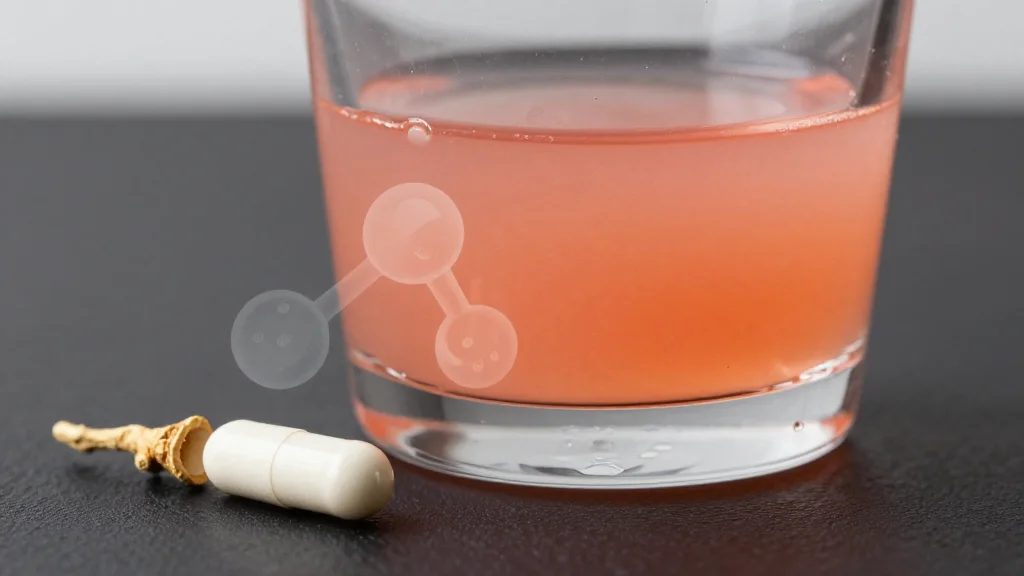
AI modeling compares 6 mg rapamycin taken with grapefruit juice versus berberine 1000 mg daily. Grapefruit juice irreversibly destroys intestinal CYP3A4 and P‑gp, boosting rapamycin AUC 3‑4× and Cmax 2.5‑3.5×, effectively tripling the dose for up to three days. Berberine provides reversible...