Best Biomarkers and New Biological Age, Bortz Blood Age Calculator (Free)
Key Takeaways
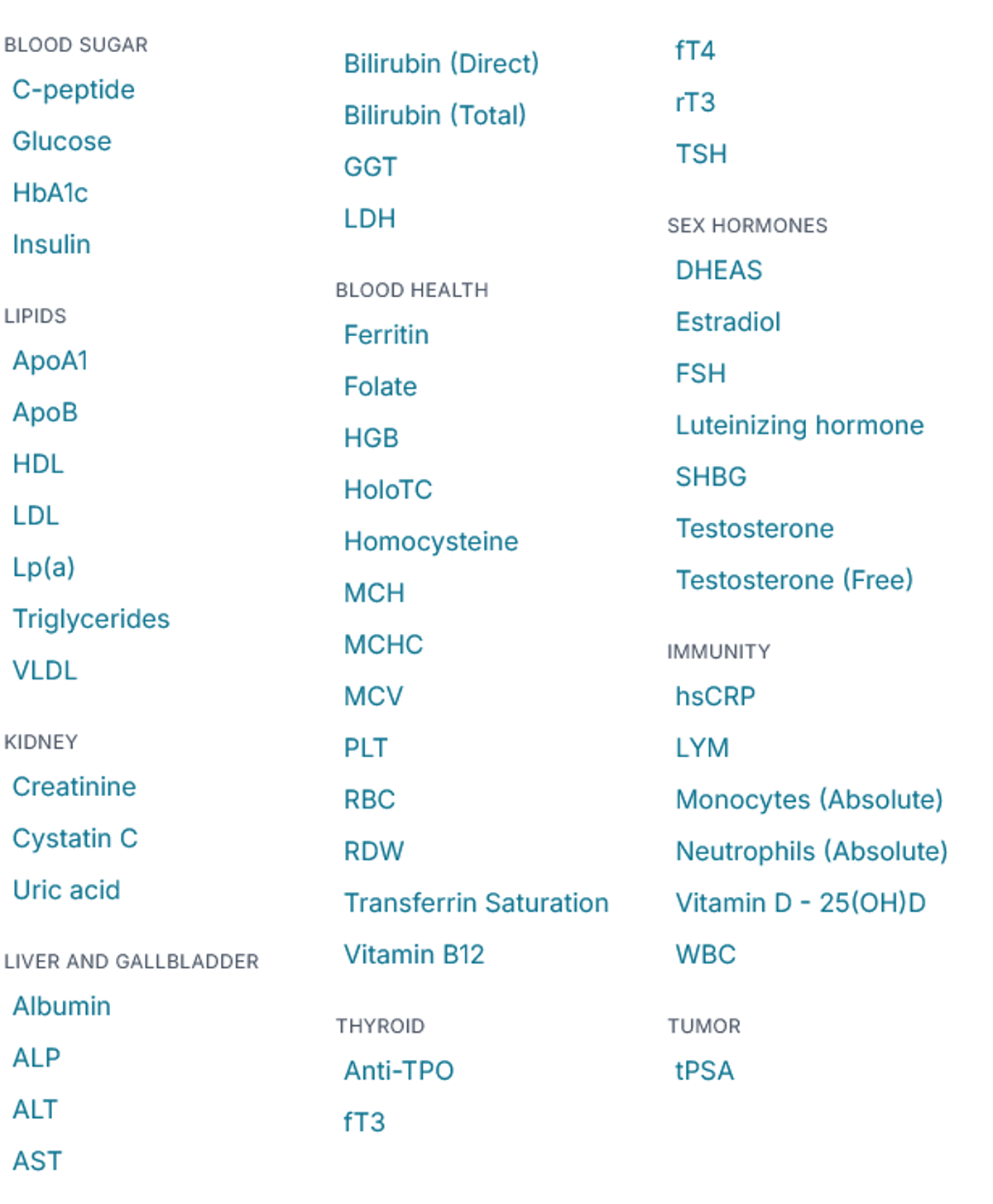
- •Bortz clock uses 25 markers, C-index 0.778, outperforms PhenoAge.
- •Linear model labels high cholesterol and SHBG as youthful, causing errors.
- •Elastic‑net stability required >80% selection frequency for final biomarkers.
- •Next-gen clocks should add age stratification and non‑linear interactions.
Pulse Analysis
Biological‑age clocks have moved from academic curiosities to commercial tools that influence insurance underwriting, wellness programs, and personalized longevity plans. By translating biomarker panels into an age‑like number, they promise a more intuitive gauge of mortality risk than chronological age alone. The market now hosts a range of models—from simple epigenetic clocks to complex phenotypic algorithms—each vying for clinical credibility and consumer adoption. Understanding the statistical underpinnings and data sources behind these tools is essential for investors and health‑tech firms evaluating long‑term viability.
The Bortz clock distinguishes itself with a robust training set drawn from the UK Biobank, applying elastic‑net Cox regression to isolate 25 predictive analytes. Its actuarial rule—where a 10% rise in mortality hazard equals one year of biological aging—offers a transparent translation of risk into an age metric. The reported C‑index of 0.778 indicates a notable edge over the widely cited PhenoAge, suggesting tighter alignment with observed mortality outcomes. Moreover, the model’s ability to impute missing markers via multivariate normal techniques reduces assay costs, making it attractive for large‑scale health assessments.
However, the clock’s reliance on a strictly linear framework introduces systematic distortions. Extreme lipid levels, elevated SHBG from elite athletes, and altered red‑cell indices can be misread as signs of youth, exposing the algorithm to both inadvertent errors and intentional bio‑hacking. Industry experts argue that integrating age‑group stratification, non‑linear interaction terms, and clinical comorbidity filters will enhance robustness. As the longevity sector matures, such methodological refinements will be pivotal for securing regulatory approval, fostering clinician trust, and delivering actionable insights to consumers.
Best Biomarkers and New Biological Age, Bortz Blood Age Calculator (free)
Comments
Want to join the conversation?