Today's Biohacking Pulse

Menopausal hormone therapy slashes low bone density risk by 69%
A retrospective analysis shows that women on menopausal hormone therapy experience a 69% lower risk of developing low bone mineral density compared with those not receiving therapy. The finding highlights hormone treatment as a potentially powerful tool for preserving skeletal health during menopause.
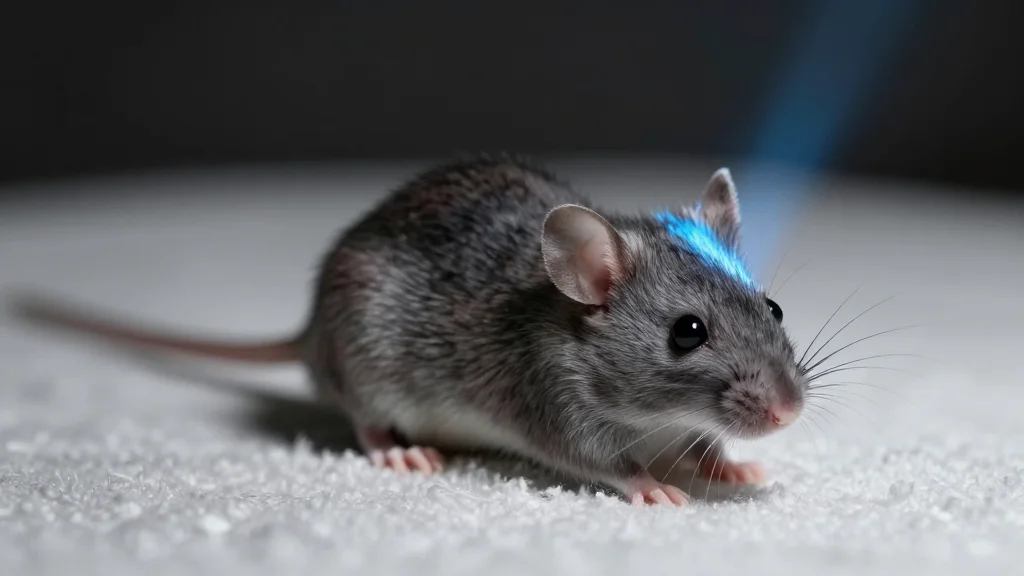
Scientists Induce Deep‑Sleep Brain Activity in Awake Mice, Paving Way for Human Cognitive Boosts
A team of neuroscientists demonstrated that brief light‑induced stimulation of one brain hemisphere in awake mice reproduces key deep‑sleep processes, enhancing memory and reducing sleep‑deprivation fatigue. The findings open a potential route to non‑invasive sleep‑mimicking therapies for humans.
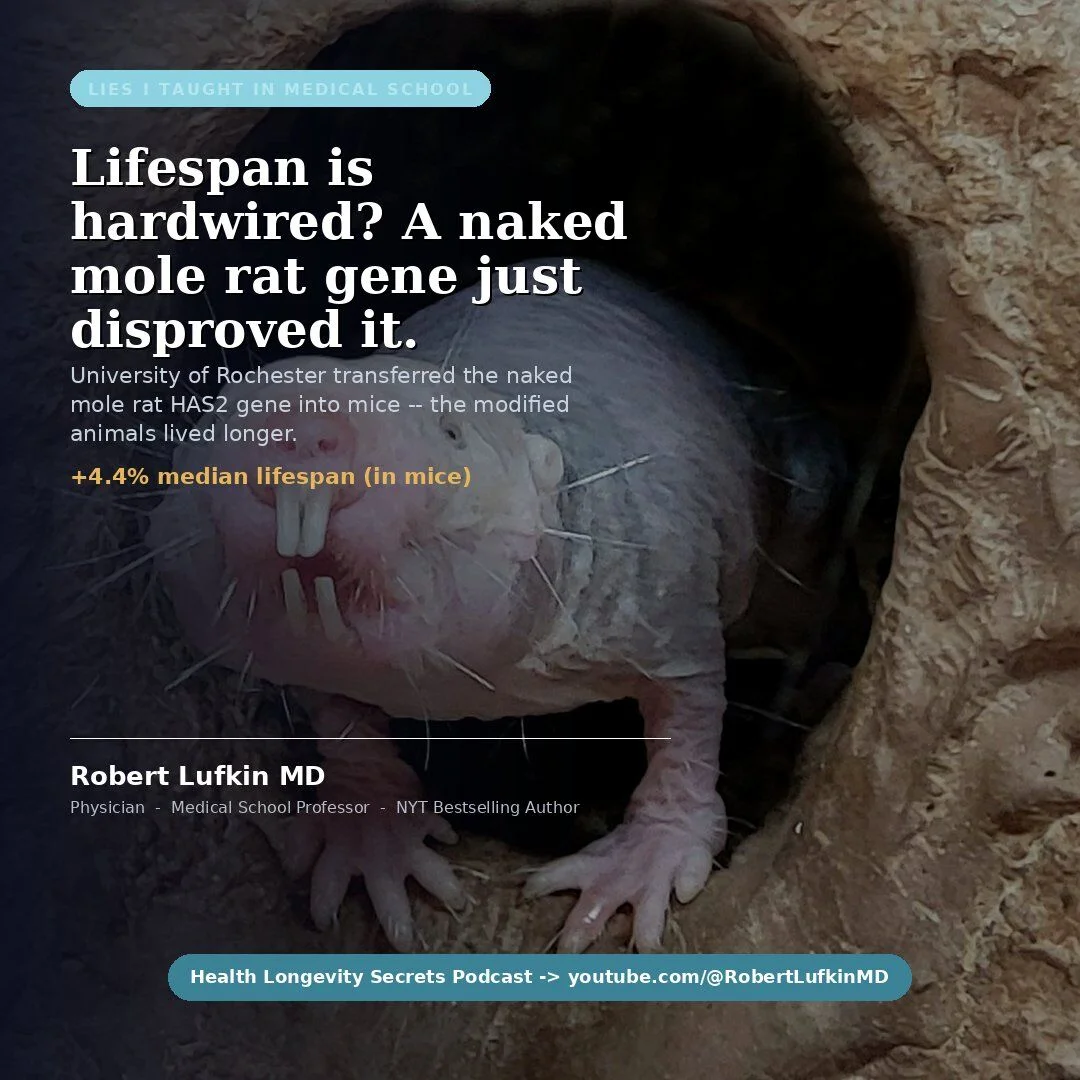
Gene Transfer Challenges Hardwired Lifespan Belief
One of the lies I taught in medical school: lifespan is hardwired and species-specific. A new gene transfer experiment says otherwise. (1/4)

Human Evidence Shows Creatine Doesn’t Accelerate Cancer
"Creatine causes cancer to spread" -- that headline comes from a real 2021 mouse study. But what does the human data actually say? In the new Health Longevity Secrets episode, I break down both halves of the science: (1/3)
David Sinclair Enters $101 Million XPrize with Oral Rejuvenation Drug
Harvard’s David Sinclair confirmed he will launch human trials of an oral “reprogramming” drug, code‑named SL‑100, as part of the XPrize Foundation’s $101 million health‑span competition. The prize rewards teams that can demonstrate a ten‑year improvement in immune, cognitive and muscle...

Tea Can Improve Your Health and Longevity, but the Way You Drink It Matters
A comprehensive review confirms that tea—especially green tea—offers measurable protection against cardiovascular disease, obesity, diabetes, and certain cancers, largely due to its catechin‑rich polyphenols. The analysis also highlights neuroprotective benefits, reduced muscle loss in seniors, and anti‑inflammatory properties. However, processed...
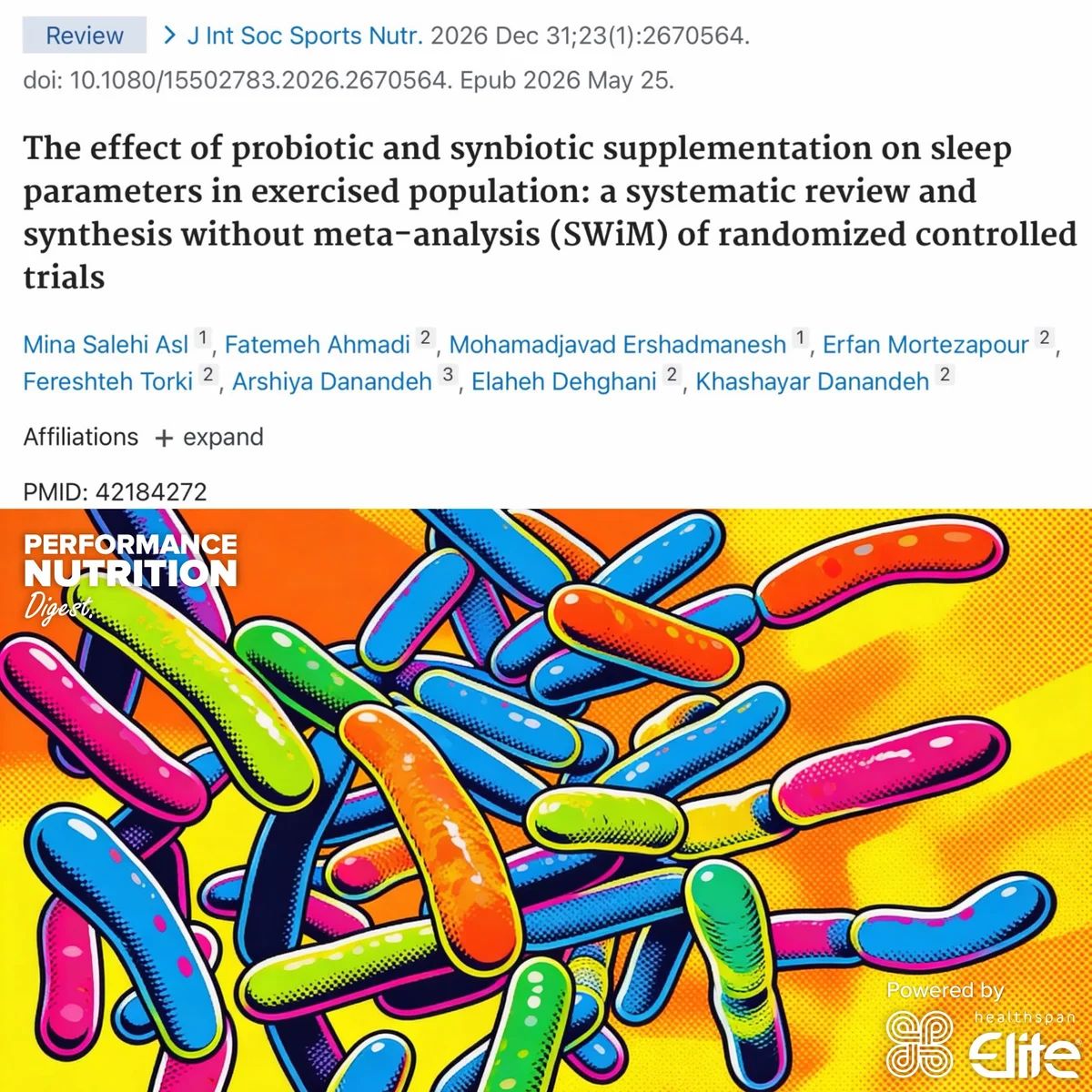
Probiotics Boost Athletes' Sleep Quality and Latency
Biotic supplements improve sleep in athletes 💤 This new meta-analysis compiled data from 6 studies (180 participants) to establish the effects of probiotic and synbiotic supplementation on sleep in athletes 🔍 Here is what they found ⬇️ 🗓️ Interventions lasted 4 -...
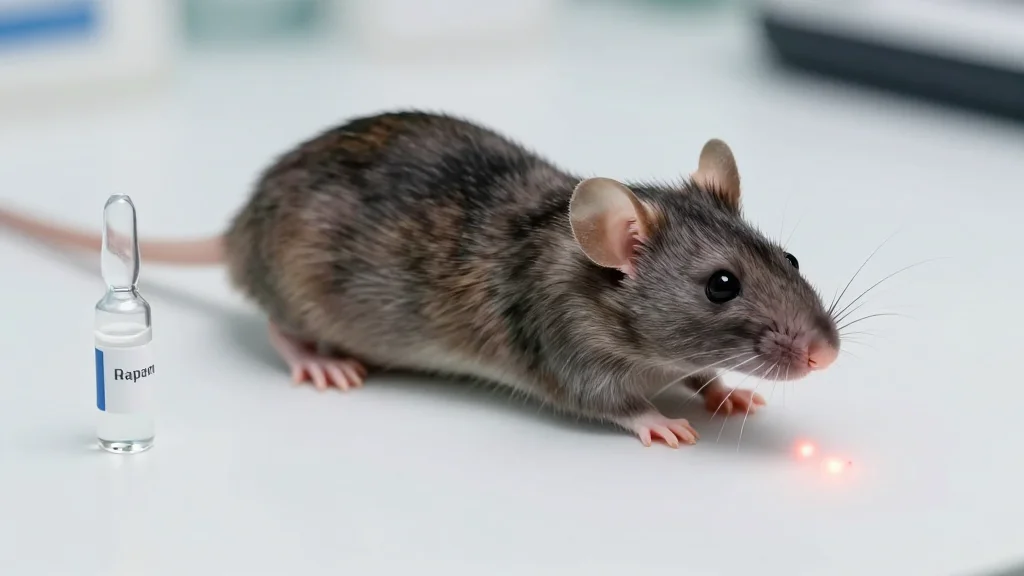
Low Dose Continuous Rapamycin Favorably Alters the Aging Immune System
Researchers fed aged mice a low‑dose rapamycin diet to assess its impact on immune aging. The regimen did not markedly change overall innate or adaptive immune cell counts, but it significantly curtailed the expansion of IL‑17‑producing γδ T cells, especially...

David Sinclair Plans to Test Whole-Body Rejuvenation Drugs in the XPrize Competition
Harvard biologist David Sinclair plans to test an oral epigenetic reprogramming drug, code‑named SL‑100, in the XPRIZE Healthspan competition, which offers $101 million for teams that can demonstrate a ten‑year functional improvement after a year of treatment. The trial would be...
Early Birds & Night Owls Don't Build Muscle the Same — Science Explains Why
Recent research links chronotype—the body’s natural sleep‑wake preference—to muscle health. Evening‑type individuals experience poorer sleep, irregular eating and lower activity, which together raise the risk of sarcopenia and metabolic disorders. The same studies show that workout timing matters: afternoon or...
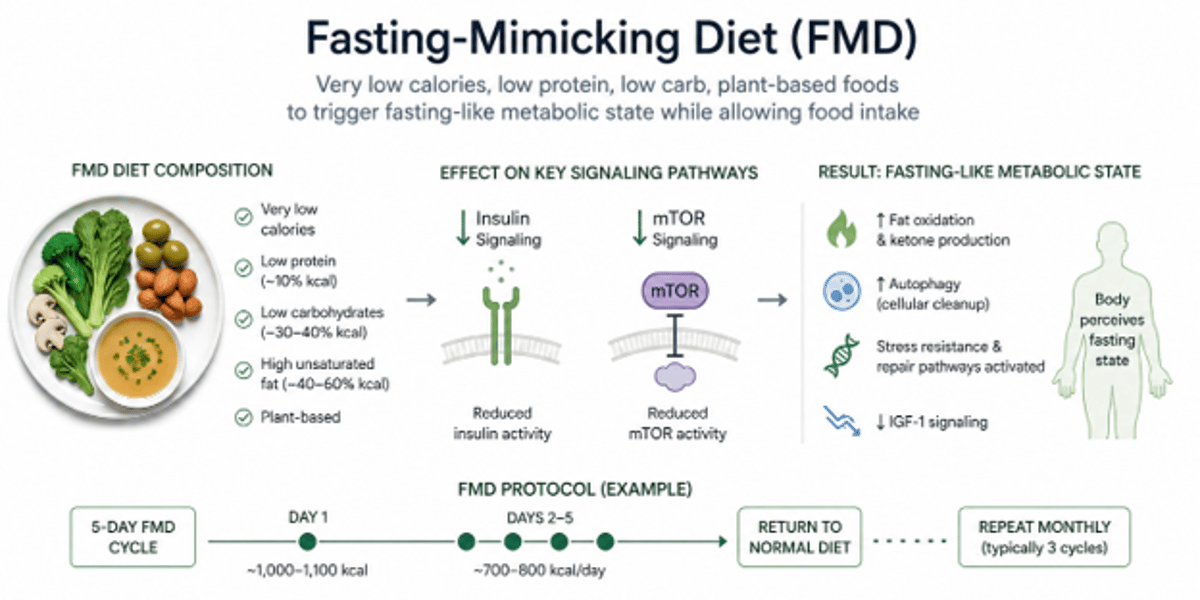
Fasting‑Mimicking Diet Cuts Biological Age, Boosts Health
Dr. Valter Longo is a biogerontologist who created the fasting-mimicking diet (FMD). In studies, the fasting-mimicking diet has been shown to: - Lower PhenoAge biological age score by 2.5 years in 3 months - Regenerate parts of the immune system - Reduce insulin resistance -...
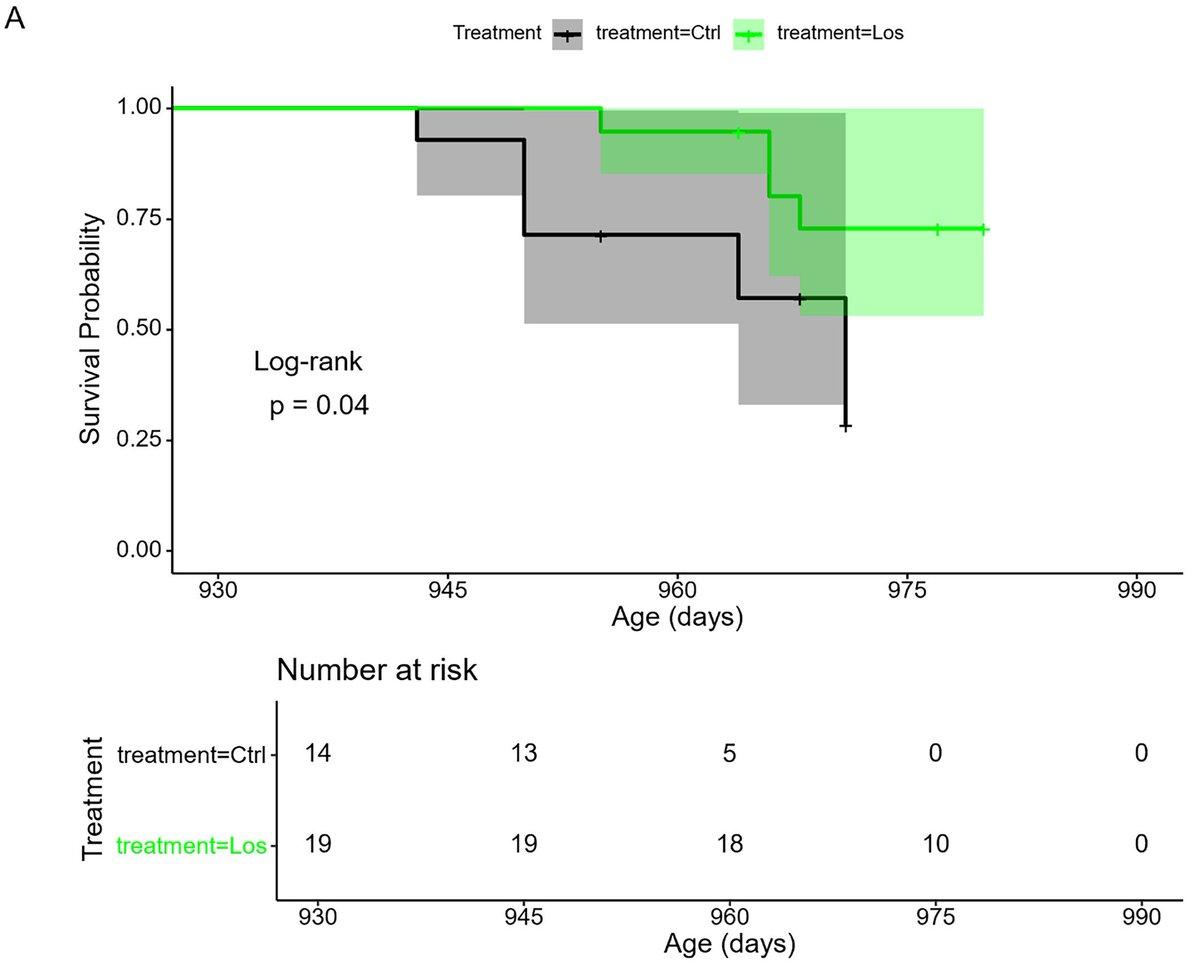
Losartan Partially Reverses Age‑related Metabolic Changes in Mice and Humans
Multi-Omics Reveals Mechanisms of Metabolic Rejuvenation in Aged Mice and Pre-Frail Older Men by Losartan 👉 "our results suggest that losartan can partially reverse age-related metabolomic changes in both male mice and humans, with distinct species-specific responses." https://t.co/MUeKMyOWmD

Brushing Your Teeth in Hospital Could Reduce the Chance of Catching Pneumonia
A stepped‑wedge trial involving 8,870 patients across three Australian hospitals found that providing toothbrushes, toothpaste and oral‑care education boosted dental hygiene compliance from 16% to 62%. The intervention cut non‑ventilator hospital‑acquired pneumonia risk by 60%, dropping infections from eight to...
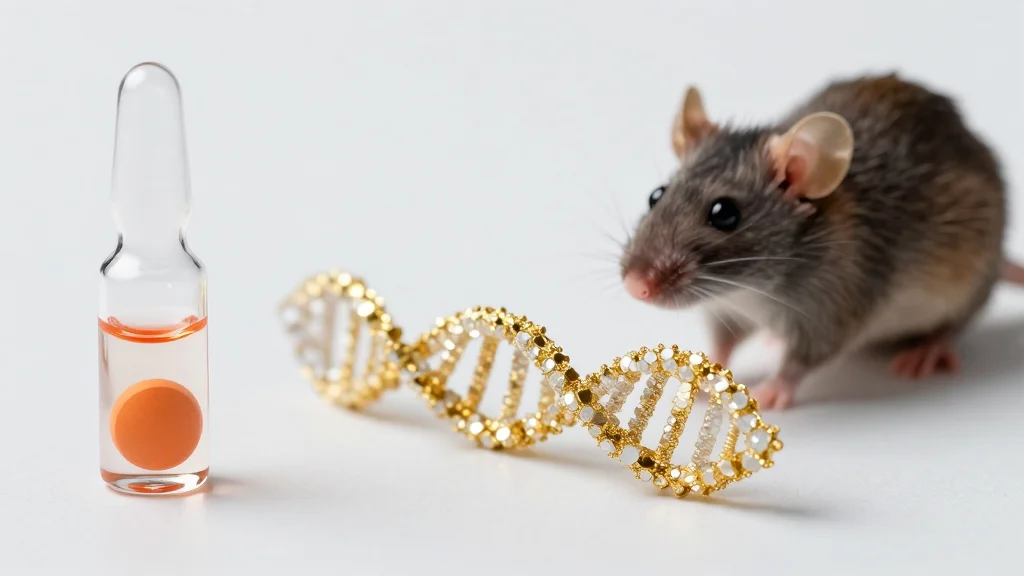
Antidepressant Mianserin Boosts Mouse Lifespan by 30% via Calcium Homeostasis
Researchers led by Xiang reported that the decades‑old antidepressant mianserin extends lifespan by 30% in progeria mice and improves healthspan in normal aging mice. The effect stems from restoring calcium homeostasis, cutting inflammatory SASP signals and preserving DNA‑repair enzymes.
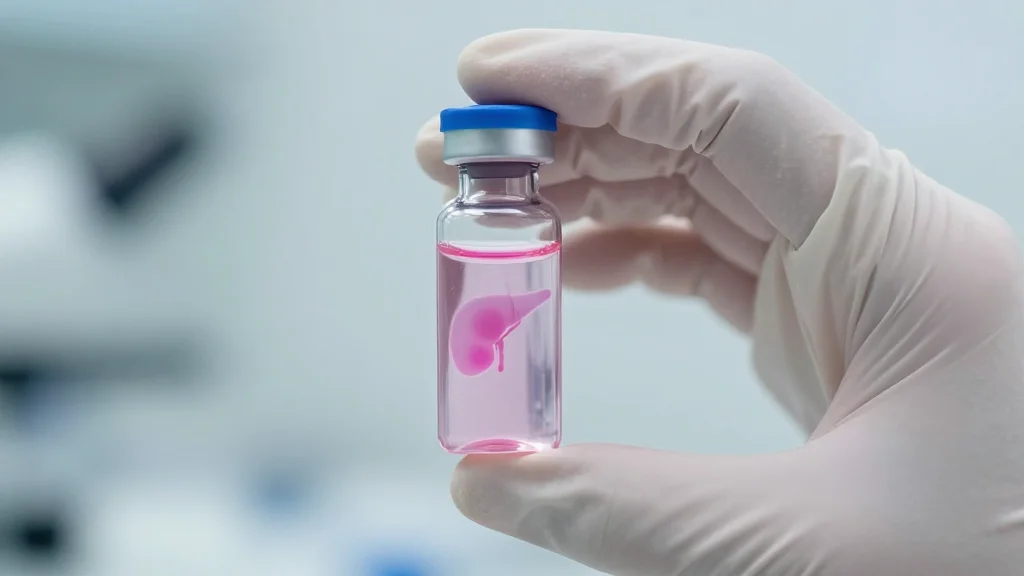
Engineered Stem Cells Cure New‑Onset Type 1 Diabetes in Mice, Study Shows
Researchers at the Medical University of South Carolina have engineered mesenchymal stem cells to produce alpha‑1 antitrypsin, achieving reversal of new‑onset type 1 diabetes in mice. The therapy not only protected remaining insulin‑producing cells but also reprogrammed the immune system, offering...
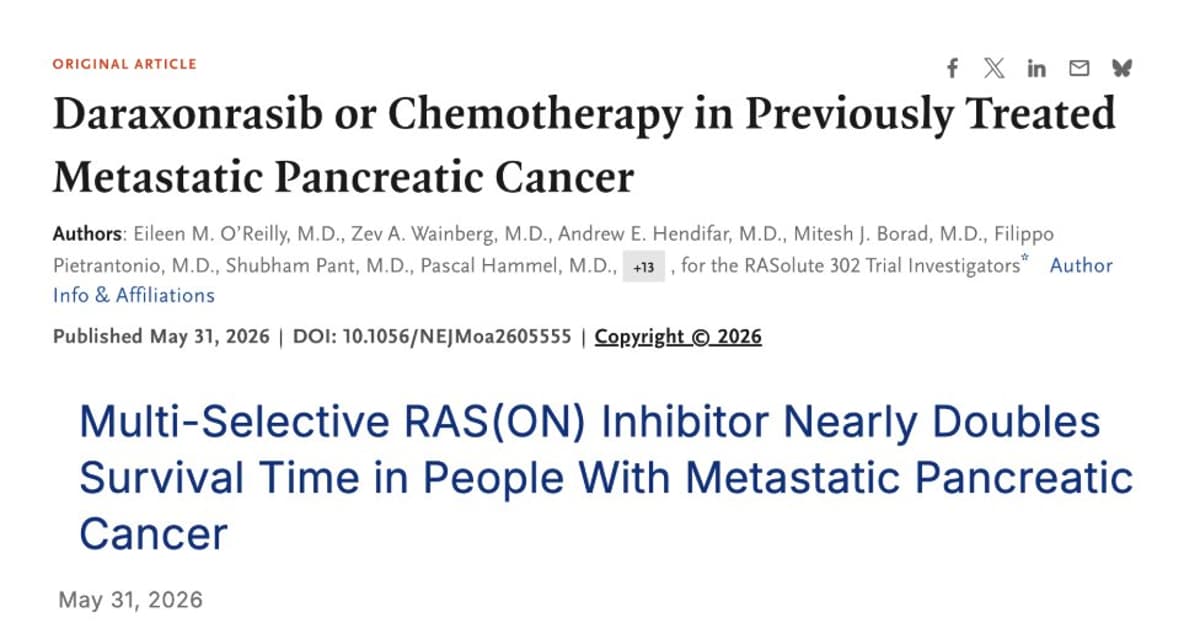
Breakthrough Therapies Extend Survival, Renew Hope for Terminal Illnesses
For those of you who have a terminal illness, a chronic condition, or debilitating health issue, there is new reason to have hope. New treatments are arriving that buy more time for the next to arrive. Even for the most...
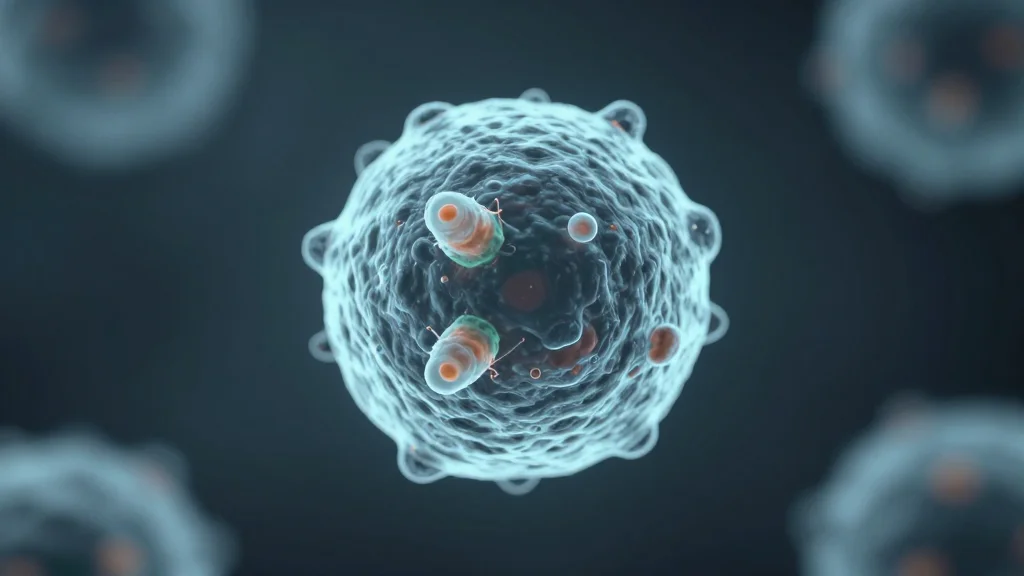
CRISPR Shreds Undruggable Cancer Cells with Precision
Researchers at the Innovative Genomics Institute have engineered a CRISPR‑Cas12a2 system that detects mutant p53 mRNA and triggers chromatin shredding, selectively killing cancer cells. The approach demonstrated potent tumor regression in mouse models of lung and liver cancer while sparing...
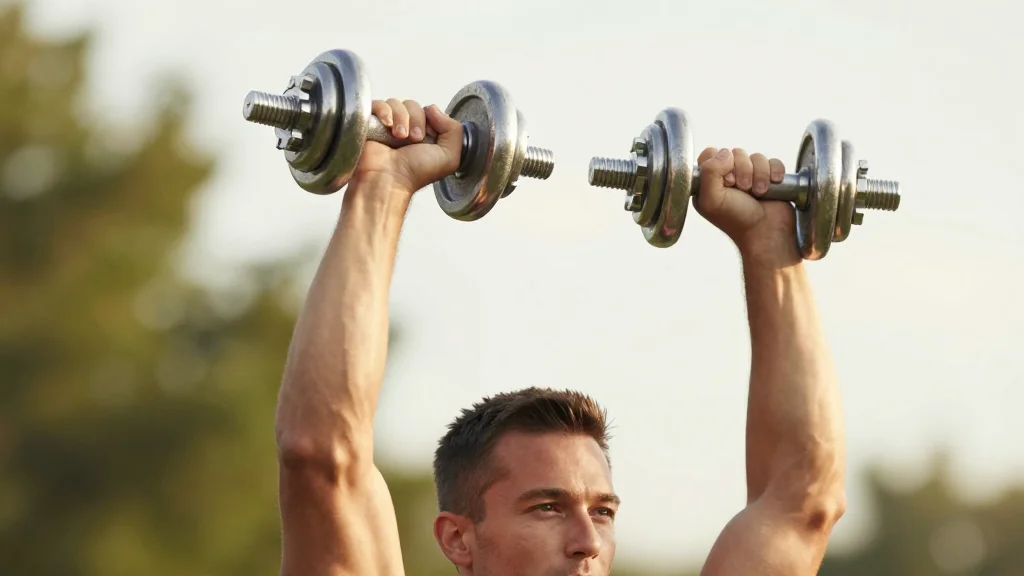
Harvard Study Links 90‑120 Min Weekly Strength Training to 13% Lower Mortality
Harvard researchers published a three‑decade longitudinal study of 147,374 adults showing that 90‑120 minutes of strength training per week reduces all‑cause mortality by 13%, cardiovascular death by 19% and brain‑related death by 27%. The findings, released in the British Journal of...

Harvard Experiment Shows 1950s Lifestyle Reverses Age‑Related Decline in Men
Harvard psychologist Ellen Langer’s 1979 experiment, highlighted in a recent viral video, showed that eight men in their late 70s who lived a week as if it were 1959 displayed measurable gains in physical strength, cognition and appearance. The findings...
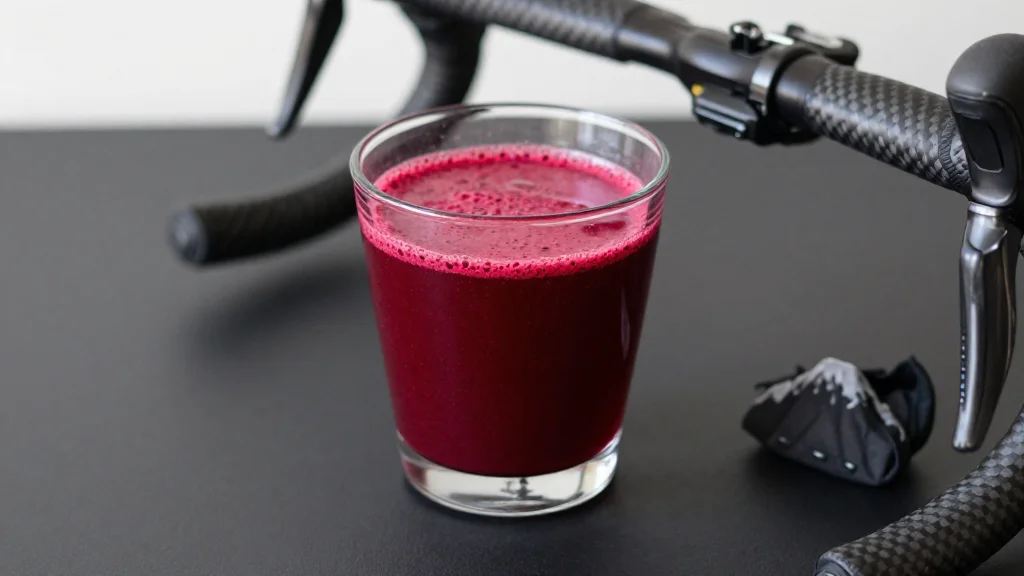
Beetroot Juice Boosts Power Output by 11% and Speeds Recovery, New Studies Show
Researchers from Turkey and Iran reported that 140 ml of beetroot juice before a workout raised peak power by 11% in cyclists and that 70 ml helped mountain climbers recover faster, suggesting a potent, nitrate‑rich supplement for athletes.
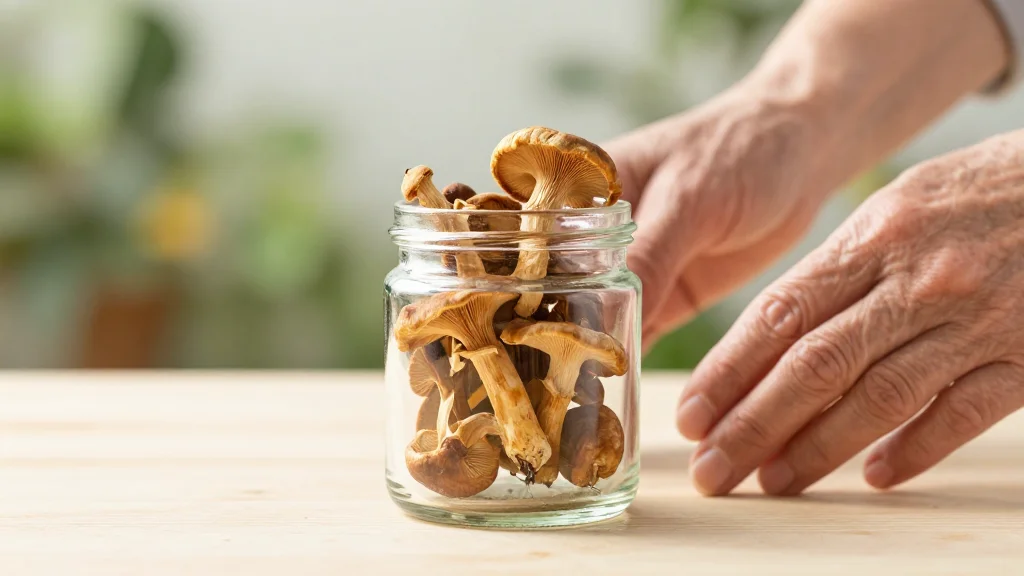
High-Dose Psilocybin Triggers Temporary Cognitive Gains in 80‑Year‑Old Alzheimer’s Patient
Brazilian neuroscientists gave an 80‑year‑old woman with advanced Alzheimer’s a 5‑gram dose of psilocybin‑containing mushrooms, prompting temporary restoration of speech, bladder control and gait that lasted several weeks. A second 3‑gram dose a month later produced further emotional and functional...

Predicting Alzheimers & Dementia (and Minimizing Risk)
Recent epidemiological studies show that high intake of omega‑3 fatty acids from oily fish dramatically lowers dementia risk. The Framingham Offspring cohort found a 49% reduction in Alzheimer’s disease for participants with the highest red‑blood‑cell DHA levels, while a UK...
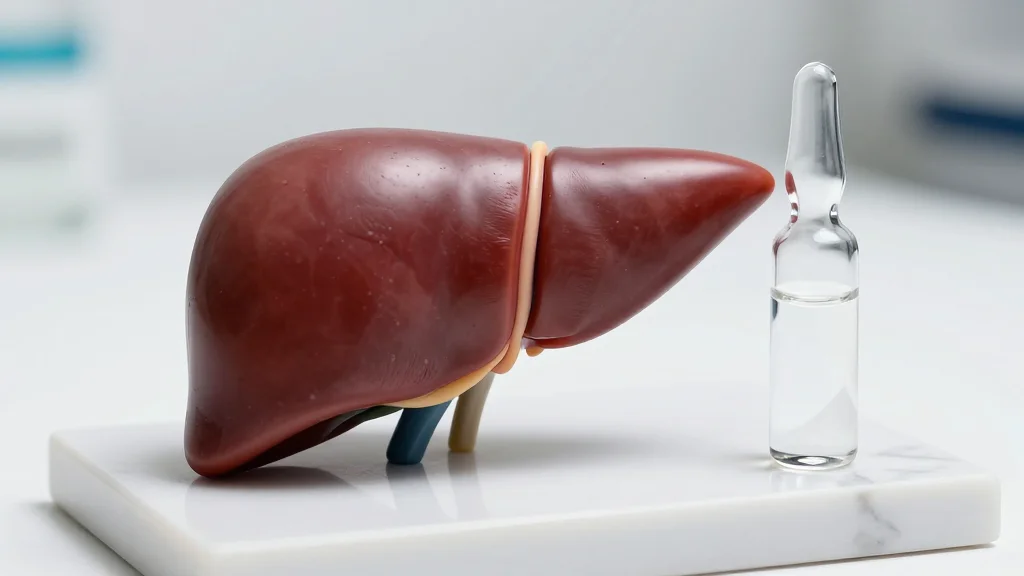
Survodutide Cuts Liver Fat by 30% in 84% of Patients, Triggers 12% Weight Loss in Phase 3 Trial
In the SYNCHRONIZE-MASLD phase 3 trial, survodutide achieved a ≥30% reduction in liver fat in 84.2% of treated patients versus 24.3% on placebo, and produced an average 12.2% body‑weight loss versus 1.0% for placebo. The results position the GLP‑1/glucagon dual agonist...
Towards Small Molecule PAI-1 Inhibitors to Slow Aging
A rare inherited loss‑of‑function mutation in the PAI‑1 gene is associated with roughly a seven‑year increase in human lifespan, highlighting the protein’s role in aging. PAI‑1 drives senescence, fibrosis, metabolic dysfunction, and immune dysregulation, prompting biotech firms to pursue small‑molecule...
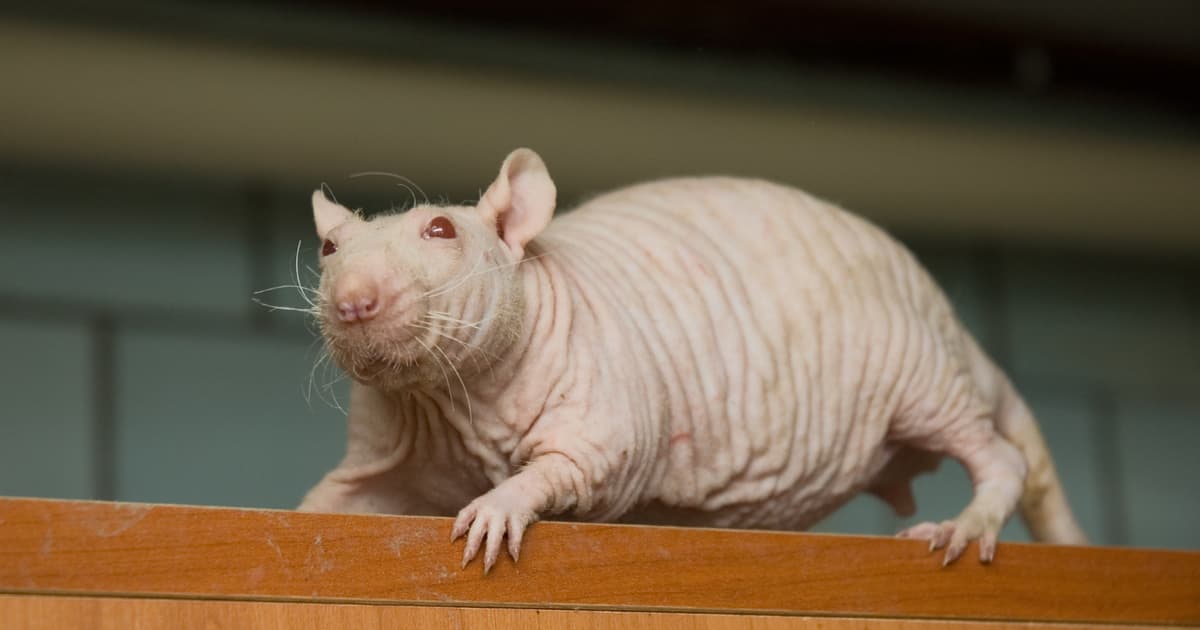
Naked Mole-Rats Age so Slowly, Resist Cancer so Well and Survive Oxygen Loss so Strangely that Researchers Now Study Them...
Naked mole‑rats, small rodents native to East Africa, routinely live beyond 30 years—about ten times longer than similarly sized mice—exhibiting negligible senescence and sustained fertility. Their remarkable cancer resistance stems from an unusually large form of hyaluronan that halts cell...
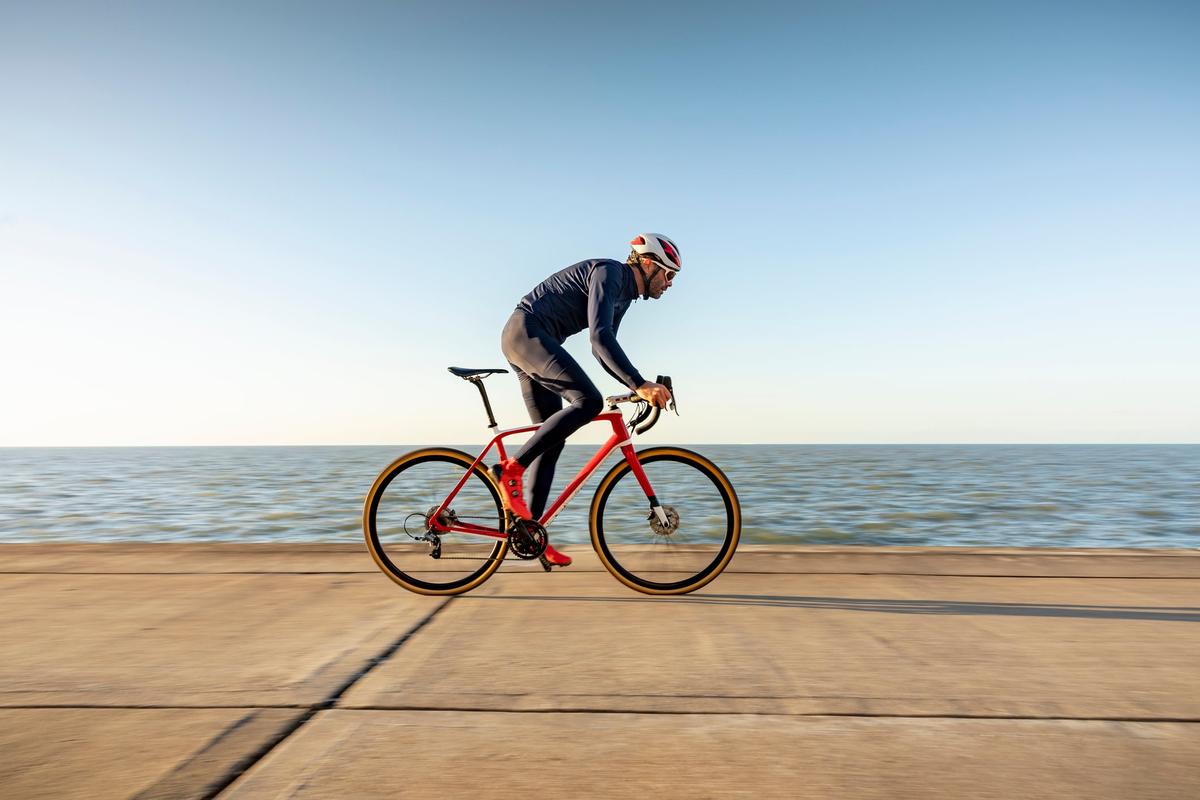
HTBA’s Vitamin B12 Could Improve Cycling Performance
A randomized, triple‑blind crossover trial in Spain found that three days of HTBA’s methylcobalamin supplement, MecobalActive, raised serum B12 levels by roughly 17% and boosted both anaerobic power and cognitive reaction time in 18 amateur cyclists. Participants who received the...

Physical Activity and Metabolic Rates in Humans (Paper March/April 2026)
The March/April 2026 review “Physical activity and metabolic rates in humans” evaluates how exercise reshapes whole‑body energy use by contrasting three frameworks: the additive model, the stress/EPOC model, and the constrained‑energy model. By dissecting longitudinal and cross‑sectional data, the authors argue...
Rethinking Insulin Resistance in Aging: A Reserve-Oriented Clinical Framework (Paper July 2026)
A new reserve‑oriented framework redefines insulin resistance in older adults, emphasizing muscle quality, mitochondrial health, and functional biomarkers over simple weight loss. The paper outlines actionable interventions—including SGLT2 inhibitors, senolytic fisetin, intranasal insulin, nicotinamide riboside, and weekly semaglutide—each supported by...
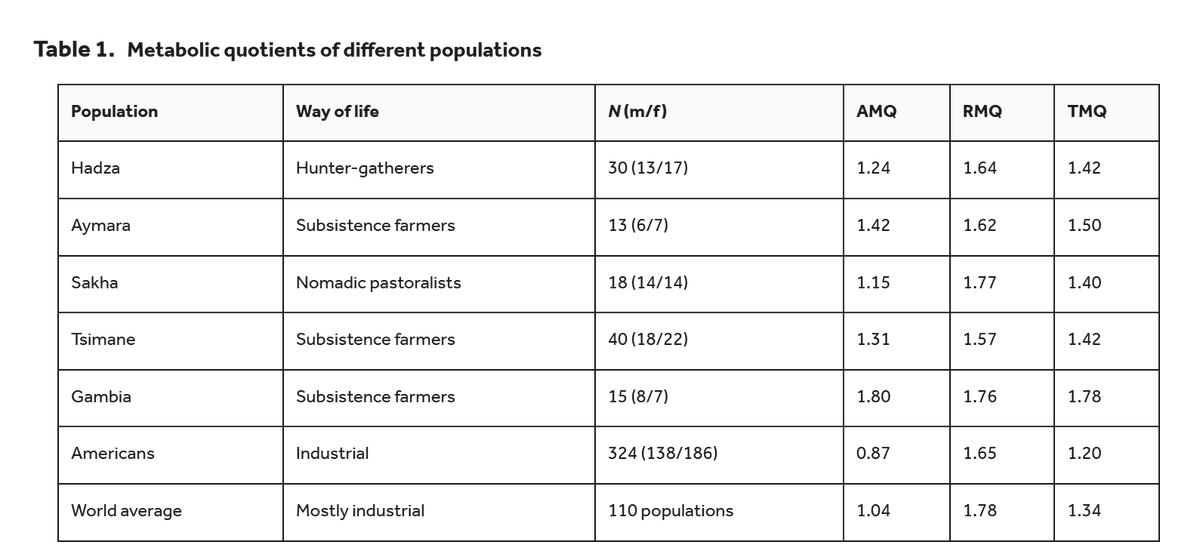
Exercise Redirects Energy to Repair, Slowing Aging
Physical activity and metabolic rates in humans "we also review the evidence, mostly from humans, that increased levels of physical activity slow aging and reduce vulnerability to disease by diverting energy away from processes that improve reproductive success at the expense...

#395 – Brain Lipidology: Understanding APOE, Cholesterol Homeostasis, Alzheimer’s Disease Risk, and the Effects of Lipid-Lowering Therapies on Brain Health |...
In a deep‑dive episode of The Drive, lipidologist Tom Dayspring explains how the brain’s cholesterol system operates largely independent of peripheral lipoproteins. He outlines the roles of apoB, apoA‑I and especially apoE in cholesterol transport, and how APOE genotype drives...
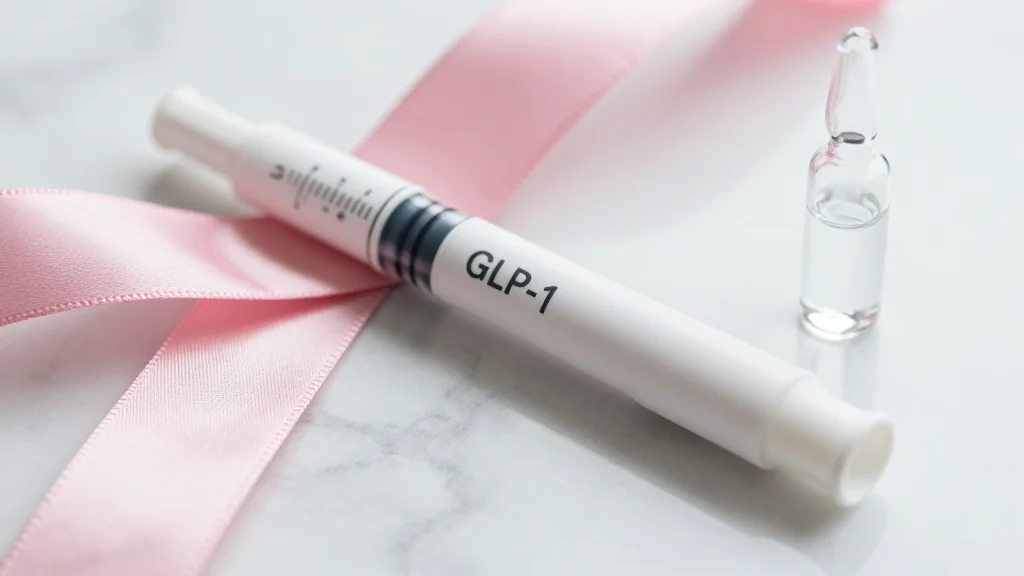
Study Finds GLP‑1 Weight‑Loss Drugs Cut Breast Cancer Risk by 30%
Researchers at the University of Pennsylvania reported that women using GLP‑1 weight‑loss drugs such as Ozempic and Wegovy had about a 30% lower chance of developing breast cancer. The finding, presented at the 2026 ASCO meeting, could reshape how biohackers...

Biotech Race Targets $610 B Longevity Market as AI‑Driven Cell Reprogramming Gains Momentum
Beijing‑based METiS TechBio raised $269.5 million in a Hong Kong IPO and, alongside peers, is racing to capture a projected $610 billion longevity market by 2026. The push leverages AI‑driven cellular reprogramming, drawing heavyweight investors and intensifying U.S.–China competition in anti‑ageing therapeutics.
Current Epitalon Dosing Likely 500‑fold Excessive
Epitalon has become a popular peptide in some circles. Could the current dosing protocols be off by an order of magnitude due to mis-application of original studies? Intriguing paper: "the 5 to 10 mg human dosing paradigm originates from studies conducted...
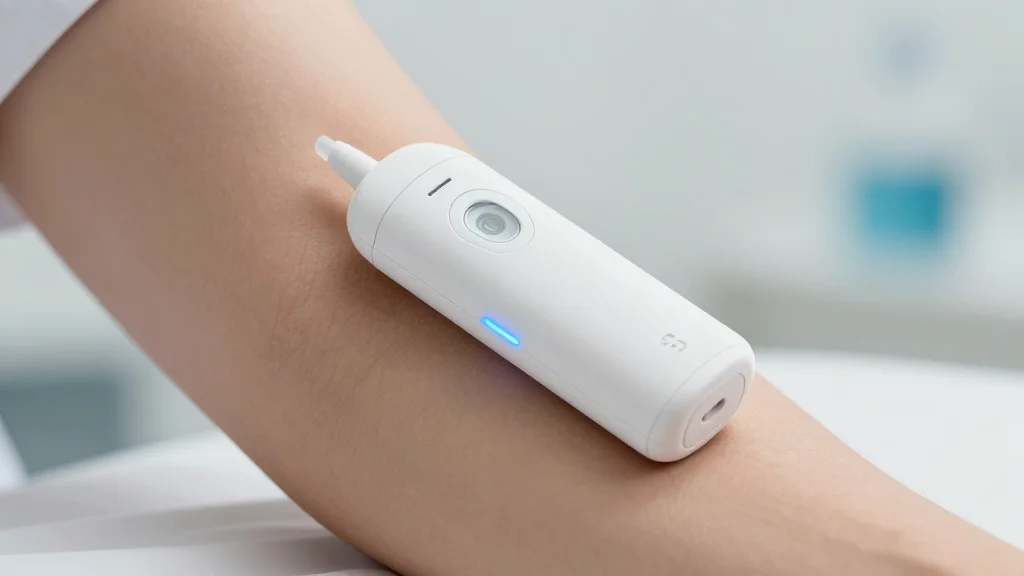
Insulet Reports Positive Clinical Data for Omnipod 6 Fully Closed‑Loop System
Insulet Corp. released data from its STRIVE pivotal trial and EVOLUTION 3 feasibility study, showing that the investigational Omnipod 6 fully closed‑loop system delivers meaningful glycemic improvements for both type 1 and type 2 diabetes. The results, presented at the ADA Scientific Sessions, underline...

Hot Shower Before Bed Beats Supplements for Faster Core‑Temp Drop
The most counterintuitive sleep tactic in the literature: a HOT shower 60-90 min before bed drops your CORE temperature faster than melatonin, magnesium, or blue-light glasses. Mechanism: hot water dilates peripheral blood vessels. You step out, radiate heat outward, and core...

NAD+ Connects Nutrition, Metabolism, and Healthy Aging
Mechanisms of NAD+ Homeostasis in Aging and Disease "...Together, these perspectives position NAD+ as a unifying framework linking nutrition, metabolic resilience, and the mechanisms of healthy aging and disease..." https://t.co/aOb7X48jBq
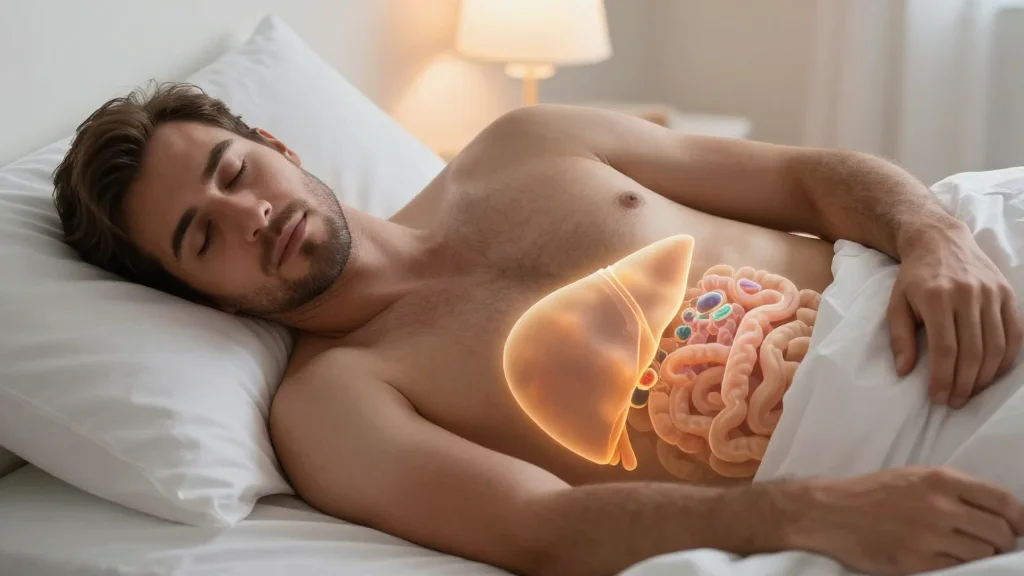
FXR Knockout Cuts Plaque and Stabilizes Gut Microbiome in Sleep Apnea Mice
Scientists at UC San Diego reported that genetically disabling the farnesoid X receptor (FXR) in mice dramatically reduces fatty plaque buildup and preserves gut microbiome balance under sleep‑apnea‑like conditions. The finding points to bile‑acid signaling as a potential biohacking target...
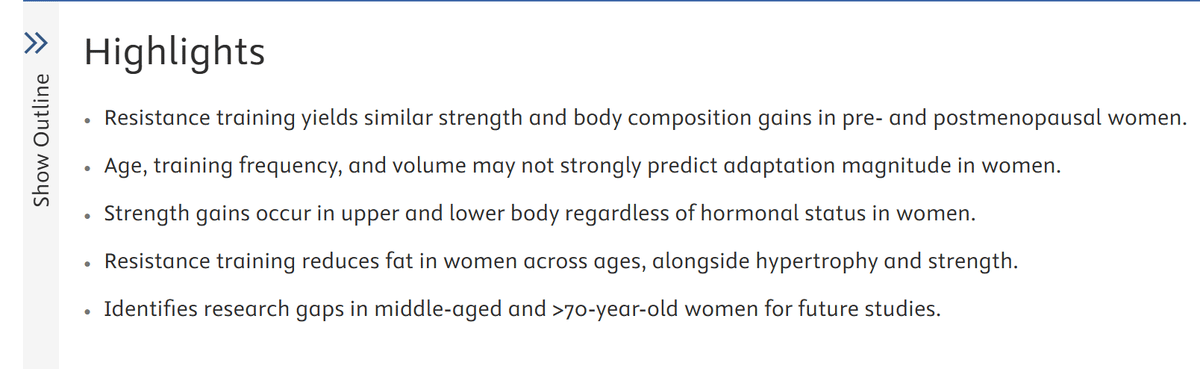
Resistance Training Boosts Strength and Body Composition at Any Age
It's never too late: The impact of resistance training on strength and body composition in females across the lifespan – A systematic review and meta-analysis https://t.co/kZMU3fsQFL https://t.co/WX5rrbenCQ
Blood Testing & Biomarker Profiling Clinical Guide: 2026 Medical Standards
2026 clinical standards shift blood testing from reactive panels to high‑resolution, predictive biomarker profiling for longevity medicine. Strong evidence now prioritizes ApoB and Lp(a) for atherosclerotic risk, fasting insulin for early metabolic syndrome, and hs‑CRP for vascular inflammation, while liquid...
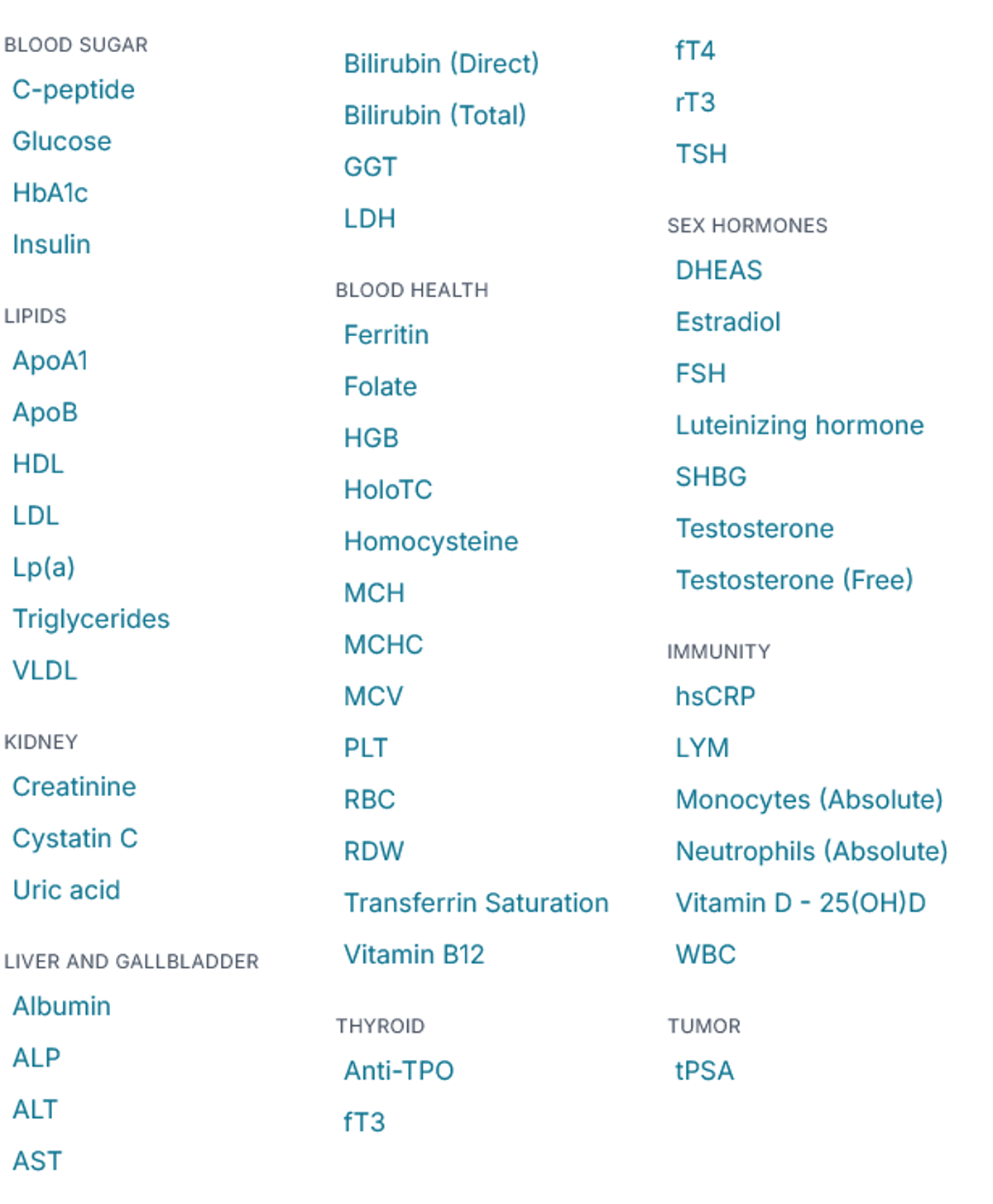
Best Biomarkers and New Biological Age, Bortz Blood Age Calculator (Free)
The Bortz Biological Age Clock, built on UK Biobank data from over 306,000 participants, leverages 25 blood biomarkers to estimate physiological age. Using an elastic‑net Cox regression and an actuarial conversion, the model achieves a concordance index of 0.778, surpassing...
Dasatinib and Quercetin as Senolytic May Cause Brain Damage
Dr. Natalia Mitten argues that total white‑blood‑cell counts mask age‑related immune shifts, making high‑resolution profiling of T‑cell p16^INK4a and TCF7 essential for assessing Immune Resilience (IR). Her SapereX "Hexagon" model links six immune domains to a composite Immune Longevity Score,...
Study Shows Personalized Protein Intake Boosts Body Composition, Calls for New Guidelines
A peer‑reviewed study of 7,910 U.S. adults reveals that protein requirements differ markedly between active and inactive individuals, with active adults consuming 82 g versus 79 g daily and needing up to 2.2 g/kg body weight. Researchers say the findings demand a shift...

UCLA Study Shows Creatine Boosts Immune Cells, Slows Tumor Growth
UCLA scientists have demonstrated that daily creatine supplementation supercharges dendritic cells, leading to slower melanoma growth in mice and stronger activation of human immune cells. The findings point to a low‑cost dietary tweak that could broaden the reach of existing...
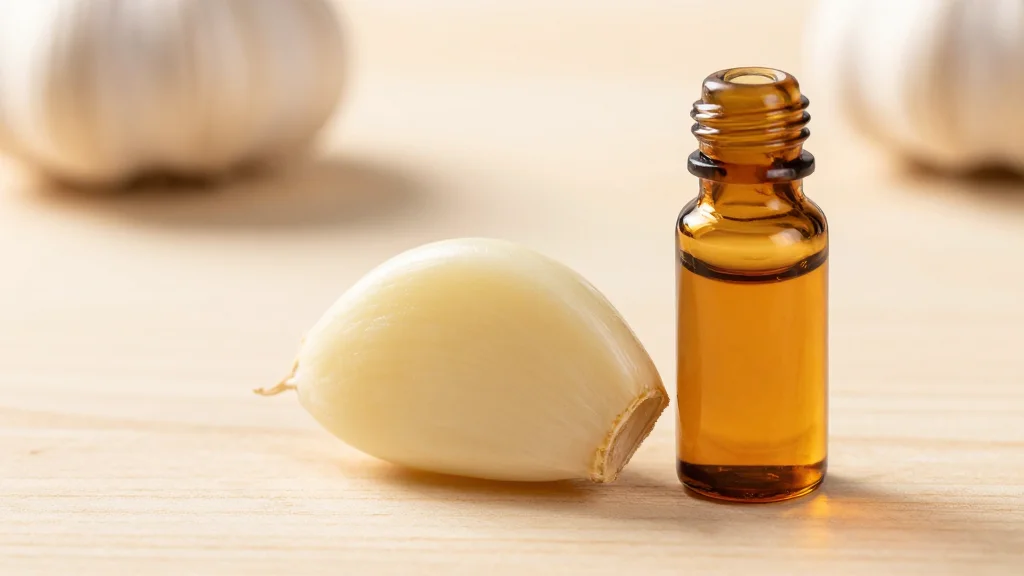
Aged Garlic Compound S‑allyl Cysteine Boosts Longevity Pathways in Mice and Humans
Researchers publishing in Cell Metabolism report that S‑allyl cysteine (S1PC) from aged garlic extract activates a fat‑to‑brain signaling cascade that raises eNAMPT, improves muscle quality in aged mice, and increases circulating eNAMPT in healthy adults after a single 25 mg dose.
Integrating Prevention, Care, and Anti‑Aging Science Boosts Healthspan
A recent Aging-US editorial argues that the future of public health will require combining prevention, clinical care, and therapies that target the biology of aging to extend not only lifespan, but also healthspan, resilience, and quality of life in aging...

Scientists Map Harmful Senescent Cells and Spot Natural Senolytic Rhodiola Rosea
A precision anti‑aging review has pinpointed the senescent cell types that drive tissue damage, while a separate Japanese study has named Rhodiola rosea as a natural senolytic that eliminates those cells in mouse models. The findings promise more selective interventions...
Isoleucine Restriction Boosts Mouse Lifespan Up to 33% in New Study
A University of Wisconsin team showed that cutting dietary isoleucine extended male mouse lifespan by 33% and improved health markers across both sexes. The findings offer a concrete dietary target for longevity enthusiasts and could reshape biohacking strategies.
The Beginning of the End of Atherosclerosis?
PCSK9 inhibitors have dramatically lowered LDL‑C and cardiovascular events, but require ongoing dosing. Eli Lilly’s VERVE‑102 uses base‑editing gene therapy to permanently disable the PCSK9 gene, delivering a single intravenous infusion. In a Phase I study of 35 high‑risk patients, LDL‑C fell...
90‑120 Minutes of Strength Training a Week Cuts Death Risk by Up to 27%
Researchers analyzing three decades of data from more than 147,000 adults found that 90‑120 minutes of strength training per week lowers all‑cause mortality by 13%, cardiovascular death by 19% and neurological death by 27%. The benefit peaks at two hours...
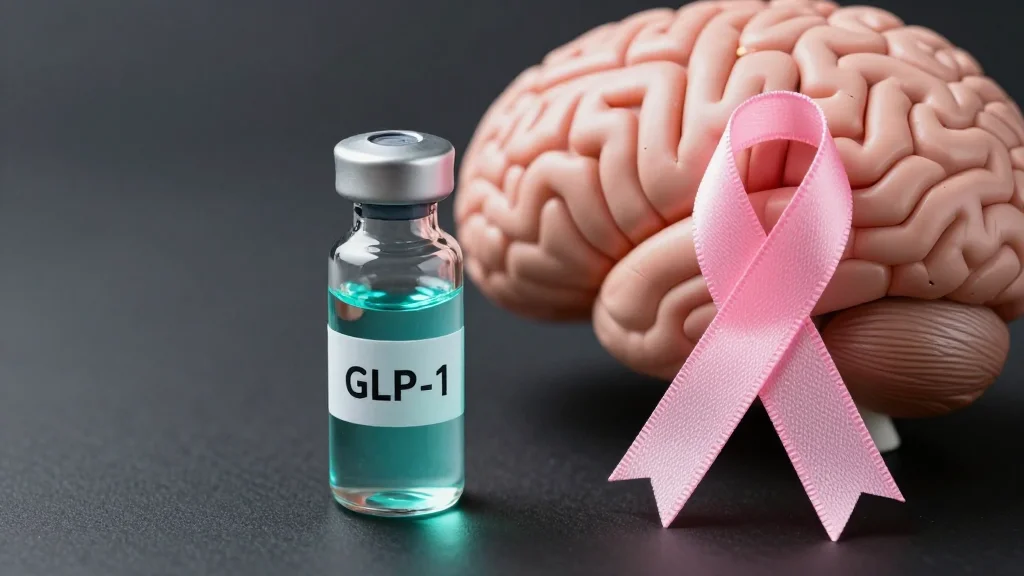
GLP‑1 Drugs Show 28% Weight Loss, Cut Breast Cancer Risk, and Quiet Cravings
Three recent studies – a Nature paper on brain circuitry, Eli Lilly’s TRIUMPH‑1 Phase 3 trial, and a June 2026 cancer‑outcome analysis – show GLP‑1 drugs not only suppress appetite but also dampen reward‑driven eating, produce up to 28% body‑weight loss, and...
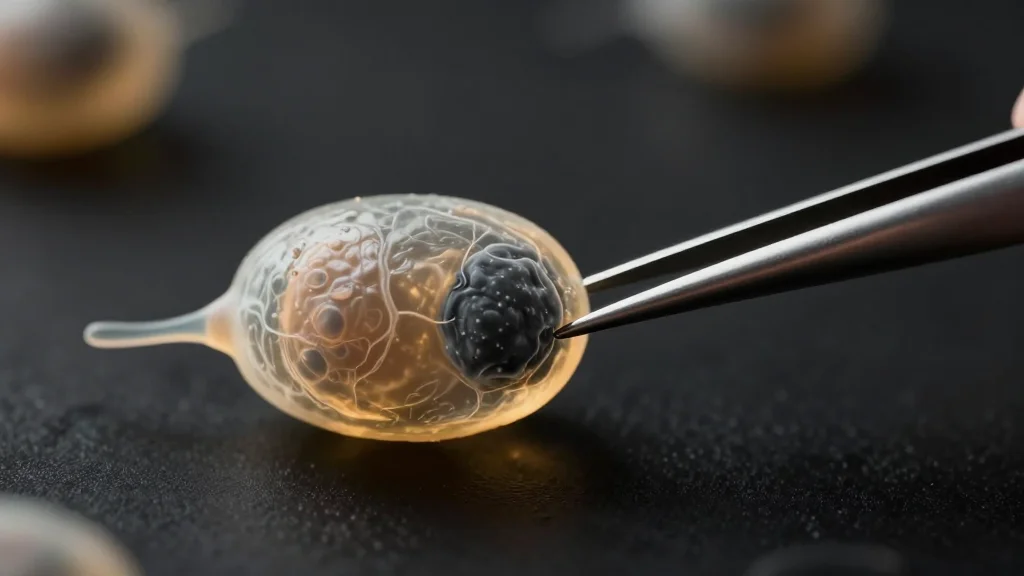
"Zombie" Cells Are A Sign Of Aging — What Health Risks Do They Pose?
A recent precision‑aging review in the journal Aging challenges the blanket view that all senescent, or “zombie,” cells are detrimental. It shows that while some senescent cells fuel inflammation and disease, others, such as pancreatic beta cells, can enhance physiological...