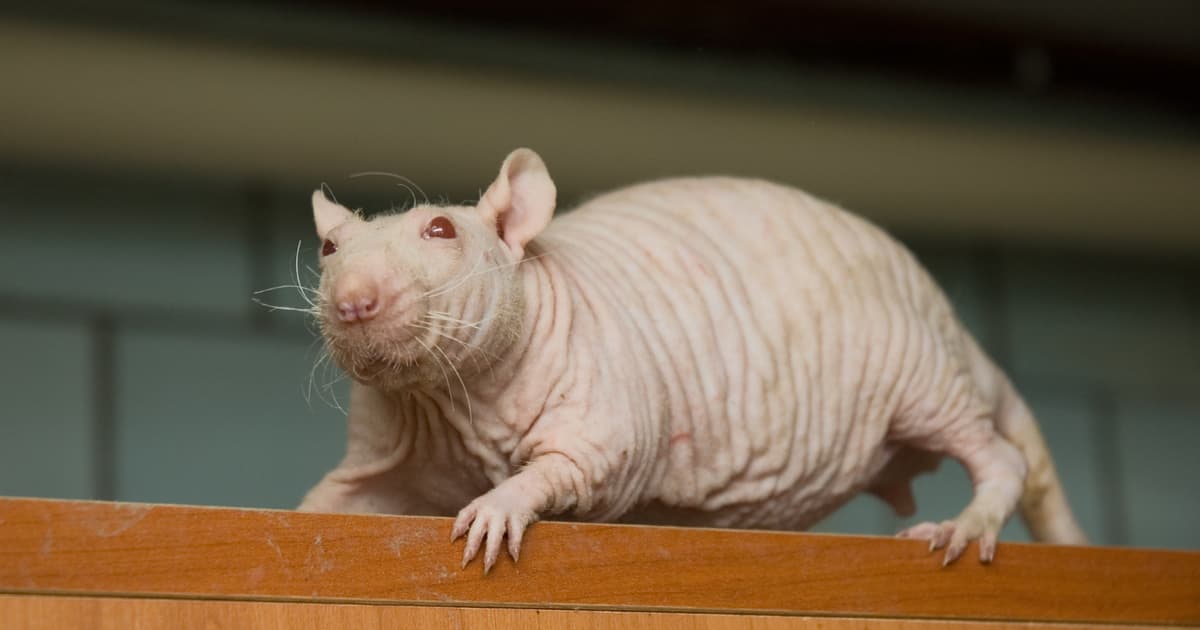
Naked Mole-Rats Age so Slowly, Resist Cancer so Well and Survive Oxygen Loss so Strangely that Researchers Now Study Them as One of Nature’s Best Clues to Human Ageing.
Why It Matters
These findings provide concrete, testable mechanisms that could inform new anti‑aging and cancer‑prevention strategies for humans, a priority for biotech and pharmaceutical research.
Key Takeaways
- •Naked mole‑rats live >30 years, ten times longer than similar rodents.
- •They resist cancer via unusually large hyaluronan that blocks cell over‑growth.
- •They survive <5% oxygen and brief anoxia by switching to fructose metabolism.
- •Mole‑rat hyaluronan gene inserted into mice raised lifespan 4.4% and cut tumors.
- •Scientists view these traits as testable pathways for human aging interventions.
Pulse Analysis
Naked mole‑rats have become a poster animal for longevity research because they defy the typical aging curve seen in mammals. While a mouse averages four years, these subterranean rodents can reach nearly forty, showing negligible senescence—a flat mortality risk that persists until the end of life. Their colonies remain reproductively active and physically capable for decades, prompting biologists to probe the cellular maintenance systems that keep proteins stable and gene splicing precise over such an extended period.
Two standout mechanisms have captured scientific attention. First, the animals produce a high‑molecular‑weight hyaluronan, five times larger than that in humans or mice, which creates a crowd‑sensing brake on cell proliferation, effectively preventing tumor formation. When researchers stripped this molecule from mole‑rat cells, cancer susceptibility returned, confirming its protective role. Second, the species thrives in hypoxic burrows by shifting metabolic fuel from glucose to fructose, allowing vital organs to generate energy without oxygen. This metabolic flexibility lets them survive hours at 5% oxygen and brief periods of total anoxia, a feat unmatched by most mammals.
Translational efforts are now testing whether these natural defenses can be harnessed for human health. In 2023, inserting the mole‑rat hyaluronan synthase gene into mice yielded a modest 4.4% increase in median lifespan and a noticeable drop in age‑related tumors, demonstrating proof of concept but also underscoring the incremental nature of such gains. Ongoing pre‑clinical work aims to develop drugs that preserve or mimic the large hyaluronan in humans, while parallel studies explore fructose‑based metabolic pathways for ischemic injury. Though the road from rodent to patient is long, the naked mole‑rat offers a tangible blueprint for aging and cancer research, positioning it as a valuable model in the biotech pipeline.
Naked mole-rats age so slowly, resist cancer so well and survive oxygen loss so strangely that researchers now study them as one of nature’s best clues to human ageing.
Comments
Want to join the conversation?
Loading comments...