Today's Biohacking Pulse

Menopausal Hormone Therapy Cuts Low Bone Density Risk by 69%
A retrospective analysis shows women receiving menopausal hormone therapy experienced a 69% lower risk of developing low bone mineral density compared with non‑users. The result highlights hormone therapy as a potentially powerful tool for preserving skeletal health during menopause.
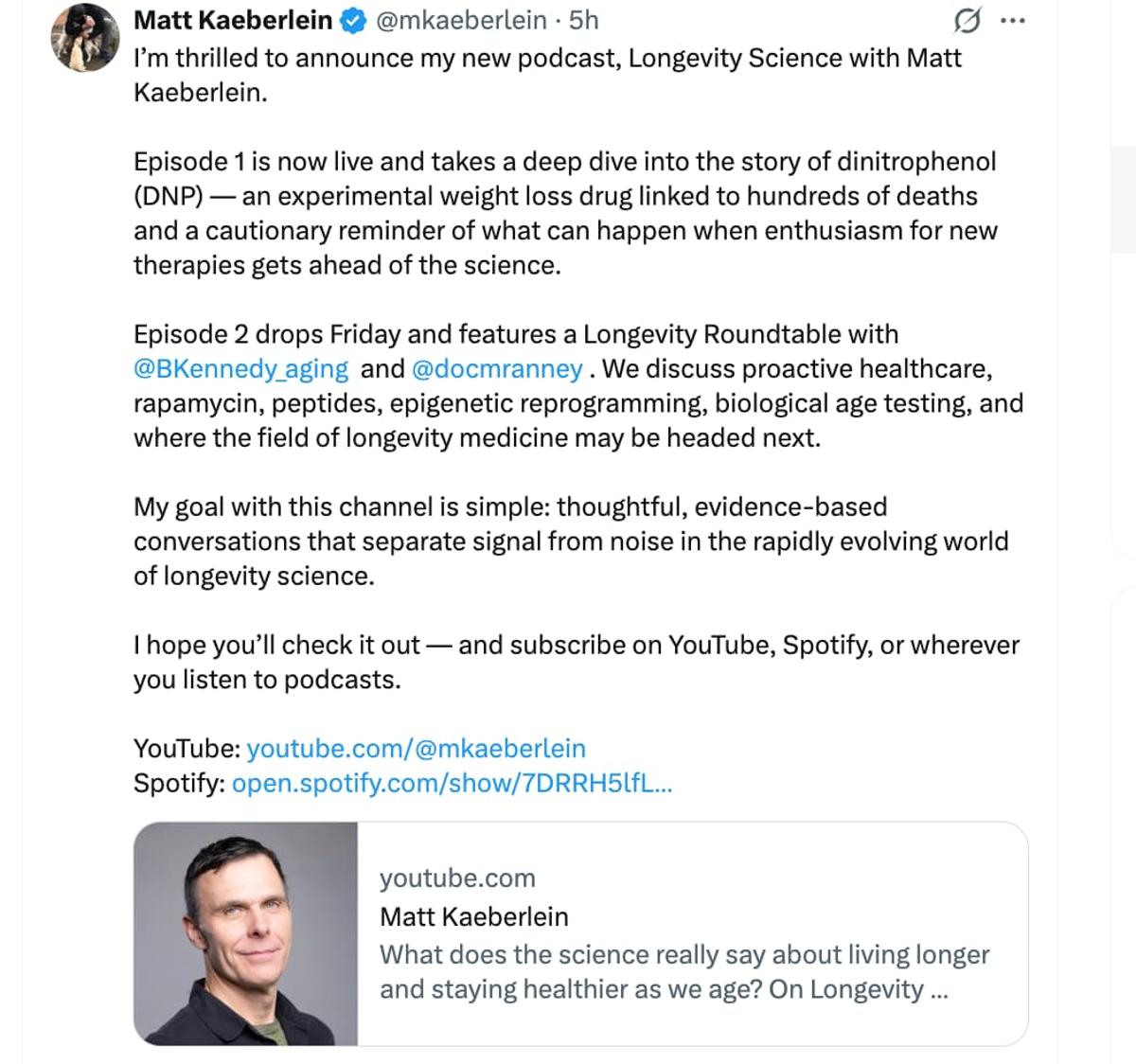
Matt Kaeberlein's New Longevity Science Podcast / Youtube Channel (May, 2026)
Matt Kaeberlein and Brian Kennedy introduced LinAge, a second‑generation mortality‑risk clock built on standard clinical chemistry panels, positioning it as a reproducible alternative to first‑generation DNA‑methylation clocks. They highlighted the technical instability and lack of clinical actionability of epigenetic clocks, arguing that LinAge’s principal‑component framework lets physicians model the impact of correcting specific biomarkers. The discussion also debunked the long‑standing belief that blood NAD+ declines with age, shifting focus toward tissue‑specific interventions such as spermidine‑induced autophagy and alpha‑ketoglutarate modulation. Finally, they offered a tiered protocol recommending spermidine supplementation and targeted lipid‑lowering therapies for individuals with elevated LinAge risk components.
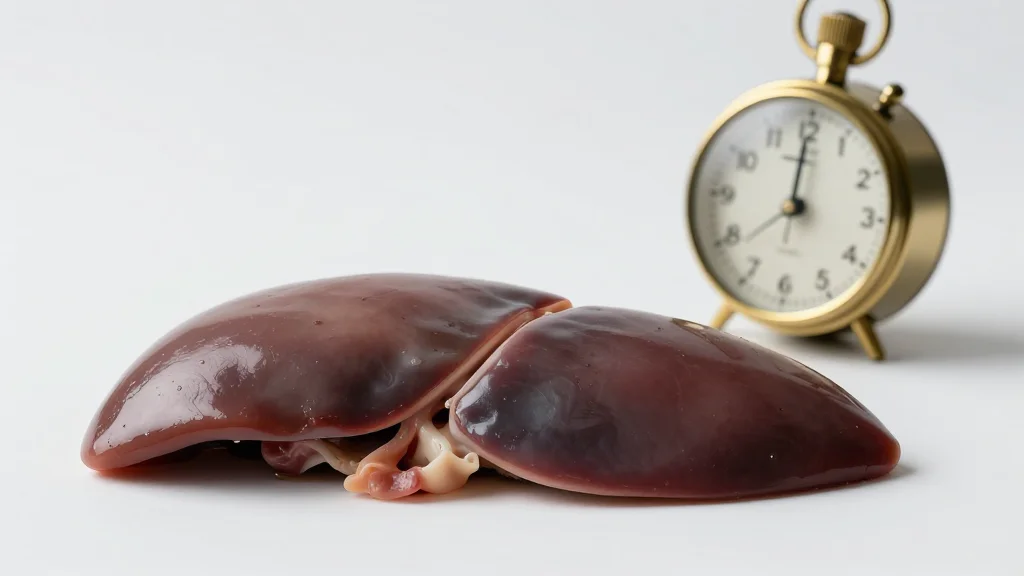
This Underrated Habit Could Majorly Boost Liver & Metabolic Health
New research published in Nature Metabolism reveals that irregular eating patterns can throw off the liver’s internal circadian clock, altering the timing of protein secretion that governs metabolism. In a controlled trial, participants who ate meals at consistent times preserved...

Study Finds 6.4‑7.8 Hours of Sleep Maximizes Longevity, Cuts Depression Risk
Researchers at Columbia University Irving Medical Center analyzed half‑million UK Biobank participants and identified 6.4‑7.8 hours of nightly sleep as the sweet spot for slowing biological ageing and reducing depression risk. The findings, published in Nature, sharpen public‑health guidance on...
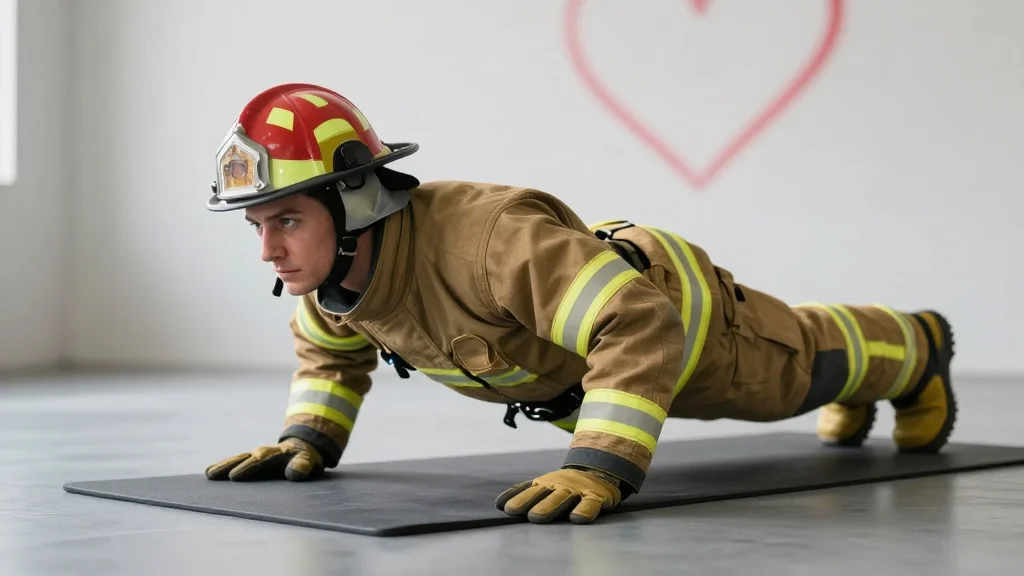
Harvard Study Finds Push‑Up Capacity Cuts Heart Disease Risk by 96%
Researchers at Harvard T.H. Chan School of Public Health reported that male firefighters who could complete more than 40 push‑ups had a 96% lower incidence of cardiovascular disease over a decade compared with those who managed fewer than 10. The...

A Bat-Inspired View of Greater Human Longevity
Bats defy conventional size‑based lifespan expectations, living far longer than comparable mammals thanks to a suite of cellular and immune adaptations. Researchers have distilled these traits into the Core Longevity State Vector (CLSV‑6), a six‑component immunotype that emphasizes damage tolerance,...
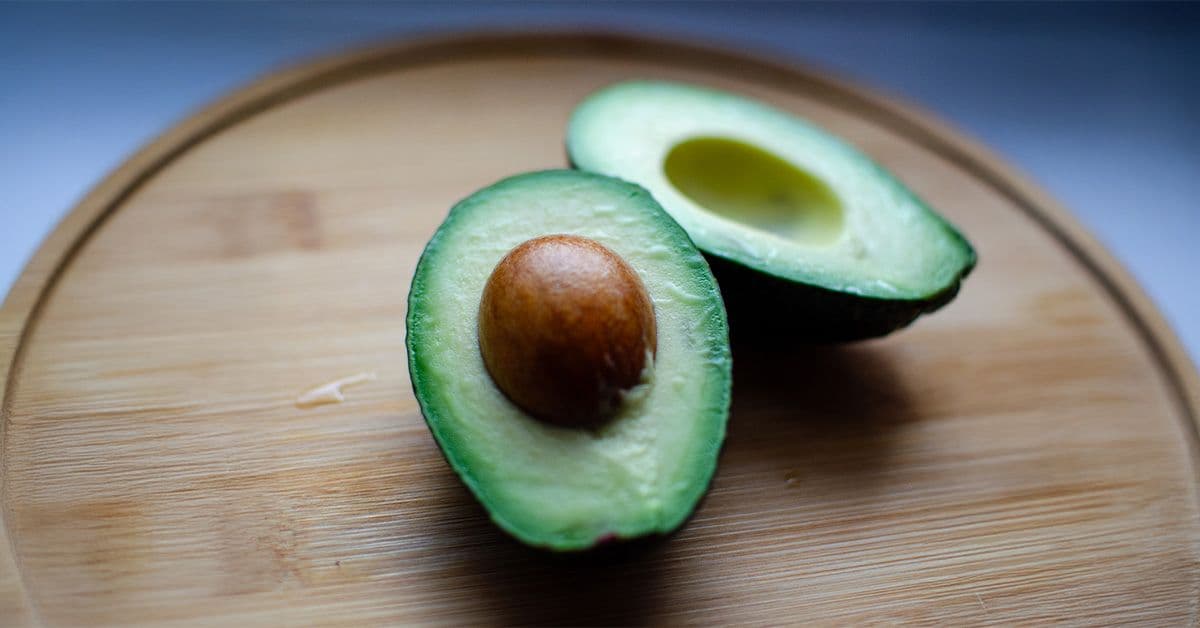
An Avocado a Day May Help Control Blood Sugar, Study Claims
A secondary analysis of the Habitual Diet and Avocado Trial found that participants who ate one large avocado each day for six months experienced a lower dietary glycemic load than a control group. The study involved 961 overweight or obese...

Higher Diet Quality May Slow Metabolic Aging, Study Finds
Researchers analyzing U.S. NHANES data and a Chinese health‑check cohort report that higher Healthy Eating Index scores are associated with lower insulin resistance and more favorable lipid markers, suggesting a slower pace of metabolic aging. The link appears partly mediated...

Weekly Volunteering Linked to Slower Biological Aging in New Study
Researchers analyzing data from 2,605 older Americans found that volunteering one to four hours per week is associated with slower biological aging. Published in the January issue of Social Science & Medicine, the study suggests a low‑cost, socially engaging habit...

This Is How to Use Red Light to De-Age Your Hands
Red light therapy, now popular in at‑home devices, delivers specific wavelengths that boost cellular energy, prompting collagen and elastin production. Dermatologists note that the thin, sun‑exposed skin on the backs of the hands ages faster than facial skin, making it...

Helmholtz HIRI Team Unveils CRISPR ‘Molecular Scalpel’ to Erase Undesired Cells
Researchers from Helmholtz HIRI, Julius‑Maximilians‑Universität Würzburg, Akribion Therapeutics and U.S. universities have demonstrated a CRISPR‑Cas12a2 system that can identify and eliminate specific eukaryotic cells, a breakthrough dubbed a “molecular scalpel.” The Nature paper shows the nuclease shreds DNA upon RNA‑triggered...
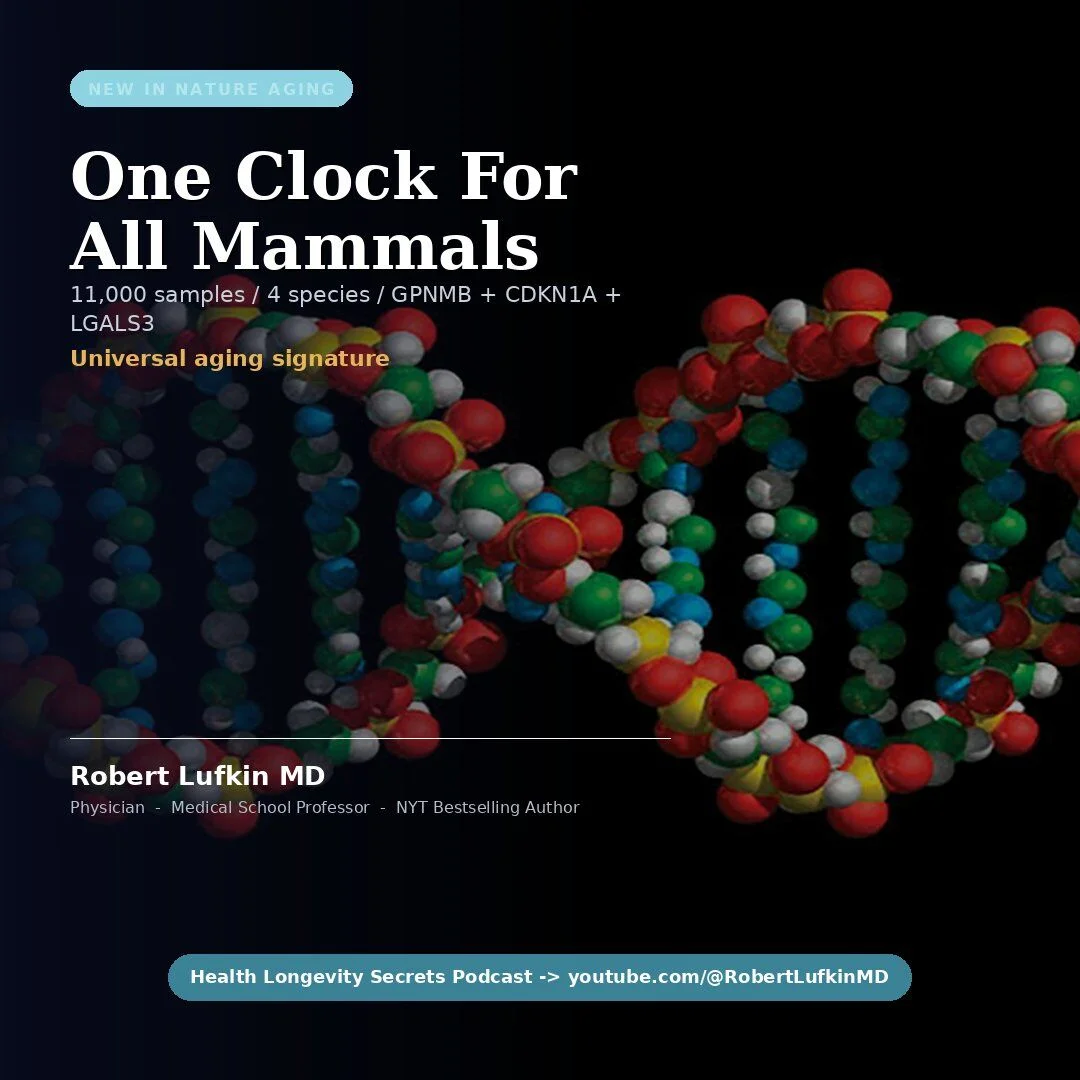
Universal Aging Clock Links Mice to Humans via Shared Genes
A new study built one biological-age predictor that holds across mice, rats, macaques, and humans -- and it traces aging back to a small set of shared genes. (1/5)
Organ-Specific Biomarkers Reveal Tissue-Specific Aging Gaps
Different tissues age , well, differently... - Suggestion for biomarkers with high organ specificity and reference ranges for organ age gaps. https://t.co/ZtJ0I248yU

How a Simple Blood Test Could Help Detect Heart Damage During Breast Cancer Treatment
Researchers observed that cardiac troponin I levels and ECG abnormalities rise during breast‑cancer chemotherapy, suggesting a simple blood test could flag early heart stress. In a pilot study of 50 women receiving anthracyclines or trastuzumab, troponin spikes coincided with prolonged...
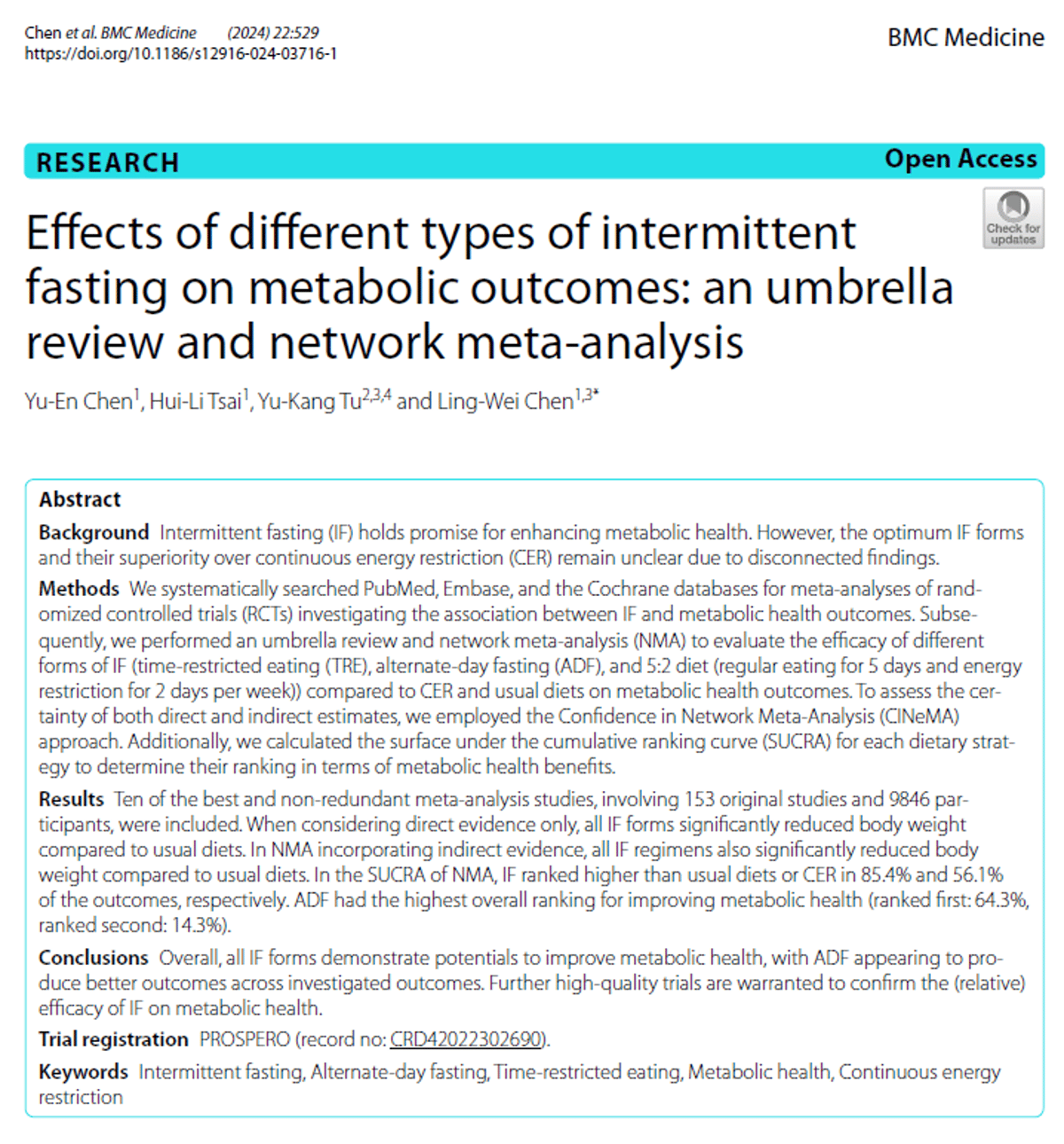
Intermittent Fasting Yields Modest Gains, Not Superior to Calorie Restriction
Intermittent fasting shows mostly modest benefits; the clearest gains are versus usual eating, not an across-the-board edge over daily calorie restriction. 🧵 1/7 https://t.co/1a6K0sq5OM
Fractyl Health Reports 78% Weight Retention One Year After Revita Procedure
Fractyl Health announced that 78% of GLP‑1‑induced weight loss was maintained one year after a single Revita endoscopic procedure in its open‑label REVEAL‑1 cohort. The data, drawn from 22 participants who had lost at least 15% of body weight on...
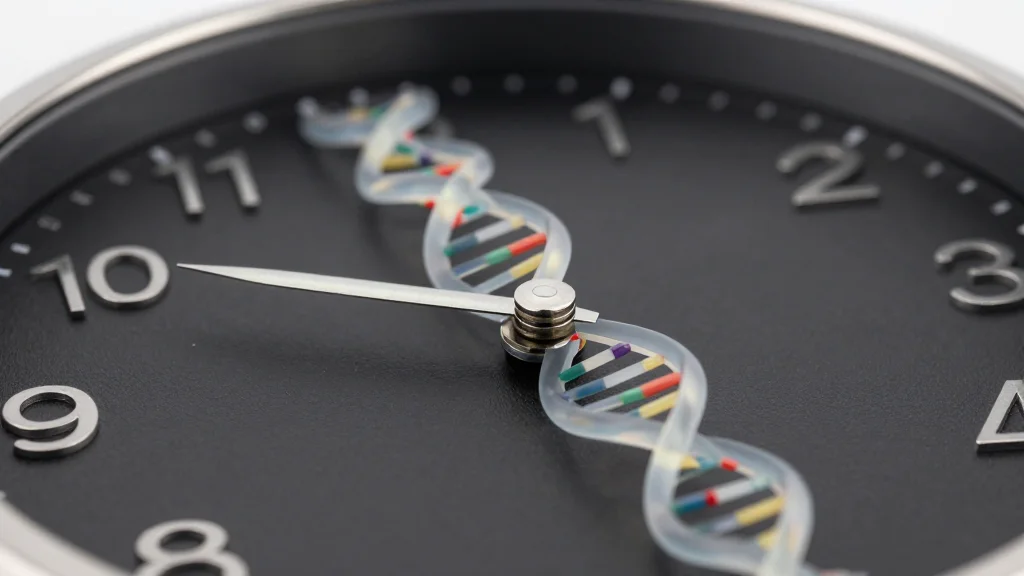
A Cross-Species Transcriptomic Aging Clock
Researchers combined more than 11,000 transcriptomes from mouse, rat, macaque and human tissues to create a cross‑species transcriptomic aging clock. The model accurately predicts chronological age, time‑to‑death and mortality‑linked disease risk, uncovering conserved gene signatures such as CDKN1A and LGALS3....
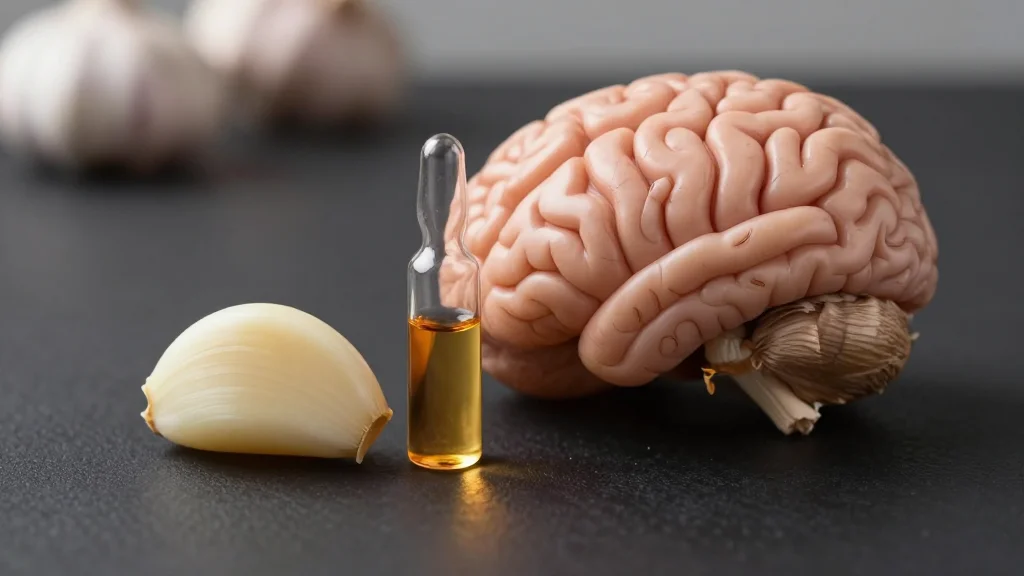
How This Little-Known Compound Impacts Fat, Brain & Muscle Health
A recent Cell Metabolism study identified S‑1‑propenyl‑L‑cysteine (S1PC), a compound in aged garlic extract, as a trigger for a fat‑to‑brain signaling cascade that raises eNAMPT and supports muscle function in aged mice. The pathway bypasses direct muscle action, instead sending...

‘Unmatched’: Nutra Healthspan Summit Returns for November 2026
The Nutra Healthspan Summit returns for its second edition on November 10‑11, 2026, at Convene in London. The two‑day forum will convene brands, researchers, product developers, and investors to explore cutting‑edge advances in cellular aging, mitochondrial function, women’s health, cognition,...

The Inflammation Paradox: Why Molecular Swapping in the IL-6 Pathway Dictates Human Lifespan
Statins lower circulating interleukin‑6 (IL‑6) through cholesterol‑independent, pleiotropic actions that inhibit prenylation of Rho‑family GTPases and suppress NF‑κB signaling. A network‑meta‑analysis ranking shows atorvastatin achieving the greatest IL‑6 reduction (35‑44%), while rosuvastatin’s effect ranges from negligible to 56% depending on...

UAE Approves Novo Nordisk’s Wegovy Pill, Calls for Careful Use
UAE health authorities have approved Novo Nordisk’s oral semaglutide pill, Wegovy, for prescription use, making it the first market outside the United States to receive the drug in tablet form. Novo Nordisk executives and local physicians are urging that the...

Novel Synthetic Biomolecule Degrades Disease-Related Proteins
Northwestern Medicine researchers have engineered a synthetic biomolecular condensate that directs intracellular antibodies to the proteasome, enabling selective degradation of the oncogenic KRAS G12V protein. The condensate embeds a short proteasome‑targeting motif, preserving antibody function and achieving uniform delivery across cells....
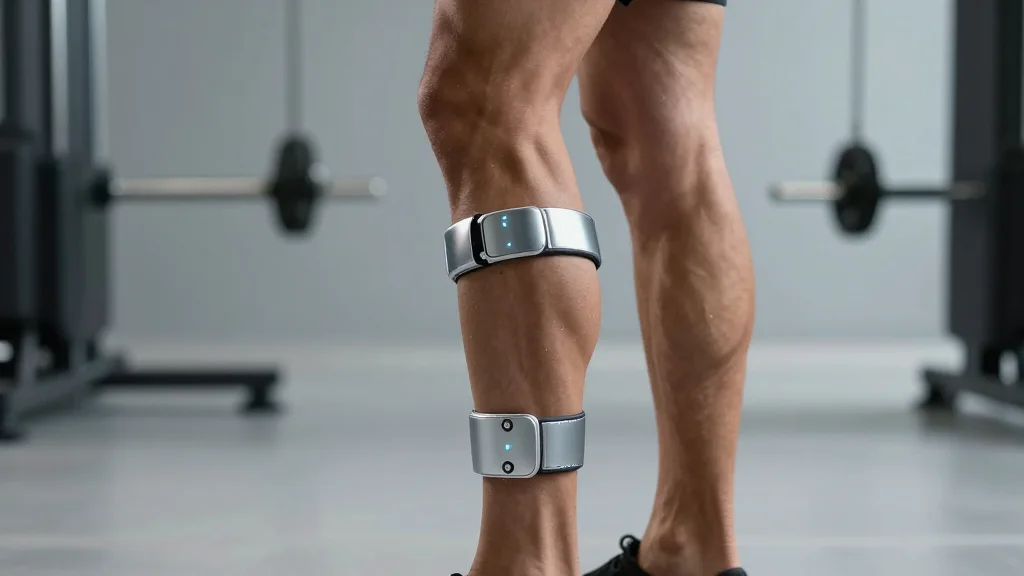
Giants Add $2 Million Sports‑Science Suite to Fight Achilles Tears
After three Achilles tendon ruptures in three weeks, the New York Giants are installing four new pieces of sports‑science equipment to monitor movement patterns and individualize training. Head coach John Harbaugh says the upgrades aim to catch problems before they...

HTERT‑Derived Peptide GV1001 Reverses Alzheimer‑Like Neurodegeneration in Mice
Researchers publishing in Experimental & Molecular Medicine report that GV1001, a peptide fragment of human telomerase reverse transcriptase, halted and reversed neurodegeneration in Alzheimer‑like mice. The treatment improved memory performance, lowered amyloid‑beta plaques and tau hyperphosphorylation, and showed a favorable...

Is Poor Sleep to Blame for Low Testosterone?
Sleep is a primary driver of testosterone production, with 70‑90% of daily hormone output occurring during nightly rest. A University of Chicago study showed that limiting sleep to five hours for a week drops testosterone by roughly 15%, equivalent to...
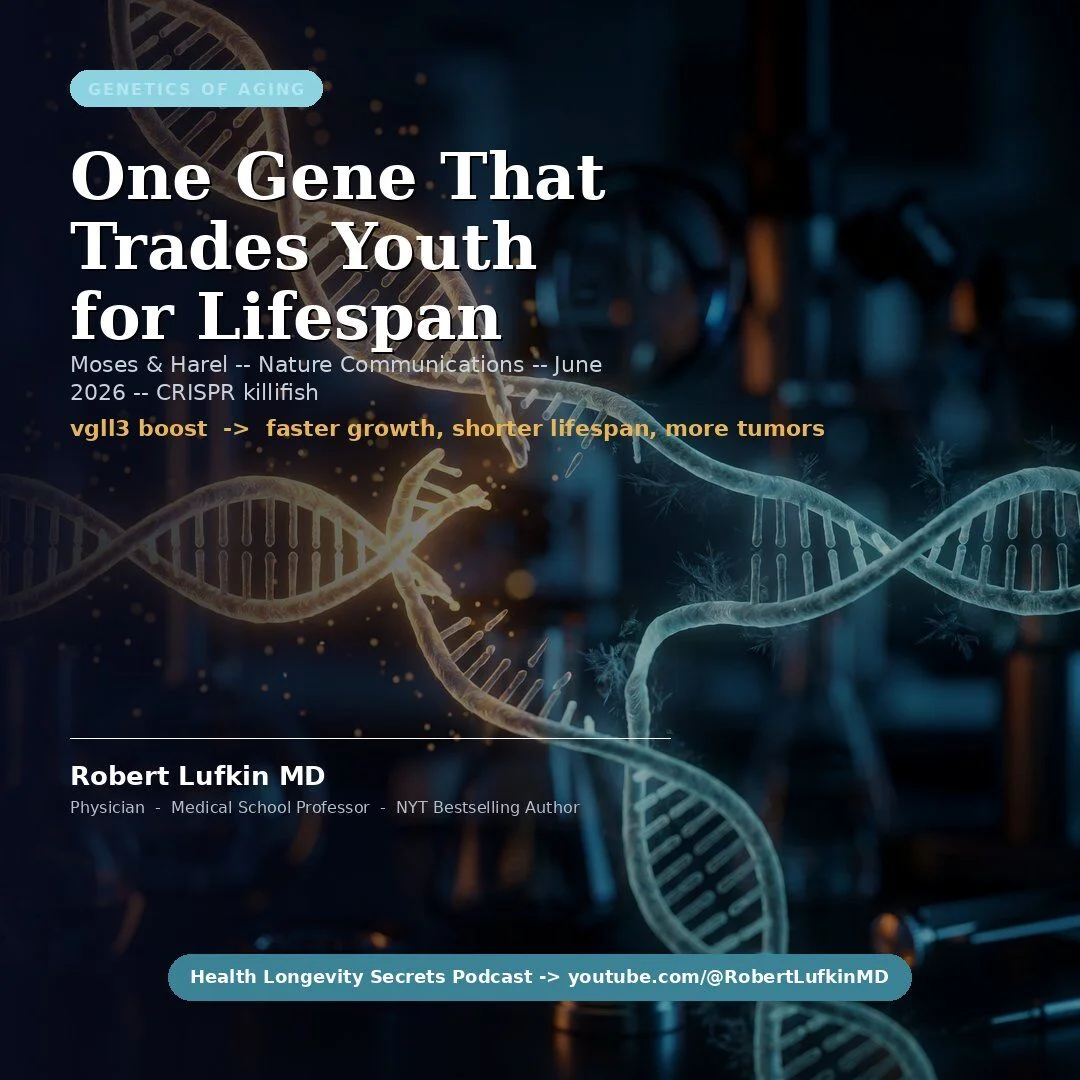
Single Gene Links Youthful Benefits to Aging Disease
New in Nature Communications (June 3, 2026): a single gene wires together early-life advantage and late-life disease -- the most direct experimental evidence yet for antagonistic pleiotropy, the aging theory George Williams proposed in 1957. (1/4)
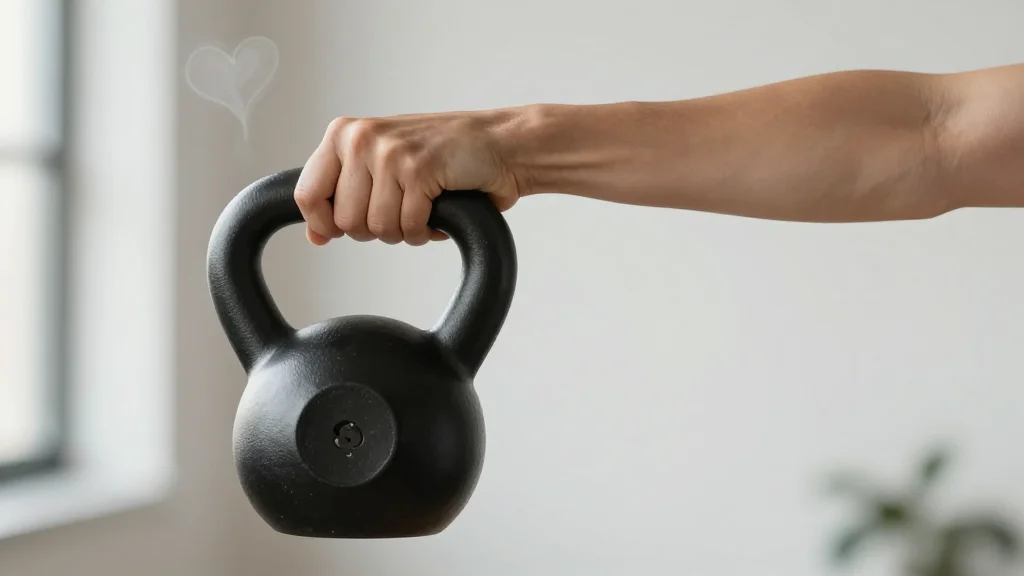
New Study Calls for Physiology‑Based Fitness Programs for Women
A new analysis of hormonal cycles and recent cardiovascular data urges fitness brands to abandon male‑centric models and adopt physiology‑based programming for women. The study finds strength training cuts women’s heart‑related death risk by 30%, three times the benefit seen...
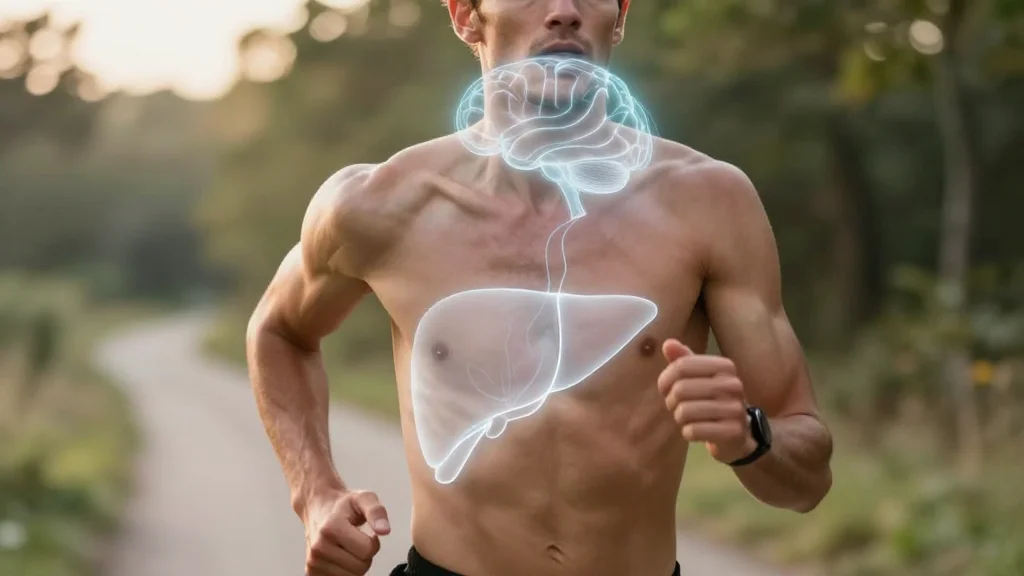
Exercise‑Triggered Liver Protein Restores Memory in Mice, Offering New Biohacking Pathway
Researchers reported that a liver protein activated by physical activity fully restored memory in mice engineered to mimic age‑related cognitive decline. The finding suggests a muscle‑liver‑brain signaling route that could be leveraged for non‑pharmacologic neuroprotection, a hot topic among biohackers...

Six Minutes of Vigorous Exercise Boosts Brain‑Protecting Protein Fivefold, Study Finds
A new study published in The Journal of Physiology shows that just six minutes of high‑intensity exercise generates a four‑to‑five‑fold increase in brain‑derived neurotrophic factor (BDNF) compared with 90 minutes of light activity. The finding gives a concrete, science‑backed method...

University Study Finds Dasatinib‑Quercetin Combo Damages Mouse Brain Myelin
Researchers at the University of Connecticut reported that the experimental senolytic duo dasatinib and quercetin (D+Q) caused severe myelin loss in mouse brains. The finding raises fresh safety concerns for ongoing clinical trials and for biohackers self‑administering the unapproved regimen.

Norepinephrine: Focus, Stress, Genetics, and Brain Function
Norepinephrine functions both as a brain neurotransmitter that drives focus, attention and motivation, and as a hormone that regulates blood pressure and heart rate during stress. It is produced primarily in the locus coeruleus, where its release activates α1, α2...
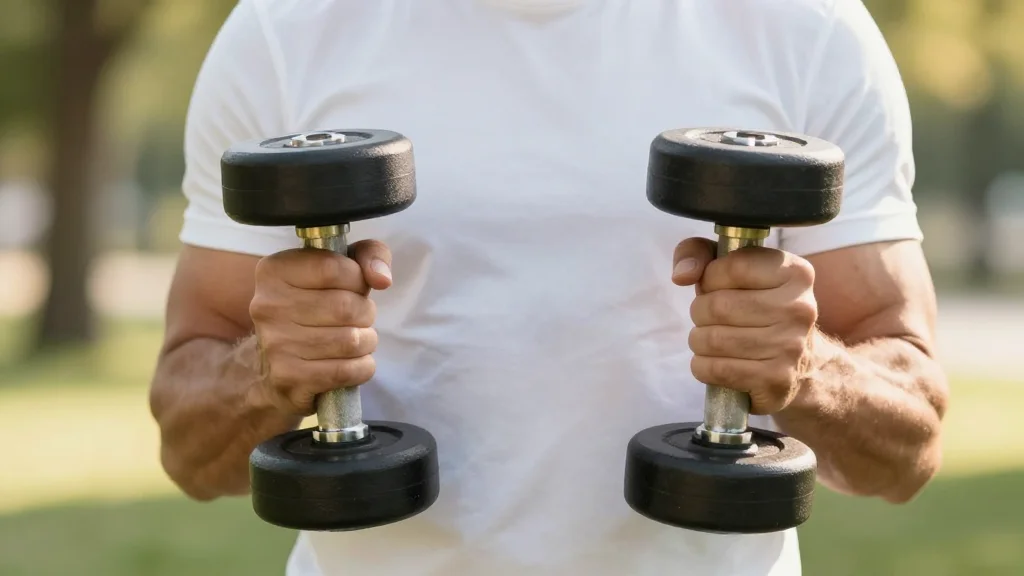
30‑Year Study Finds 90‑120 Min Weekly Strength Training Cuts Mortality by 13%
Researchers publishing in the British Journal of Sports Medicine report that 90 to 120 minutes of resistance training per week lowered all‑cause mortality by 13% among 147,374 adults tracked for up to three decades. The benefit grew when strength work...
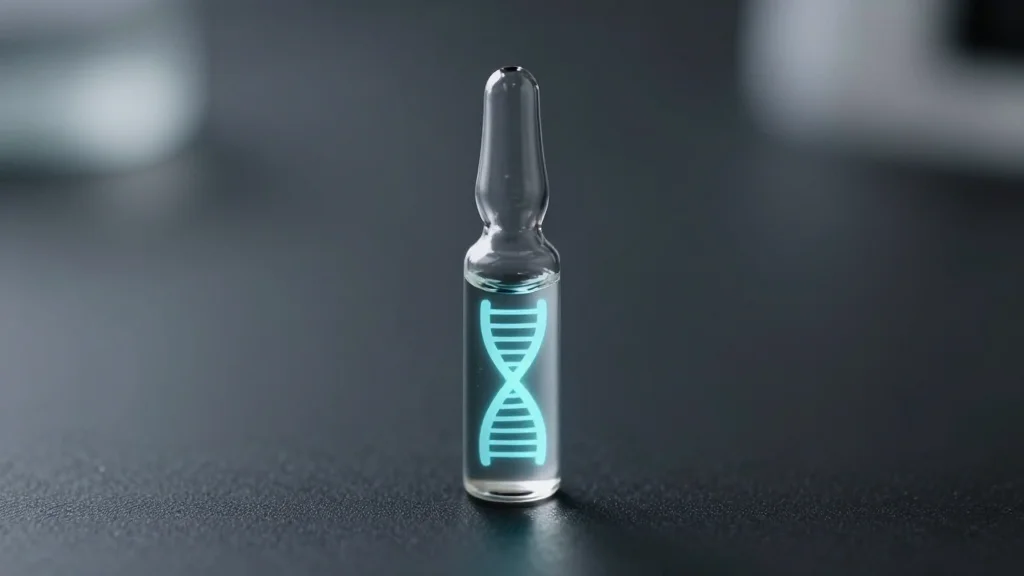
Semaglutide Slows Epigenetic Aging Markers in First Human Trial of GLP‑1 Drug
Researchers at UC San Diego reported that semaglutide, the GLP‑1 drug behind Ozempic and Wegovy, slowed DNA‑based aging clocks in a 32‑week, placebo‑controlled trial of 108 adults with HIV‑related lipohypertrophy. The findings suggest a new anti‑aging avenue for a drug...
This May Help Reduce Muscle Damage After Exercise, Study Shows
A recent study involving 34 recreationally active men examined tart cherry supplementation’s effect on muscle damage after a strenuous workout. Participants took either a placebo, low‑dose, or high‑dose tart cherry concentrate for ten days, after which muscle biopsies revealed significant...
Vitamin K2 Directs Calcium to Bones, Protects Arteries
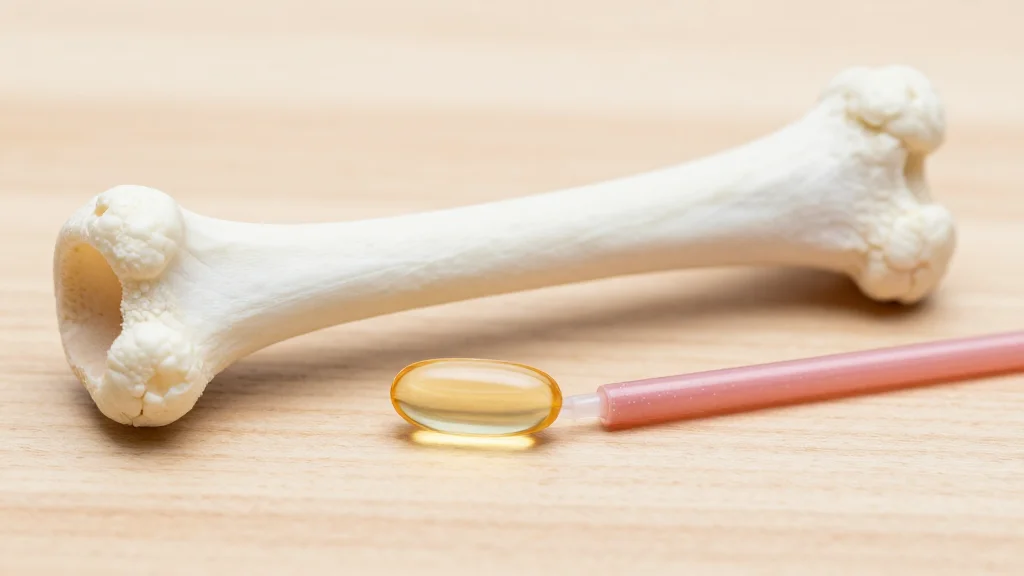
You take calcium and vitamin D for your bones thinking that’s the end of the story. Vitamin D helps your body absorb calcium from food and move it into your bloodstream. But once calcium is in circulation, your body still...
Longevity Medicine: Upstream Prevention Over Hype
My friend & colleague @Primas wrote a thoughtful reflection on longevity medicine “I didn’t leave Internal Medicine. I followed it upstream.” It separates serious longevity medicine from hype: prevention, judgment, function, & evidence applied early.👨⚕️ https://t.co/6Jndf6ycKl https://t.co/j28DnIwPPs

Killifish Gene Links Fast Growth to Shorter Lifespan, Study Finds
An international team led by researchers at Hebrew University has identified the vgll3 gene as a driver of rapid growth and early reproduction in African turquoise killifish, while simultaneously shortening lifespan and increasing tumor incidence. Published in Nature Communications, the...

Quit Smoking Cuts Dementia Risk, Especially Without Weight Gain
A new Neurology study found that quitting smoking significantly lowers the risk of dementia and cognitive decline, with the greatest benefits seen in people who avoid substantial weight gain after quitting... https://t.co/RNIIAPhuyQ
Treatment Reactivates Sluggish Healing Genes in Aging Skin
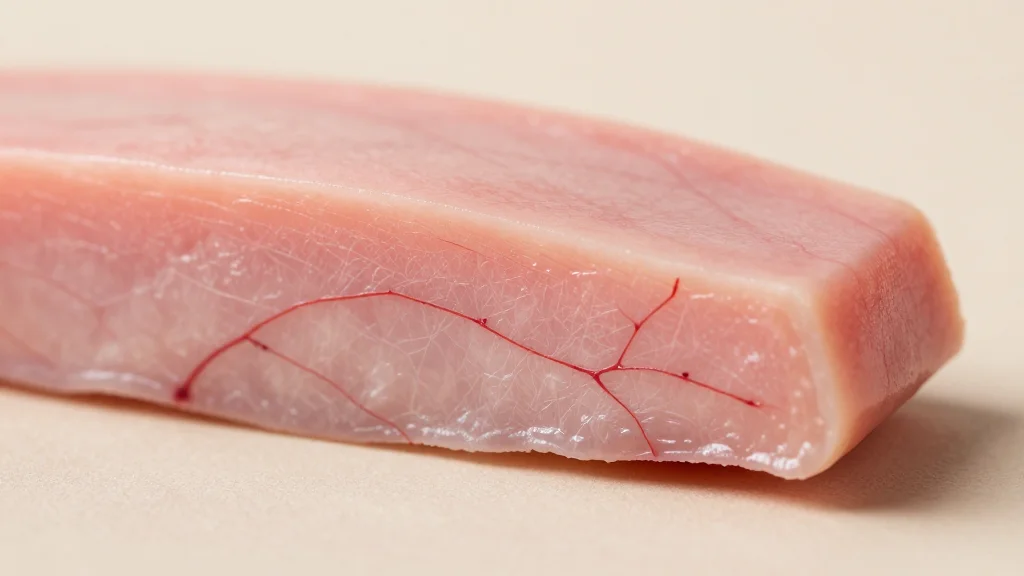
The treatment seemed to wake up healing pathways that are normally sluggish in older tissue. Gene activity increased in areas tied to wound repair, including collagen production, blood vessel growth, tissue remodeling, and other processes needed to close and strengthen...
266: Meredith Oke, Host of the Quantum Biology Collective & Non-Profit Founder: How Your Light Environment Might Be Destroying Your...
In this episode, host Molly Eastman talks with Meredith Oke, founder of the Quantum Biology Collective, about how modern light exposure—especially from LEDs and screens—disrupts circadian rhythms and degrades sleep quality. Meredith shares her personal journey from chronic fatigue to...

Top 10 Science-Backed Supplements for Health
Top 10 evidence-based supplements: 1. Creatine 2. Omega-3s 3. Taurine 4. Melatonin 5. Ashwagandha 6. Berberine 7. Magnesium 8. Psyllium husk 9. Glycine 10. NAC
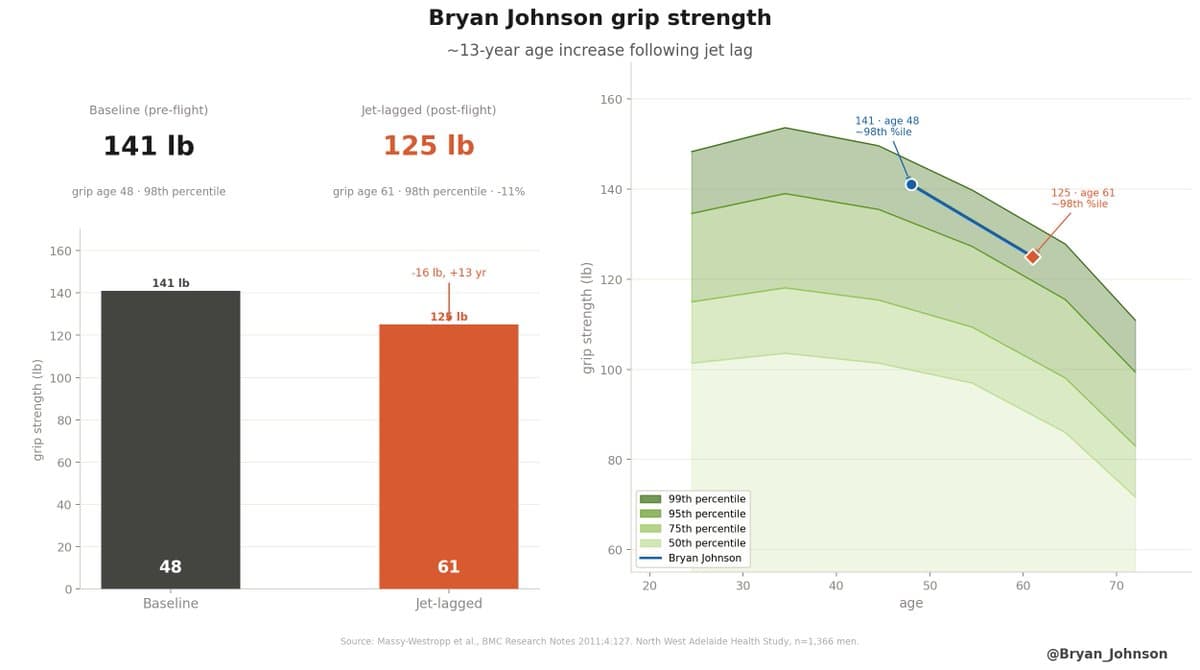
Jet Lag Adds Years to Biological Age, Study Shows
Jet lag increased my biological age by ~13 years. > as measured by grip strength > pre-travel: 141 lbs, grip age 48, ~98th percentile > post-travel: 125 lbs, grip age 61, ~98th percentile Traveled across 7 time zones, Los Angeles to Australia. Grip strength...
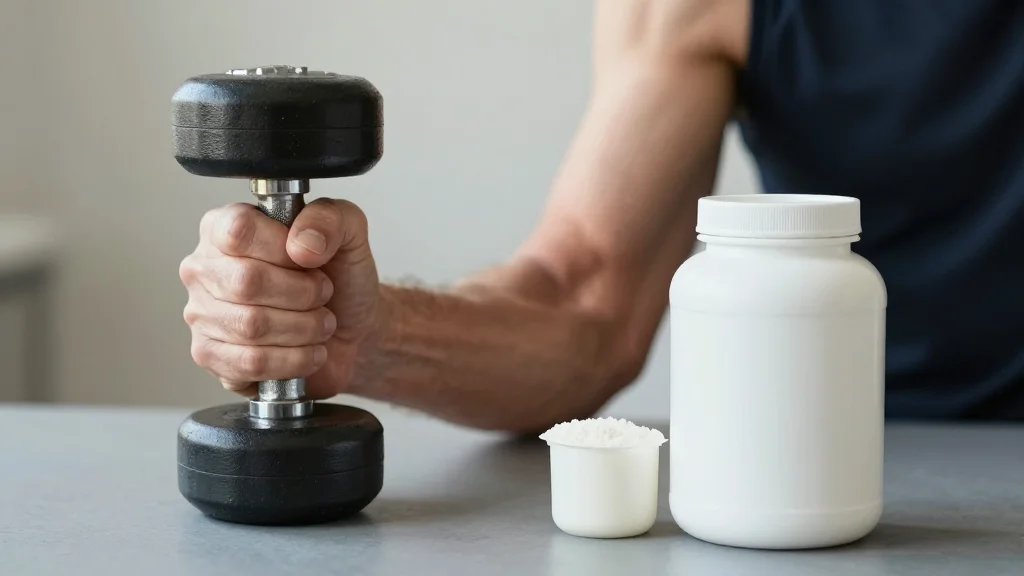
Meta‑Analysis of 235 Trials Finds Optimal Exercise‑Protein Combo to Preserve Aging Muscle
Researchers published a large meta‑analysis of 235 randomized trials that compared 24 exercise‑protein strategies for older adults. The study identified a single combination—resistance training paired with protein supplementation—as the most effective way to combat sarcopenia. The findings give fitness professionals...
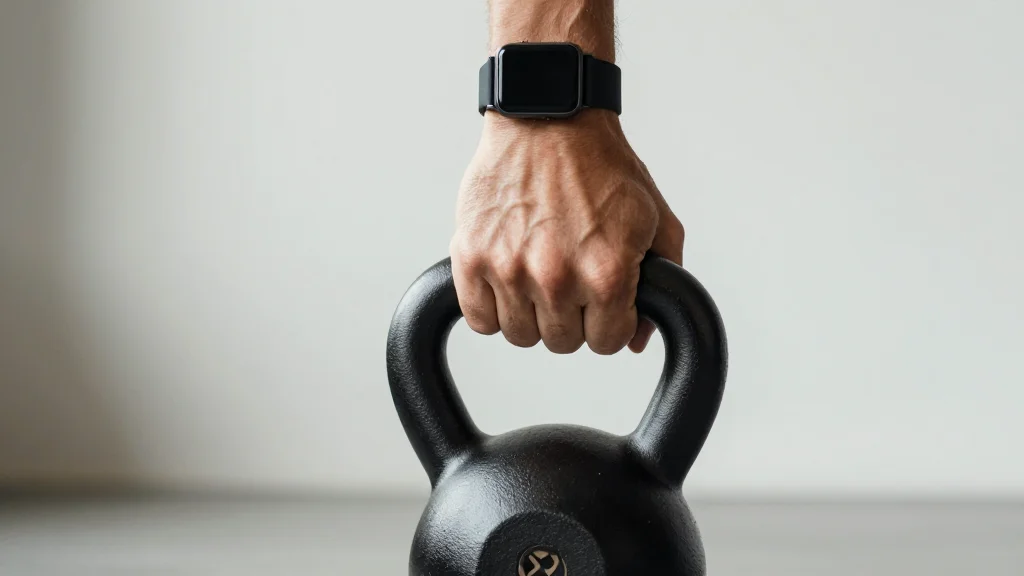
Harvard Study Finds 90‑120 Min Weekly Strength Training Cuts Mortality Risk by 13%
Harvard researchers report that 90‑120 minutes of strength training each week reduces all‑cause mortality by 13%, and cuts cardiovascular death risk by 19% and neurological death risk by 27%. The benefit plateaus above two hours, and the effect is strongest...

20‑30 Minutes: Ideal Sauna Time for Maximum Benefits
Here is the timeline of sauna benefits: 5-10 min - sweating starts 12 min - heart rate elevation 15 min - white blood cell count increases 15 min - growth hormone increases 20 min - cardiovascular benefits kick in 20-30 min - heat shock protein response 30...
Dr Brian Kennedy – Validating Aging Interventions and Why Rapamycin Is the Gold Standard
Singapore’s government is partnering with Prof. Brian Kennedy’s laboratory to launch the nation’s first human longevity studies, beginning with exercise and supplement protocols. A rapamycin trial is slated for early 2023, involving about 80 volunteers over six months and will...

How to Use Magnesium to Lower Your Blood Pressure
A recent article highlights magnesium as a practical tool for lowering blood pressure, noting that half of U.S. adult men face hypertension. Experts explain that magnesium helps relax vascular smooth muscle, supports nitric‑oxide production, and mitigates stress‑induced sympathetic activity. A...
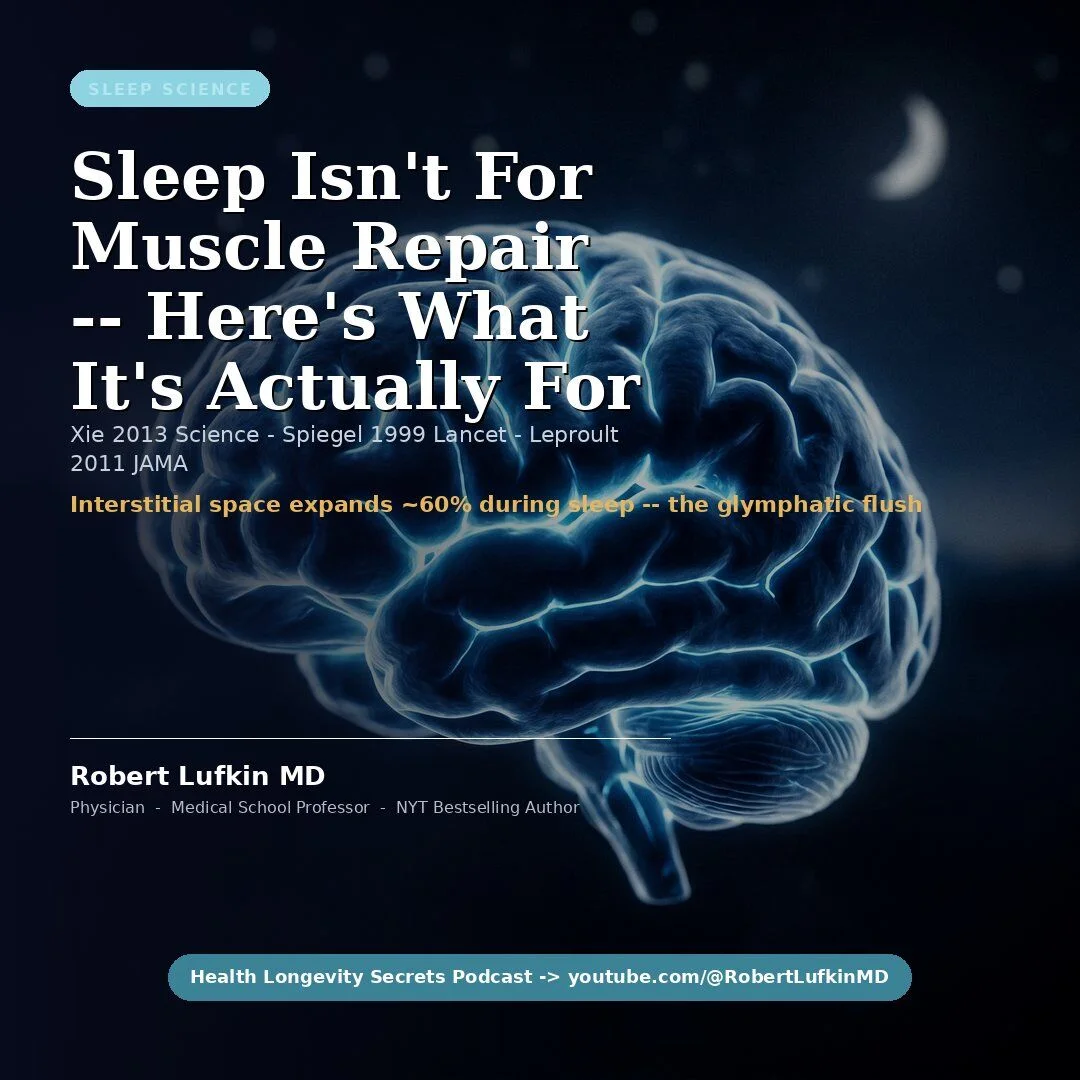
Sleep Doesn't Repair Muscles; mTOR Drops in Deep Sleep
If you've ever heard that sleep is "when your muscles repair," I have bad news. That story is wrong -- and the real answer is far more important. Muscle protein synthesis runs on a 24-48 hour clock after a workout. It...
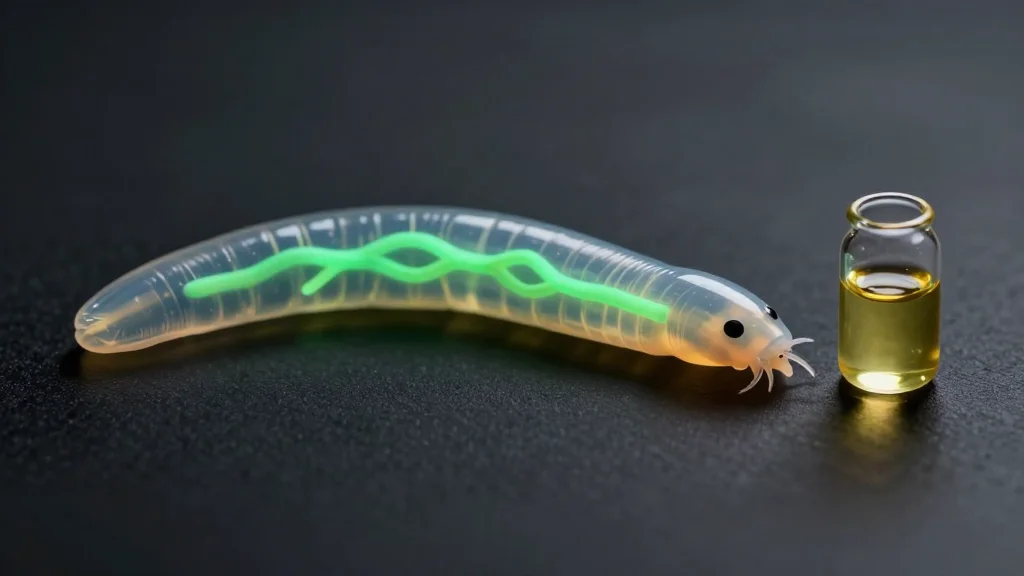
Study Finds Phosphatidylcholine Loss Drives Mitochondrial Aging, Reversible in Days
An international team led by Dr. Maria Ermolaeva at Germany's Leibniz Institute on Aging identified the membrane lipid phosphatidylcholine as a key driver of mitochondrial fragmentation in aging cells. Feeding worms phosphatidylcholine or its precursor choline restored youthful mitochondrial networks...
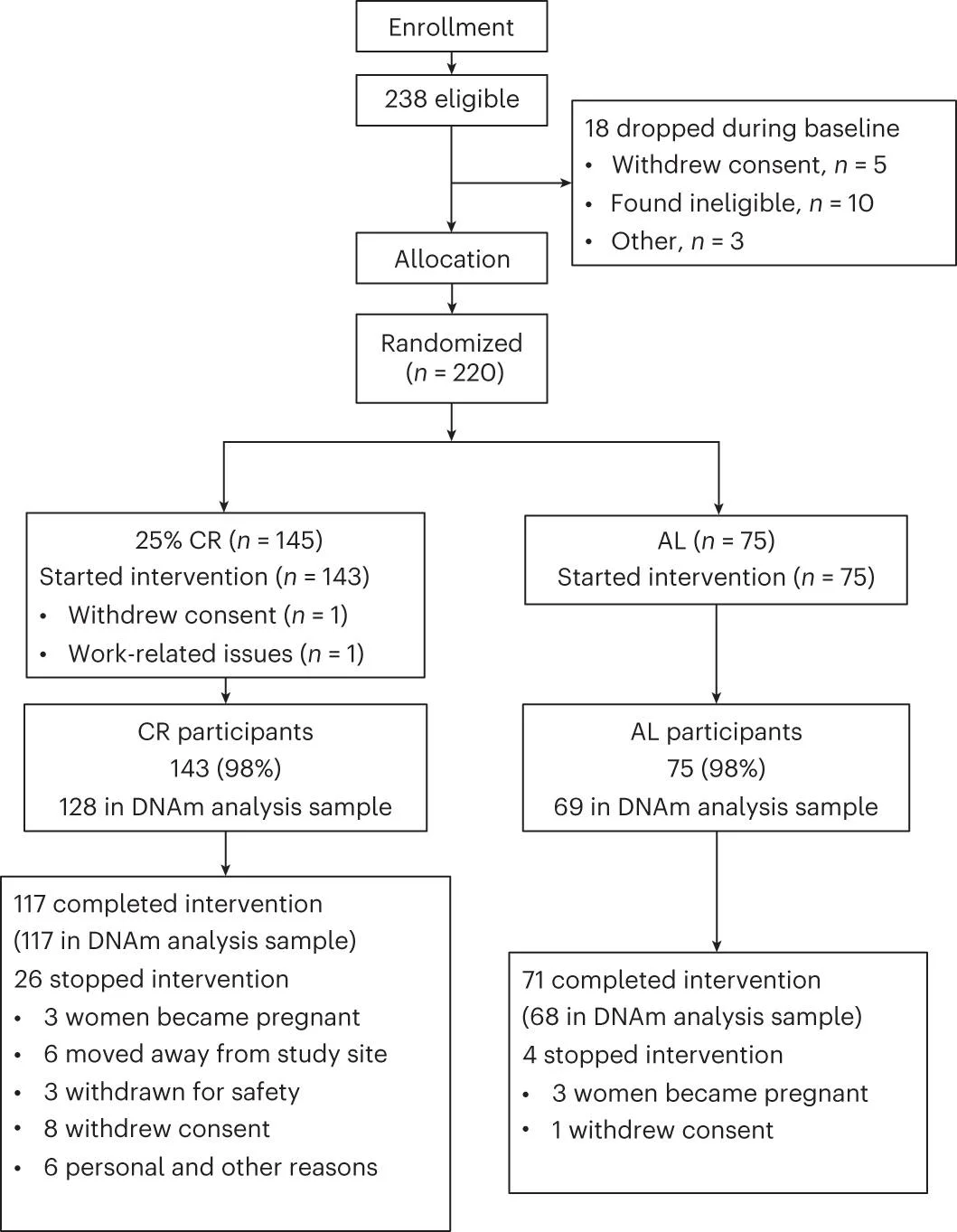
Calorie Restriction Cuts Human Biological Aging by 2‑3%
Slowing aging is not theoretical. In humans, calorie restriction measurably slows biological aging pace by ~2–3% over 2 years https://www.nature.com/articles/s43587-022-00357-y

Health Experts Crown Zone 2 Cardio as Most Efficient Endurance Method
Health experts including Dr. Peter Attia, Dr. Iñigo San Millán and Dr. Andrew Huberman highlighted June 2026 research that positions Zone 2 cardio—moderate‑intensity exercise at 60‑70% of max heart rate—as the most efficient endurance training method, citing superior mitochondrial gains and a recommended 200‑minute...