Today's Biohacking Pulse
Study Links Common Cognitive Supplement L‑Tyrosine to Shorter Lifespan
Researchers analyzing data from over 250,000 UK Biobank participants found that genetically higher L‑tyrosine levels are associated with a reduced lifespan, particularly in men who lived about one year less on average. The Mendelian randomization approach isolated tyrosine’s effect, showing it to be more detrimental than its precursor phenylalanine.
Leapfrog Remedies Unveils DAILY, UK's First Lactoferrin‑Based Daily Supplement
Leapfrog Remedies has launched DAILY, the United Kingdom’s first lactoferrin‑led daily supplement, priced at £27 (about $34) for a 15‑tablet pack. The chewable tablet combines 100 mg of high‑purity lactoferrin with vitamins D3, K2, C, E and zinc, positioning itself as a science‑backed alternative to colostrum products.
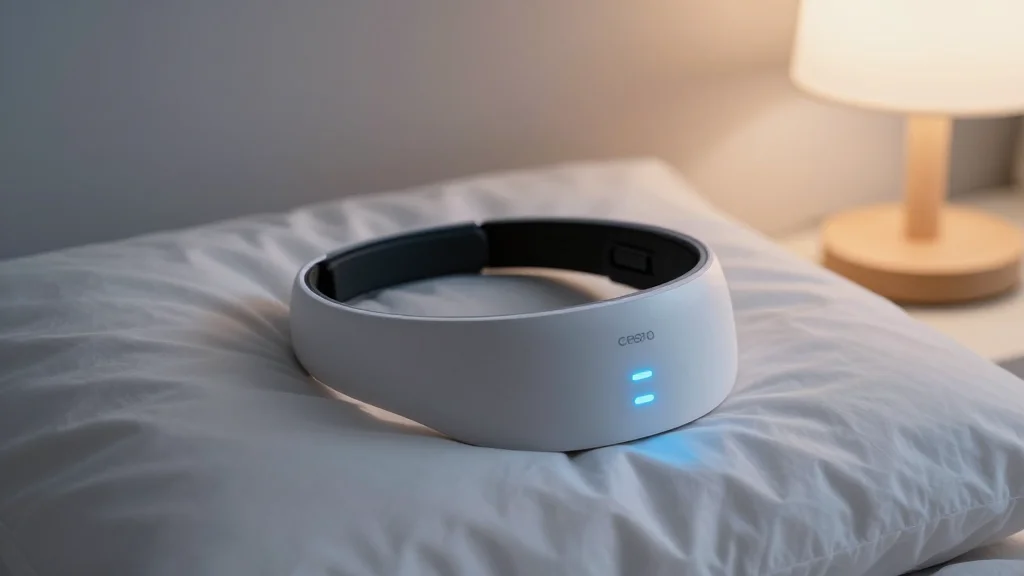
Beacon Biosignals Launches At-Home Sleep EEG Platform for Brain Health Diagnostics
Boston‑based Beacon Biosignals introduced an at‑home sleep EEG platform that uses a lightweight headband to capture clinical‑grade brain activity while users sleep. The FDA‑cleared device is already deployed in more than 40 global clinical trials, positioning the company to reshape...

LSD Microdosing Linked to Acute Mood Improvements in Adults with Depression
A small open‑label pilot gave 19 adults with major depressive disorder sublingual LSD microdoses (4‑20 µg) over eight weeks. Participants reported acute spikes in creativity, energy and social connectedness on dosing days, with a 60% average reduction in overall depression severity...
Spermidine
Recent clinical research confirms spermidine, a natural polyamine, boosts autophagy in brain cells, reducing amyloid‑beta and tau aggregates linked to Alzheimer’s disease. Levels of spermidine fall roughly 50 % between the twenties and seventies, correlating with increased cognitive decline, but supplementation...

Neuroscientist Alex Korb’s Six Simple Habits to Keep Your Brain Sharp
UCLA professor Alex Korb told CNBC MakeIt that rigid 5 a.m. routines are unnecessary for peak cognition. He detailed six everyday habits—steady movement, daily enjoyment, purposeful work, social connection, adequate sleep and stress‑reduction—that keep the mind razor‑sharp and motivation high.
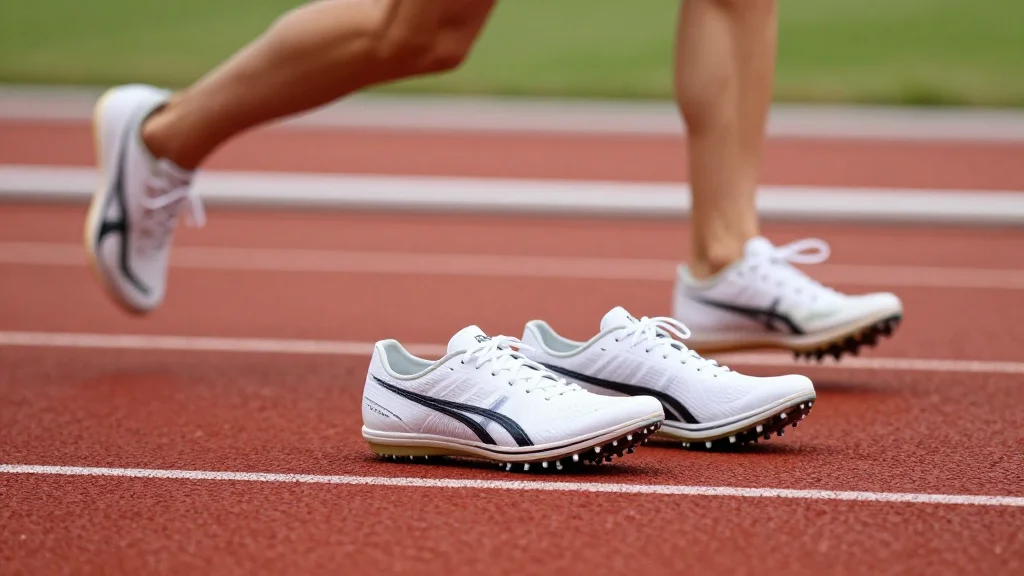
Allyson Felix Targets 2028 LA Olympics at Age 42, Pushing Sprinting Limits
Four-time Olympic champion Allyson Felix has announced a comeback aimed at qualifying for the 2028 Los Angeles Games at age 42. Her effort, framed as a "live experiment in human potential," seeks to rewrite assumptions about aging in sprinting and...
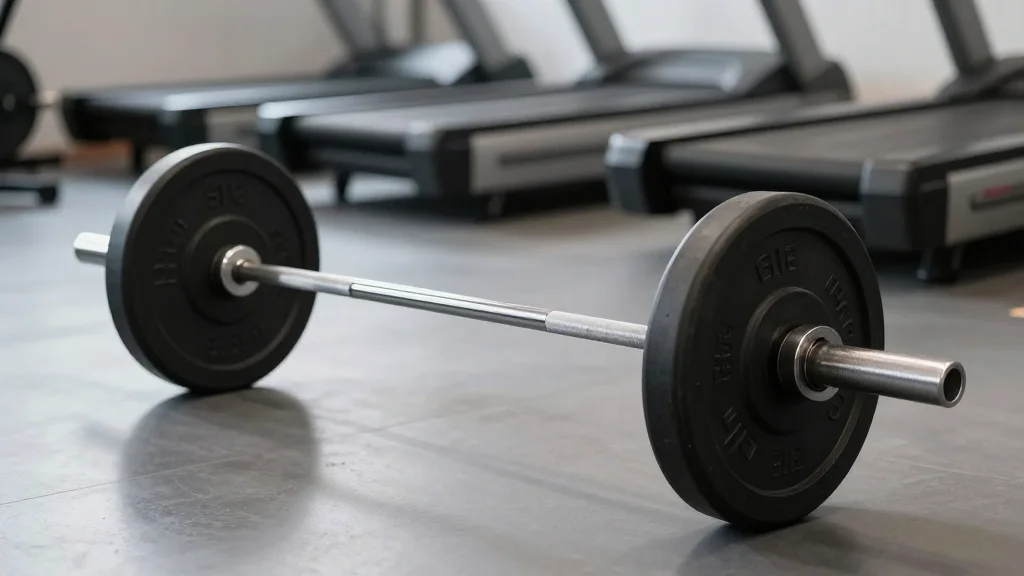
Strength-First Workouts Cut Body Fat by Nearly Double, Korean Study Shows
A 12‑week experiment with 45 overweight men revealed that strength training before cardio halved body‑fat loss time, delivering roughly 4% total‑body fat reduction versus 2% for the reverse order. The finding could reshape workout sequencing for weight‑loss programs worldwide.

GlycanAge to Launch Inflammaging Conference in Dubrovnik, Targeting Clinical Use
GlycanAge, together with the Mayo Clinic, announced a landmark conference in Dubrovnik, Croatia, opening June 19 with a dedicated clinical day on June 20. The event aims to turn 25 years of inflammaging research into actionable diagnostics for doctors and patients.

Google Health App Launches in India with AI Coach and Rs. 99 Premium Plan
Google announced the public rollout of its rebranded Google Health app and AI‑powered Health Coach in India, beginning May 19 and expanding to all eligible users by May 26. The service includes a premium subscription priced at Rs. 99 per month (about $1.20),...
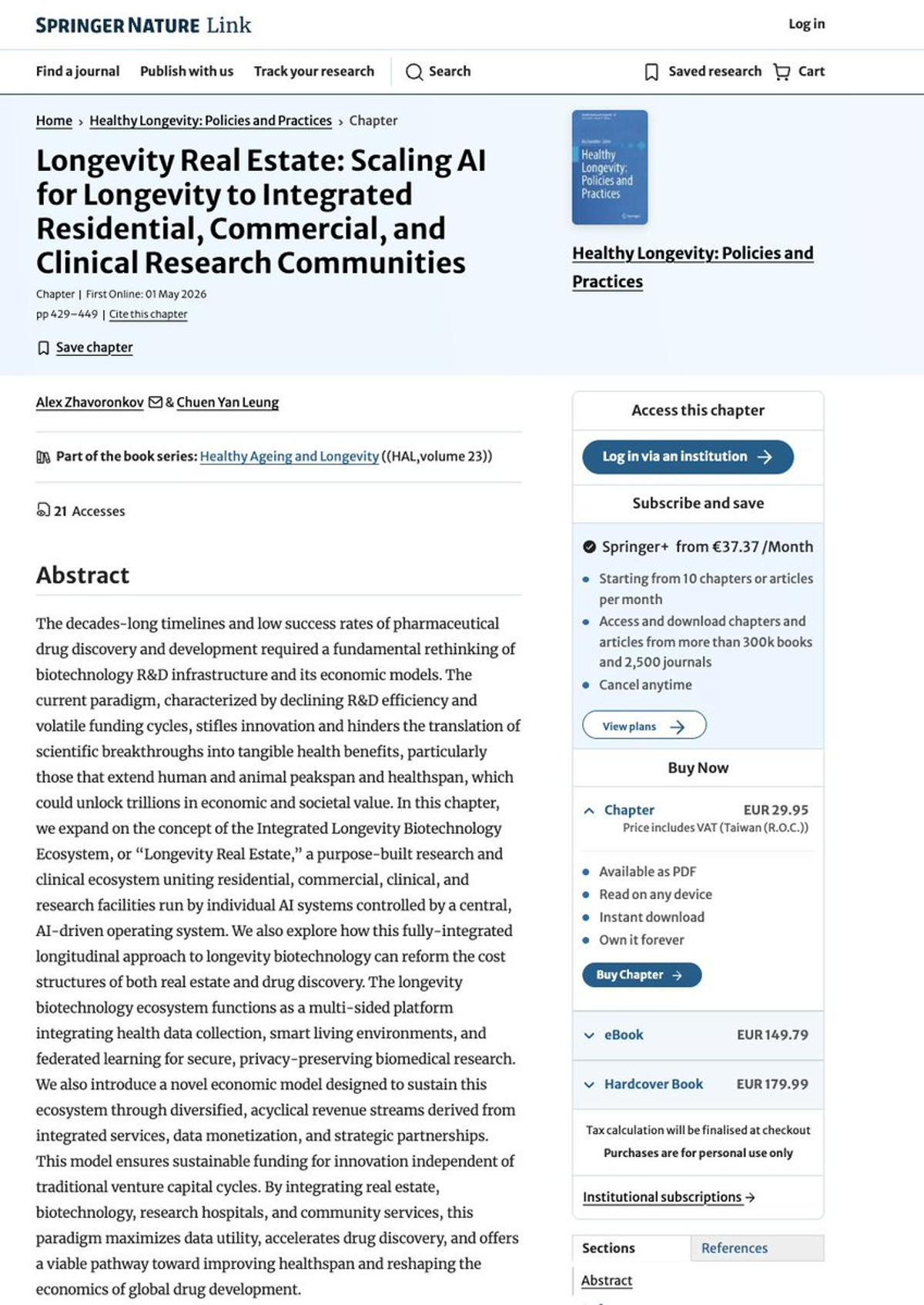
Smart Homes Integrated with Biotech Extend Lifespan
A bigger house is not going to give you significantly longer life. But a much smarter house integrated into the advanced biotechnology research and clinical ecosystem will. Very happy to see our chapter with CY Leung published in Springer Nature...

Turn Your Standing Desk Into a Dynamic Movement Station
I am totally committed to getting a standing desk. This conversation with Kelly Starrett convinced me. Sitting isn't necessarily bad. Standing (and more movement in general) is good. But desks give you almost no movement options. So how can we create more...
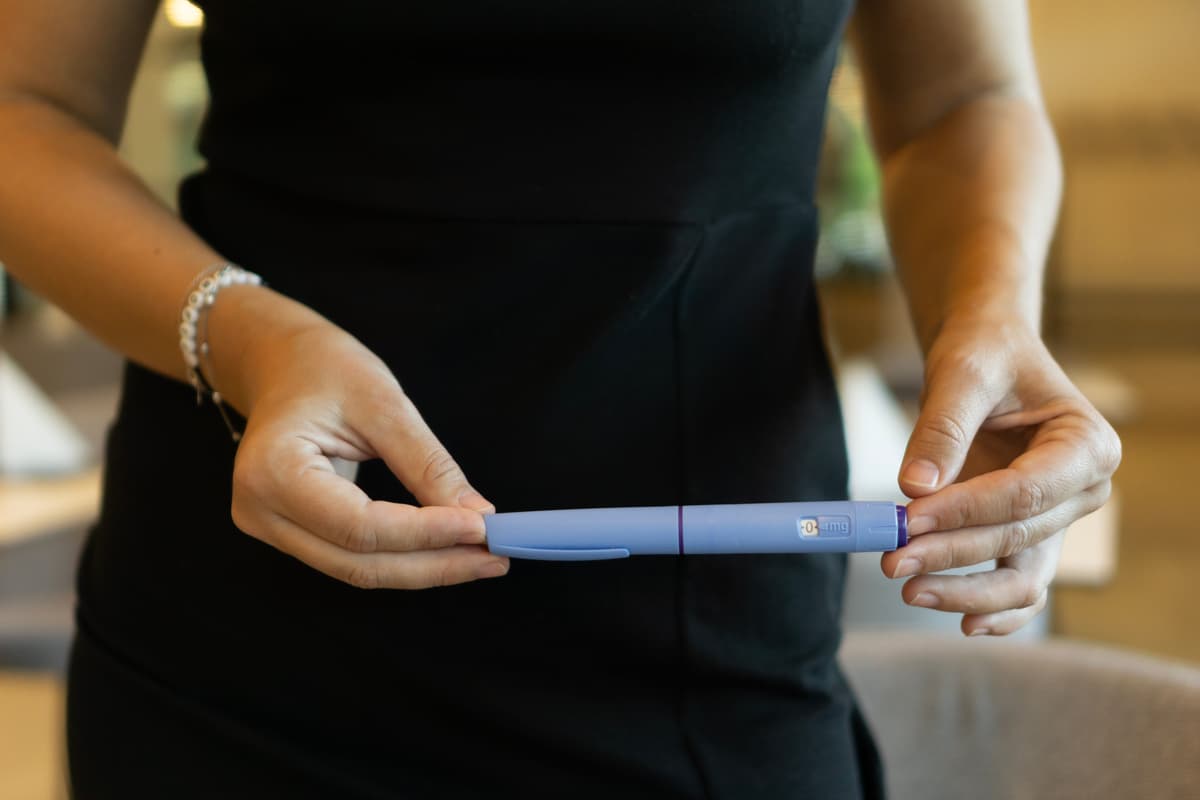
Want to Ride Strong While Using GLP-1s? Experts Explain How to Strike the Right Balance.
The article outlines how cyclists using GLP‑1 weight‑loss drugs like Ozempic or Wegovy can maintain performance by prioritizing intentional fueling, hydration, and strength training. It stresses that appetite suppression from these medications requires pre‑ride carbohydrate snacks and post‑ride protein‑carb meals...

Mabwell IPO Highlights China’s Rising Biologics Powerhouse
Do you remember the company which sold their IL11 nanobody to Google Calico after it realized that after 13 years in the business they need a drug for aging? The company is called Mabwell and they just listed in Hong...

10 Cancer-Prevention Habits Oncologists Do Every Day
Oncologists are modeling cancer‑prevention habits they recommend to patients, from cutting alcohol entirely to eating a plant‑forward diet rich in fiber. They aim for about 30 grams of fiber daily, cook at home, get 7‑9 hours of sleep, and incorporate strength...
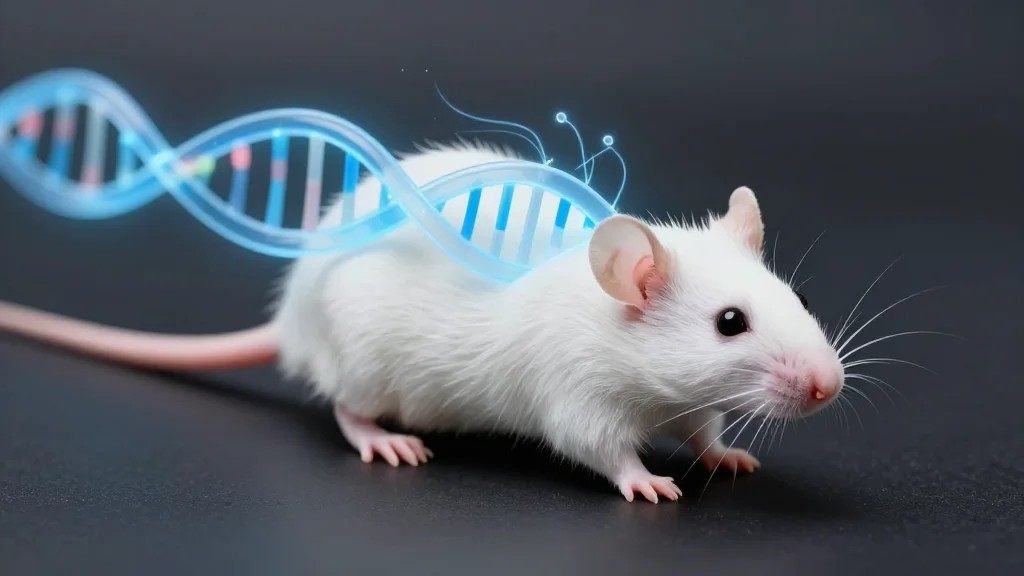
Electromagnetic Field Activation of Gene Therapy as an Approach to Reprogramming
Researchers have engineered an electromagnetic‑field (EMF)‑responsive DNA element that remotely activates partial cellular reprogramming genes in mice. By cycling EMF exposure, the system triggers the Oct4‑Sox2‑Klf4 cassette without permanent gene integration, extending median lifespan to 108 weeks—about 70 human years....

This Engineer Spent 100 Days Underwater—And It Added 10 Years to His Life, He Claims
Biomedical engineer Joseph Dituri spent 100 days in a 22‑foot‑deep underwater chamber at 1.6 ATA, claiming dramatic health improvements. He reported weight loss, lower cholesterol, a seven‑fold testosterone boost, and doubled REM sleep. While Dituri sees the results as proof that...
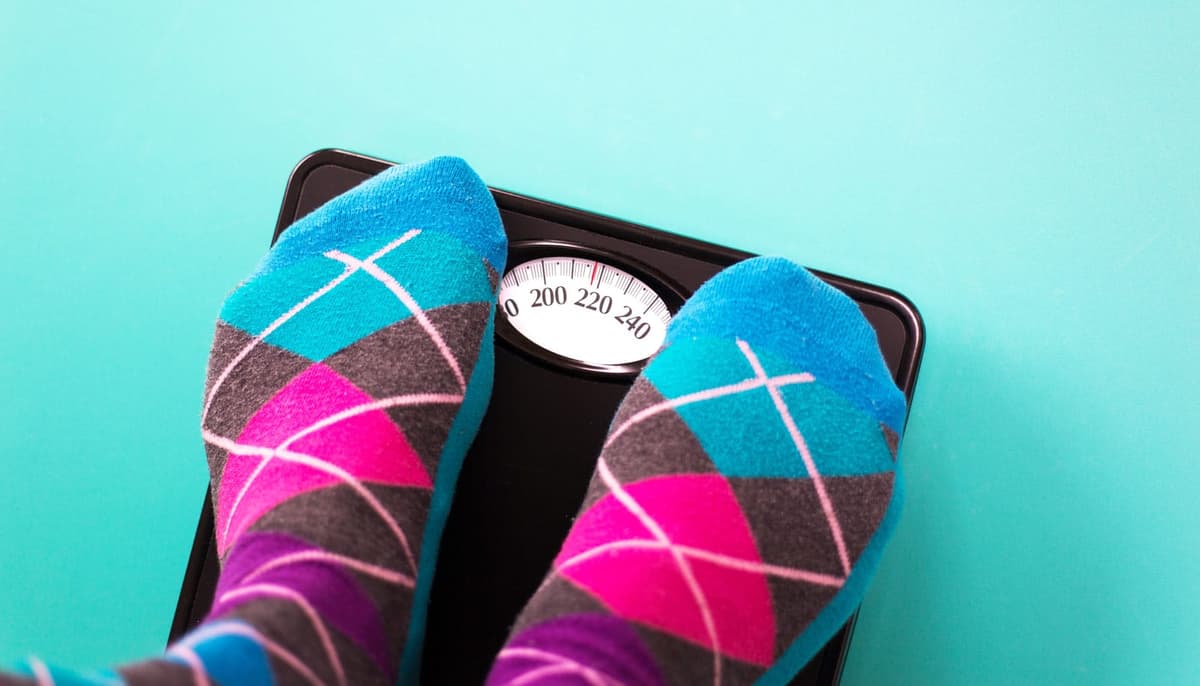
Being Overweight May Lead to Faster Cognitive Decline
A 24‑year longitudinal study of more than 8,200 U.S. adults over 50 found that higher body‑mass index (BMI) accelerates cognitive decline, affecting memory, executive function and emotional regulation. Each unit increase in BMI was associated with a faster deterioration of...
New Review Finds Most Brain‑Boosting Supplements Lack Strong Evidence, Creatine Leads the Pack
A September 2025 narrative review and a February 2026 systematic review conclude that the majority of brain‑boosting supplements have limited scientific support, with creatine emerging as the only compound with consistent cognitive benefits. The findings reinforce the superiority of whole‑food...
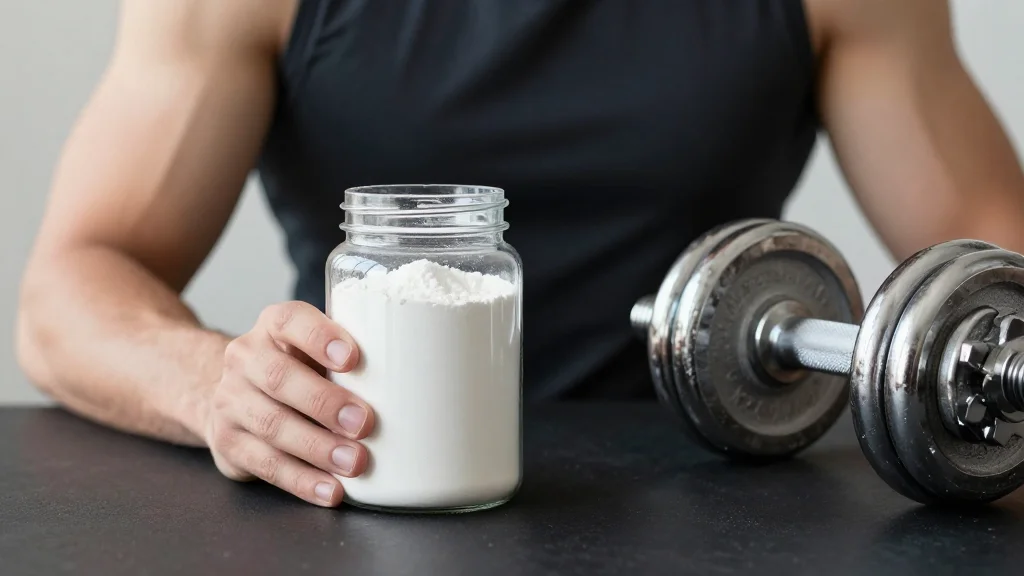
Creatine Boosts Exercise Performance by Up to 10%, Study Finds
A peer‑reviewed study in the journal *Nutrients* confirms that creatine monohydrate can increase strength, power and high‑intensity exercise performance by 5‑10%. The findings reinforce creatine’s status as a cornerstone supplement while highlighting safety considerations for certain users.
Safety Debate Heats Up Over Stem Cell Longevity Treatments
Leading researchers and clinic founders are confronting the safety of stem‑cell therapies marketed for longevity, with experts warning that not all products are genuine stem cells and that regulatory oversight remains limited. The debate underscores a booming market driven by...

Junyue Cao on How the Body Ages, Cell by Cell
Dr. Junyue Cao’s lab at Rockefeller University released the most extensive single‑cell epigenomic atlas of mammalian aging, profiling chromatin accessibility in roughly seven million cells from 21 mouse tissues at three life stages. The study identified about 1,800 distinct cell...
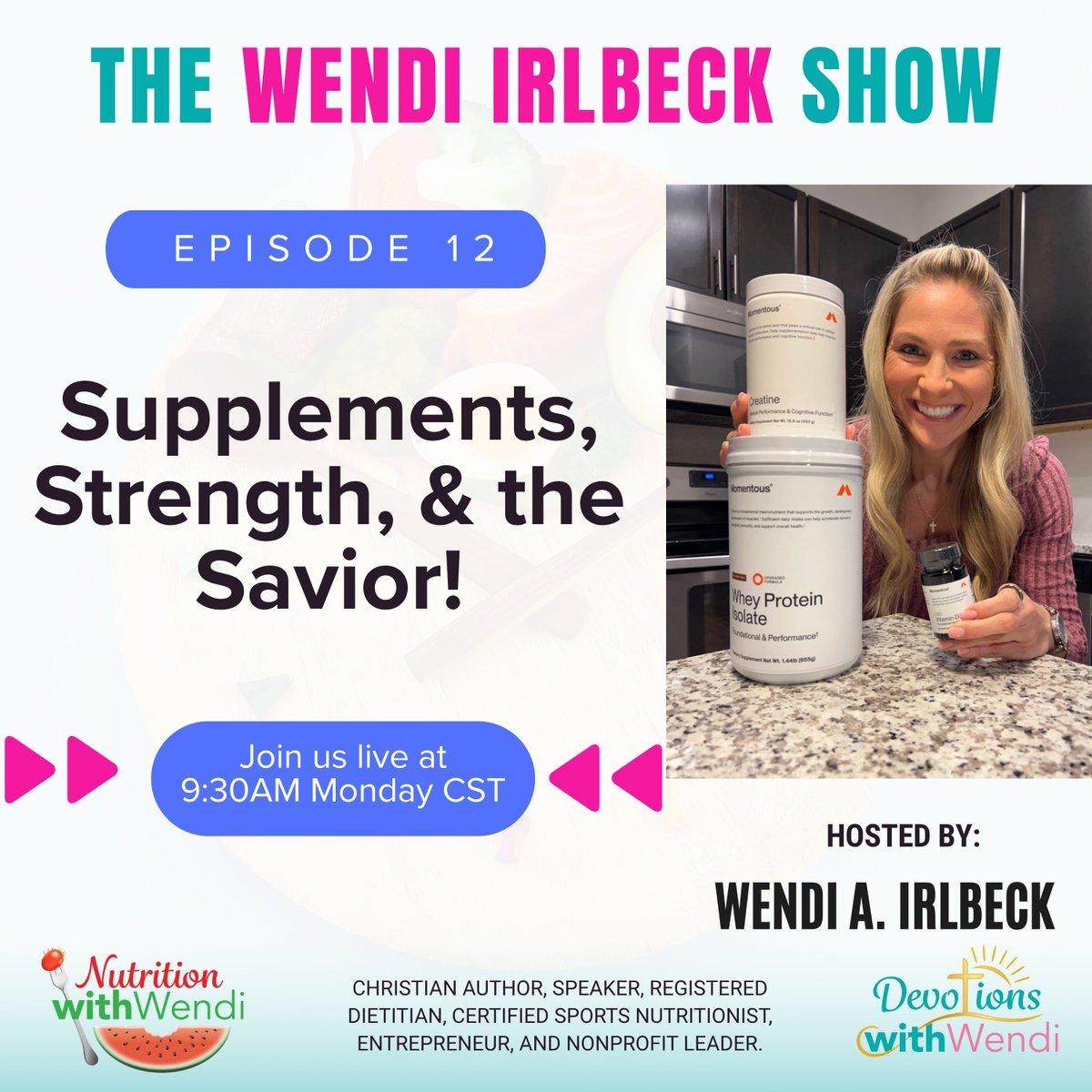
Real Supplements That Actually Build Muscle & Recovery
💊Everyone is chasing the perfect supplement stack… but what actually works? Creatine, protein powders, and the supplements that actually build muscle, improve health, and speed up recovery what’s worth it and what’s not? 🎙️Tune in Monday at 9:30 AM CST to...

Activate Aerobic System Early to Avoid Stress‑Induced Fatigue
High stress individuals who simply add in down-regulation without ACTIVELY engaging the aerobic system stand to learn a harder lesson. When the cells early default is glycolysis, obviously the aerobic system lags or struggles/mito limitation. If this person doesn’t teach that...

Brief Mindfulness and Gratitude Practices Cut Systolic Blood Pressure by Up to 7.6 Mm Hg
A review of 18 randomized trials led by Rosalba Hernandez of the University of Illinois shows that daily mindfulness, gratitude journaling and optimism exercises can lower systolic blood pressure by as much as 7.6 mm Hg within weeks. The findings suggest brief...
Your Ideal BMI Depends on Your Sport
Of course, there are tradeoffs. My experience over 4 decades as an athlete (YMMV)... BMI 18-19 - I *will* be injured. BMI 19-20 - I'll run fast when not injured, but I'll be injured a lot. BMI 20-21 - Probably the sweet spot for...
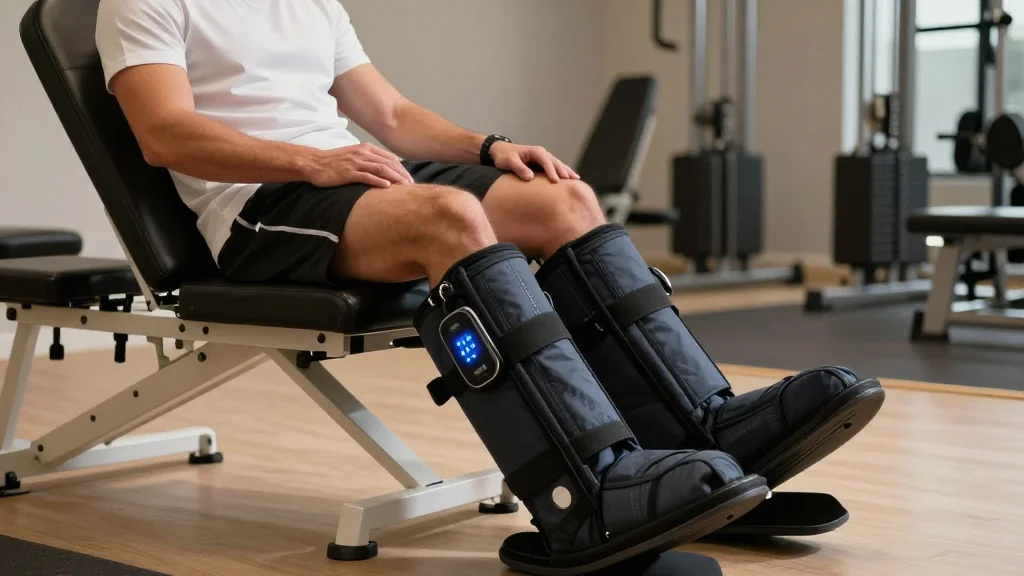
EOS Fitness Spotlights Cutting-Edge Recovery Techniques in Las Vegas
EOS Fitness district manager Raul Escareno and regional VP of sales Eric McCauley explained how new recovery tech and timeless practices are reshaping post‑workout healing at Las Vegas gyms. Their insights underscore a shift toward deliberate recovery as a performance driver.

Shark Heart Study Uncovers Longevity Mechanisms, Fueling Biohacker Quest for Longer Life
Scientists at Italy's Superior Normal School have detailed how Greenland sharks maintain heart function for centuries, highlighting robust DNA repair and cancer‑suppression genes. The findings, published April 23, could give biohackers fresh molecular targets for extending human lifespan.
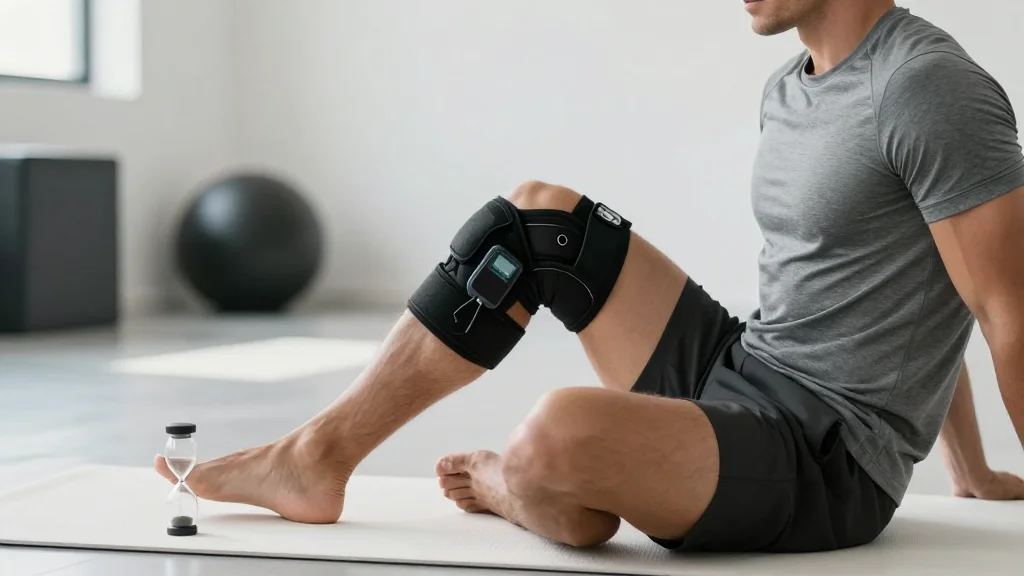
Complete Rest Costs More Than You Think
The cost of complete rest is not zero. It is measurable, it compounds, and it is almost always worse than people expect. Injured? Have you stopped everything? Did you need to? Did you ask? We decondition so rapidly......

Third Edition Muscle Hypertrophy Textbook Now Open for Preorder
Super excited to share that the 3rd edition of my textbook, "Science and Development of Muscle Hypertrophy," is now available for preorder on Amazon. This revision has been several years in the making, reflecting the substantial body of new...
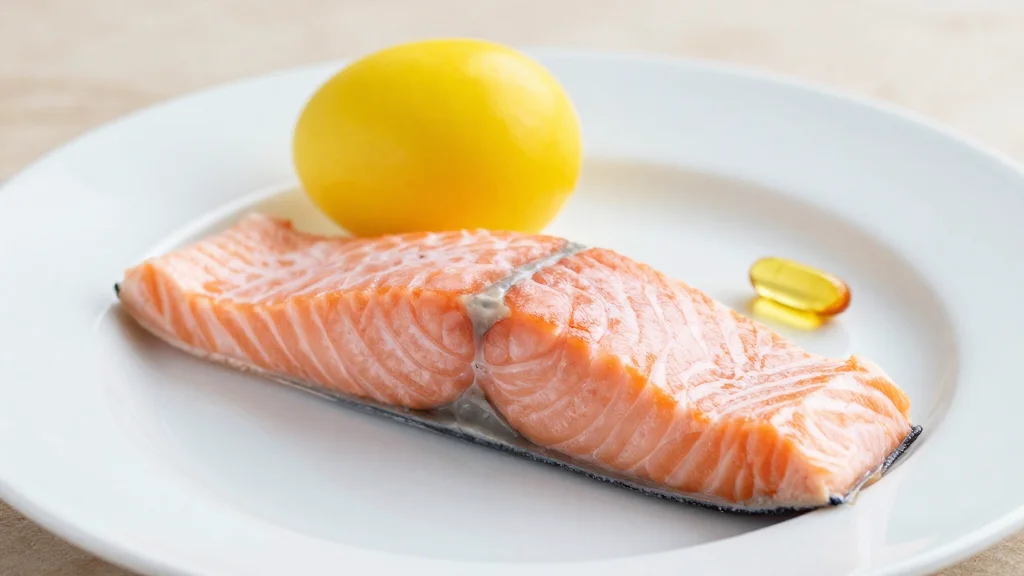
Cornell Study Links Vitamin B12 to Muscle Mitochondria, Aging and Longevity
Cornell University scientists published a study in the Journal of Nutrition showing that vitamin B12 deficiency impairs skeletal‑muscle mitochondrial energy production and reduces muscle mass in aged mice. The findings broaden B12’s role beyond anemia, pointing to potential interventions for...

Auditing Home for Plastic: Swapping Out Hidden Sources
After hearing @DrJasonKarp talk about plastic exposure from common household items (new "Plastic Detox" doc here: https://t.co/HMlE83qNPV)... ...I audited our house. It's pretty good (cutting boards, spatulas, pans, etc.) check out... BUT...here's what I'll be changing out:
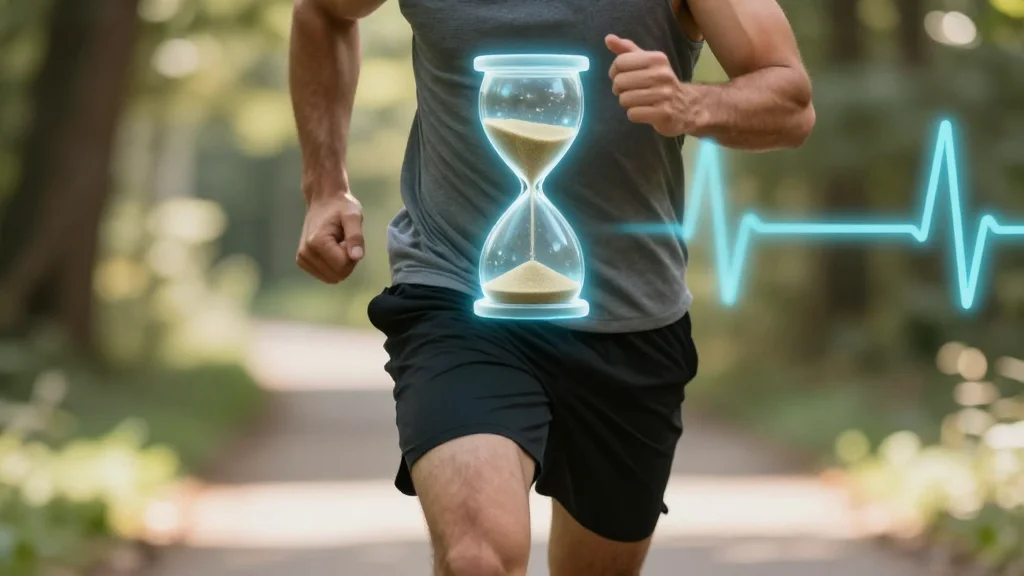
Optimal Exercise‑Fasting Dose Boosts Metabolic Health
Optimal dosage of exercise combined with intermittent fasting for body composition and cardiometabolic health in adults: a systematic review and multilevel meta-analysis https://t.co/JFrFVMpGDq
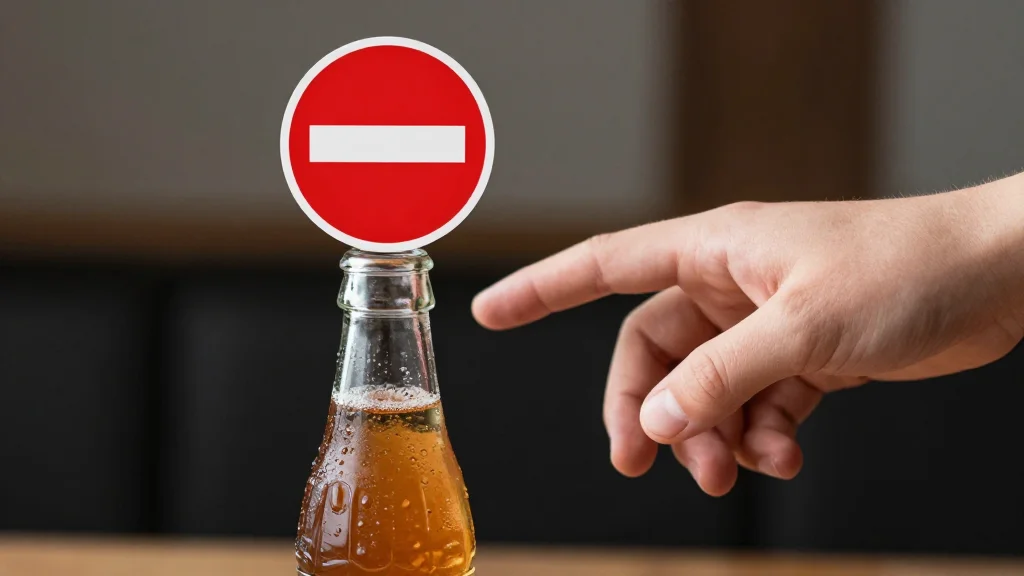
Added Sugar Labels Would Prompt Teens to Dump Sugary Drinks, Research Shows
A new SAHMRI study published in BMC Nutrition shows that front‑of‑pack warning labels displaying the number of teaspoons of added sugar on sugary drinks can dramatically shift teenage behavior, with many opting to stop buying or drinking them. Australian adolescents...
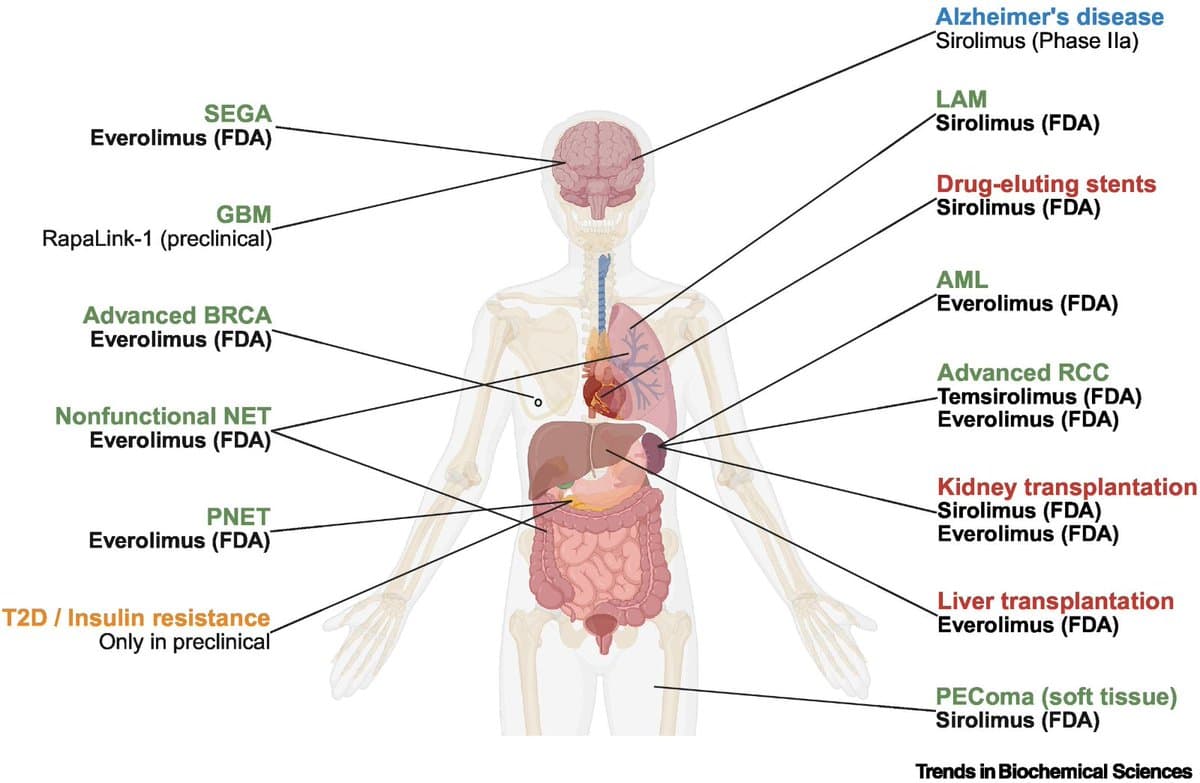
Rapamycin's 50-Year Odyssey: From Easter Island to Medicine
The rapamycin sTORy: 50-year journey from Easter Island to the frontiers of biology and medicine https://t.co/Jn67QrGVi6 https://t.co/dwGPgUVB83

Study Finds Brain Health Improves at Any Age with 5‑15 Min Daily Training
Researchers at the University of Texas at Dallas tracked nearly 4,000 participants for three years and found that just 5 to 15 minutes of daily, targeted brain‑healthy practice can measurably improve performance at any age. The findings challenge the long‑standing...

UT Dallas Study Finds Daily Micro‑Training Boosts Brain Health at Any Age
Researchers at the University of Texas at Dallas reported that a three‑year longitudinal study of nearly 4,000 adults demonstrated measurable gains in cognition, social purpose and emotional resilience after just 5‑15 minutes of daily targeted mental exercises. The findings challenge...
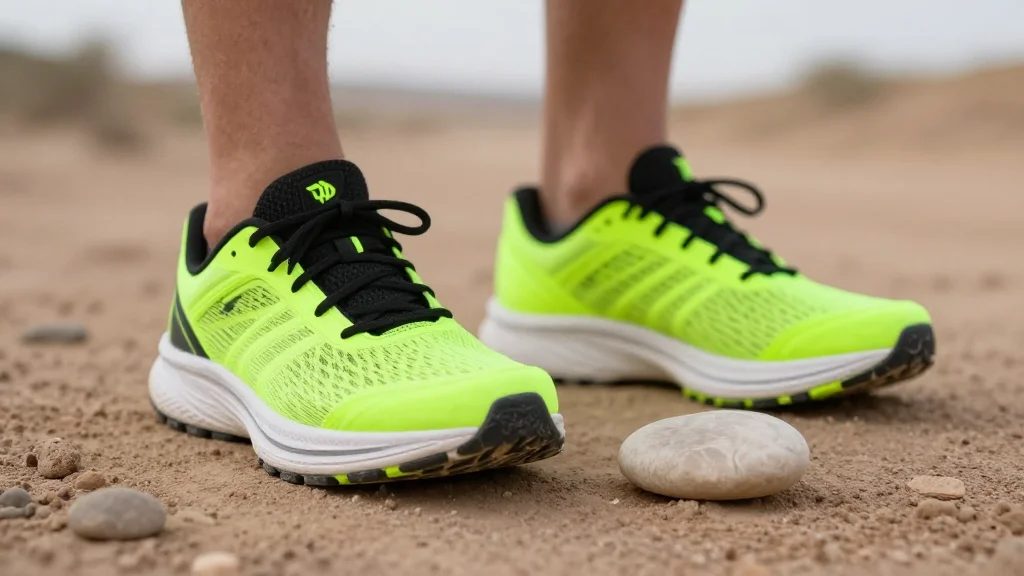
Low Birth Weight Predicts Kidney Strain in Ultramarathon Runners, Study Finds
Researchers published a study showing that ultramarathon runners born with low birth weight experience greater kidney function decline during prolonged races. The analysis of 44 athletes across hot and cold events suggests early‑life development influences renal resilience, a finding that...
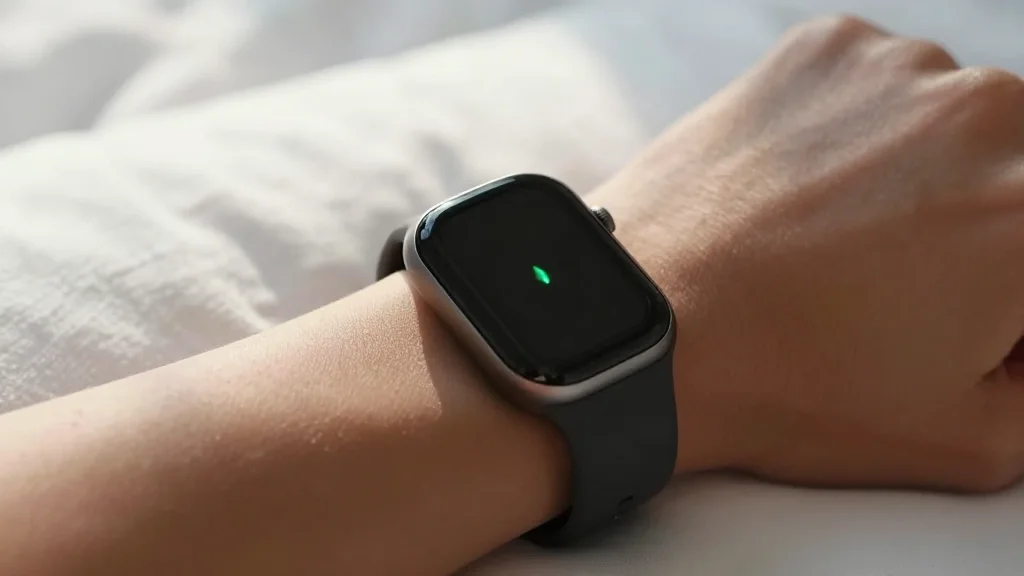
Study Links Consistent Daily Rest Patterns to Slower Biological Aging
Johns Hopkins scientists reported that adults with stable daily rest‑activity rhythms show slower biological aging, based on epigenetic clock data from 207 participants. The finding positions consistent sleep and activity as a measurable lever for longevity‑focused biohackers.
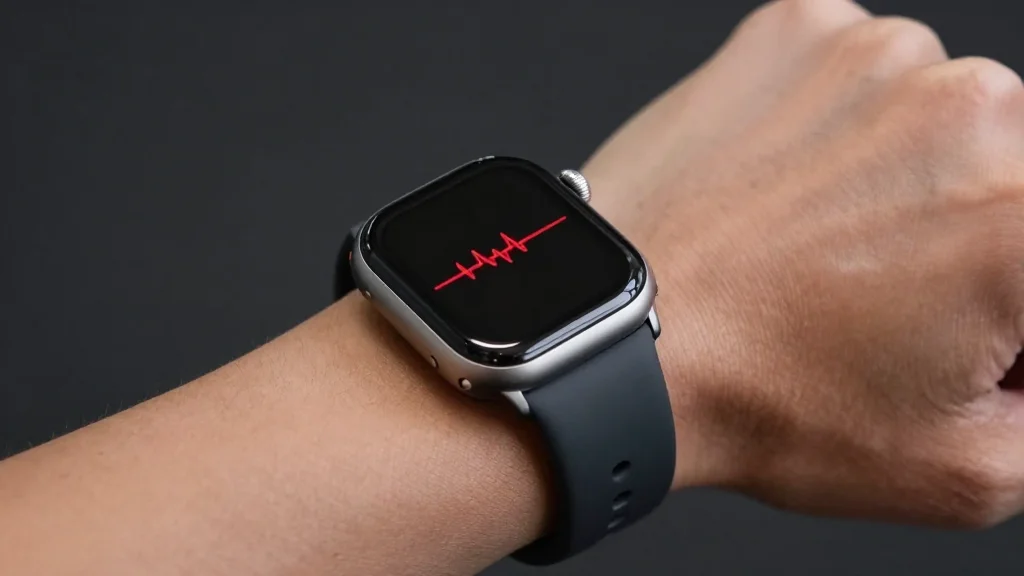
Samsung Galaxy Watch6 Can Predict Fainting 5 Minutes Early, Study Shows
Samsung announced that its Galaxy Watch6 can warn users of an impending fainting episode up to five minutes in advance, achieving 84.6% accuracy in a clinical trial of 132 participants. The feature relies on the watch’s PPG sensor and AI‑driven...
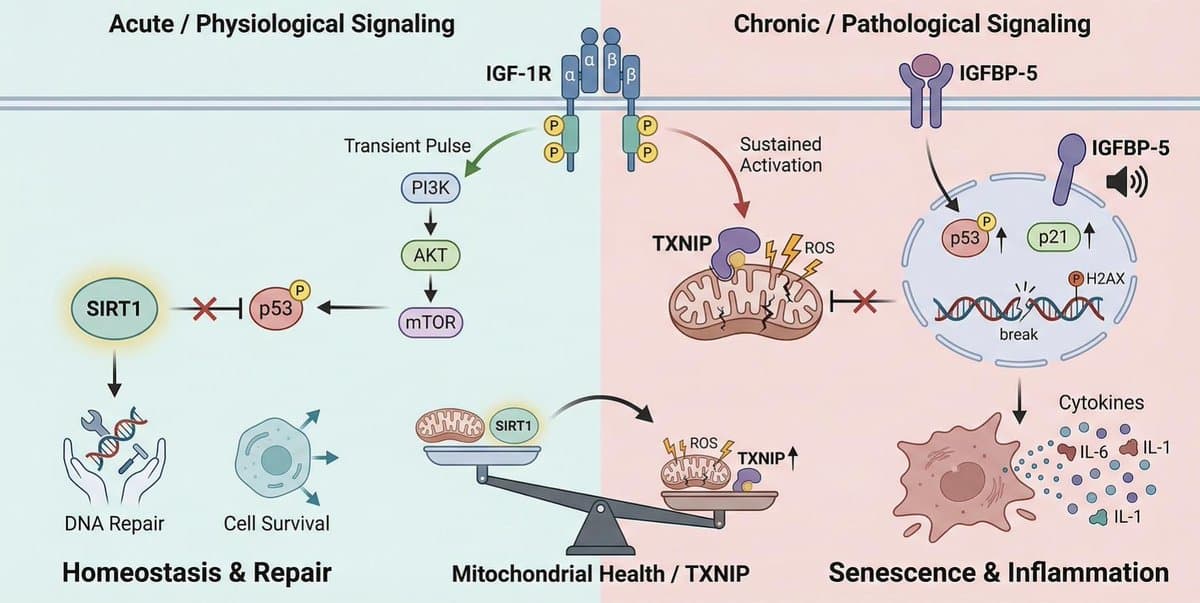
IGF‑1 Switch Drives Biphasic SASP Aging Model
The IGF-1 senescence switch: a biphasic model for SASP-driven aging and precision senomodulation https://t.co/f0BoHbaeCK? https://t.co/NjDlT0O9hQ
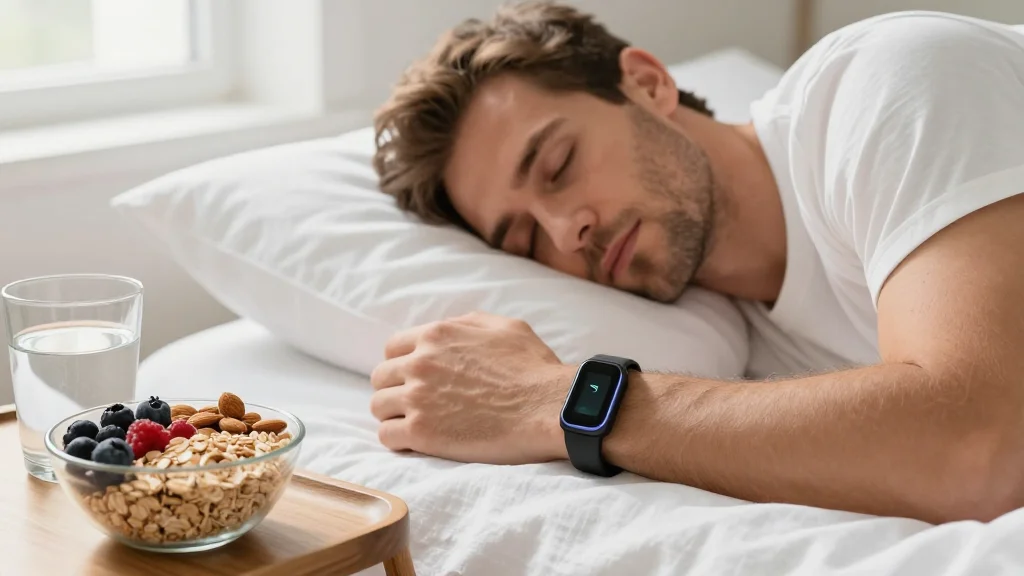
Could Eating More Fibre Improve Deep Sleep?
A new observational study of 3,500 Israeli adults tracked with food diaries and wearable sleep monitors found that higher daily fibre intake and greater plant diversity are linked to modest gains in deep and REM sleep and a lower nocturnal...

The Science Behind Social Media’s Peptide Obsession
Social media and Silicon‑Valley influencers are driving a surge in gray‑market peptide sales, from weight‑loss candidates like Eli Lilly’s experimental retatrutide to DIY stacks such as BPC‑157 and TB‑500. These compounds, often sold as “research‑only” powders for $130 a vial, bypass...
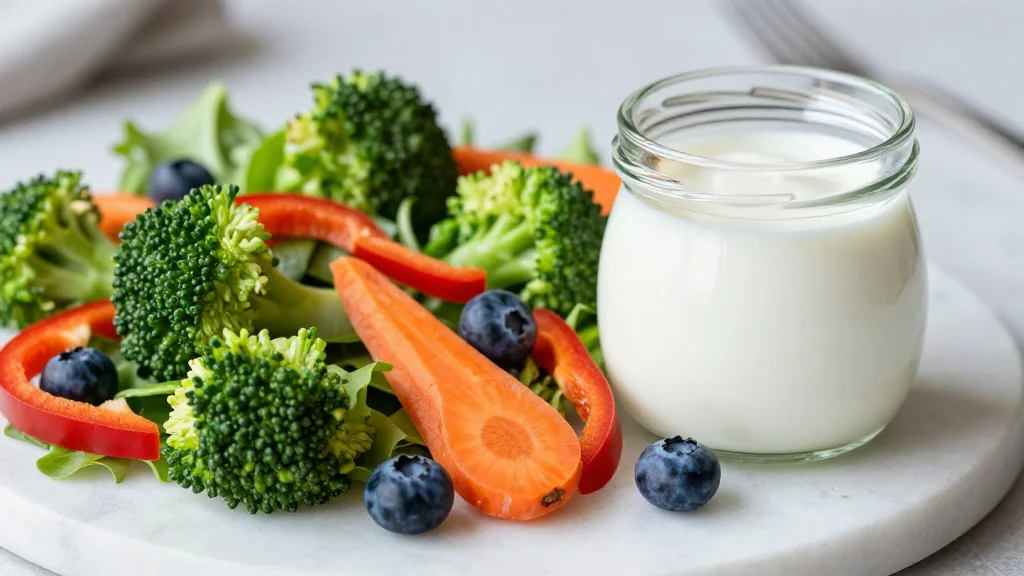
The Ultimate Gut-Health Grocery List To Boost GLP-1 Naturally
Microbiologist Colleen Cutcliffe explains that a healthy gut microbiome can naturally stimulate GLP‑1, the hormone that curbs appetite and stabilizes blood sugar. She highlights two key strains—Akkermansia muciniphila and Clostridium butyricum—as central to GLP‑1 production. By prioritizing fiber‑rich vegetables, polyphenol‑dense fruits,...

This Vitamin May Help “Retrain” The Immune System In Gut Inflammation
Researchers conducted a 12‑week trial in inflammatory bowel disease patients with low vitamin D, supplementing them daily. Multi‑omics analysis showed vitamin D boosted IgA activity while suppressing IgG, shifting the immune system toward tolerance of gut microbes. The supplement also redirected immune...
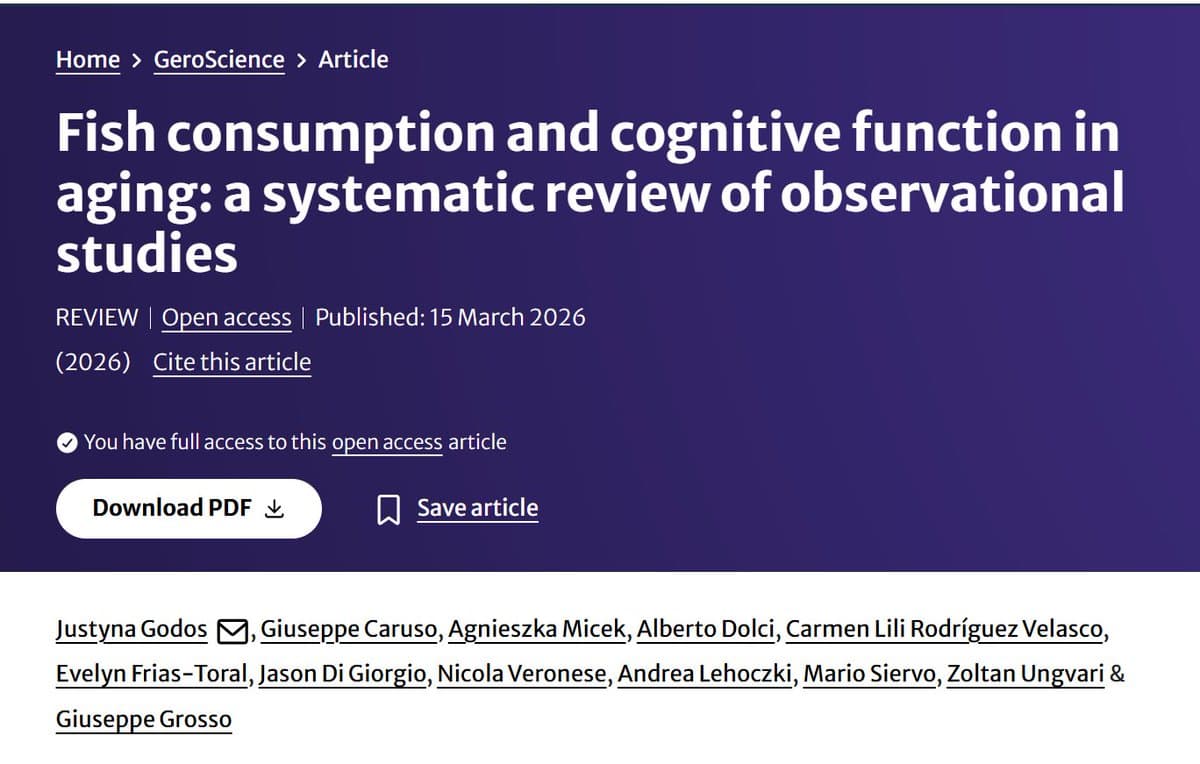
Regular Fish Intake Supports Cognitive Health in Aging
Fish consumption and cognitive function in aging: a systematic review of observational studies "In conclusion, the evidence suggests that regular fish intake (typically ≥1–2 servings per week) is linked to preserved cognitive performance, although some inconsistent findings require further investigations." https://t.co/1axIS85WGf @GeroScienceAGE

Smriti Mandhana Says Manifestation Rituals Drove Her World Cup Comeback
In a fresh interview with Brut India, Indian cricketer Smriti Mandhana explained that writing down goals and visualizing success—what she calls "manifestations"—were central to her recovery from a 2017 ACL injury and her Player of the Match performance at the...
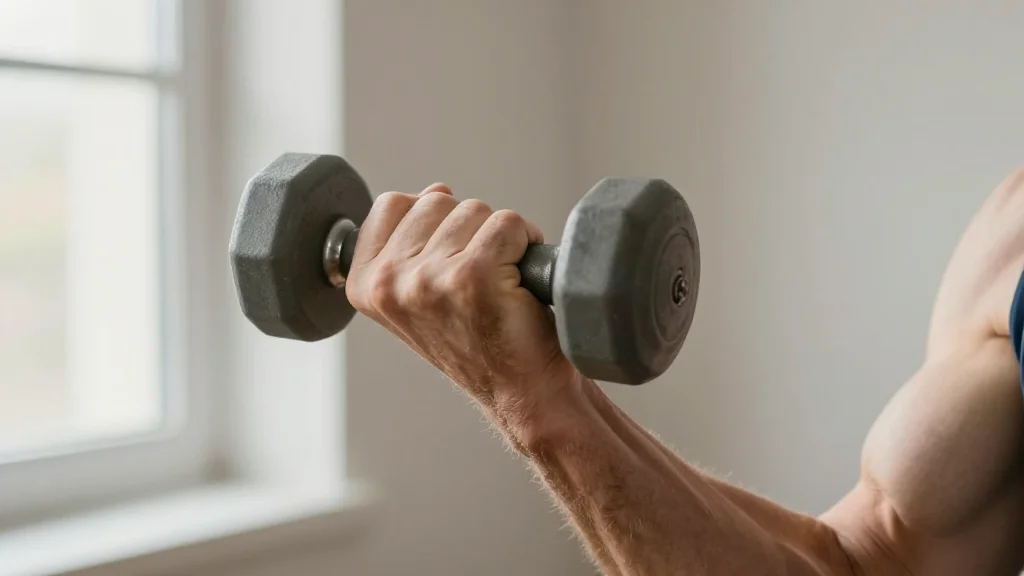
ECU Study Shows Five‑Minute Eccentric Workouts Boost Muscle With Minimal Effort
Researchers at Edith Cowan University demonstrated that just five minutes of slow, eccentric movements each day can grow muscle size and strength, delivering comparable results to conventional workouts with far less strain. The findings could reshape strength‑training protocols for older...
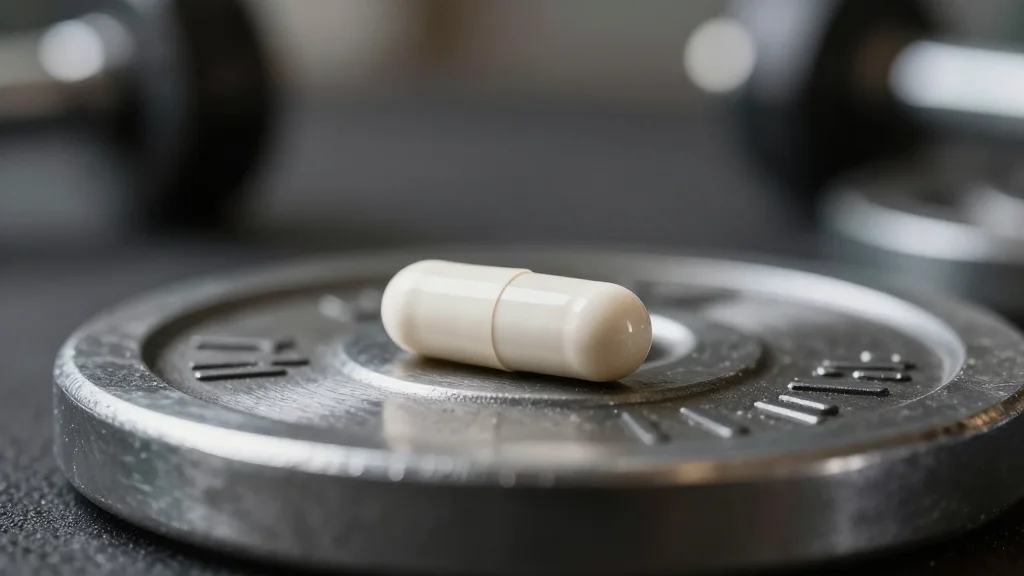
Study Finds Rapamycin May Undermine Exercise Gains in Older Adults
Researchers led by Dr. Brad Stanfield reported that older adults taking a low weekly dose of rapamycin gained less muscle strength and physical function from a structured exercise program than those on placebo. The findings suggest the popular anti‑aging drug...

Fuel Your Mitochondria, Unlock Peak Performance
I don’t take 150 pills a day to feel average. I take them because your biology responds to inputs, and most people never give their cells what they need to perform. Your mitochondria run the entire energy economy of your...

Best Biohacking Wearables (2026): 12 Devices That Actively Optimize You
The 2026 roundup identifies the top biohacking wearables that go beyond passive tracking to deliver real‑time physiological stimuli. Interventional devices such as Apollo Neuro, VeRelief, TitanBody EMS, and KAATSU BFR show measurable gains in HRV, muscle activation, and strength with...