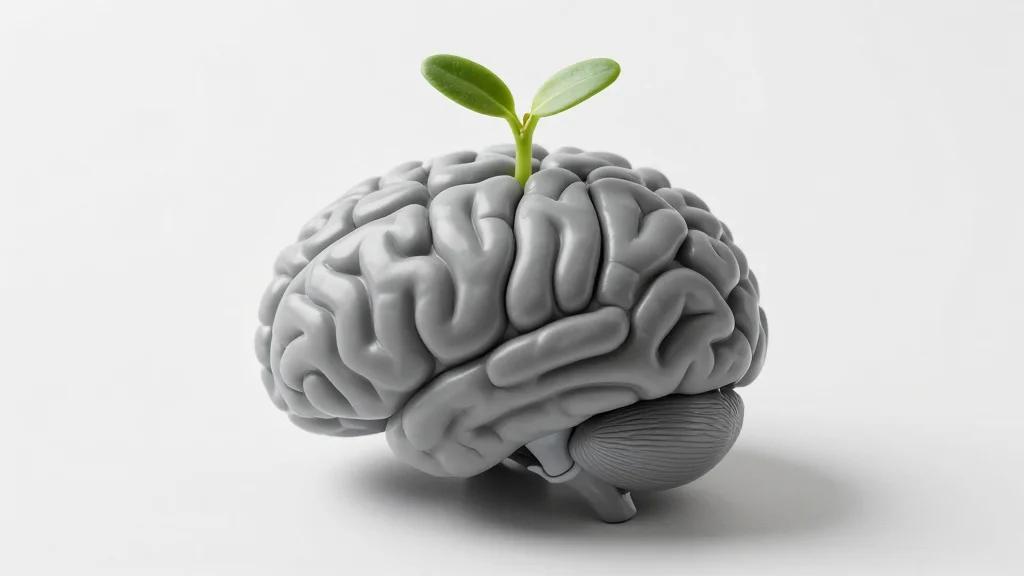
Study Finds Brain Health Improves at Any Age with 5‑15 Min Daily Training

Why It Matters
The study reframes cognitive aging from an inevitable decline to a modifiable trajectory, giving individuals and societies a lever to enhance mental performance throughout life. By proving that brief, consistent habits can produce measurable gains, the research supports a shift toward preventive brain health strategies that could reduce the burden of dementia and age‑related productivity loss. If the findings scale, they could reshape public‑health guidelines, insurance reimbursement models, and corporate wellness programs, turning brain fitness into a routine part of daily life much like physical exercise. The potential ripple effects include longer, healthier working lives and a more resilient aging population.
Key Takeaways
- •Study tracked 3,966 adults (ages 19‑94) for three years.
- •5‑15 minutes of daily targeted practice improved BrainHealth Index scores across all ages.
- •Low‑starter participants showed the greatest relative gains.
- •Intervention delivered via a scalable digital platform now in 60+ countries.
- •Next research phase will assess durability of gains and explore neurostimulation combos.
Pulse Analysis
The University of Texas at Dallas study arrives at a moment when the longevity industry is scrambling to align health span with lifespan. Historically, cognitive decline has been treated as a downstream problem, addressed only after symptoms appear. This research flips that script, offering a proactive, low‑cost prescription that can be embedded in everyday routines. The shift mirrors the broader wellness trend where data‑driven, personalized interventions replace blanket recommendations.
From a market perspective, the validation of the BrainHealth Index creates a new performance metric that could become a standard in both clinical and corporate settings. Companies that can integrate BHI tracking into employee health platforms stand to gain a competitive edge, especially as talent retention increasingly hinges on holistic well‑being. Meanwhile, insurers may view the digital program as a preventive tool that could lower long‑term claims related to neurodegenerative disease.
Looking ahead, the real test will be whether the observed gains persist without continuous prompting and how they interact with other emerging modalities such as transcranial direct current stimulation or AI‑personalized cognitive curricula. If durability is proven, we could see a cascade of investment into brain‑fitness ecosystems, from wearable neuro‑sensors to subscription‑based coaching services, cementing brain health as a cornerstone of the next wave of human potential technologies.
Study Finds Brain Health Improves at Any Age with 5‑15 Min Daily Training
Comments
Want to join the conversation?
Loading comments...