Beacon Biosignals Launches At-Home Sleep EEG Platform for Brain Health Diagnostics

Companies Mentioned
Why It Matters
The ability to capture high‑fidelity EEG data during ordinary sleep bridges a critical gap between clinical diagnostics and everyday health monitoring. Early detection of neurodegenerative changes could shift treatment paradigms from reactive to preventive, improving outcomes for millions at risk. For the biohacking community, the platform offers a scientifically validated metric that extends beyond heart‑rate or activity trackers, enabling users to quantify brain health with unprecedented granularity. Beyond individual benefits, the technology could accelerate drug development by providing continuous, objective biomarkers that reduce trial size and duration. If regulatory pathways accommodate home‑based neurodiagnostics, the entire ecosystem—from insurers to pharmaceutical R&D—may reorient around longitudinal brain data, reshaping investment and research priorities across the biohacking and biotech sectors.
Key Takeaways
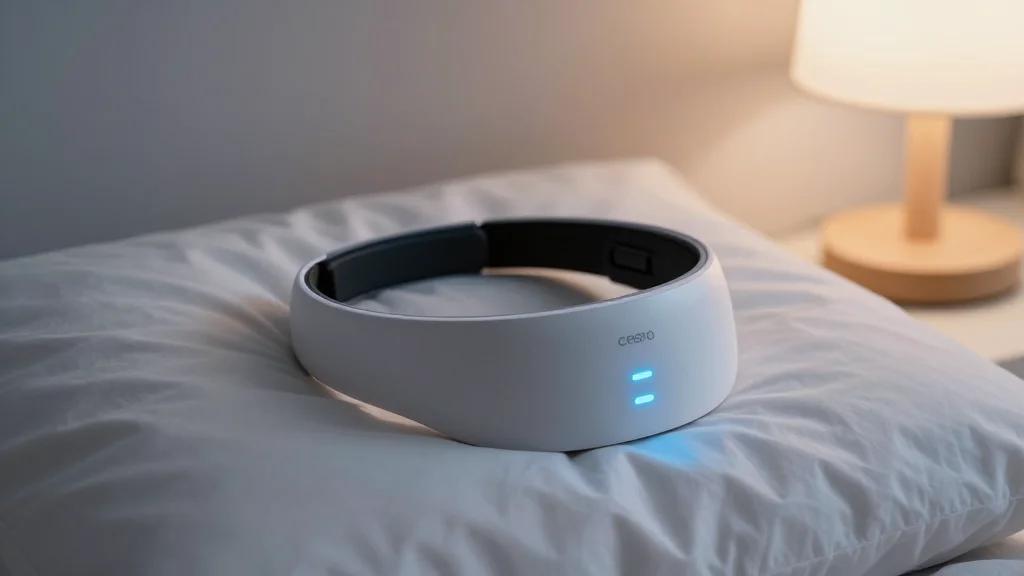
- •Beacon Biosignals launched an FDA‑cleared at‑home sleep EEG headband.
- •The device is currently used in more than 40 global clinical trials.
- •Machine‑learning algorithms translate multi‑night EEG into health metrics.
- •Founders Jake Donoghue and Jarrett Revels aim to detect early neurodegeneration.
- •The platform could shorten drug‑trial timelines and enable consumer brain‑health tracking.
Pulse Analysis
Beacon’s entry into the home‑EEG market arrives at a moment when wearables are transitioning from fitness to clinical relevance. Historically, EEG has been confined to hospitals due to equipment complexity and data‑interpretation challenges. By packaging clinical‑grade sensors in a consumer‑friendly form factor, Beacon sidesteps the traditional cost barrier and creates a data source that is both scalable and repeatable. This mirrors the trajectory of continuous glucose monitors, which moved from niche medical devices to mainstream health tools.
From a competitive standpoint, Beacon faces emerging rivals developing similar sleep‑based neurodiagnostics, but its early FDA clearance and integration into dozens of trials provide a defensible moat. The company’s partnership model—offering the platform to pharma for trial endpoints while simultaneously courting the DIY health market—creates diversified revenue streams that can sustain long‑term growth. However, the approach also raises questions about data privacy and the regulatory framework for consumer‑grade neurodata, issues that will likely shape public perception and adoption rates.
Looking ahead, the success of Beacon’s platform could catalyze a broader shift toward home‑based neuromonitoring, prompting insurers to consider coverage for preventive brain‑health assessments. If the technology proves reliable for early disease detection, it may also spur a wave of biohacking applications focused on optimizing sleep architecture for cognitive performance. The convergence of clinical validation, machine‑learning analytics, and consumer accessibility positions Beacon Biosignals as a potential linchpin in the next generation of brain‑health innovation.
Beacon Biosignals Launches At-Home Sleep EEG Platform for Brain Health Diagnostics
Comments
Want to join the conversation?
Loading comments...