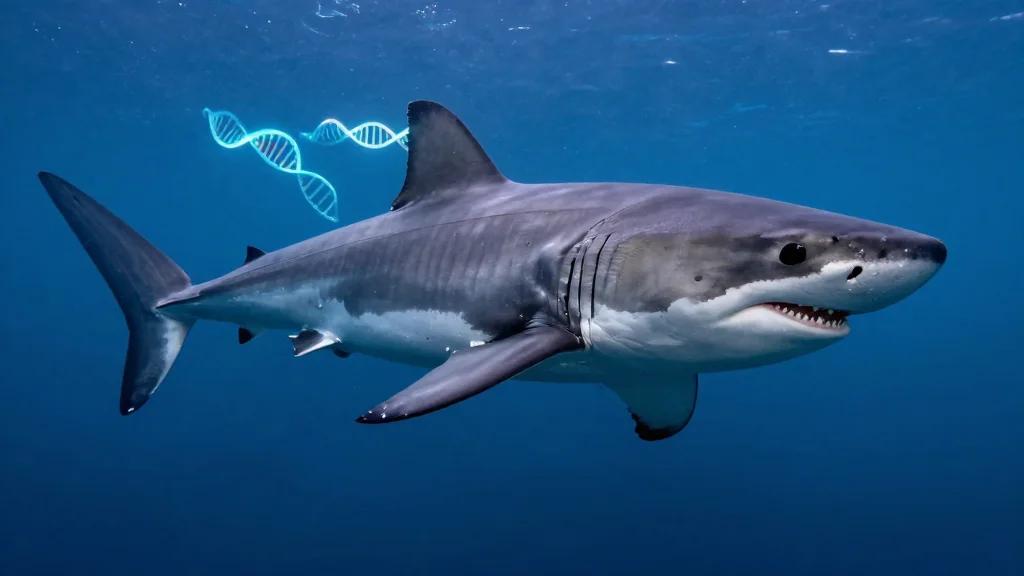
Shark Heart Study Uncovers Longevity Mechanisms, Fueling Biohacker Quest for Longer Life

Why It Matters
The Greenland shark’s longevity mechanisms provide a natural case study of extreme lifespan extension, a core aspiration of the biohacking movement. By uncovering how these animals repair DNA and suppress tumors over centuries, the research offers concrete molecular targets that could be adapted for human therapies, potentially reshaping strategies for age‑related disease prevention. Moreover, the study highlights the value of cross‑species comparative biology in anti‑aging research. It suggests that breakthroughs may arise not only from traditional model organisms but also from long‑lived, understudied species, encouraging biohackers to broaden their investigative horizons beyond conventional labs.
Key Takeaways
- •Study conducted at Italy's Superior Normal School, led by Alessandro Cellerino
- •Greenland sharks live up to 200‑400 years, reach sexual maturity at ~150 years
- •Shark hearts show strong DNA‑repair genes and cancer‑suppression pathways
- •Aged shark hearts exhibit fibrosis, lipofuscin buildup, and mitochondrial damage
- •Findings could guide biohacker‑focused gene‑editing and senolytic research
Pulse Analysis
The Greenland shark study arrives at a moment when the biohacking sector is increasingly looking to nature for longevity hacks. Historically, anti‑aging research has leaned on short‑lived models like mice or nematodes; this work flips that paradigm by spotlighting a vertebrate that defies conventional ageing timelines. The key insight is not that sharks are immortal, but that they deploy a layered defense—robust DNA repair, immune vigilance, and metabolic throttling—that collectively delays functional decline.
For investors and startups, the paper signals a new frontier for biotech pipelines. Companies developing CRISPR‑based therapies could target the shark’s DNA‑repair enzymes, while firms focused on senolytics might emulate the anti‑inflammatory gene clusters identified. The comparative approach also underscores the importance of multi‑omics platforms that can parse subtle differences across species, a capability that many biohacking labs are now acquiring.
Looking ahead, the translation of shark genetics into human applications will face hurdles: evolutionary distance, regulatory scrutiny, and the need for functional validation in mammalian systems. Yet the study’s clear molecular map offers a roadmap. If biohackers can harness even a fraction of these natural defenses, the next decade could see a shift from symptom‑based anti‑aging supplements to precision, gene‑informed interventions that echo the shark’s centuries‑long resilience.
Shark Heart Study Uncovers Longevity Mechanisms, Fueling Biohacker Quest for Longer Life
Comments
Want to join the conversation?
Loading comments...