The Ultimate Gut-Health Grocery List To Boost GLP-1 Naturally
Why It Matters
Leveraging gut‑friendly foods to boost endogenous GLP‑1 reduces reliance on costly injectable therapies and taps growing consumer demand for natural metabolic solutions.
Key Takeaways
- •Fiber-rich veggies increase Akkermansia levels.
- •Polyphenol-rich berries boost gut microbes for GLP‑1.
- •Diverse protein sources feed mucin‑producing bacteria.
- •Rotating foods prevents microbiome stagnation.
- •Gut health supports natural GLP‑1, reducing cravings.
Pulse Analysis
The surge in GLP‑1 pharmaceuticals has sparked a parallel interest in how the body can produce the hormone on its own. Cutcliffe, founder of Pendulum Therapeutics, points to the gut microbiome as the engine behind natural GLP‑1 synthesis, with Akkermansia muciniphila and Clostridium butyricum playing pivotal roles. These bacteria thrive on specific dietary substrates, turning everyday meals into a biochemical catalyst that signals satiety, moderates glucose spikes, and enhances metabolic efficiency.
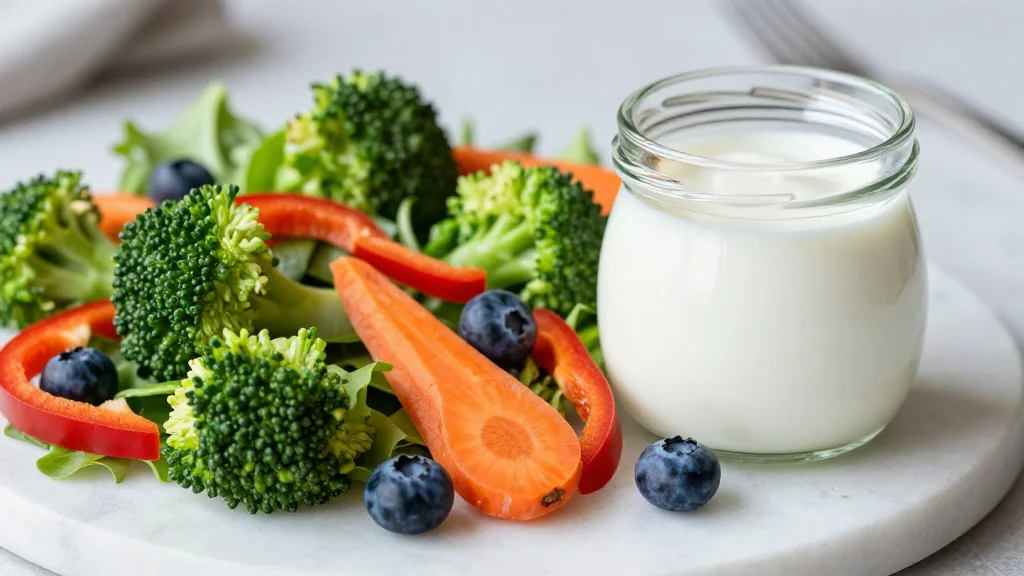
Scientific evidence now links high‑fiber vegetables, polyphenol‑rich berries, and mucin‑supporting proteins to a flourishing gut ecosystem. Leafy greens, cruciferous veggies, Jerusalem artichokes, and asparagus supply fermentable fiber that fuels Akkermansia growth. Berries, pomegranates, and green tea deliver polyphenols that act as pre‑biotics for beneficial microbes. Meanwhile, lean meats and plant‑based proteins provide the mucin substrates that Clostridium butyricum metabolizes. Rotating these foods prevents microbial monotony, ensuring a resilient, adaptable microbiome capable of sustained GLP‑1 output.
For the food and wellness industry, this microbiome‑centric narrative opens new product avenues. Brands can market fiber‑enhanced snacks, polyphenol‑fortified beverages, and protein blends as GLP‑1‑supporting solutions, appealing to health‑conscious consumers wary of injectable drugs. The shift also encourages clinicians to recommend dietary protocols alongside—or in place of—pharmaceuticals, potentially lowering healthcare costs. As research validates the gut‑GLP‑1 link, we can expect a wave of functional foods and supplements designed to nurture the microbial partners that drive natural appetite regulation.
The Ultimate Gut-Health Grocery List To Boost GLP-1 Naturally
Comments
Want to join the conversation?
Loading comments...