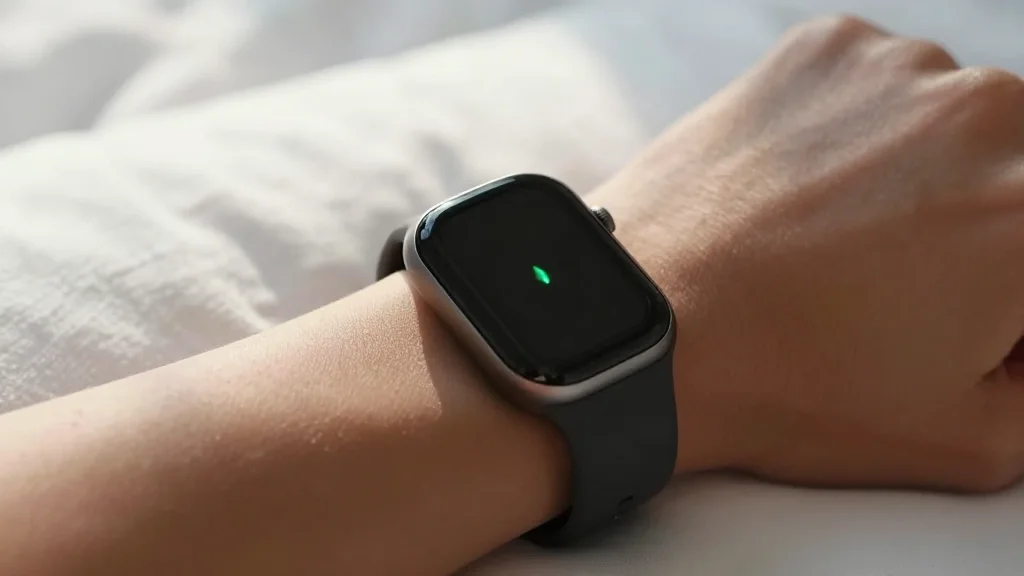
Study Links Consistent Daily Rest Patterns to Slower Biological Aging

Why It Matters
The study bridges a gap between everyday sleep hygiene and molecular markers of aging, giving biohackers a concrete metric—rest‑activity rhythm consistency—to track and improve. By linking a simple behavioral pattern to epigenetic age, the research validates a low‑cost, non‑invasive approach to longevity that can be scaled through consumer wearables. If subsequent trials confirm causality, the findings could reshape public health recommendations, prompting insurers and employers to incentivize regular sleep schedules. The ripple effect would extend to device makers, sleep clinics, and the broader wellness industry, all of which stand to benefit from a validated, behavior‑based anti‑aging strategy.
Key Takeaways
- •Study of 207 adults links consistent daily rest‑activity rhythms to lower epigenetic age scores.
- •Two of four DNA‑based aging clocks showed statistically significant slower aging for regular sleepers.
- •Researchers used wrist‑worn devices and sleep diaries over a seven‑day monitoring period.
- •Co‑senior authors Adam Spira and Brion Maher note the sample is small and may underestimate population effects.
- •Planned clinical trials will test whether deliberately stabilizing rhythms can causally slow biological aging.
Pulse Analysis
The Johns Hopkins findings arrive at a moment when the biohacking market is saturated with gadgets promising metabolic boosts, cognitive enhancement, and hormonal optimization. Yet few interventions have been anchored to hard‑wired molecular markers like epigenetic clocks. By demonstrating a statistically measurable link between rhythm regularity and biological age, the study injects scientific rigor into a space often dominated by anecdote.
Historically, longevity research has focused on caloric restriction, senolytics, and gene therapy. Chronobiology—our internal timing system—has lingered on the periphery, despite evidence that circadian disruption accelerates disease. This work could catalyze a shift, positioning sleep‑schedule engineering alongside more invasive interventions. Companies that already aggregate sleep data, such as Oura and WHOOP, may soon market “age‑slowing scores” derived from rhythm consistency, creating a new revenue stream and a competitive differentiator.
Looking ahead, the key challenge will be moving from correlation to causation. If upcoming trials prove that tightening daily rhythms directly decelerates epigenetic aging, we could see a wave of prescription‑grade chronobiotic therapies, insurance‑covered sleep coaching, and workplace policies that enforce regular shift patterns. Until then, the study offers a compelling, low‑risk entry point for individuals seeking to biohack their longevity, reinforcing the adage that consistency, not intensity, may be the most powerful lever for healthy aging.
Study Links Consistent Daily Rest Patterns to Slower Biological Aging
Comments
Want to join the conversation?
Loading comments...