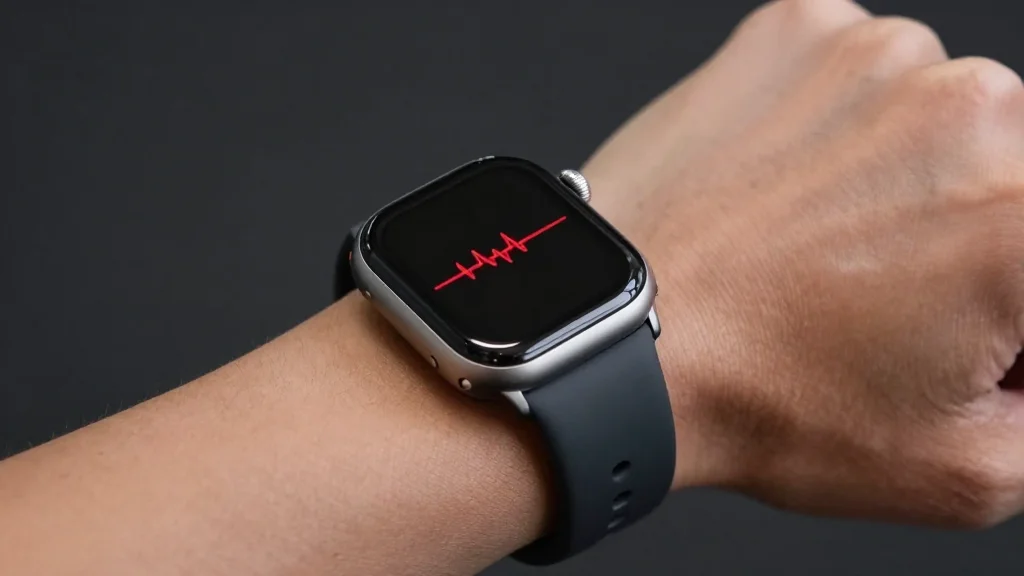
Samsung Galaxy Watch6 Can Predict Fainting 5 Minutes Early, Study Shows

Companies Mentioned
Why It Matters
The ability to anticipate a fainting episode transforms wearables into a first line of defense against sudden health crises. Historically, devices have focused on chronic‑disease monitoring (e.g., arrhythmia detection) or lifestyle metrics. Predictive alerts for acute events could reduce emergency‑room visits, lower injury rates from falls, and give clinicians new data streams for managing patients with recurrent syncope. Beyond individual safety, the study signals a broader trend: consumer electronics firms are investing in AI‑driven health analytics that meet clinical standards. If Samsung succeeds in commercializing this feature, competitors may accelerate similar research, pushing the entire wearable market toward more medically actionable insights.
Key Takeaways
- •Galaxy Watch6 predicted vasovagal syncope up to 5 minutes before onset
- •Study of 132 patients showed 84.6% prediction accuracy
- •Feature relies on PPG sensor and AI‑driven HRV analysis
- •Collaboration involved Chung‑Ang University and Gwangmyeong Hospital
- •Alert is still in research phase; rollout date not announced
Pulse Analysis
Samsung’s faint‑detection breakthrough underscores a strategic pivot from pure consumer entertainment to health‑centric value propositions. The company has long leveraged its hardware expertise—high‑resolution sensors, low‑power chips, and robust firmware—to differentiate its wearables. By embedding an AI model that can interpret subtle physiological changes, Samsung is effectively turning the Galaxy Watch into a low‑cost, always‑on clinical monitor.
Historically, the wearable market has been dominated by fitness‑focused narratives, with medical‑grade claims limited to ECG or blood‑oxygen readings that require regulatory clearance. Samsung’s approach sidesteps some of those hurdles by positioning the feature as a warning system rather than a diagnostic tool, a nuance that could smooth the path through regulatory review. However, the company must still address data‑privacy concerns and ensure algorithmic fairness across diverse skin tones and wrist sizes—issues that have plagued earlier health‑sensor rollouts.
Looking ahead, the competitive response will be telling. Apple, with its extensive health ecosystem, may accelerate its own predictive‑health research, while emerging players like Fitbit (now part of Google) could seek partnerships with academic institutions to replicate Samsung’s model. If the feature proves reliable in larger, real‑world deployments, we could see a new category of "preventive wearables" that insurers and employers might subsidize, reshaping how chronic‑risk management is delivered. Samsung’s next challenge will be translating a promising pilot into a scalable, regulated product without compromising the user experience that has made its watches popular.
Samsung Galaxy Watch6 Can Predict Fainting 5 Minutes Early, Study Shows
Comments
Want to join the conversation?
Loading comments...