
Stanford’s AI Discharge Summary Tool Cuts Physician Burnout
Stanford Health Care piloted an in‑house AI agent, MedAgentBrief, that drafts hospital discharge summaries for physicians at Sequoia Hospital. Over a ten‑week trial with 11 hospitalists, the tool cut documented time per summary by about three minutes and was associated with a measurable drop in burnout scores. Accuracy checks revealed omissions in 25% of drafts, inaccuracies in 20%, and hallucinations in only 2% of cases. Physicians reported perceived savings of more than ten minutes per note and embraced the technology faster than typical health‑IT rollouts.
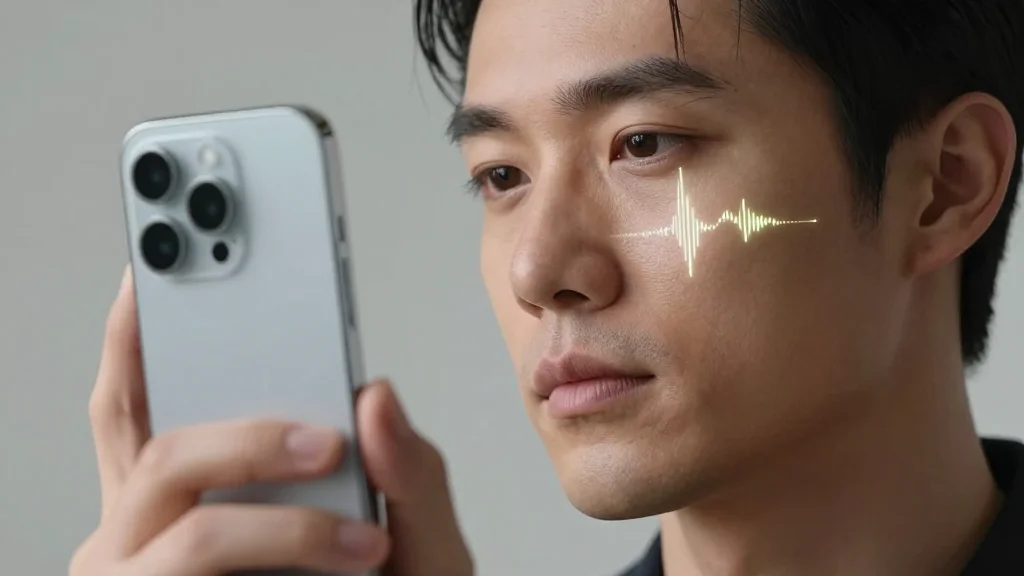
Google Develops Passive Heart Rate Monitoring via Smartphone Camera
Google researchers have created a passive heart‑rate monitoring system (PHRM) that leverages a smartphone’s front‑facing camera to capture eight‑second facial video clips after a user unlocks the device via face recognition. An on‑device deep‑learning pipeline extracts subtle skin‑color changes to...
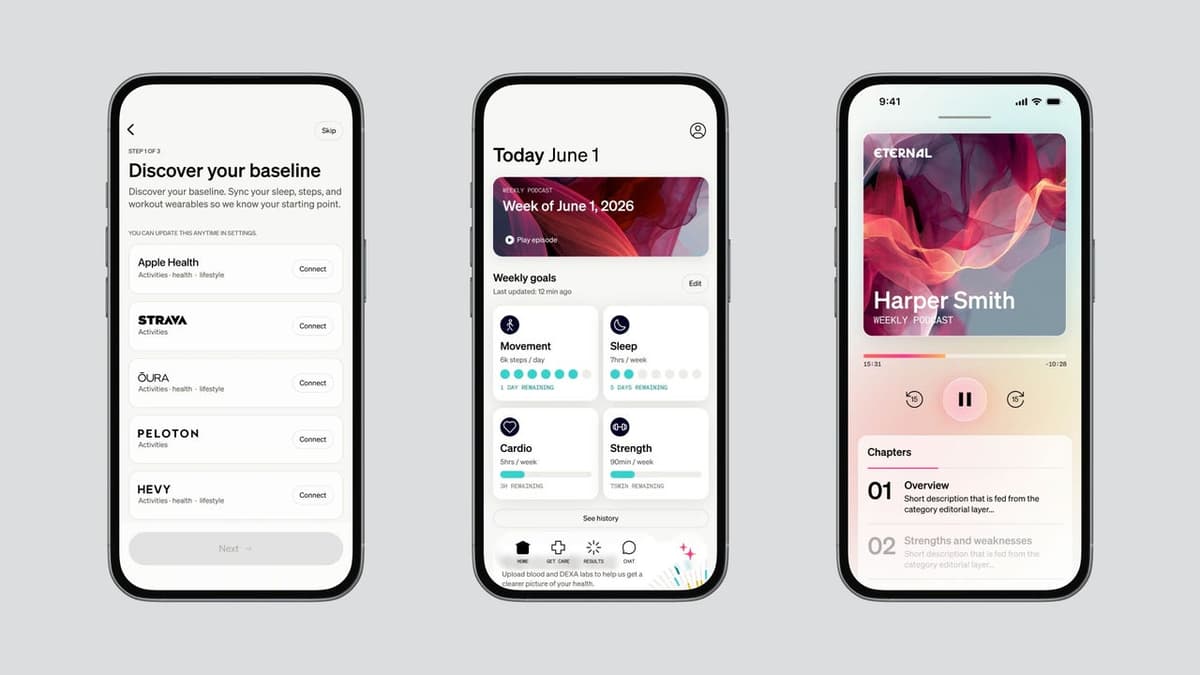
This Health Startup Will Create a Weekly Podcast Just for You—Starring Your Blood Work
Eternal, a health‑and‑longevity startup backed by a $13.25 million seed round, has introduced AI‑generated weekly podcasts that deliver personalized health updates to users. The service pulls data from wearables, blood work, and DEXA scans, then creates a five‑minute audio briefing covering...

Bloomberg Talks: Jeff DiLullo (Podcast)
Philips North America unveiled its 11th annual Future Health Index, this year spotlighting artificial intelligence in real‑world healthcare deployments. In a Bloomberg Talks interview, Jeff DiLullo, the company’s North America chief region leader, said AI is shifting from a cost‑cutting...

Why Patient Trust Is the Missing Metric in Digital Health Innovation
Digital health is now central to care, but patient trust remains under‑measured. Even technically sound portals, AI tools and remote monitors can stall adoption if users doubt safety or relevance. The article argues that trust should be quantified before scale‑up,...
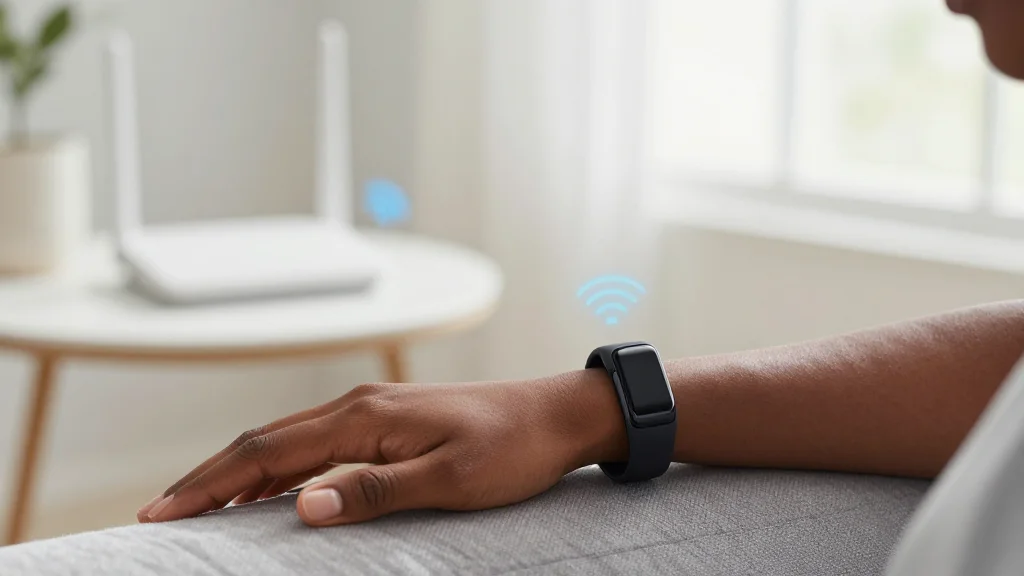
Remote Health Monitoring: Health Equity Equalizer or False Prophet?
Remote health monitoring is hailed as a tool to extend care beyond clinic walls, yet its benefits remain unevenly distributed. The article argues that without broadband, device access, and digital literacy, RPM can deepen existing health gaps. It highlights mistrust...

NHS England Is Rolling Out Microsoft's AI Assistant to 505,000 Workers
NHS England will equip 505,000 clinicians and support staff with Microsoft 365 Copilot, the AI‑powered assistant embedded in Office tools. A pilot involving 30,000 workers showed an average daily saving of 43 minutes per person, equating to five weeks of admin...

AxisCare Releases Independent Survey That Reveals Shift From AI Exploration to Adoption
AxisCare released an independent survey of more than 400 home‑care leaders showing that 91% are already using or planning AI, and 92% expect measurable value. Respondents view AI as a productivity tool that reduces costs, improves decision‑making, and frees staff...

Most Doctors in UK Think AI Training Is Inadequate
A Philips‑sponsored Future Health Index survey finds three‑quarters of UK physicians believe their AI training is inadequate, even as they increasingly turn to personal AI tools. Those using AI report saving roughly 132 hours per year and seeing about seven...
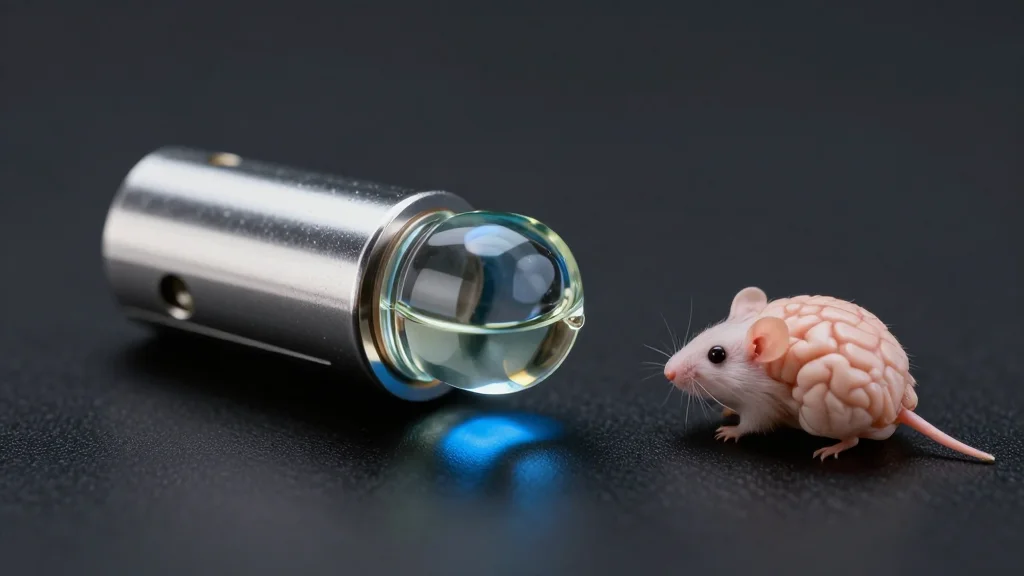
New 3D Microscope Technology Captures High-Resolution Tissue Images at a Fraction of the Cost
Columbia University researchers led by Prof. Raju Tomer unveiled HySIL, a hybrid solid‑liquid optics system that lets inexpensive air lenses achieve oil‑immersion‑level resolution across centimeter‑scale tissues. The concept is packaged in the modular SCOPE attachment, which retrofits existing light‑sheet microscopes,...
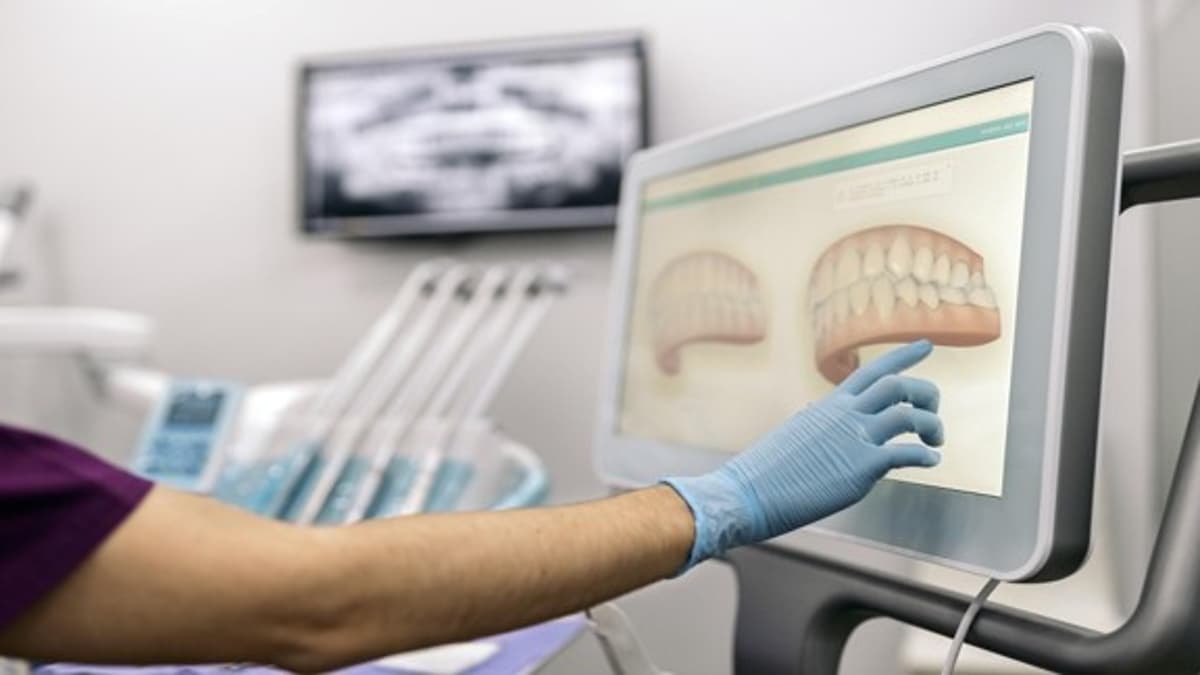
How Modern Dental Practices Are Using Technology to Improve Preventive Care and Patient Outcomes
Modern dental practices are leveraging digital imaging, intraoral cameras, AI diagnostics, periodontal risk tools, and automated communication platforms to boost preventive care. Cone beam computed tomography (CBCT) provides three‑dimensional imaging, widening the window for early detection of bone loss, impacted...

Hello Ello Launches AI Caregiving Camera Vision One for Families in Singapore and Malaysia
Hello Ello, a Singapore‑based AI caregiving firm, has launched Vision One, a 3K Wi‑Fi care camera, in Singapore and Malaysia. The device uses context‑aware AI to flag falls, wandering, smoke or distress within 60 seconds and delivers a daily activity...
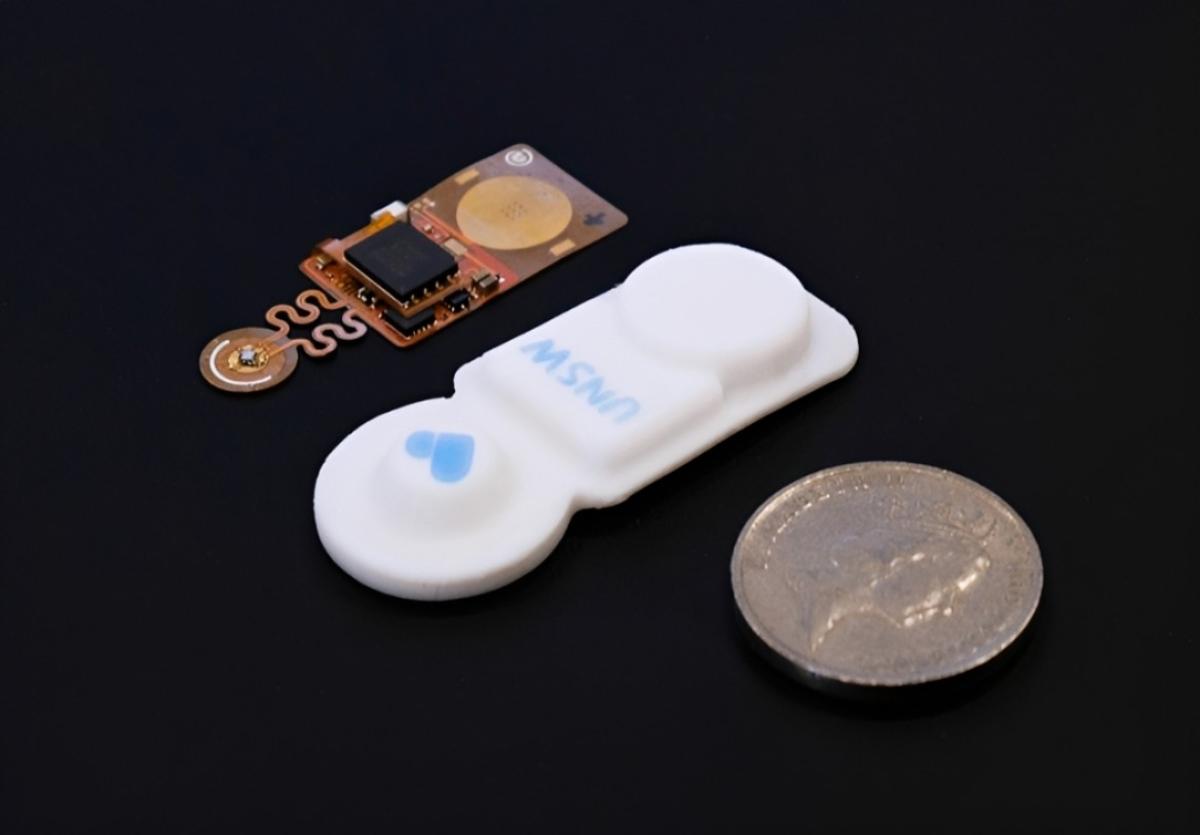
UNSW Researchers Develop Lightweight Patch for Continuous Heart and Breathing Monitoring
Researchers at UNSW Sydney have created a lightweight wearable patch called AusculPatch that adheres to the chest and captures subtle mechanical vibrations from the heart, lungs and blood flow, enabling continuous home monitoring. The 3.2‑gram, 20×47×3 mm device delivers data comparable...

OpenEvidence: 6 Things to Know About the AI Tool Used by Half of Physicians
OpenEvidence, an AI‑driven clinical reference app, fielded 30 million queries last month and is now used regularly by more than half of U.S. physicians, outpacing ChatGPT. The startup’s valuation jumped to $12 billion in January after a $250 million Series D, up from $3.5 billion...
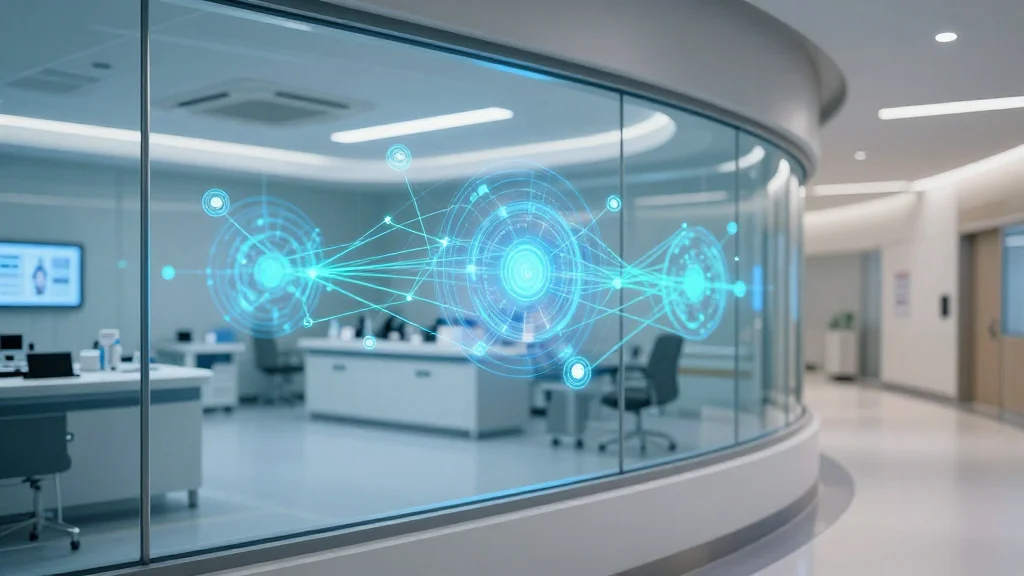
Sutter Health’s Epic Command Center Adds 12 Beds a Day
Sutter Health launched a centralized capacity‑management command center in January 2025, using Epic’s Grand Central dashboard to monitor patient flow across its network. A three‑hospital pilot cut excess length‑of‑stay days by 27%, freeing the equivalent of 12 beds each day,...