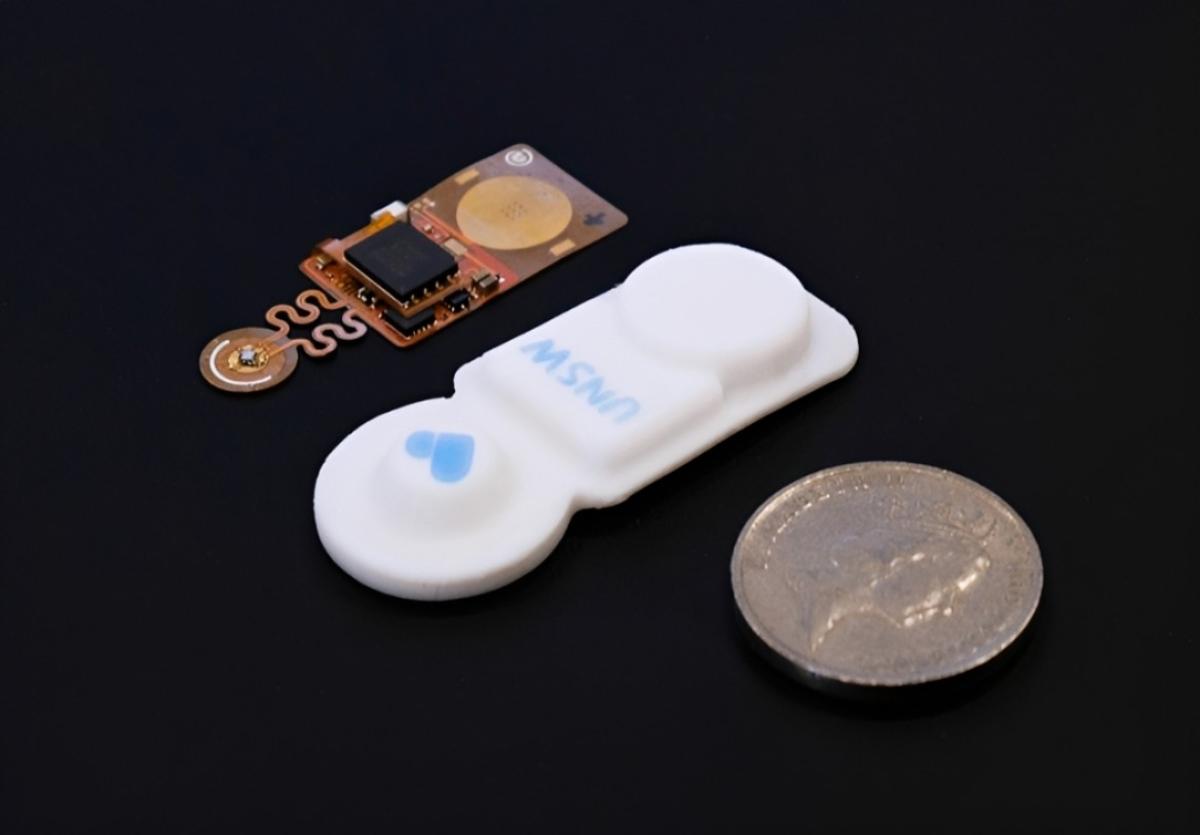
UNSW Researchers Develop Lightweight Patch for Continuous Heart and Breathing Monitoring
Why It Matters
Continuous at‑home monitoring can detect cardiac or respiratory issues earlier, cutting hospital visits and improving care for remote patients. The technology also paves the way for AI‑based diagnostics and new assistive‑device applications.
Key Takeaways
- •AusculPatch weighs 3.2 g, size 20×47×3 mm.
- •Captures heart, lung, blood flow vibrations in real time.
- •Performs reliably during movement and noisy environments.
- •Enables AI alerts for early detection of abnormalities.
- •Trials target 200‑1,000 patients, aiming market in 4‑5 years.
Pulse Analysis
Remote patient monitoring has accelerated as telehealth gains acceptance, but most solutions rely on intermittent data from bulky devices or short clinic visits. Wearable sensors that can unobtrusively collect high‑fidelity physiological signals are the next frontier, promising to bridge the gap between episodic care and continuous insight. AusculPatch exemplifies this shift, offering a discreet, adhesive‑based platform that transforms the chest into a data hub without the constraints of traditional stethoscopes or wired monitors.
Technically, the patch’s ultra‑thin silicon sensing element isolates low‑frequency vibrations while rejecting ambient noise, a feat that allows clear heart and breath recordings even while users walk or climb stairs. Its lightweight form factor—just 3.2 grams—means patients can wear it for days without discomfort. Coupled with machine‑learning algorithms, the continuous stream of data can be analyzed in real time to identify arrhythmias, respiratory irregularities, or even vocal‑cord activity, opening possibilities for early warning systems and novel assistive interfaces for speech‑impaired individuals.
From a market perspective, the device aligns with growing investor interest in digital health platforms that reduce hospital readmissions and lower overall care costs. Although regulatory clearance will require extensive clinical validation, the planned trials involving up to 1,000 participants position AusculPatch for a realistic rollout within five years. A consumer‑grade wellness version could appear sooner, expanding the addressable market beyond chronic‑care patients to fitness enthusiasts and remote‑work populations seeking proactive health tracking.
UNSW researchers develop lightweight patch for continuous heart and breathing monitoring
Comments
Want to join the conversation?
Loading comments...