
15 Health Systems that Have Signed Enterprise AI Deals in 2026
Health systems are accelerating enterprise‑wide AI deployments in 2026, moving beyond isolated pilots to systemwide solutions that span clinical documentation, decision support, virtual care and workforce management. Notable deals include the University of Texas System’s generative AI rollout that delivered a $15 million run‑rate impact, the VA’s scaling of an ambient scribe tool to over 130 medical centers, and Mount Sinai’s integration of OpenEvidence AI directly into Epic. Other adopters such as Jefferson Health, Cooper University, MultiCare, HonorHealth, Mercy, Emory, Allina, Cedars‑Sinai, Mayo Clinic and Advocate Health have partnered with vendors like Qualified Health, hellocare.ai, Abridge and Lind to embed AI across clinician workflows. The wave reflects a sector‑wide shift toward AI as a core operational platform rather than a niche experiment.
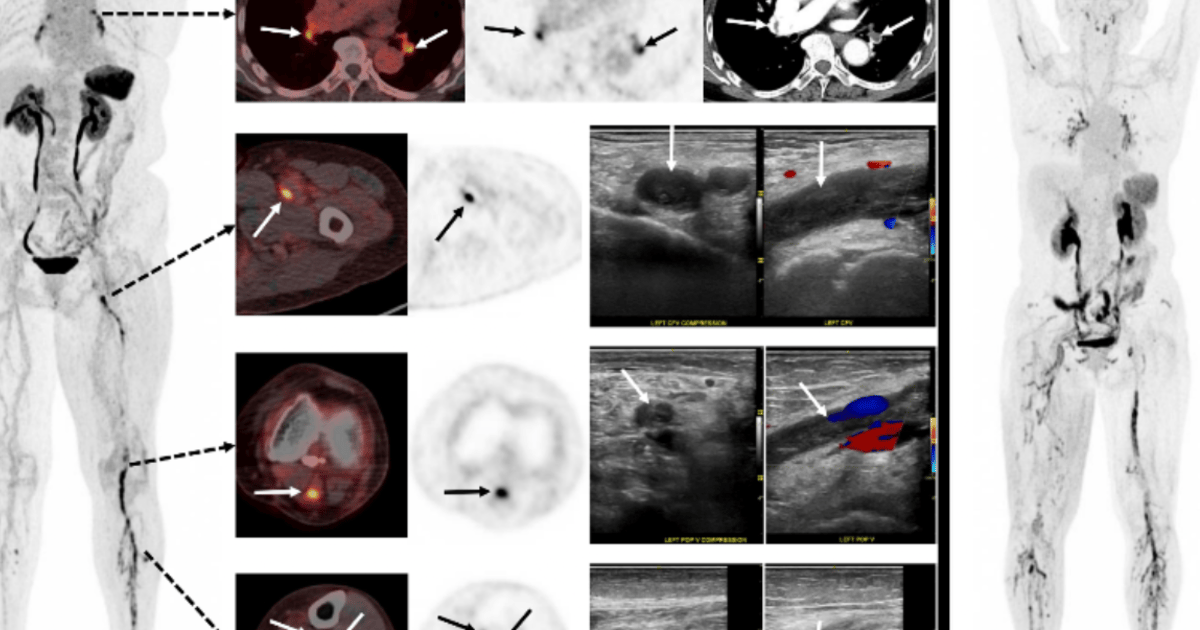
SNMMI Unveils 2026 Image of the Year
The Society of Nuclear Medicine and Molecular Imaging named a whole‑body PET image using the novel radiotracer ¹⁸F‑GP1 as its 2026 Image of the Year. The tracer directly visualizes blood clots, detecting deep‑vein thrombosis and concurrent pulmonary embolism with accuracy...

Bringing Digital Innovation From Lab to Life in Cardiology
BIOTRONIK, Charité – Universitätsmedizin Berlin, and the German Heart Center Foundation announced a research and innovation partnership to accelerate digital cardiology. The collaboration will combine BIOTRONIK’s AI, connected‑health, and implantable‑device expertise with Charité’s clinical cardiovascular program to develop AI‑driven tools...
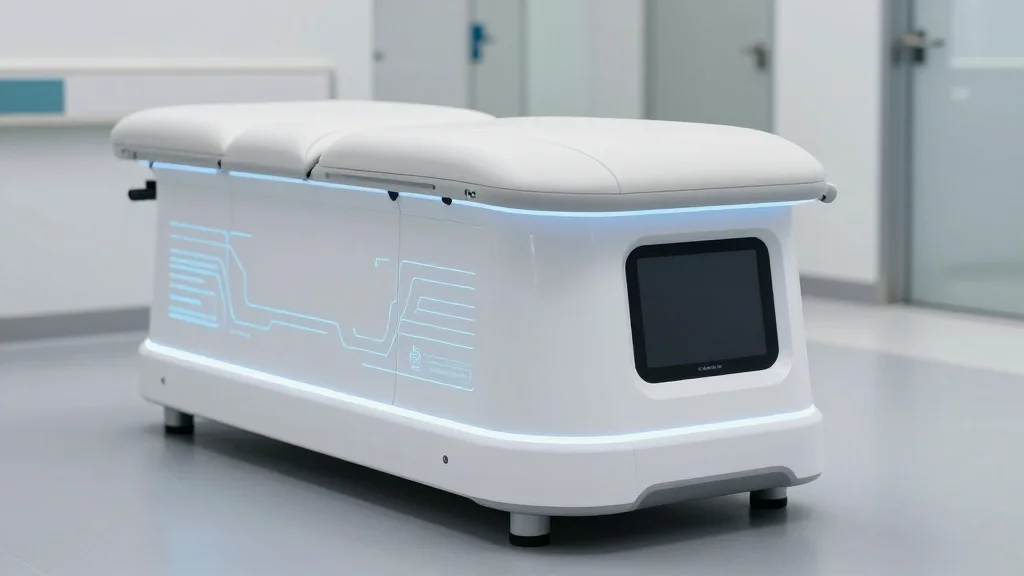
Clinical and Economic Evaluation of Autonomous Artificial Intelligence in Musculoskeletal Therapeutics: Flok Health's Series A and the Shifting Competitive Landscape
Flok Health, a Cambridge‑based digital health firm, closed an oversubscribed $12.5 M Series A led by AlbionVC to scale its autonomous AI‑driven physiotherapy clinic across the NHS and into international markets. The platform, a CQC‑registered Class IIa medical device, can triage, diagnose, treat...

AI Triage Tool Slashes Breast Cancer Screening Workloads by 77%
A French study applied an AI‑enabled mammogram triage system to 55,589 screening exams from women aged 50‑74. The algorithm classified 76.6% of scans as low risk, allowing radiologists to skip a second read for those cases and potentially slash the...

Beyond the Screen: How Ambient AI Is Changing the Exam Room
Beth Israel Lahey Health deployed Heidi’s ambient AI scribe to capture clinician‑patient conversations and auto‑generate draft notes. The pilot involved 1,000 clinicians across 47 specialties and reported an average daily time savings of about 70 minutes per full schedule. Seventy‑four...

Voices: Dave Wessinger, CEO, PointClickCare
PointClickCare, leveraging 25 years of data infrastructure, is shifting its skilled‑nursing platform from a passive record system to an active AI‑driven decision engine. The company’s Advisor suite embeds intelligence into admissions, documentation, reimbursement and compliance workflows, surfacing risks and gaps...

BayCare Expands Autonomous Hospital Delivery with New Relay Robots at Winter Haven Hospitals
Relay Robotics announced the addition of two autonomous delivery robots, Stork and Miles, to BayCare’s Winter Haven Hospital and Winter Haven Women’s Hospital. The robots will automate transport of lab specimens, medications and supplies, targeting over 500 deliveries and more...

Digibete Awarded National Digital Education Platform for Children and Young People with Diabetes
NHS England has awarded Digibete C.I.C. a contract worth up to £1.5 million (≈$1.9 million) to build a national digital education platform for children and young people with Type 1 and Type 2 diabetes. The five‑year call‑off runs from May 2026 to May 2031 and will...

Mayo Clinic and Microsoft Collaborate to Develop a Frontier AI Model for Healthcare
Mayo Clinic and Microsoft have announced a joint effort to build a healthcare‑specific AI foundation model. The model will merge Mayo's de‑identified patient records and clinical expertise with Microsoft’s AI, cloud, and engineering capabilities. Initially, the system will be deployed...

At a Tennessee Hospital, a Nurse Stole Fentanyl and AI Missed It, State Records Say
A nurse at Erlanger Baroness Hospital in Chattanooga stole fentanyl for months, and the hospital’s AI‑driven drug‑diversion software, Sentri7, failed to flag the missing medication. The Tennessee Board of Nursing’s consent order revealed that Sentri7 missed at least five alerts...

Philips Secures FDA Clearance for Elevate Plus AI Ultrasound Upgrade
Philips has obtained FDA 510(k) clearance and a CE mark for Elevate Plus, an AI‑driven upgrade to its EPIQ Elite and Affiniti ultrasound platforms. The upgrade adds tools such as Auto Measure Abdomen, which reports over 93 % accuracy compared with expert readings,...

AI Chatbot Use and Disclosure for Mental Health Among US Adolescents and Young Adults
A nationally representative survey of 1,009 U.S. adolescents and young adults found that 19.2% had used AI chatbots for mental‑health advice in 2025. Among users, 42.8% consulted a chatbot at least monthly and 91.7% rated the guidance as somewhat or...

Bold Symposium At Stanford Illuminates The Future Of AI For Mental Health
Stanford’s AI4MH symposium on June 1, 2026 gathered researchers, clinicians, industry leaders, and policymakers to map the future of AI in mental health. Sessions highlighted the surge in consumer use of large‑language models—24‑33% of U.S. adults now turn to AI for mental‑health...

Supported by a $40 Million NIH Grant, Yale Brain Shuttle Technology Raises Questions
Yale neuroscientists Yong‑Hui Jiang and Jiangbing Zhou secured a $40 million NIH grant to develop the Stimuli‑responsive Traceless Engineering Platform (STEP), a nanometer‑scale carrier intended to deliver CRISPR‑Cas9 ribonucleoproteins across the blood‑brain barrier. Early mouse studies reported brain‑wide editing, improved motor...

Australian HealthTech Market: 2026 State of Play & Outlook to 2028
Australia’s health‑tech sector is on a structural growth trajectory, with the digital‑health market valued at $8.9 bn USD in 2025 and projected to reach $31.1 bn USD by 2034 (≈15% CAGR). Private fundraising surged to AUD $416 m (~$275 m USD) in CY25, a 101%...

Louisiana System Cuts Sepsis Mortality 24%
FMOL Health, operating ten hospitals in Louisiana and Mississippi, deployed the IntelliSep rapid sepsis test across its entire acute‑care network, achieving a 24% drop in sepsis mortality over two years. The test, co‑developed with Cytovale and LSU, delivers results in...

Keep Your Telemedicine Services Fast, Reliable, and Secure
Healthcare providers expanding telemedicine, AI diagnostics, and IoMT devices are straining data‑center capacity. To keep networks fast, reliable, and compliant, organizations need carrier‑grade testing and continuous monitoring. Anritsu’s white paper outlines how precise validation tools can identify bottlenecks and ensure...
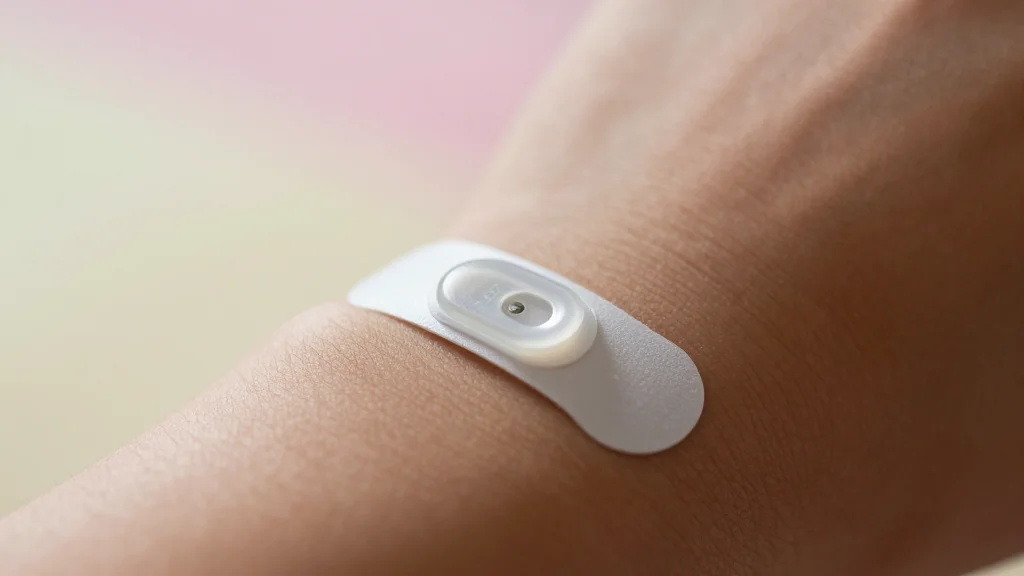
82% of Adults with Type 2 Diabetes Not on Insulin Improve Blood Glucose Levels with Continuous Glucose Monitoring
A new randomized controlled trial (CONNECT) presented at the ADA 2026 Scientific Sessions showed that continuous glucose monitoring (CGM) significantly improves glycemic control in adults with type 2 diabetes who are not on insulin. The study enrolled 283 participants across...

Ilant Health Raises $15M for AI Obesity Care
Ilant Health announced a $15 million Series A round, bringing total capital to over $22 million, to scale its employer‑directed obesity and cardiometabolic program. The company uses a value‑based care model, earning fees only when health outcomes improve, and has secured direct pricing...

Machine Learning Model Accurately Predicts Long-Term Risk of Type 2 Diabetes
A new electronic‑health‑record based machine‑learning model predicts a patient’s risk of developing type 2 diabetes up to ten years in advance. The retrospective study analyzed 3,365,464 adults from Kaiser Permanente Northern California, achieving an area‑under‑the‑curve of 0.886 in training and 0.883...

Multi-Disciplinary Committees Fuel Digital Maturity Success
Taipei Veterans General Hospital’s Dr. Wui‑Chiang Lee formed two multidisciplinary committees to tackle AI readiness and electronic medical record (EMR) performance. The groups bring together physicians, nurses, pharmacists, and IT staff to align clinical needs with technology capabilities. Their work...

Can Surgical Robots Fly? SSi’s CEO Discusses the Challenges and Solutions
SS Innovations CEO Dr. Sudhir Srivastava announced that the company plans to field a functional, flying surgical robot—Vimana Aero—by mid‑2026. The drone concept, inspired by DARPA’s 1980s battlefield telesurgery research, would carry a detachable unit with miniature robotic arms to...

What EMRAM Level 7 Means for Taipei Veterans General Hospital
Taipei Veterans General Hospital announced it has advanced to EMRAM Level 7, the highest tier of HIMSS’s electronic medical record adoption model. The hospital accelerated the upgrade after being validated at Level 6 just a year earlier. Dr. Wui‑Chiang Lee highlighted new...

How AI Can Give Community Oncology Clinics a Clearer View of the Future
Oklahoma Cancer Specialists and Research Institute (OCSRI) partnered with AllyGPO to deploy the AI‑driven specialty drug platform AllyIQ. The system links clinical, operational and finance workflows, giving real‑time insight into purchasing, inventory and contract performance. Within nine months OCSRI cut...
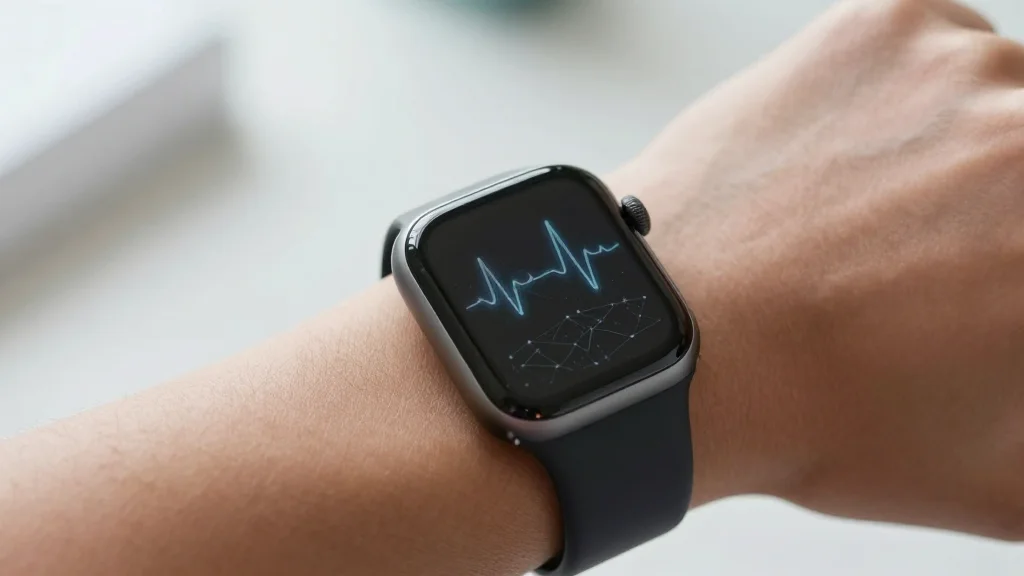
Gnosis Health Secures £1.1m to Accelerate Parkinson’s Care
Gnosis Health, a spinout of Newcastle and Plymouth universities, has secured £1.1 million (≈$1.38 M) to advance its AI‑powered digital health assistant MAXine. The platform fuses wearable sensor data, patient‑reported outcomes, and behavioural patterns to deliver real‑time insights for Parkinson’s disease management....

AI for MSK Will Bend the Healthcare Cost Curve
AI‑powered agentic tools are being positioned to transform musculoskeletal (MSK) care, shifting treatment from costly surgery toward preventive and rehabilitative interventions. With up to 80% of Americans likely to experience lower‑back pain, hospitals face patient leakage that has already cut...

FDA Picks Nephrodite’s Implantable Dialysis System for TAP Pilot
Nephrodite’s Holly implantable continuous dialysis system has been selected for the FDA Total Product Life Cycle Advisory Program (TAP) pilot, joining a cohort of just 122 devices. The system previously earned Breakthrough Device Designation, positioning it for an accelerated regulatory...

How Foundation Models Could Transform Radiology AI
A recent MIDRC webinar highlighted the push toward a radiology foundation model that leverages self‑supervised learning, multimodal data, and synthetic imaging. Stanford’s CheXone, trained on millions of X‑rays, reports, and reasoning traces, demonstrates strong performance across tasks, including rare‑disease detection....

Top 10 EHR Software Development Companies in the USA (2026)
In 2026 the U.S. healthcare industry is shifting toward custom, data‑driven EHR platforms as off‑the‑shelf solutions prove inflexible for complex specialty workflows. Demand for bespoke EHR systems has surged, prompting providers to partner with development firms that can deliver end‑to‑end...

New Ultrasound Pacemaker Design Promises Minimal Recovery Time for Cardiac Patients
MIT engineers have unveiled a postage‑stamp‑sized, skin‑adhesive ultrasound pacemaker that stimulates the heart without surgery. The device uses sonogenetically engineered ion channels, introduced via a one‑time gene‑therapy injection, to make cardiac cells highly responsive to low‑intensity ultrasound pulses. In laboratory...

Best Patient Journey Analytics Tools for Health Systems
Health systems struggle to see a complete patient acquisition journey because their analytics stack is fragmented across web, call tracking, scheduling and EHR platforms. The article reviews tools that address parts of this gap, from full‑journey solutions like LightTrail to...

Applications of Artificial Intelligence in Antimicrobial Resistance Surveillance, Prediction, and Control in Low- and Middle-Income Countries: A Scoping Review
A new scoping review catalogued 128 studies from 2013‑2026 that applied artificial intelligence and machine learning to antimicrobial resistance (AMR) challenges in low‑ and middle‑income countries (LMICs). The research identified AI use across surveillance, resistance prediction, rapid diagnostics, stewardship, outbreak...

IMU Biosciences Raises £40m to Change Disease Diagnosis
IMU Biosciences announced the close of its Series A round, raising over $53 million (£40 million) in an oversubscribed financing led by IQ Capital and Molten Ventures. The company leverages a single blood draw to capture more than 100 million immune data points,...

New Magnetic Particle Imaging Ensures Precision Cell Therapy Injection Tracking
Scientists at Johns Hopkins Medicine demonstrated that magnetic particle imaging (MPI) can track therapeutic cells in live mice, revealing real‑time distribution after injection. The NIH‑funded study, published May 6, 2026 in Science Advances, compared arterial and venous delivery of mesenchymal stem cells...

Researchers Develop Real Time Sensor System for Early Detection of ICU Brain Infections
A University of Waterloo team unveiled NeuroSense, a 3D‑printed, smartphone‑sized platform that continuously monitors cerebrospinal fluid for infection biomarkers and flow rate in ICU patients. The system tracks glucose, lactate, pH and fluid dynamics, delivering near‑real‑time alerts that could replace...

Providence Study Finds Scale Unlocks the Value of Ambient AI-Assisted Clinician Documentation
A Providence‑wide study of 1,547 clinicians using ambient AI documentation showed immediate cuts in note‑writing time and a gradual decline in after‑hours charting, while productivity rose modestly via higher relative value units. The evaluation, covering 16,149 observation‑months between July 2023...

Living Brain Gene Activity Revealed Noninvasively Through Programmable Blood Test
Rice University bioengineers have unveiled INTACT, a programmable blood‑based assay that captures real‑time transcription of selected genes in living brain tissue. The platform couples engineered Released Markers of Activity (RMAs) with mRNA‑sensing sensors, releasing detectable markers into the bloodstream. In...

Scaling Oncology Patient Support: How New York Cancer and Blood Specialists Transformed Customer Experience with AWS and Pronetx, Now Part...
New York Cancer and Blood Specialists (NYCBS) migrated its high‑volume oncology contact center to a dedicated Amazon Connect Customer instance with AWS partner Pronetx (now part of Caylent). The 13‑week project automated call routing, added multi‑language support, and introduced AI‑driven...

HBF Faces AI Agent to Members for First Time
HBF Health Insurance is launching its first generative AI agent, AgentForce, to serve its 1.2 million members via a web‑based chat interface. The initial version provides unauthenticated, generic policy information, while an authenticated version slated for release in a few months...

Clinical Workflow Automation: Where AI Is Making Real Inroads in Healthcare
Healthcare leaders are turning to AI‑driven clinical workflow automation to curb clinician burnout, fill staffing gaps, and speed up revenue‑cycle processes. Deloitte’s 2026 State of AI Report shows nearly 75% of health‑care organizations report efficiency gains from AI. Use cases...

Samsung Galaxy Watch for Diabetes Management: What It Can Track and What It Can’t
Samsung’s Galaxy Watch series, starting with the Watch 4, now integrates blood‑glucose tracking through compatible CGM apps or manual entry, and aggregates medication, nutrition, sleep, stress, activity, and heart‑health data via Samsung Health. The watch estimates long‑term glycated hemoglobin and pairs...

Epic Integrates Firearm Injury Risk Screening Tool From Northwell Health
Northwell Health’s NIH‑funded "We Ask Everyone" firearm injury risk screening tool has been embedded in Epic’s electronic health record platform. The digital module identifies patients at risk, provides free gun locks, and connects them to hospital‑based violence‑intervention services while capturing...

Mobility and Resilience Are Healthcare's New Normal
Verizon Business is rolling out next‑generation, resilient network infrastructure aimed at supporting the expanding ecosystem of connected medical devices in hospitals. The solution promises robust, low‑latency connectivity and real‑time decision‑support analytics to keep critical equipment online. Robin Goldsmith highlighted that...

Nanoparticles Boost Delivery of Lung Cancer Drugs 30-Fold
Researchers at the University of Adelaide have created a hybrid lipid‑polymer nanoparticle that can ferry lung‑cancer drugs directly to tumor sites, increasing bioavailability by more than 30‑fold. The delivery vehicle keeps the drug in circulation longer and diverts it away...

AdventHealth's Smart Rooms Enable, Not Dampen, Human Connection
AdventHealth is deploying smart hospital rooms that blend high‑tech features with a patient‑centric design. The rooms integrate computer‑vision cameras, digital whiteboards and EHR‑linked door signs to enable telehealth, real‑time care‑team updates and remote family participation. A phased rollout began earlier...

China Has Approved the World’s First Invasive Brain-Computer Chip—Here’s What’s Next
Chinese startup Neuracle’s NEO invasive brain‑computer interface received the world’s first regulatory approval for commercial use, allowing patients with spinal‑cord paralysis to regain hand function. The coin‑size device, placed on the dura mater, enabled patient Dong Hui to write and...

Beyond the Clinical Note: Why the Next Decade of EHR Success Is Financial
Electronic health record (EHR) vendors are shifting from digitizing clinical notes to becoming the financial operating system for medical practices. ModMed, discussed on Adyen’s Embedded Finance podcast, has integrated payments, reduced accounts receivable, and plans to add accounts‑payable automation, business...

SKIA Secures FDA 510(k) Clearance for AR Surgical Platform
South Korean med‑tech firm SKIA has secured FDA 510(k) clearance for its AR surgical guidance platform, SKIA HEAD. The tablet‑based system, paired with Structure’s medical‑grade sensors, projects three‑dimensional reconstructions onto patients in real time. Clearance clears the path for a...

Royal Cornwall Hospitals to Delay EPR Go-Live as “Necessary and Appropriate Assurance Action”
Royal Cornwall Hospitals NHS Trust has postponed its eCare electronic patient record (EPR) go-live originally slated for June, citing insufficient assurance that the system could safely support patient care. A 60‑day readiness review and a NHSE 90‑day assessment rated the...