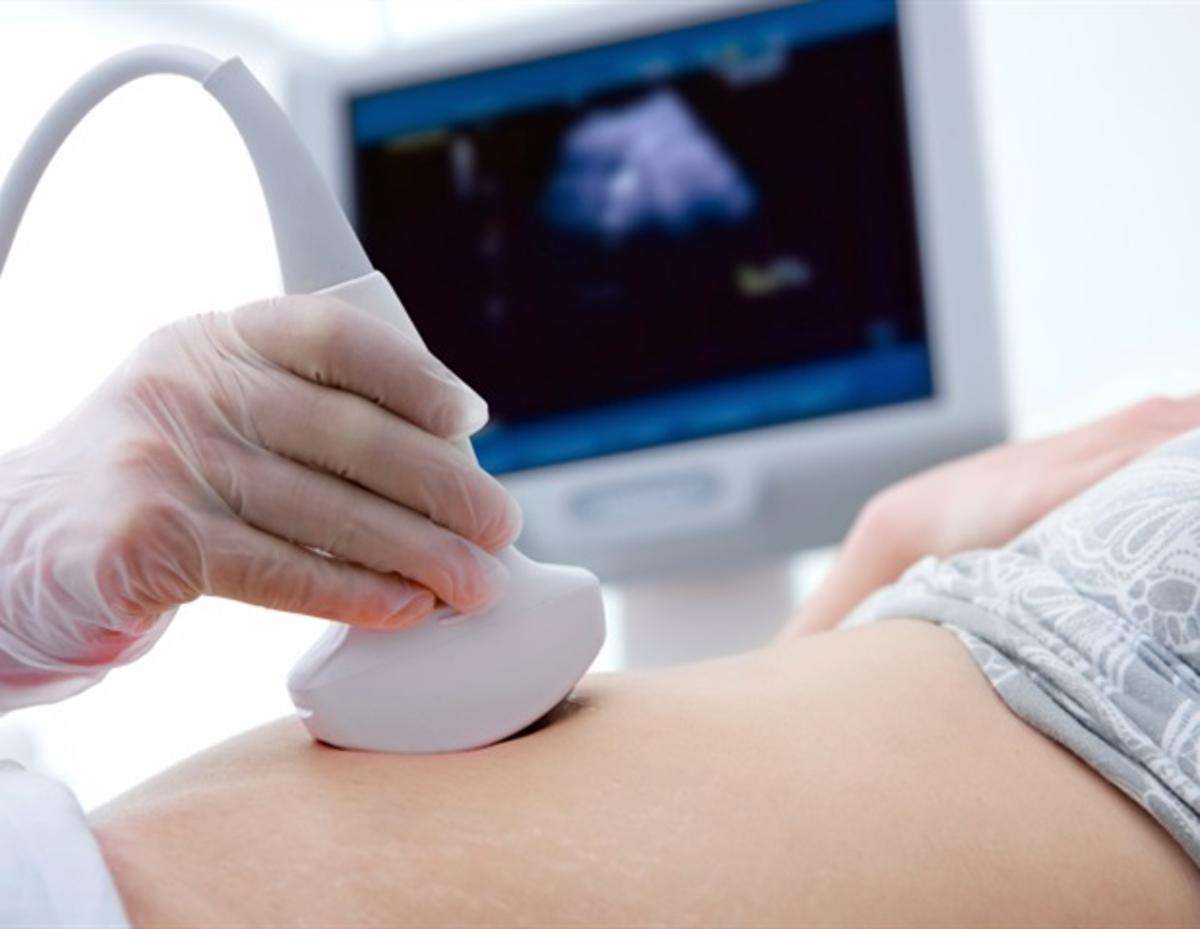
New Ultrasound Pacemaker Design Promises Minimal Recovery Time for Cardiac Patients
Why It Matters
The technology promises a non‑invasive, low‑cost alternative to implanted pacemakers, reducing surgical risk and recovery time for millions of patients. Its closed‑loop capability could also enable continuous cardiac monitoring and therapy from a simple wearable.
Key Takeaways
- •MIT created a sticker-sized ultrasound pacemaker prototype.
- •Sonogenetic gene therapy makes heart cells ultrasensitive to sound.
- •Rat tests showed rapid, noninvasive correction of arrhythmias.
- •Device combines monitoring and stimulation for closed‑loop cardiac care.
- •Could replace surgery‑based implants for 3 million US pacemaker patients.
Pulse Analysis
The U.S. alone supports roughly three million adults living with implanted pacemakers, devices that require open‑chest surgery, battery replacements and carry infection risks. While electrical implants have been a cornerstone of cardiac care for decades, the procedural burden and long‑term complications have spurred interest in non‑invasive alternatives. Ultrasound, already a mainstay for diagnostic imaging, offers a safe, deep‑penetrating energy source that can be focused to modulate tissue activity. Recent advances in therapeutic sonication have set the stage for a new class of wearable cardiac stimulators.
MIT’s breakthrough hinges on sonogenetics—a genetic tweak that equips heart cells with ultrasound‑sensitive ion channels, effectively letting them ‘hear’ acoustic cues. By delivering a single gene‑therapy injection, the researchers sensitize the myocardium, after which a postage‑stamp‑sized sticker housing miniature transducers emits low‑intensity pulses that trigger calcium influx and synchronized contraction. In vitro, engineered human cardiomyocytes maintained regular beats under ultrasound; in vivo rat experiments demonstrated rapid normalization of bradycardia and arrhythmia without incisions. The prototype also incorporates a pocket‑sized control unit, paving the way for a fully wearable system.
If clinical trials confirm safety and durability, the ultrasound pacemaker could disrupt a market valued at over $5 billion, offering a cheaper, scar‑free solution that eliminates battery‑replacement surgeries. Its closed‑loop architecture—combining real‑time monitoring with on‑demand stimulation—aligns with the broader push toward personalized, remote cardiac care. Beyond rhythm management, the platform may be adapted for other deep‑tissue therapies, from neuromodulation to targeted drug delivery, positioning sonogenetic wearables as a versatile tool in the next generation of bio‑electronic medicine.
New ultrasound pacemaker design promises minimal recovery time for cardiac patients
Comments
Want to join the conversation?
Loading comments...