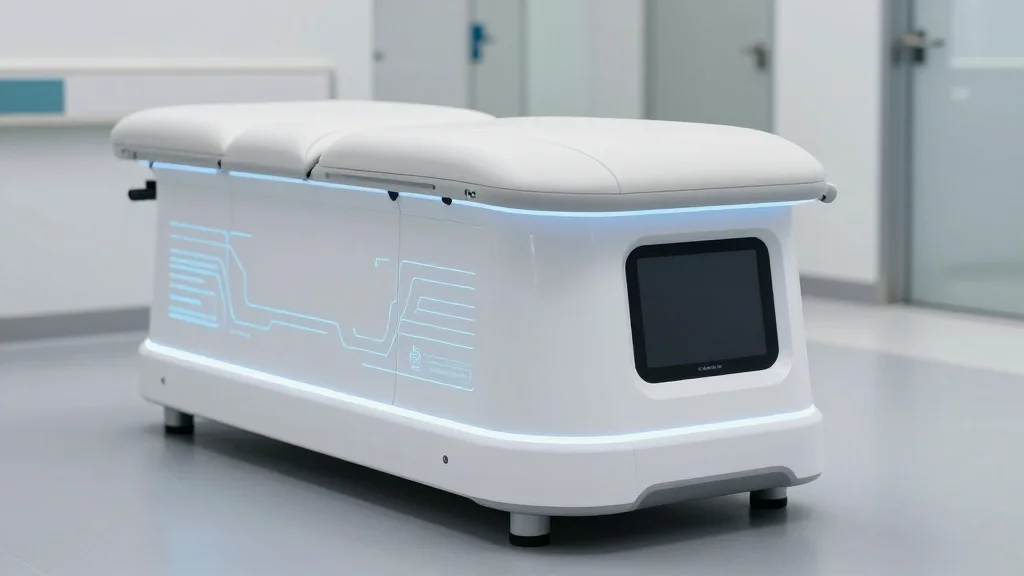
Clinical and Economic Evaluation of Autonomous Artificial Intelligence in Musculoskeletal Therapeutics: Flok Health's Series A and the Shifting Competitive Landscape
Why It Matters
Flok’s autonomous, regulator‑approved model demonstrates a scalable solution to the chronic MSK capacity gap in the UK’s single‑payer system, potentially reshaping public‑sector digital therapeutics. Its clinical and economic results give investors and policymakers a concrete case for broader adoption of AI‑only care pathways.
Key Takeaways
- •Flok Health raised $12.5 M Series A to expand autonomous AI physiotherapy.
- •Clinical pilot cut back‑pain waitlists 55% and saved 856 clinician hours monthly.
- •CQC‑registered Class IIa device lets Flok autonomously triage, diagnose, treat, discharge.
- •Unlike rivals, Flok uses stitched video AI, avoiding wearables and human‑led teams.
Pulse Analysis
The digital musculoskeletal market is booming, projected to grow from $217 bn in 2022 to $1.6 tr by 2032, driven by rising demand for scalable, cost‑effective care. Flok Health’s recent Series A underscores investor confidence in AI‑only therapeutic models that meet stringent UK regulations. By securing CQC registration as a Class IIa device, Flok can operate within the NHS’s single‑payer framework, offering a hardware‑light alternative to US‑centric platforms that depend on wearables and human‑led virtual teams.
Clinical validation has been a cornerstone of Flok’s market entry. The 12‑week pilot with Cambridgeshire Community Services treated over 2,500 patients, slashing back‑pain waiting lists by 55% and freeing 856 clinician hours per month—equivalent to roughly $6.35 bn in annual NHS musculoskeletal costs. Patient outcomes improved, with a 6.16‑point rise in MSK‑HQ scores and over 80% of users rating the AI care as equal or superior to face‑to‑face physiotherapy. These metrics position Flok as a high‑impact, cost‑saving solution compared with competitors like EQL Phio and getUBetter, which still rely on partial human oversight.
Despite the promise, scaling autonomous AI in public health faces procurement and equity hurdles. NHS trusts must navigate dual safety‑case requirements (DCB0129 and DCB0160), creating a “funding cliff” when pilot funds expire. Moreover, trade unions warn that digital exclusion could widen health disparities, though evidence from platforms serving deprived populations suggests targeted integration can mitigate this risk. If Flok can extend its autonomous model to complex joint pathologies while maintaining safety and efficacy, it could become a template for worldwide public‑sector digital health, offering a replicable, low‑cost pathway to address chronic MSK backlogs.
Clinical and Economic Evaluation of Autonomous Artificial Intelligence in Musculoskeletal Therapeutics: Flok Health's Series A and the Shifting Competitive Landscape
Comments
Want to join the conversation?
Loading comments...