Louisiana System Cuts Sepsis Mortality 24%
Why It Matters
Accelerating sepsis detection directly saves lives and reduces costly hospital resources, setting a benchmark for nationwide adoption of rapid diagnostics in acute care.
Key Takeaways
- •IntelliSep cut sepsis deaths by 24% across FMOL network.
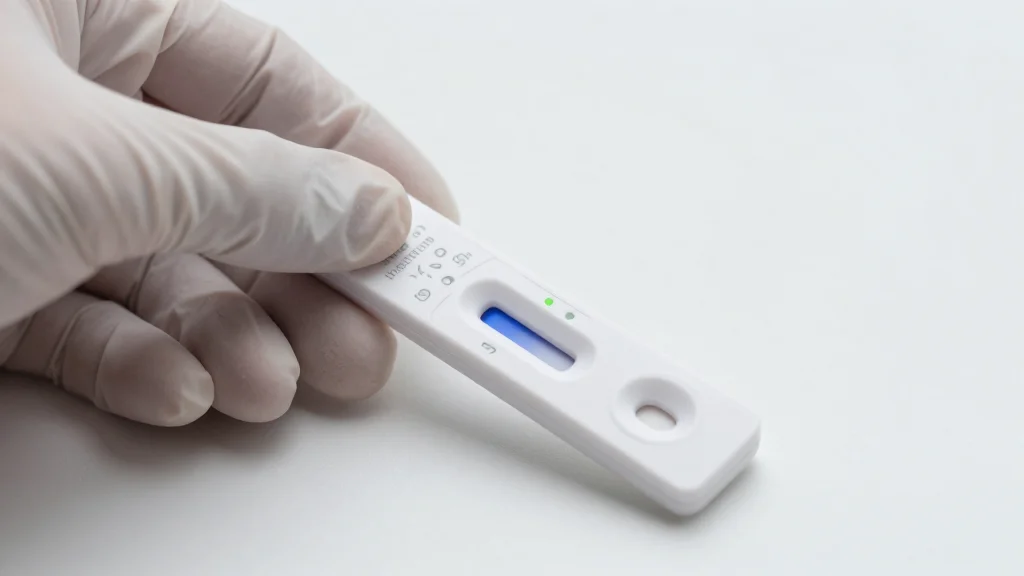
- •Test identifies sepsis in under 10 minutes, boosting early treatment.
- •Antibiotic use fell 14% and safe ED discharges rose 12%.
- •System saved ~30,000 hospital days, equal to an 85‑bed facility.
- •Over 50,000 high‑risk patients screened since rollout.
Pulse Analysis
Sepsis remains a leading cause of preventable death in U.S. hospitals, accounting for tens of thousands of fatalities annually. Traditional diagnostic pathways often require hours of lab work, delaying critical antibiotics. FMOL Health’s decision to roll out IntelliSep—a point‑of‑care assay that delivers a sepsis risk score in under ten minutes—addresses this timing gap, aligning clinical decision‑making with the narrow therapeutic window that determines patient outcomes. By integrating the test across ten facilities, the system has created a real‑world evidence base that validates rapid diagnostics as a lever for mortality reduction.
The IntelliSep platform, engineered by San Francisco‑based Cytovale in partnership with Louisiana State University, leverages host‑response biomarkers to differentiate sepsis from non‑infectious inflammation. Early adopters reported a 24% decline in sepsis‑related deaths, while non‑sepsis cohorts saw a 19% mortality improvement, underscoring the test’s broader impact on patient triage. Moreover, the 14% drop in antibiotic utilization reflects more precise stewardship, curbing resistance risks and lowering pharmacy spend. The reported 12% increase in safe emergency‑department discharges translates into faster patient turnover, freeing beds for higher‑acuity cases.
For health systems nationwide, FMOL’s experience offers a scalable blueprint. The projected savings of roughly 30,000 hospital days—comparable to adding an 85‑bed unit—demonstrates tangible capacity gains that can offset the upfront cost of the assay. As payers increasingly tie reimbursement to outcome metrics, rapid sepsis testing may become a cost‑effective requirement rather than an optional innovation. Continued data collection through the 2026 full‑implementation milestone will likely inform policy, guide adoption curves, and potentially reshape sepsis management protocols across the United States.
Louisiana system cuts sepsis mortality 24%
Comments
Want to join the conversation?
Loading comments...