
Sutter Health’s Epic Command Center Adds 12 Beds a Day
Sutter Health launched a centralized capacity‑management command center in January 2025, using Epic’s Grand Central dashboard to monitor patient flow across its network. A three‑hospital pilot cut excess length‑of‑stay days by 27%, freeing the equivalent of 12 beds each day, while emergency department throughput rose 8% despite a 5% increase in volume. Compared with non‑pilot sites, excess days fell 44% and interfacility transfers jumped 29%. By February 2026 the model expanded to 11 hospitals, with the remaining facilities slated for rollout later this year.

Oura and Counsel Health Partner to Provide AI-Enabled Care Within the Oura App
Oura is launching a new connected‑care feature that embeds Counsel Health’s AI‑driven medical platform directly into the Oura app. Beginning June 16, the service will roll out to eligible members in 43 U.S. states, allowing users to chat with a...
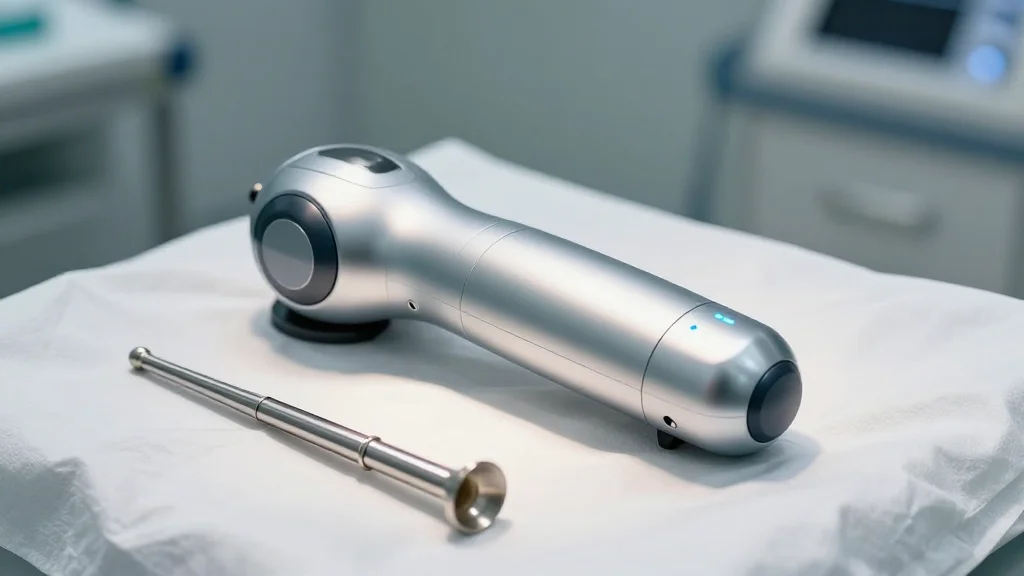
Smith+Nephew Announces First Clinical Cases with the Next Generation CORI◊XT Handheld Robotics Platform Across Knee and Shoulder Arthroplasty
Smith+Nephew announced the first clinical cases using its next‑generation CORI XT Handheld Robotics Platform in both knee and shoulder arthroplasty. The inaugural shoulder procedures were performed at Duke Health and an ambulatory surgery center in Scottsdale, while the first knee replacements...

VA Expands AI Footprint With 367 Use Cases Across Enterprise
The U.S. Department of Veterans Affairs has grown its artificial‑intelligence portfolio to 367 active use cases, making it one of the federal government’s most aggressive adopters. Officials highlighted AI’s role in speeding claims processing, automating clinical documentation, bolstering cybersecurity, and...
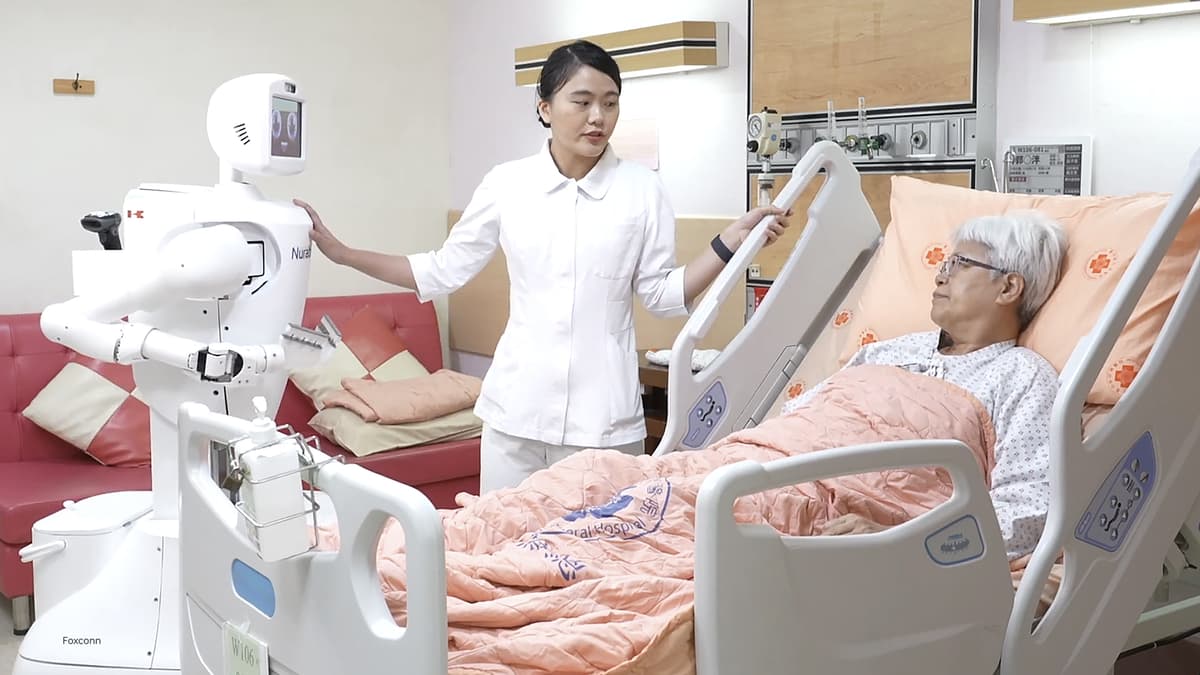
Foxconn Deploys AI Systems Across Taiwan Hospitals
Foxconn is integrating NVIDIA‑powered AI across multiple Taiwanese hospitals, deploying both digital agents and physical robots to streamline clinical and operational workflows. The CoDoctor platform bundles specialized AI agents for cardiology, oncology and ophthalmology, while the Nurabot nursing robot and...
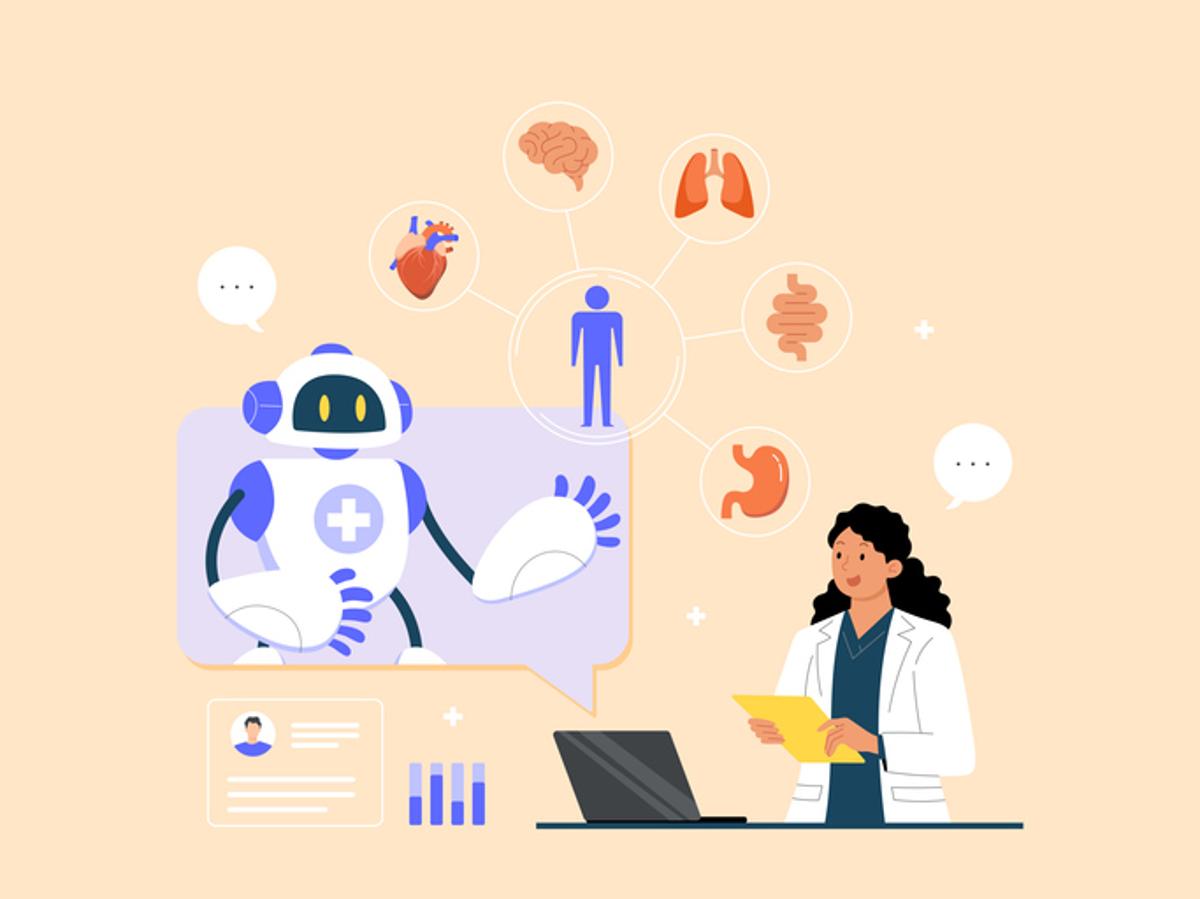
How AI Is Unlocking Smarter Clinical Trial Protocols
Artificial intelligence is reshaping clinical trial protocols, shifting from static, paper‑based documents to digital, data‑driven frameworks. The Tufts Center reports that 76% of trials require at least one major amendment, adding months and costly delays. By fine‑tuning domain‑specific AI models...

Connected Care: Tampa General Hospital Rolls Out Ambient Clinical Documentation to Nurses
Tampa General Hospital has deployed Microsoft Dragon Copilot, an ambient clinical documentation tool powered by AI, to its nursing staff. The system captures spoken notes and automatically populates electronic health records, aiming to cut charting time and reduce burnout. Early...

She Paid $20,000 For Her Own Pregnancy, Then Built The Fix For Medicaid Moms
Malama Health, a Medicaid‑first maternal‑care startup, raised a $9.2 million seed round to launch a doula‑led, tech‑enabled platform for high‑risk pregnancies. The free app tracks glucose, nutrition and symptoms, linking users to a W‑2 doula‑care navigator and integrating with Epic electronic...

AI Could Revolutionise Concussion Care in Sport – but Risks Remain
Artificial intelligence is poised to reshape concussion management in contact sports by delivering precise diagnostics, personalized rehabilitation plans, and objective return‑to‑play assessments. Researchers are integrating AI with brain imaging, blood biomarkers, and wearable sensor data to map injury severity in...

Radiologist-Designed App Offers Emergency Reference for Addressing Contrast Reactions
ContrastRx, a radiologist‑designed mobile app for managing iodine and gadolinium contrast reactions, has been updated and expanded to Android. The app now includes protocols for 14 reaction types, multimedia guidance, pretreatment regimens, a pediatric dose calculator, and a self‑assessment module....
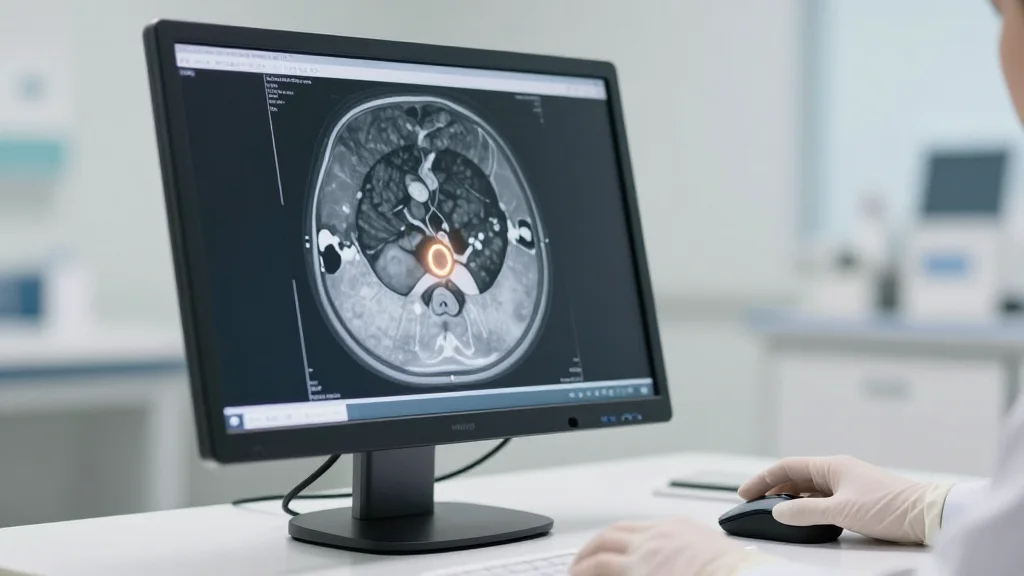
Whole-Body PET System Cuts Scan Time by over 80%
A recent study in the Journal of Nuclear Medicine shows that long‑axis field‑of‑view (LAFOV) PET/CT scanners can cut whole‑body scan times by up to 83%, dropping a typical 15‑minute exam to just 2.5 minutes. The faster protocol does not sacrifice...

Re: China's Primary Care Plan Speaks to Global Challenge
China is accelerating digital transformation of its health system, expanding internet hospitals from fewer than 100 in 2018 to over 3,000 by 2023 and routing millions of tele‑medicine consultations. However, studies reveal that older adults—particularly rural, female, and less‑educated seniors—have...
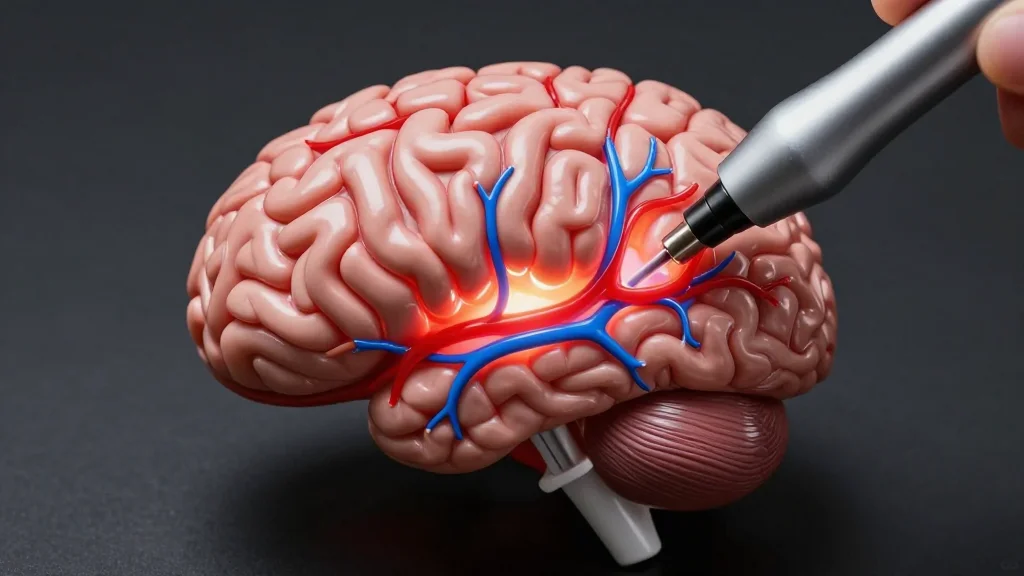
Newly Discovered View of Brain Blood Flow During Surgery Could Prevent Debilitation, Save Lives
University of Texas researchers unveiled sinusoidal intensity modulation speckle imaging (SIMSI), a technique that turns ordinary cameras into quantitative blood‑flow monitors for the operating room. By modulating laser illumination during exposure, SIMSI captures absolute perfusion data without high‑speed hardware or...

Automated Insulin Delivery Use Effective During Hospitalization
A randomized AIDING trial of 130 hospitalized adults showed that using the Omnipod 5 automated insulin delivery system with Dexcom G7 CGM significantly improved glycemic control compared with standard multiple‑daily injections. Time‑in‑range rose to 67.7% versus 40.8% in the control group, while...

Artificial Pancreas Lowers HbA1c in Patients with Type 2 Diabetes
A single‑arm study of 307 insulin‑treated type 2 diabetes adults showed the twiist automated insulin delivery system lowered HbA1c by 0.7 percentage points over 13 weeks and raised time‑in‑range from 57 % to 73 %. The device operated in AID mode 95 % of...

AI Predicts Meningioma Recurrence From Routine Pathology Slides
Mayo Clinic researchers demonstrated that artificial intelligence can analyze routine hematoxylin‑and‑eosin (H&E) pathology slides to classify meningioma subtypes and predict tumor recurrence risk, delivering molecular insight traditionally obtained through costly DNA methylation profiling. The deep‑learning models were trained on data...

It’s Time for Technology to Lift Maternal Care
The article argues that emerging technologies—especially AI‑driven decision‑support—are essential to improve maternal care. It highlights how subtle, cumulative fetal heart‑rate changes often go unnoticed, leading to adverse outcomes. With labor‑and‑delivery units shrinking, staffing shortages rising, and disparities persisting, AI can...
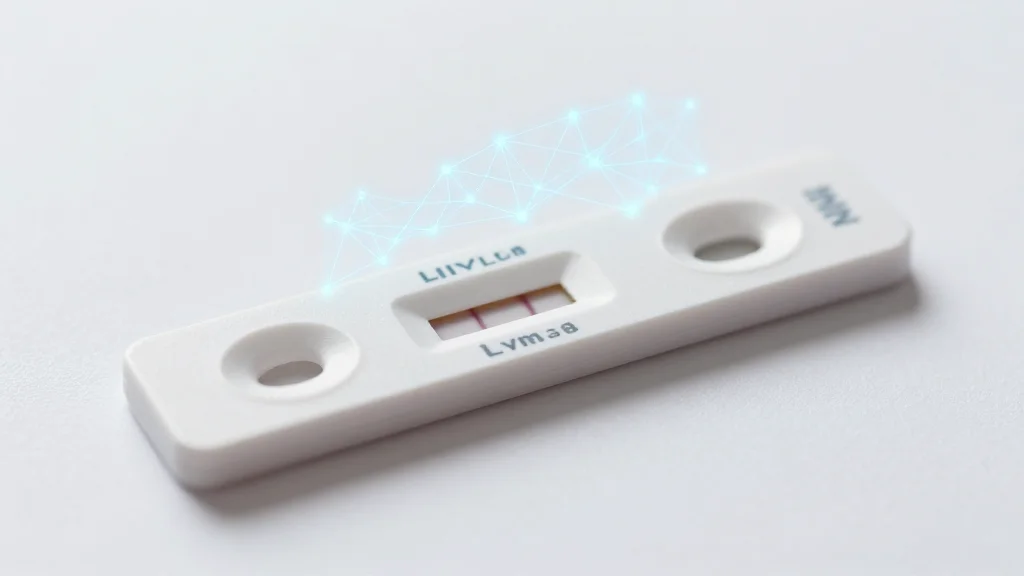
Autonomous AI Screening Flags Unreliable Lyme Test Results, Boosting Sensitivity to 95.7%
UCLA researchers introduced an autonomous uncertainty‑quantification framework that flags unreliable neural‑network predictions in point‑of‑care diagnostics. Using Monte Carlo dropout, the system evaluates 1,000 model variations per sample and assigns an uncertainty figure of merit. Applied to a paper‑based vertical‑flow Lyme disease...

The Problem May Not Be Fragmentation: It May Be Accumulation (Response to Morley J. The Single Patient Record: A Laudable...
The author argues that the single patient record (SPR) initiative may worsen information overload rather than solve fragmentation. A 2022 study found that over half of documented words in electronic health records are duplicated, highlighting the prevalence of stale data....

Researchers Develop World's First AI for Objective Pain Assessment
Researchers at DGIST and GIST have created the first artificial‑intelligence system that objectively gauges pain intensity from electroencephalogram (EEG) signals. The dual‑model algorithm learns only from highly reliable data, cutting the bias inherent in self‑reported pain scales. In trials with...
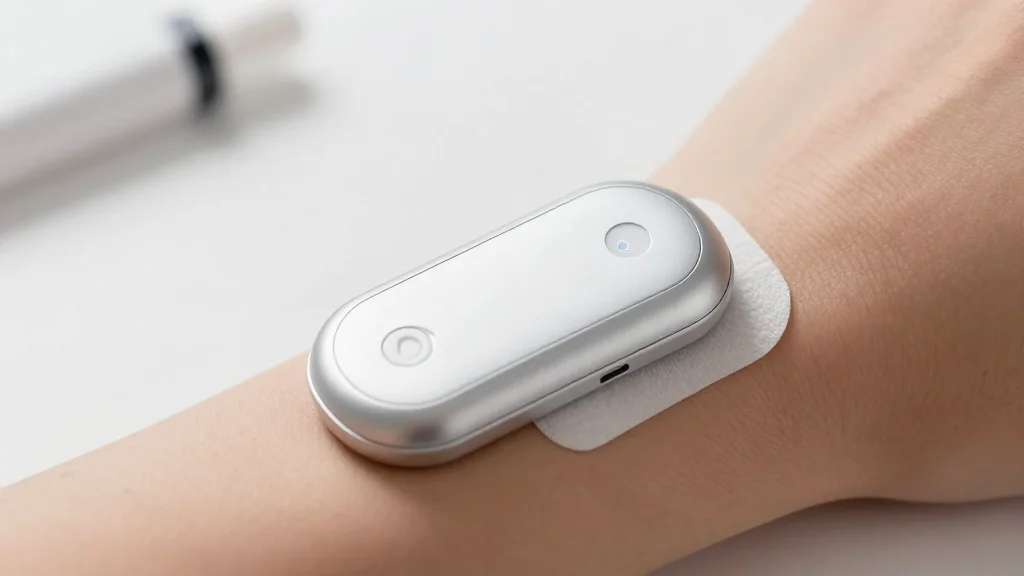
The American Diabetes Association Announces Winners of the Innovation Challenge
The American Diabetes Association announced the 2026 Innovation Challenge winners at its Scientific Sessions in New Orleans. Adaptyx Biosciences, Nymble Health, and Silverstream Medical were selected for technologies that could reshape diabetes care. Winners become eligible for up to $50,000...

Omnipod 6 Improves Time in Range Compared with Omnipod 5
Insulet’s next‑generation Omnipod 6 automated insulin delivery system demonstrated non‑inferiority to the current Omnipod 5 across four primary safety and efficacy endpoints in the STRIVE crossover trial. Adults using Omnipod 6 achieved a higher time‑in‑range (73% vs 70%) and required fewer user‑initiated boluses,...
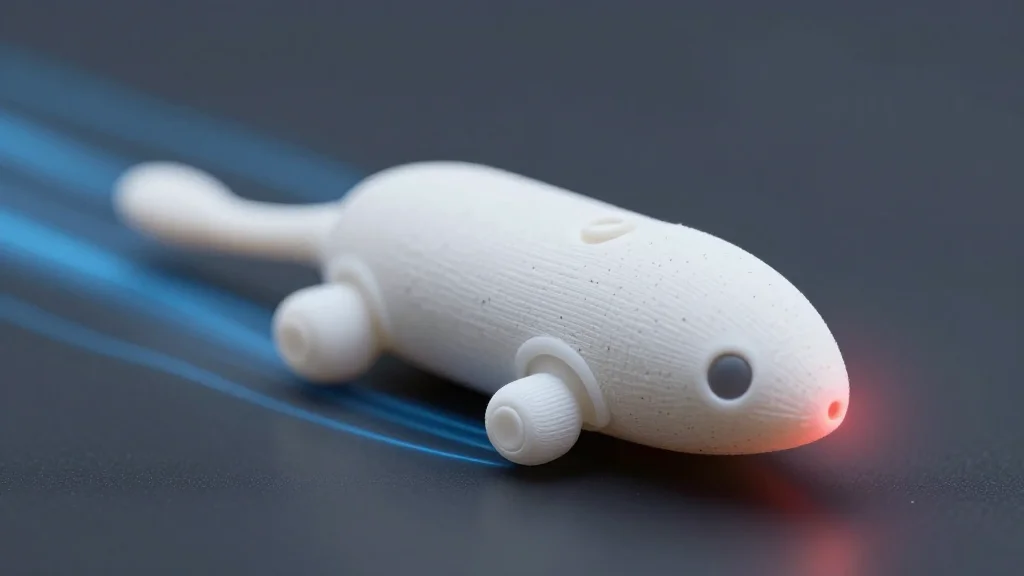
Hair-Size Microrobots Combine Three Cancer-Fighting Functions in Preclinical Animal Tests
Michigan State University researchers have created a hair‑size 3D‑printed microrobot, TriMag, that integrates magnetic navigation, real‑time imaging, and hyperthermia heating to destroy tumors. In preclinical animal tests, the biodegradable device could be steered through tissue, tracked with magnetic particle imaging,...
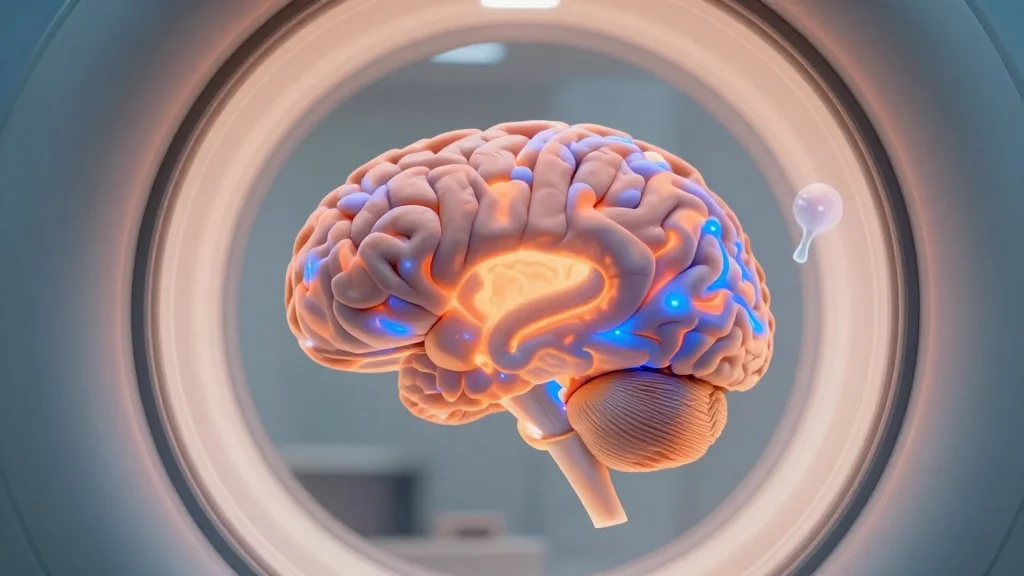
PET Imaging Links Brain Metabolism Patterns to Effectiveness of Alzheimer's Disease Treatment
A retrospective analysis of 124 patients showed that ¹⁸F‑FDG PET brain‑metabolism patterns can forecast response to FDA‑approved anti‑amyloid drugs. Patients whose scans displayed an Alzheimer’s‑consistent metabolic signature improved cognitive scores, while those with alternative patterns declined. The findings, presented as...
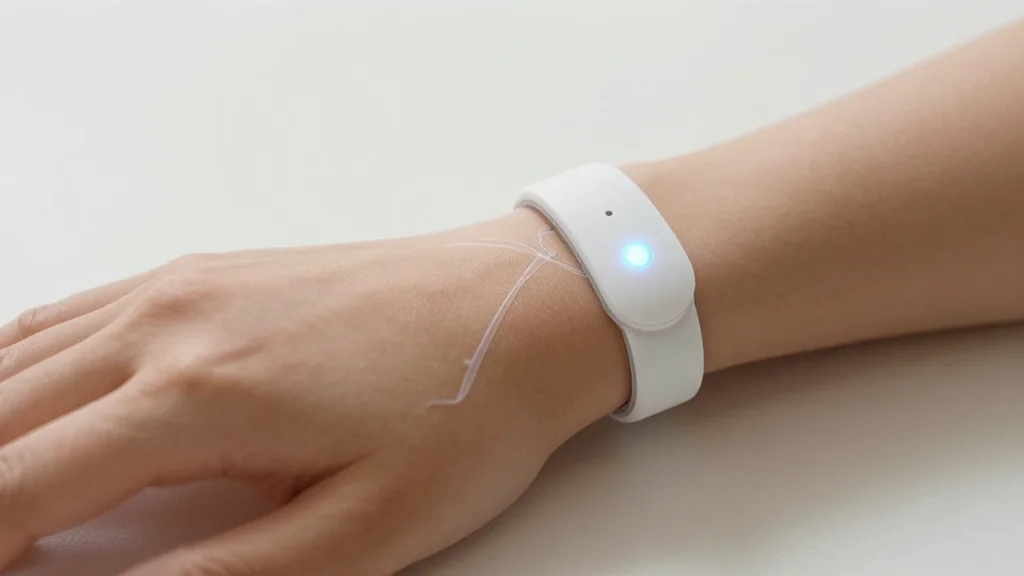
The Paradigm Shift in Metabolic Health: Dexcom’s Strategic Acquisition of Nutrisense and the Convergence of Biosensing, AI and Coaching
Dexcom announced the acquisition of Nutrisense, a direct‑to‑consumer metabolic‑wellness platform that pairs CGM hardware with dietitian coaching. The deal marks Dexcom’s pivot from pure sensor sales toward a full‑stack ecosystem that includes AI‑driven analytics and behavioural support. Alongside the purchase,...

Novel Technique Enables Rapid Sequencing of Rare Hantaviruses
A new primer‑based whole‑genome sequencing method for hantaviruses was unveiled at ASM Microbe 2026. The technique captures each genome segment in a single long read and includes a yield‑boost step for low‑viral‑load samples. In lab tests it generated complete genomes...

The Key to AI Cardiology Analytics Is Human Action
Modern cardiovascular information systems (CVIS) now embed AI analytics that quickly surface performance gaps and generate detailed dashboards. However, experts warn that AI can only point out problems; it cannot prescribe or execute solutions. Effective improvement requires multidisciplinary teams—physicians, nurses,...
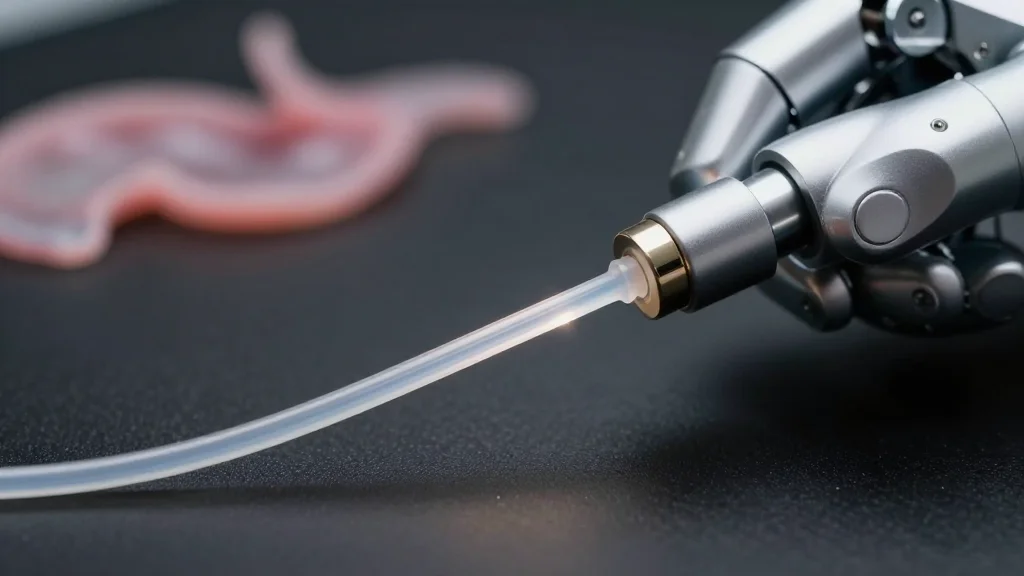
Olympus’ Keith Boettiger on Robotic GI Surgery Push
Olympus, the world’s largest endoscopy system provider, is expanding into robotic gastrointestinal surgery through its Swan Endosurgical platform and a distribution partnership with EndoRobotics. The company aims to democratize complex procedures such as endoscopic submucosal dissection (ESD) by integrating robotics...

Before You Buy the Model: A Healthcare AI Readiness Framework for IT Leaders
Healthcare AI demos often look impressive, but many pilots stall when deployed at scale because the underlying infrastructure is weak. The article argues that the real bottleneck is not the model but fragmented data, poor integration, and lack of governance....
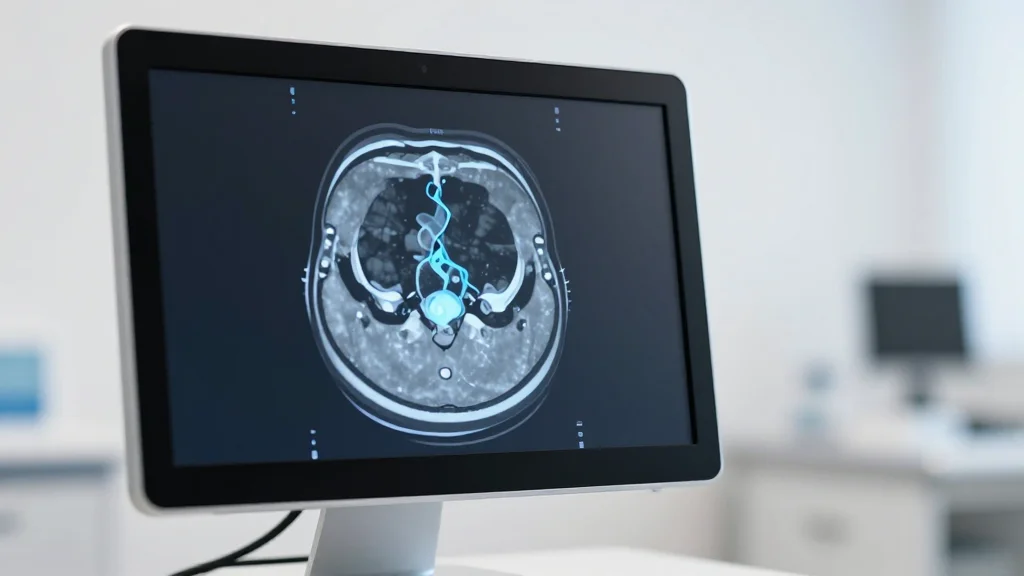
FDA Approves GE HealthCare’s MIM Contour ProtégéAI+ 2.0 Software
GE HealthCare secured FDA 510(k) clearance for its AI‑driven MIM Contour ProtégéAI+ 2.0 auto‑contouring software, aimed at speeding radiation therapy planning. The tool automatically delineates anatomical structures on CT and MRI scans, matching or exceeding manual methods. A predetermined change control plan...

Soonr Health Launches Connected at Home Fertility Tracking for Couples in the US
Vespexx Inc. has launched Soonr Health in the United States, a preconception platform that lets both partners track fertility data together. The service integrates the Surearly SMART at‑home hormone testing device, automatically feeding ovulation and hormone results into the app....

'World-First' Vaccine Designed by Artificial Intelligence
Researchers at the University of Cambridge have engineered the first vaccine antigen designed entirely by artificial intelligence and tested it in a human safety trial. The AI‑generated "super‑antigen" aims to protect against all known coronaviruses, including current COVID‑19 variants and...

Classiq and Pontificia Universidad Católica De Chile Launch Latin America’s First Quantum Machine Learning Consortium for Computational Pathology
Classiq and Pontificia Universidad Católica de Chile have announced the launch of Latin America’s first Quantum Machine Learning Consortium dedicated to computational pathology. The 12‑month initiative will target renal pathology, developing quantum‑enhanced models for kidney lesion classification and glomerular segmentation....
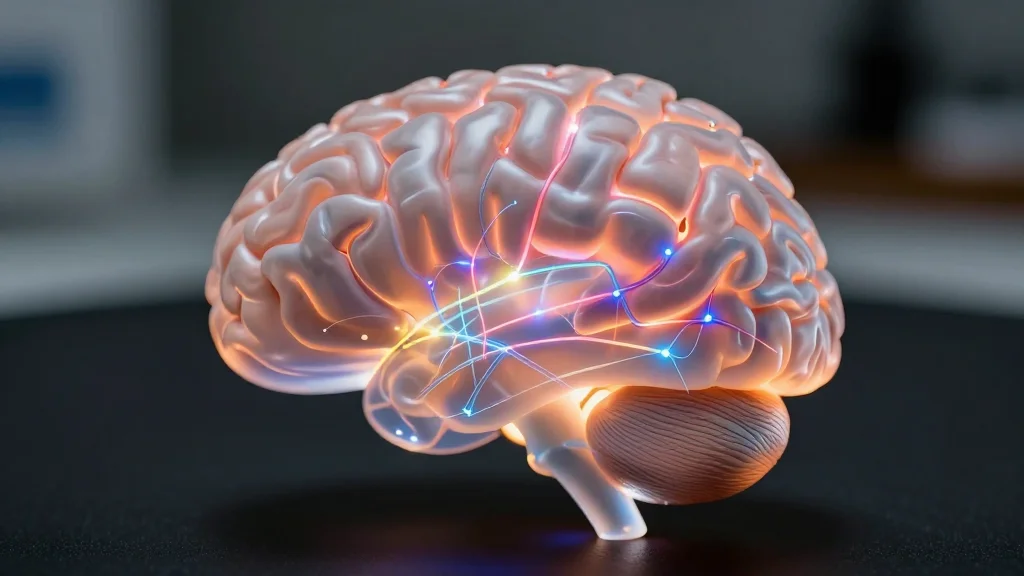
AI Model Enables More than a Million-Fold Acceleration of Diffuse Optical Tomography for Real-Time Diagnosis
Researchers at the University of Tsukuba unveiled an AI‑driven model that predicts light propagation for diffuse optical tomography in about 2 ms, delivering a speedup of more than one million times over traditional simulations. The neural‑network emulator, trained on extensive Monte‑Carlo...

CereVasc Rakes In $85M to Challenge Traditional Brain Shunt Surgery
CereVasc announced an $85 million Series C round, bringing its total capital raised since 2014 to over $200 million. The funding, led by Piper Sandler Merchant Banking with participation from Medtronic, Johnson & Johnson Innovation, Bain Capital and Perceptive Xontogeny, will finance the pivotal trial...
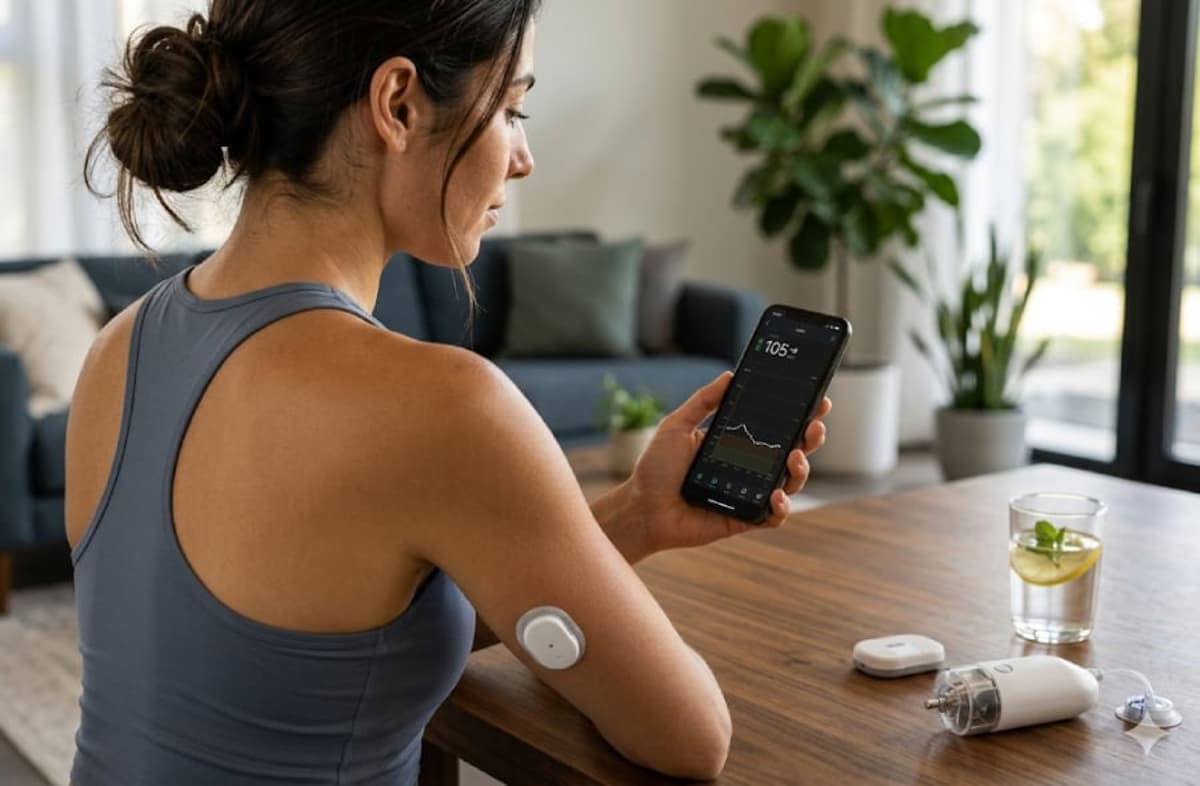
5 Diabetes Tech Gadgets Showing How AI Is Changing Glucose Monitoring
AI is reshaping diabetes care as a new wave of glucose sensors, wearables, and automated insulin pumps moves from passive tracking to predictive, real‑time decision support. Dexcom’s Stelo became the first over‑the‑counter CGM in 2024, while Abbott’s Lingo entered Walmart...
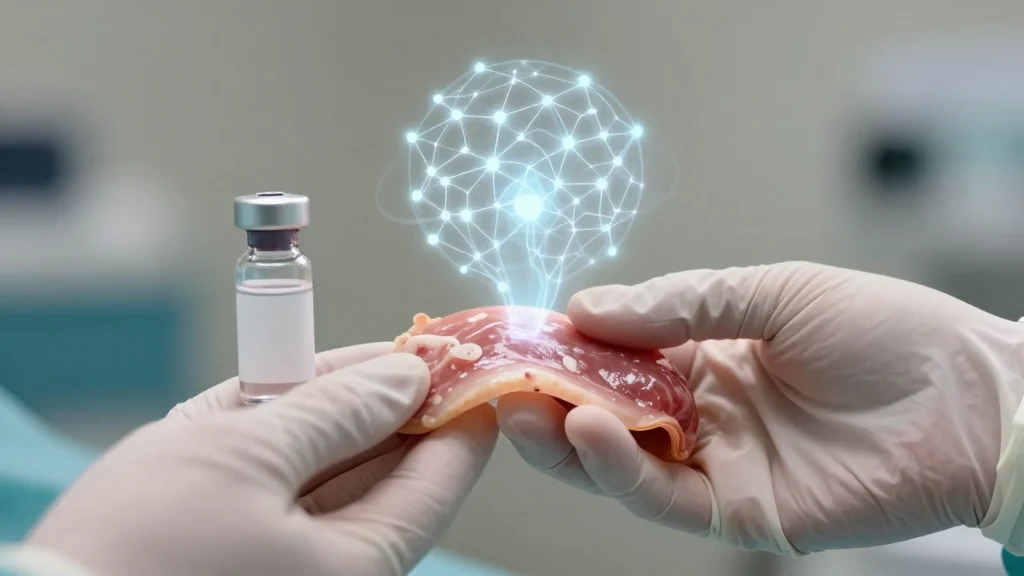
Risk Stratification of Postoperative Enteral Feeding Intolerance Using Explainable Machine Learning in Oral Cancer Free Flap Reconstruction
A retrospective study of 752 oral‑cancer patients undergoing free‑flap reconstruction developed an interpretable machine‑learning model to predict postoperative enteral feeding intolerance (FI). Using LASSO, nine peri‑operative variables—including fasting glucose, serum potassium, tumor stage, operative time and the Advanced Lung Cancer...
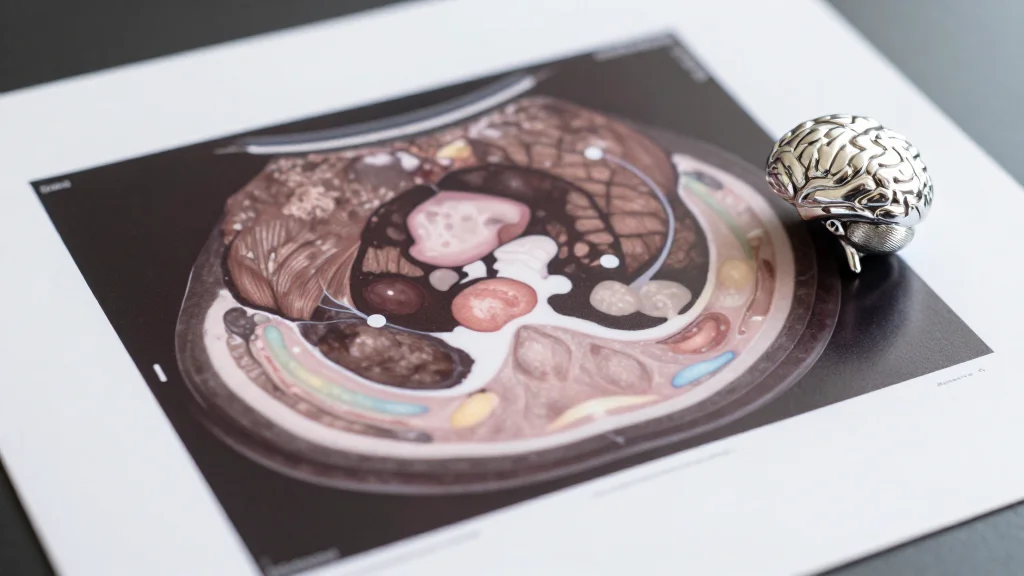
Machine Learning Based on Body Composition Radiomics for Predicting Early Recurrence in Colorectal Cancer: A Multicenter Study
A multicenter retrospective study of 917 colorectal cancer patients created an interpretable machine‑learning model that predicts early recurrence using pre‑operative CT body‑composition radiomics. After extracting 1,896 features from skeletal muscle, subcutaneous, intermuscular and visceral fat at the L3 level, an...

Radiologists: Take the Deep Dive Into Advanced Cardiovascular CT at SCCT
The Society of Cardiovascular Computed Tomography (SCCT) is positioning itself as the premier forum for both radiologists and cardiologists as cardiovascular CT matures. It helped secure a Category I CPT code for coronary CTA in 2010 and a Class I guideline endorsement...

Plaque Imaging, AI and Structural Heart Disease in the Spotlight at SCCT 2026 Meeting
The SCCT 2026 meeting spotlighted advances in coronary CT angiography, including AI‑driven plaque characterization aimed at primary prevention of heart attacks. Sessions highlighted CT‑derived fractional flow reserve (CT‑FFR) as a non‑invasive functional tool and photon‑counting CT for higher resolution with...

How Agentic AI Can Bolster Patient Access Centers
Innovaccer’s new survey of 110 health‑system executives reveals that a typical 400‑bed hospital loses about $6.2 million each year due to avoidable referral leakage and scheduling failures. Referral conversion rates vary dramatically, with top performers turning 76 % of referrals into appointments...

Philips and WellSpan Health Launch 7-Year Strategic AI and Imaging Partnership
Philips and WellSpan Health have signed a seven‑year strategic alliance covering all 12 hospitals, diagnostic centers, and ambulatory surgery sites in Central Pennsylvania and Northern Maryland. The deal makes Philips the preferred vendor for CT, MR, digital X‑ray, ultrasound and...
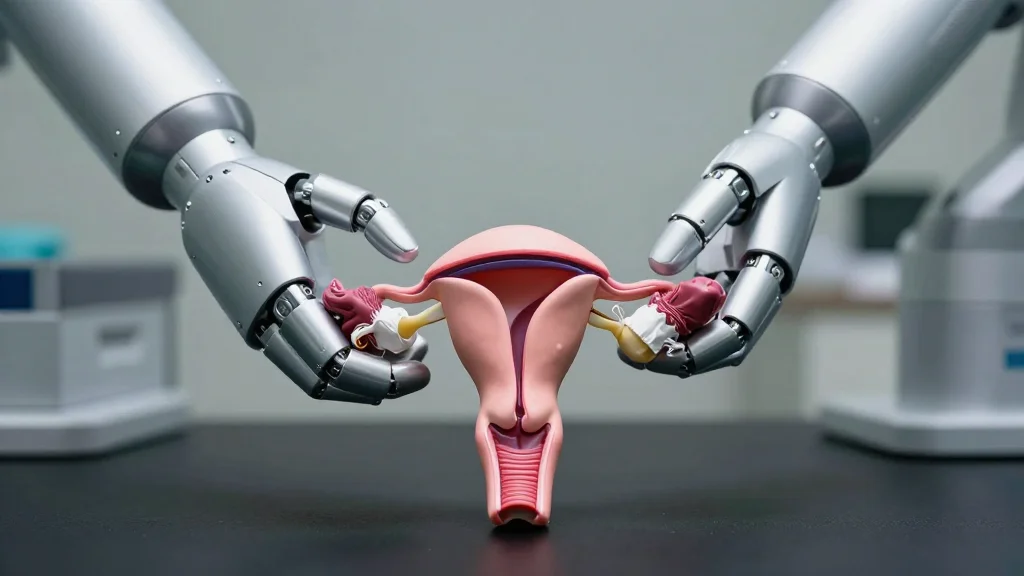
Medtronic Seeks Clearance for Hugo Surgical Robot in More Indications
Medtronic announced it has submitted 510(k) applications to expand its Hugo surgical robot into general and gynecologic procedures, adding to the urology clearance it received last year. The new indications would cover the majority of surgeries currently performed with Intuitive’s...

Vida Health Partners with Instacart to Launch Category-Specific Grocery Stipends for Cardiometabolic Care
Vida Health has sealed a nationwide partnership with Instacart to embed category‑specific grocery stipends into its virtual cardiometabolic care model. The program uses Instacart Health Fresh Funds to give members direct financial credits for dietitian‑approved foods, targeting social determinants of...

Orange Business Touts genAI Healthcare Use Case
Orange Business won a contract with the French public hospital group GHT Rouen Coeur de Seine to roll out its Live Intelligence generative‑AI platform to roughly 15,000 clinicians, administrators and technical staff. The sovereign‑hosted solution offers a secure alternative to public AI tools and...

Inside the Trump-Backed Push to Bring AI Doctors Into American Medicine
The Trump administration is accelerating the integration of AI chatbots into U.S. healthcare, backing a Utah pilot that lets AI refill prescriptions and offering more than $50 million in research grants for conversational AI in cardiovascular care. Amy Gleason, now leading...

Insulet Launches Algorithm Improvements for Omnipod 5 AID System in US
Insulet has started shipping an updated Omnipod 5 automated insulin delivery system across the United States after receiving FDA 510(k) clearance. The upgrade introduces a new algorithm that offers six target glucose settings—from 100 mg/dL to 150 mg/dL—and aims to keep the system...

Opinion: Grail’s Multi-Cancer Early Detection Trial Was Negative. But as an Oncologist, I See More to This Story
Grail’s Galleri multi‑cancer early‑detection (MCED) test was evaluated in the first randomized trial of its kind, involving 143,000 NHS participants aged 50‑77. Over three annual screenings, the study compared usual care to Galleri testing, with the primary endpoint being a...

The German Healthcare Practice Management Software Market Is Undergoing a Profound Structural Transformation (Praxisverwaltungssoftware, Arztinformationssysteme)
Germany’s practice management software (PVS/AIS) market is shifting from fragmented legacy systems to cloud‑native, AI‑enabled platforms as mandatory ePA regulations take effect in October 2025. The market remains dominated by two conglomerates—CompuGroup Medical (~19.5% share) and medatixx (~16.2%)—but user satisfaction...

EHR Modernization Needs Better Cyber and Privacy Collaboration, GAO Says
The Government Accountability Office warned that the Federal Electronic Health Record Modernization (FEHRM) office is not collaborating effectively with its partner agencies on cybersecurity and privacy for the new federal EHR system. The system will serve more than 500,000 users...