She Paid $20,000 For Her Own Pregnancy, Then Built The Fix For Medicaid Moms
Companies Mentioned

Why It Matters
The solution tackles the costly gaps in Medicaid maternal care, potentially lowering health expenditures and improving outcomes for a vulnerable population that accounts for nearly half of U.S. births. Its evidence‑backed model also creates a defensible moat in a market largely ignored by other digital‑health firms.
Key Takeaways
- •$9.2M seed round targets 42% of U.S. births on Medicaid.
- •Doula‑Care Navigators are W‑2 employees integrating with Epic for real‑time alerts.
- •RCT shows 40% improvement in postpartum glucose tolerance versus standard care.
- •App reached 50,000 users; reported 45% decrease in preterm births.
- •Medicaid doula coverage now in over 50% of states, creating market moat.
Pulse Analysis
Maternal health in the United States remains a stark paradox: while Medicaid finances roughly 42 % of all births, women on this program experience higher rates of gestational diabetes, preterm delivery and postpartum complications. The traditional prenatal model—eight in‑person visits followed by a single six‑week postpartum check—fails to address the continuous monitoring needs of high‑risk pregnancies, leading to an estimated $100,000 bill for a single Medicaid‑covered delivery, of which $20,000 falls to the patient. Bridging this gap requires a solution that combines clinical oversight with real‑time support, especially for conditions like gestational diabetes that affect eight percent of pregnancies and can evolve into costly Type 2 diabetes.
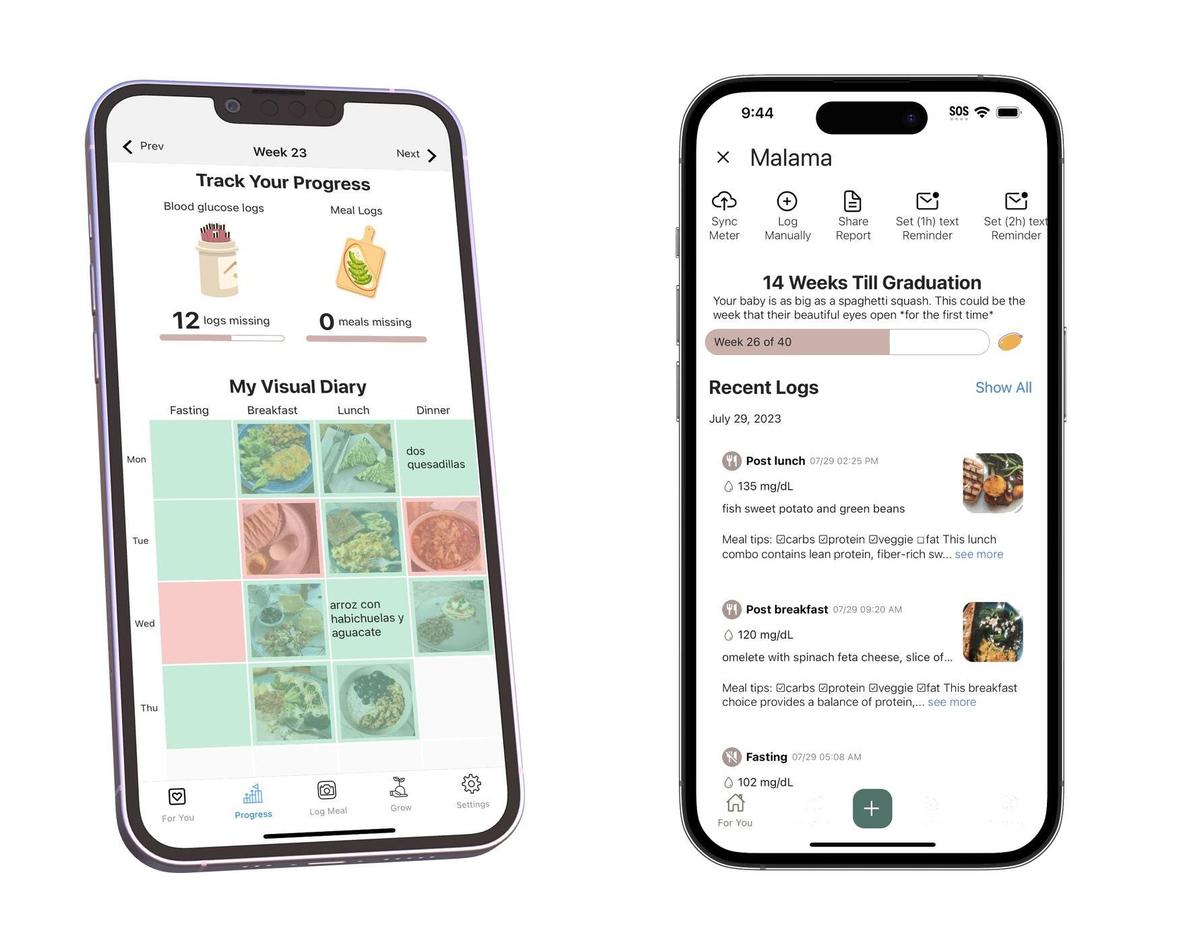
Malama Health answers that call with a free, multilingual app that captures glucose readings, nutrition data and symptom logs, then routes the information to a dedicated doula‑care navigator employed as a W‑2 staff member. The navigators not only provide culturally competent doula services but also handle social‑determinant needs such as transportation and WIC enrollment, all while feeding alerts into an Epic‑compatible dashboard. Clinical validation comes from a Tufts‑led randomized controlled trial that demonstrated a 40 % boost in postpartum glucose tolerance and notable drops in preterm births, NICU admissions and C‑sections. The company’s $9.2 million seed round—bolstered by a $2.4 million NIH Fast Track SBIR grant and state funding—signals strong investor confidence in a Medicaid‑first strategy.
The timing aligns with a policy wave: more than half of states now reimburse doula services, and CMS’s Transforming Maternal Health initiative explicitly calls for remote monitoring and postpartum continuity through 2034. Competitors such as Maven and Oula focus on employer‑sponsored plans, leaving the Medicaid segment relatively untouched. By embedding an employed doula workforce within a proprietary technology platform, Malama creates a defensible moat that could reshape reimbursement models and lower long‑term health costs. As the platform scales beyond its current 50,000 users, it may become a template for nationwide, equity‑focused maternal care.
She Paid $20,000 For Her Own Pregnancy, Then Built The Fix For Medicaid Moms
Comments
Want to join the conversation?
Loading comments...