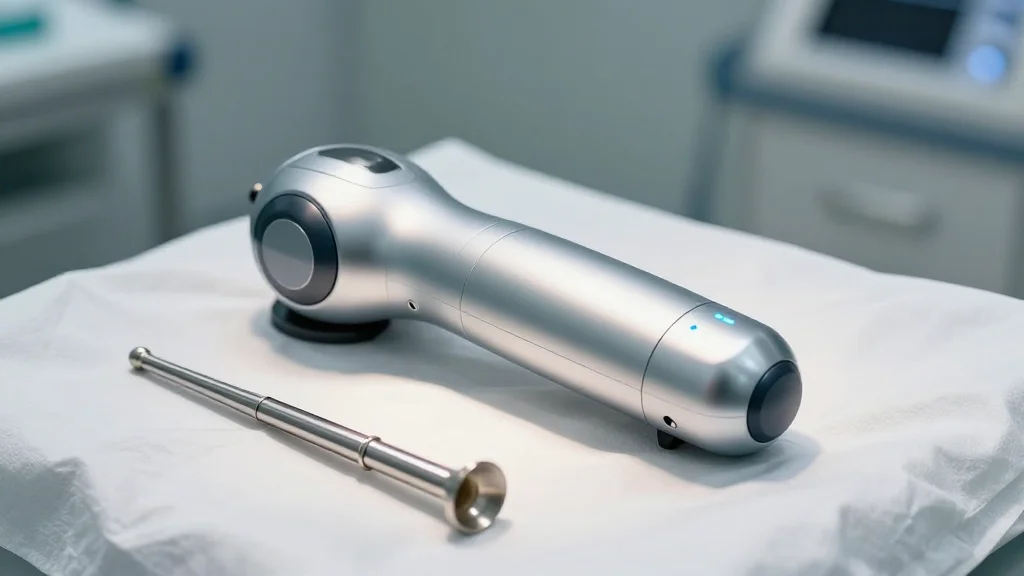
Smith+Nephew Announces First Clinical Cases with the Next Generation CORI◊XT Handheld Robotics Platform Across Knee and Shoulder Arthroplasty
Companies Mentioned
Why It Matters
The rollout demonstrates handheld robotics moving from concept to real‑world orthopaedic surgery, potentially improving implant placement accuracy and expanding robotic adoption in cost‑conscious ASC settings.
Key Takeaways
- •First shoulder arthroplasty cases with CORI XT performed at Duke Health
- •First ASC shoulder procedures using CORI XT completed in Scottsdale, Arizona
- •NYU Langone saw inaugural knee replacements using the CORI XT platform
- •Handheld design preserves surgeon control while adding robotic accuracy
- •Platform fits both hospital and ambulatory surgery center footprints
Pulse Analysis
Handheld robotic assistance is reshaping orthopaedic surgery by marrying the precision of computer‑guided navigation with the tactile familiarity surgeons expect. Unlike bulky floor‑mounted robots, the CORI XT platform fits in a surgeon’s hand, delivering real‑time guidance while preserving the natural workflow of joint replacement procedures. Integrated pre‑operative planning through CORIOGRAPH enables patient‑specific models, and the system’s imageless operation reduces setup time, positioning it as a versatile tool for both high‑volume hospitals and lean ambulatory surgery centers.
Early clinical adoption underscores the platform’s practical benefits. At Duke Health, Dr. Christopher Klifto reported seamless registration and planning for shoulder arthroplasty, with postoperative imaging confirming alignment with the pre‑op plan. Similar success was echoed in an ASC in Scottsdale, where Dr. Bertrand Kaper highlighted improved accuracy and potential for faster recovery. NYU Langone’s inaugural knee replacements further validated the technology across joint types, demonstrating that the handheld approach can maintain efficiency without compromising the surgeon’s tactile feedback or decision‑making authority.
For the medical‑device market, Smith+Nephew’s move signals a strategic push to capture a growing segment of robotic orthopaedics traditionally dominated by larger, table‑mounted systems. By offering a compact, workflow‑friendly solution, the company aims to lower adoption barriers, especially in cost‑sensitive outpatient settings. The CORI XT’s integration with the broader MTECH portfolio and its alignment with the “Skill Amplified” philosophy may accelerate sales, complementing Smith+Nephew’s $6.2 billion 2025 revenue base. Competitors will likely respond with their own handheld offerings, intensifying innovation cycles and potentially driving broader industry standards for robotic‑assisted joint replacement.
Smith+Nephew announces first clinical cases with the next generation CORI◊XT Handheld Robotics Platform across knee and shoulder arthroplasty
Comments
Want to join the conversation?
Loading comments...