Plaque Imaging, AI and Structural Heart Disease in the Spotlight at SCCT 2026 Meeting
Why It Matters
These technologies shift cardiac imaging from diagnostic to preventive and therapeutic roles, improving patient outcomes while reducing invasive procedures and costs.
Key Takeaways
- •AI-driven CCTA now automates plaque quantification and workflow efficiency
- •CT‑FFR provides non‑invasive functional assessment, reducing catheter procedures
- •Photon‑counting CT promises higher resolution with lower radiation dose
- •Structural heart CT expands beyond TAVR to mitral, tricuspid, pulmonary valves
- •SCCT emphasizes multidisciplinary training for technologists, nurses, and clinicians
Pulse Analysis
Coronary CT angiography is evolving beyond simple anatomy, leveraging artificial intelligence to quantify plaque composition and identify high‑risk lesions before they rupture. By integrating AI algorithms into the acquisition and reconstruction pipeline, clinicians can rapidly stratify patients for early intervention, supporting a shift toward primary prevention of myocardial infarction. This data‑rich approach aligns with value‑based care models that reward outcomes over procedures, positioning cardiac imaging as a proactive component of cardiovascular risk management.
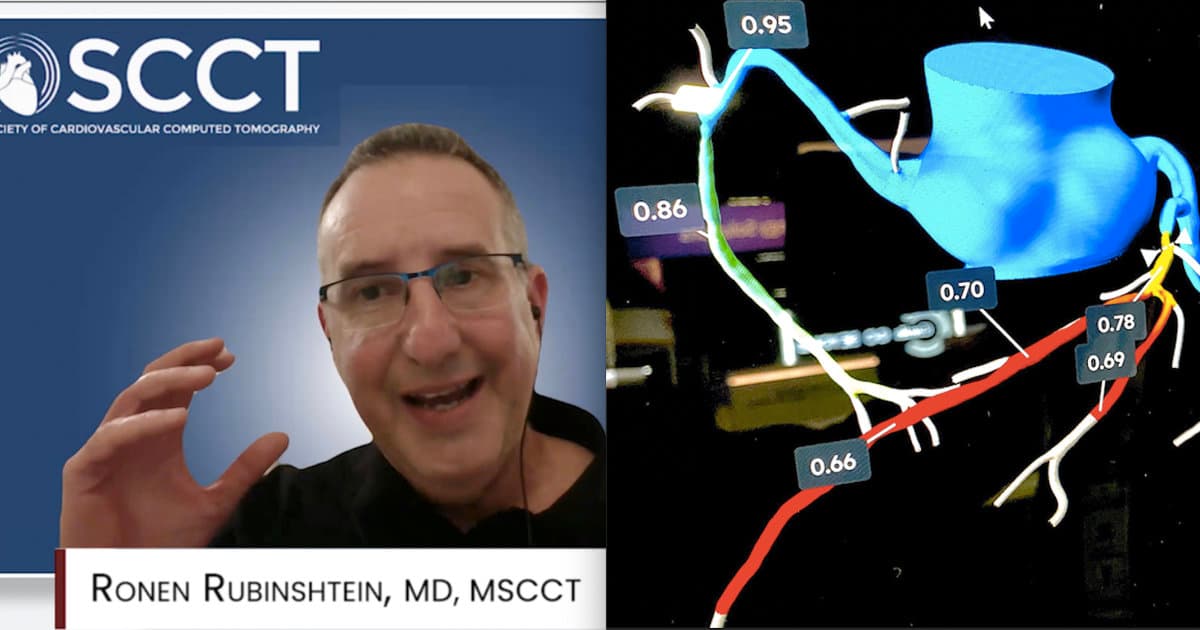
Functional assessment is gaining traction through CT‑derived fractional flow reserve, the first AI‑based tool endorsed by cardiology guidelines. CT‑FFR simulates blood flow dynamics, allowing physicians to gauge lesion significance without invasive catheterization, thereby cutting procedural risk and healthcare costs. Simultaneously, photon‑counting CT introduces next‑generation detector technology that delivers superior spatial resolution and spectral imaging while potentially lowering radiation exposure. These hardware and software advances promise faster, more accurate diagnoses and open new pathways for research into tissue characterization and disease phenotyping.
The conference also underscored the expanding role of CT in structural heart disease, extending imaging support from transcatheter aortic valve replacement to mitral, tricuspid and pulmonary valve therapies. Hands‑on sessions equipped interventional teams with post‑processing tools for device sizing and procedural planning. By incorporating technologists, nurses and radiographers into dedicated educational tracks, SCCT promotes a collaborative, multidisciplinary workforce essential for consistent image quality and patient safety. The FDA keynote reinforced the importance of regulatory insight in accelerating adoption while balancing innovation with cost‑effectiveness, signaling a robust future for cardiac CT in both clinical and research settings.
Plaque imaging, AI and structural heart disease in the spotlight at SCCT 2026 meeting
Comments
Want to join the conversation?
Loading comments...