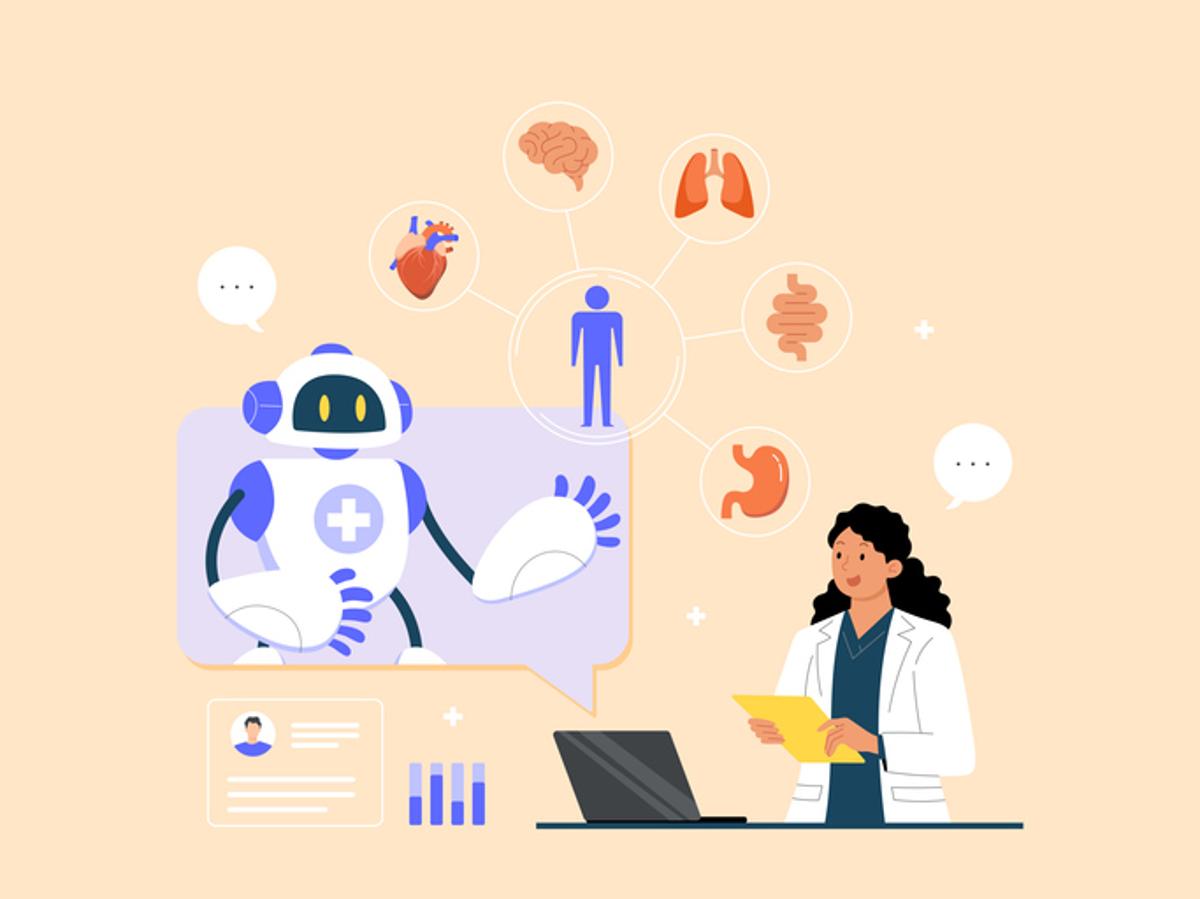
How AI Is Unlocking Smarter Clinical Trial Protocols
Why It Matters
Cutting protocol amendments reduces development time and millions in R&D spend, accelerating patient access to therapies. Widespread AI adoption could transform the efficiency and cost structure of the entire drug‑development ecosystem.
Key Takeaways
- •76% of trials undergo at least one major amendment.
- •AI models translate historical trial data into structured design intelligence.
- •Digital protocols enable real‑time interoperability and continuous learning.
- •Evidence‑based design reduces site burden and patient dropout rates.
- •Industry‑wide data aggregation uncovers patterns that cut timelines.
Pulse Analysis
The clinical trial landscape has long been anchored by static protocols—dense documents that dictate eligibility, visit schedules, and data collection without adapting to real‑world execution. This rigidity fuels a high amendment rate; each change can stall enrollment, inflate budgets, and jeopardize timelines. Sponsors traditionally rely on siloed expertise, leaving valuable lessons from past studies untapped. The result is a cycle of reactive fixes that erode efficiency and increase the cost of bringing new medicines to market.
Enter artificial intelligence. By ingesting decades of trial performance data—feasibility outcomes, enrollment trends, site capacity, and patient dropout patterns—machine‑learning models can translate unstructured insights into actionable design parameters. AI‑enhanced digital protocols become interoperable assets, allowing automated feasibility checks, predictive risk scoring, and real‑time scenario testing. This shift transforms the protocol from a fixed deliverable into a living framework that evolves with incoming data, enabling sponsors to pre‑emptively address operational bottlenecks and align study designs with realistic site capabilities.
Looking ahead, the industry is poised for a broader AI integration across the trial continuum, from patient recruitment to outcome monitoring. As digital protocols mature, they will facilitate cross‑company data sharing, unlocking industry‑wide benchmarks that further compress development cycles. The net effect promises faster, more patient‑centric studies, reduced R&D expenditures, and a competitive advantage for early adopters. However, realizing this vision will require cultural change, robust data governance, and regulatory alignment to ensure that AI‑driven decisions meet safety and efficacy standards.
How AI is Unlocking Smarter Clinical Trial Protocols
Comments
Want to join the conversation?
Loading comments...