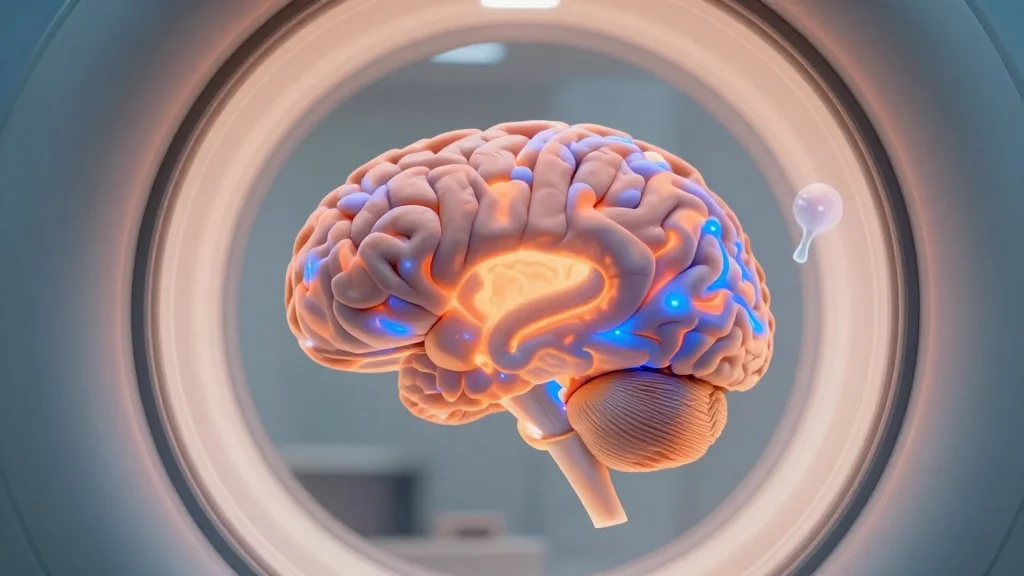
PET Imaging Links Brain Metabolism Patterns to Effectiveness of Alzheimer's Disease Treatment
Why It Matters
Accurate PET‑based stratification can personalize anti‑amyloid therapy, boosting efficacy and avoiding costly, ineffective treatment for misdiagnosed patients.
Key Takeaways
- •¹⁸F‑FDG PET identified AD metabolism pattern predicts treatment benefit
- •124-patient study showed cognitive gains only in PET‑positive AD group
- •Misdiagnosed dementia subtypes drive variability in anti‑amyloid therapy success
- •Personalized PET screening could cut unnecessary drug costs and side effects
- •SNMMI abstract honored as top of 1,500 submissions
Pulse Analysis
The recent FDA approvals of anti‑amyloid antibodies have generated optimism for Alzheimer’s disease, yet real‑world outcomes remain uneven. Clinicians have long struggled to differentiate Alzheimer’s pathology from other neurodegenerative disorders using only clinical criteria, leading to off‑label use of expensive biologics. Advanced imaging biomarkers, particularly ¹⁸F‑FDG PET, offer a physiological window into cerebral glucose metabolism, enabling a more precise disease classification before committing patients to long‑term therapy.
In the SNMMI‑highlighted study, researchers retrospectively examined 124 individuals evaluated for amyloid immunotherapy. By categorizing PET scans into Alzheimer’s‑consistent versus alternative metabolic patterns, they discovered that only the Alzheimer’s‑aligned group experienced stabilized or improved cognitive test scores after at least one year of treatment. All participants with Lewy‑body, TDP‑43, or frontotemporal patterns showed significant decline, underscoring that the therapeutic benefit is tightly linked to the underlying metabolic signature rather than a generic diagnosis.
If validated in larger cohorts, PET‑guided selection could reshape reimbursement models and clinical pathways. Payers would likely favor coverage for patients with confirmed metabolic phenotypes, reducing wasteful spending on ineffective drugs and mitigating exposure to potential adverse events. Moreover, the approach could accelerate drug development by enriching trial populations with responders, shortening timelines, and improving statistical power. As the field moves toward precision neurology, integrating routine FDG‑PET into dementia work‑ups may become a standard of care, aligning clinical outcomes with economic sustainability.
PET imaging links brain metabolism patterns to effectiveness of Alzheimer's disease treatment
Comments
Want to join the conversation?
Loading comments...