
Abridge Releases Ambient AI Tech for Nurses
Abridge announced that its ambient documentation AI is now available to nurses at every health‑system client nationwide. The technology automatically captures and records patient‑encounter notes, aiming to cut the administrative load that nurses traditionally shoulder. Early adopters include Mayo Clinic, Johns Hopkins Medicine, Emory Healthcare and other major systems, with rollout scheduled weekly across the customer base. Development involved direct input from bedside nurses and integration with Epic Systems’ electronic health record platform.

Health System Downtime Recovery Must Involve All Technologies
Hospital contingency plans for network downtime typically center on electronic health records (EHR), leaving specialty applications unprotected, according to Rebecca Romine of Polsinelli Law Firm. When a network outage occurs, these critical tools can become inaccessible, jeopardizing patient care and...

Willis Knighton Health Taps AI Scribe Vendor
Willis Knighton Health, a four‑hospital network in Shreveport, Louisiana, has chosen Commure as its enterprise ambient AI scribe vendor. The partnership integrates Commure’s AI‑driven documentation tool with the system’s Meditech Expanse EHR. A seven‑specialty pilot showed 88% of providers experienced...
AI Struggles with Basic Data Tasks for Hospital Administrators: Study
A study by Mount Sinai and Mayo Clinic evaluated nine large language models on two basic administrative data tasks using 50,000 emergency department records. Simple prompts like “how many patients were admitted?” yielded poor accuracy across all models. Adding chain‑of‑thought...

What Intermountain’s CEO Didn’t Anticipate About Its Epic EHR Launch
Intermountain Health completed the largest single‑site Epic EHR rollout in September 2024, migrating all 34 hospitals and 400 clinics at once rather than in phases. CEO Rob Allen chose the “big‑bang” approach to avoid a multi‑year fragmented transition that would...

When There’s No Appointment Available, Patients Are Opening ChatGPT
Patients facing weeks‑long waitlists and $150‑plus out‑of‑pocket fees are increasingly turning to ChatGPT for immediate emotional support. While the AI offers instant, non‑judgmental replies, it was not engineered for mental‑health care and lacks therapeutic safeguards. Experts argue that purpose‑built mental‑wellness...

ASGCT Honors Mohamed Abou‑el‑Enein as Outstanding New Investigator
Mohamed Abou‑el‑Enein, MD, PhD, received the American Society of Gene and Cell Therapy’s 2026 Outstanding New Investigator Award and his lab earned the Best of Molecular Therapy Award. His team’s high‑dimensional spectral flow cytometry platform maps CAR‑T cell states, pinpointing...

Home Tonometers: A Guide to Safe and Simple IOP Checks
Home tonometers let patients with glaucoma or other intraocular pressure (IOP) conditions measure eye pressure at home, reducing the need for frequent clinic visits. These portable devices use either gentle contact or a brief puff of air to deliver digital...

Canvys Expands 4K Display Platform for Medical Applications with New 32-Inch Monitor
Canvys, a division of Richardson Electronics, has added a 32‑inch 4K monitor to its medical‑grade display platform, extending the existing 27‑inch offering. The new screen provides a larger viewing area, ultra‑high‑definition resolution and wide viewing angles for applications such as...

Bausch + Lomb Launches Bi-Blade+ Vitrectomy Cutter in the EU on Stellaris Elite Platform
Bausch + Lomb has introduced the Bi‑Blade+ dual‑port vitrectomy cutter on its Stellaris Elite Vision Enhancement System across the European Union. The new cutter delivers a 25% higher vitreous flow rate than the original Bi‑Blade, while cutting cutter vibration by 62%, which...
Streamline Data Capture and Automate EHR-to-EDC Data Transfer
Paradigm Health introduced eSource Casebook, an EHR‑integrated platform that extracts both structured and unstructured clinical data, auto‑populates electronic case report forms, and streams the information directly to sponsor EDC systems. The tool tackles the industry‑wide surge in manual data entry,...
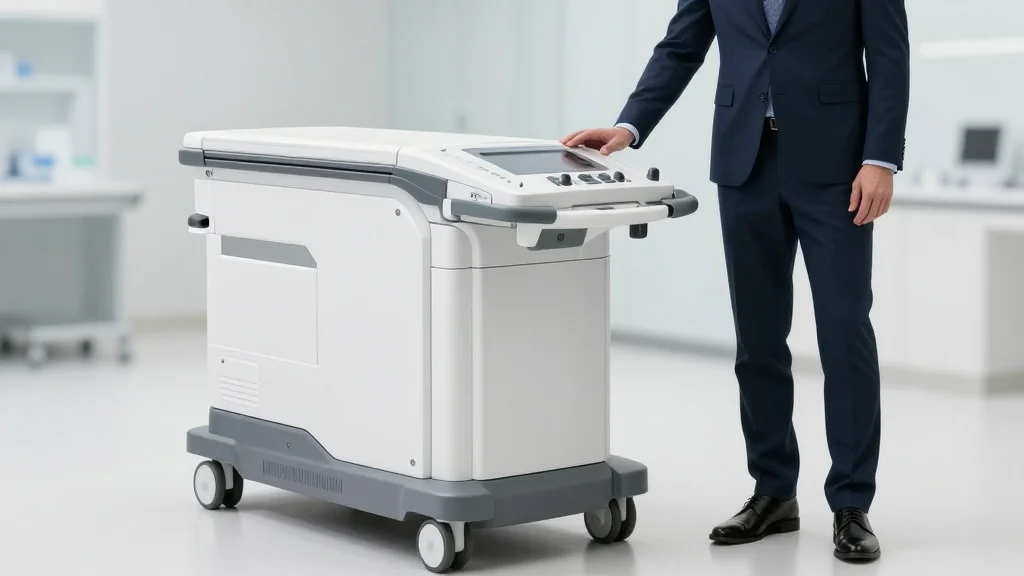
Microsure Receives CE Mark for MUSA-3 System and Appoints New CEO
Dutch medical‑technology firm Microsure announced that its MUSA‑3 robotic system has received CE mark approval, allowing the device to be used clinically across Europe. The clearance moves the company from development to a commercial medical‑device business focused on generating clinical...

How Clinical Teams Can Use Virtual Support to Reclaim Patient Time
Physicians now spend roughly two hours on paperwork for every hour of patient care, fueling burnout and limiting clinic capacity. Virtual medical assistants are being deployed to manage pre‑visit chart preparation, after‑visit summaries, and routine coordination tasks. By offloading documentation,...

From Apple Watch to Fitbit Air: Top Smartwatches and Fitness Bands of 2026
The 2026 roundup spotlights a diverse lineup of smartwatches and fitness bands, ranging from ultra‑affordable models like the Fastrack Reflex Vox at roughly $30 to premium devices such as the Apple Watch Series 11 at $565. All devices emphasize health...
PSMA PET Imaging’s Proliferation Produces Uptick in Aggressive Treatment for Prostate Cancer
Prostate-specific membrane antigen (PSMA) PET imaging, FDA‑approved in 2021, has rapidly displaced conventional bone scans among U.S. insurers, becoming the dominant diagnostic tool for advanced prostate cancer by 2023. A national Blue Cross Blue Shield claims analysis of nearly 6,000...

Latest Middle East Partnerships Expanding Korean Health Tech and More Briefs
South Korean medtech firms ROKIT Healthcare and Seers are forging Middle East partnerships to deploy AI‑enabled kidney disease prediction and ECG monitoring solutions, with Seers securing a $15 million three‑year distribution deal for 105,000 mobiCARE devices in the UAE. In parallel,...

IHH Healthcare Migrating Finance, HR Systems to the Cloud and More Briefs
Private healthcare giant IHH Healthcare announced it will migrate its legacy finance, human resources and supply chain applications to Oracle Fusion Cloud, creating a unified, cloud‑based platform. The move follows earlier cloud migrations of on‑premise databases in its Singapore and...
IndiaAI, Indian Council of Medical Research Partner on AI Healthcare Ecosystem
IndiaAI, the Ministry of Electronics and Information Technology’s AI initiative, has signed an MoU with the Indian Council of Medical Research (ICMR) to create an interoperable AI healthcare ecosystem. The partnership will provide ICMR with subsidised GPU‑based high‑performance computing, while...

Blood Test May Improve Early Tuberculosis Detection Among Household Contacts
A prospective study of more than 2,000 household contacts in Tanzania, Zimbabwe and Mozambique evaluated the Cepheid Xpert MTB‑HR blood test, a three‑gene host‑response assay, for early tuberculosis detection. The assay demonstrated good accuracy in identifying active TB and showed...
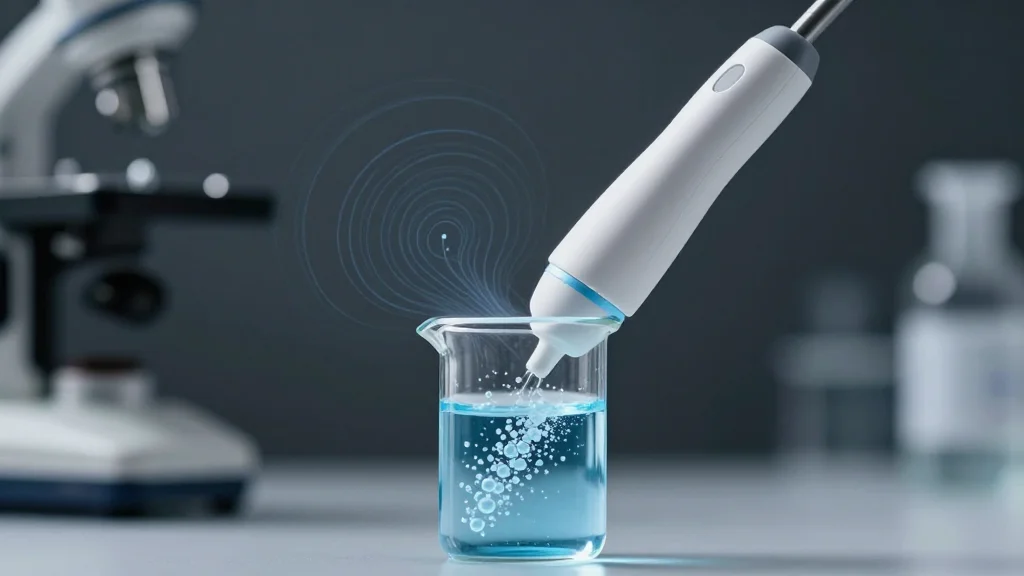
Ultrasound Waves Rupture COVID-19 and Flu Viruses without Damaging Cells
Researchers at the University of São Paulo have shown that high‑frequency ultrasound waves (3–20 MHz) can rupture the envelopes of SARS‑CoV‑2 and H1N1 viruses while leaving human cells unharmed. The effect, termed acoustic resonance, exploits the spherical geometry of enveloped viruses,...

Docusign Intelligent Agreement Management Brings Clarity to Workflows
DocuSign introduced Intelligent Agreement Management, a SaaS platform that extends its e‑signature core with identity verification, centralized workspaces, multichannel delivery and AI‑driven analytics for healthcare providers. The solution consolidates patient intake forms, consent documents and vendor contracts into a single,...

Trusted Data Foundations for AI in Healthcare and Government
At Snowflake Accelerate 2026, leaders from healthcare and the public sector emphasized that a trusted, governed data foundation is the prerequisite for any AI success. The event showcased how breaking down data silos and adding semantic context enabled faster, more...

What AI Body Scans Can (and Cannot) Tell You
AI‑powered body‑composition scans are flooding the consumer market, ranging from clinical DEXA machines to smartphone apps that claim to gauge fat from a selfie. While DEXA delivers precise bone, fat, and lean‑mass data for $40‑$300 per session, lower‑tier BIA scales...

Polygenic Risk Score Predicts Eight Cardiovascular Conditions
A new polygenic risk score (PRS) predicts eight cardiovascular conditions, including coronary artery disease and atrial fibrillation, with odds ratios as high as 41.0. The assay, orderable from a blood or saliva sample, was validated in 53,306 participants and demonstrated...

Digital Transformation in Healthcare: The Critical Role of Clinical Staff Interactions
A study of 96 NHS hospital trusts and over 50,000 clinical staff finds that digital team capabilities boost team efficacy, which lowers mortality rates. Organizational digital readiness moderates this link, strengthening the impact where readiness is high. The research suggests...
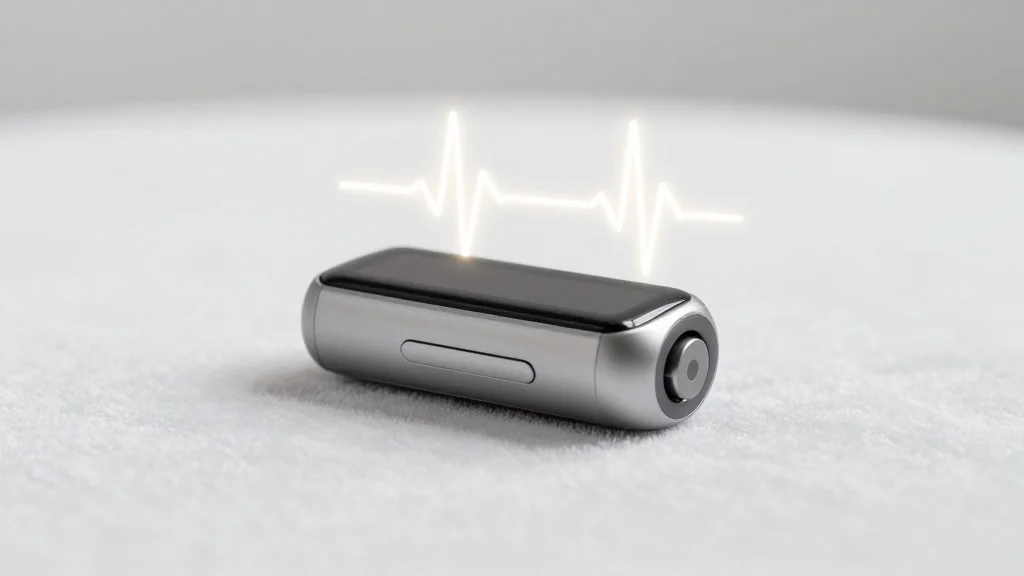
Google Unveils Screenless Fitbit Air, Google Health App To Replace Fitbit
Google introduced the Fitbit Air, a screenless wearable that streams health data to the newly rebranded Google Health app. Priced at $99.99, the puck‑style device ships with a Performance Loop band and a three‑month trial of Google Health Premium. The...
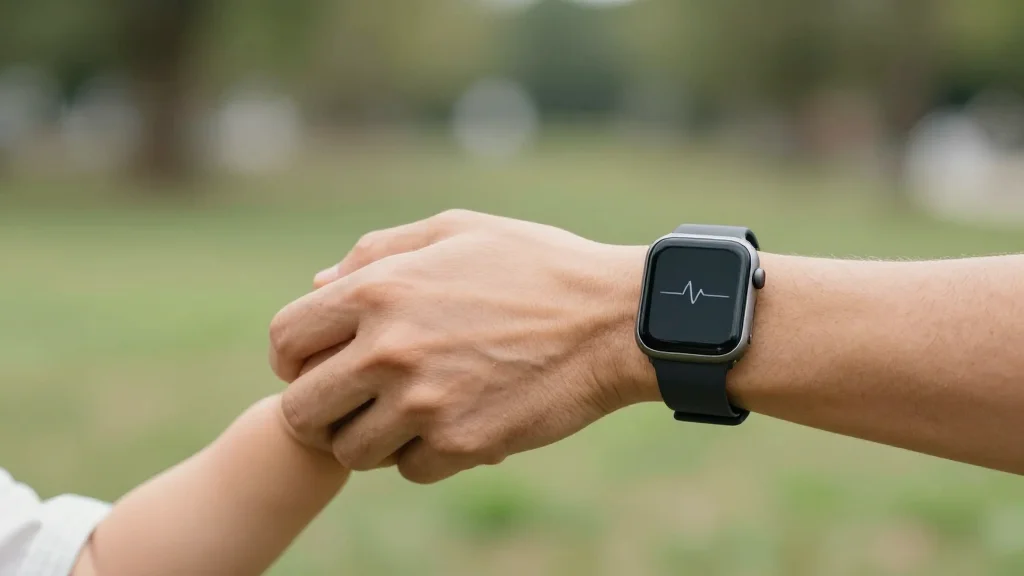
Samsung Says Galaxy Watch Can Predict Fainting up to 5 Minutes Early
Samsung announced that its Galaxy Watch 6 can forecast vasovagal syncope up to five minutes before it occurs, based on a clinical study with Chung‑Ang University Gwangmyeong Hospital. The AI‑driven algorithm achieved 84.6% overall accuracy, with 90% sensitivity and 64%...
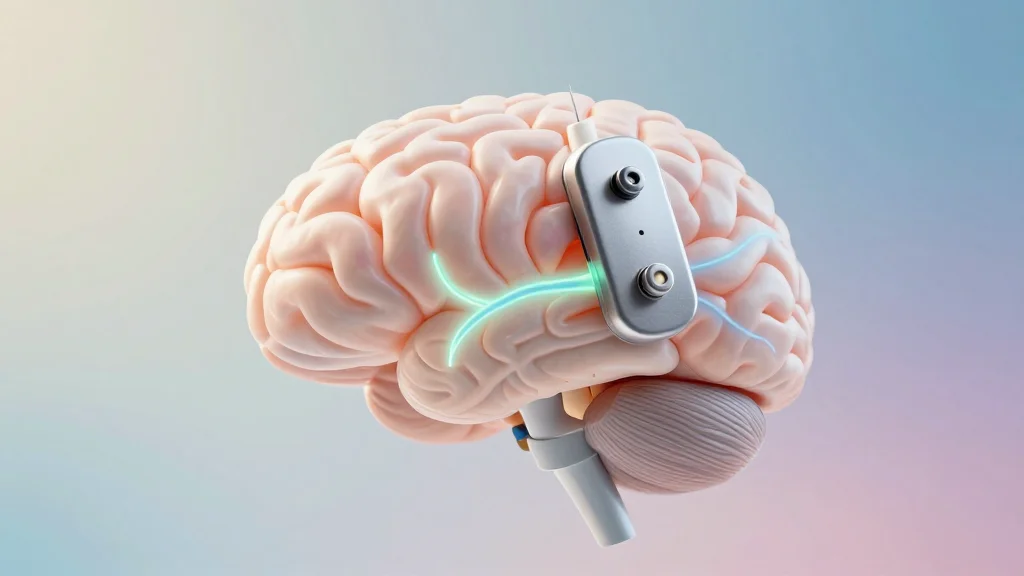
Magnetic Pulses Restore Brain Circuits to Treat Depression
UCLA researchers demonstrated that accelerated intermittent theta burst stimulation (aiTBS), a fast‑acting form of transcranial magnetic stimulation, can rebuild lost dendritic spines in prefrontal cortex intratelencephalic (IT) neurons within 24 hours. The structural repair was stable for at least a...

Large Language Models Offer Potential for Helping Appeal Denied Radiology Claims
A recent Academic Radiology analysis tested four large language models—Claude 3.5, Nova Pro, Llama‑3.1‑70B and ChatGPT‑4o—by tasking them with drafting appeal letters for simulated denied radiology exams. Across 12 generated letters, the models achieved average content and grammar scores of 3.9 and...
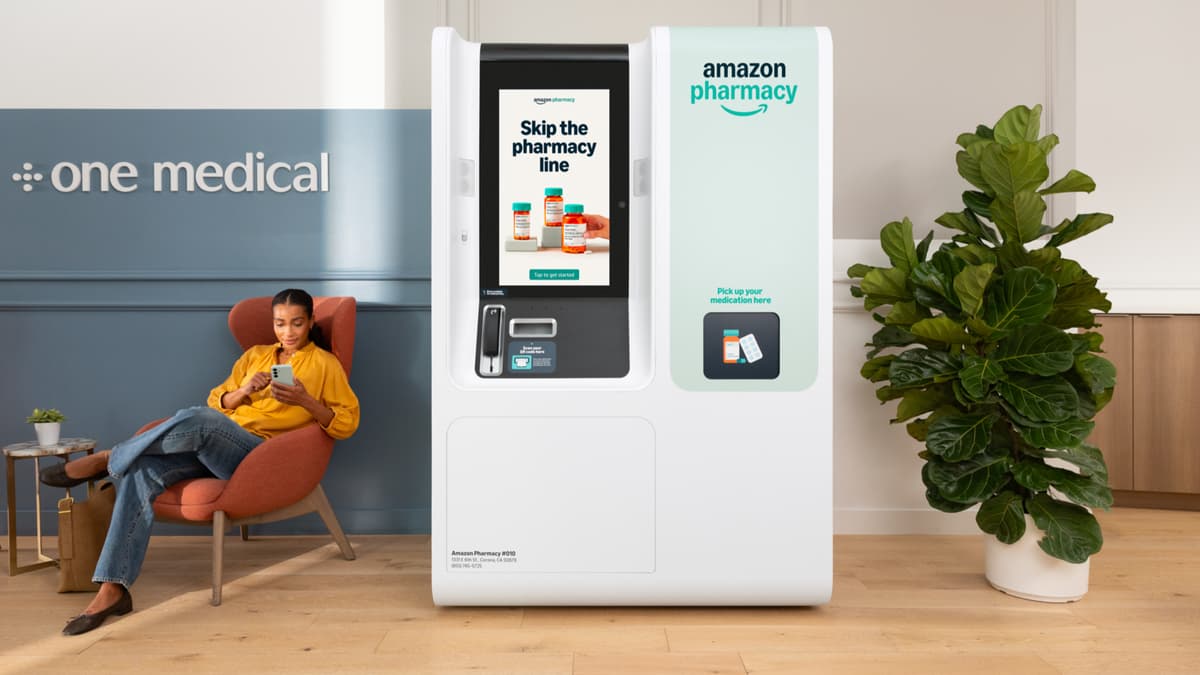
Amazon Adds Ozempic Pill to Same-Day Prescription Drug Kiosks
Amazon Pharmacy is adding the GLP‑1 drug Ozempic to its same‑day prescription kiosks, which already dispense Wegovy. The vending‑machine‑style units allow customers to collect a prescription within minutes of approval, expanding Amazon’s instant‑pickup pharmacy footprint. By targeting a high‑demand weight‑loss...

Mid-Cycle Revenue Integrity: Leveraging Clinician-Governed AI to Reduce Denials and Understated Acuity
Health systems are confronting hidden revenue loss caused by gaps between bedside care and the administrative record. At the mid‑cycle—where documentation, clinical documentation improvement (CDI) and coding converge—denial rates are nearing 10% and under‑documented acuity can cost a hospital up...
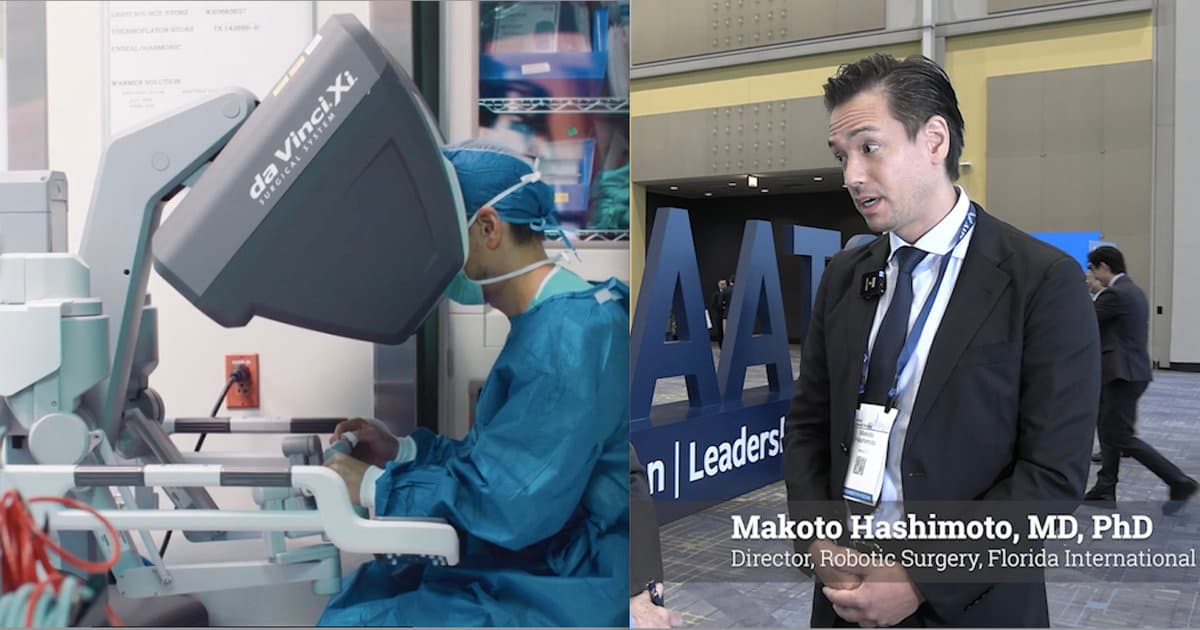
Upfront Costs of Robotic Heart Surgery Are High—But It May Be a Smart Investment
New research presented at the American Association for Thoracic Surgery meeting examined over 8,000 mitral valve repairs, including 780 robotic procedures, and found that robotic surgery costs about $6,000 more per case than traditional methods. Despite higher operating‑room expenses, patients...

Dandelion Health Raises $14M for Precision Medicine Platform
Dandelion Health announced a $14 million Series A round led by Healthier Capital, with participation from Colle Capital and existing investors. The New York‑based startup’s multimodal precision‑medicine platform combines structured EMR and claims data with unstructured clinical text and raw biosignals such as...
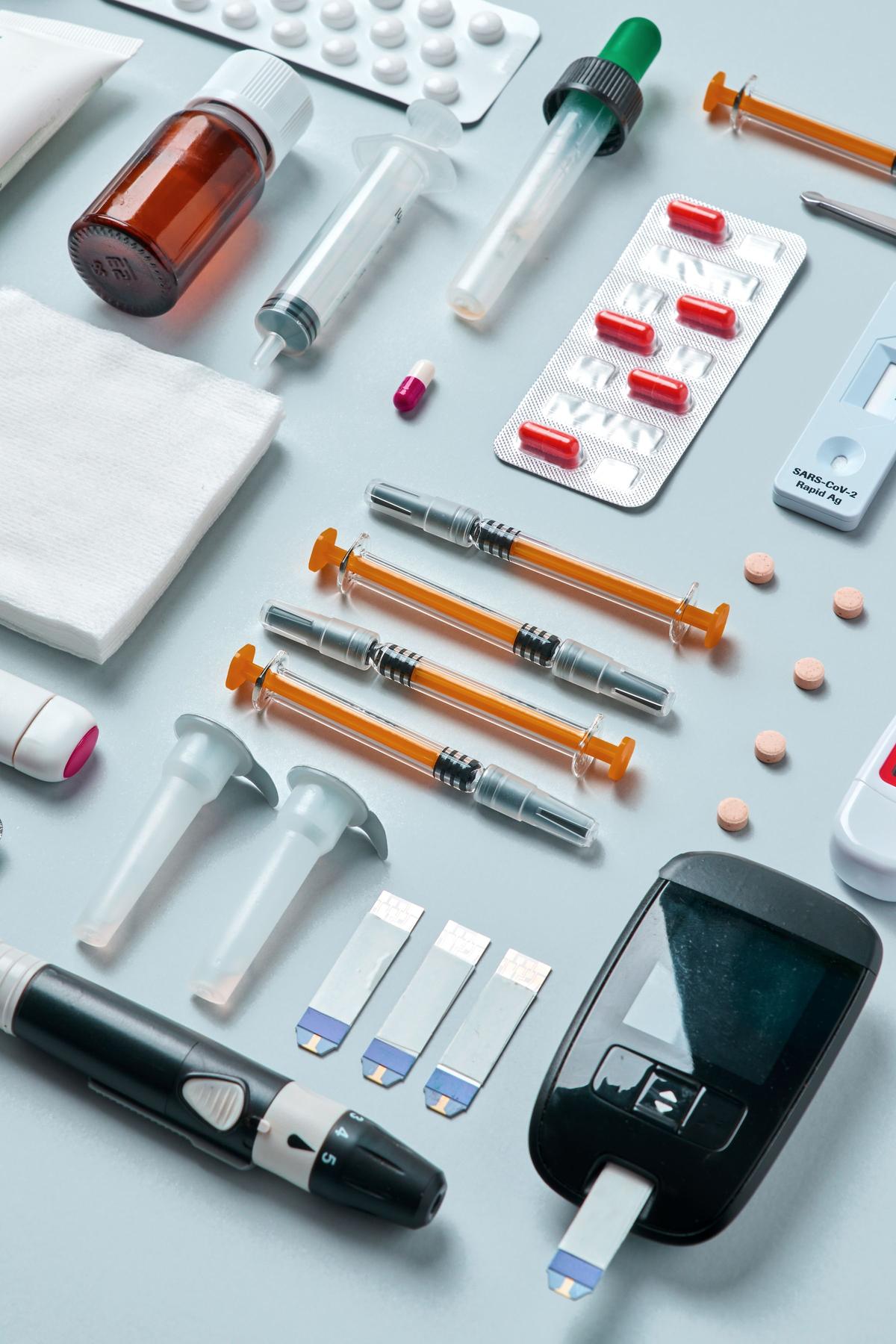
Diabetes Detection Needs Better Tools. They’re on the Way
Researchers warn that traditional HbA1c testing misses millions at risk for diabetes, especially in Black and South Asian populations. New AI‑driven tools are leveraging continuous glucose monitors and routine electrocardiograms to flag metabolic dysfunction years before blood sugar spikes. Stanford’s...

Sharma Lab Deploys Open-LIFU for Multidisciplinary Neurological Research at NC State, UNC
Openwater has partnered with the Sharma Lab at NC State and UNC‑Chapel Hill to deploy its open-source low‑intensity focused ultrasound (Open‑LIFU) platform for multidisciplinary neurological research. The collaboration will test the device’s feasibility in conditions such as transverse myelitis, essential...

The Health Impact Alliance Collaborates with Infineon to Redefine Independent Living for the Aging Population
The Health Impact Alliance (HIA) has partnered with semiconductor leader Infineon Technologies to build a connected healthcare ecosystem for seniors. Infineon will supply its AIROC CYW55512 Wi‑Fi 6/Bluetooth 6 combo IC and PSOC Edge E84 microcontroller, delivering low‑power, secure, edge‑AI capabilities. The first...

Fewer EHR Choices Mean Higher Prices for Health Systems
EHR market consolidation is leaving health systems with fewer vendor options, according to Altera Digital Health’s Marcus Perez. As the industry narrows to a handful of dominant platforms, hospitals lose bargaining power and face higher contract prices. The trend threatens...
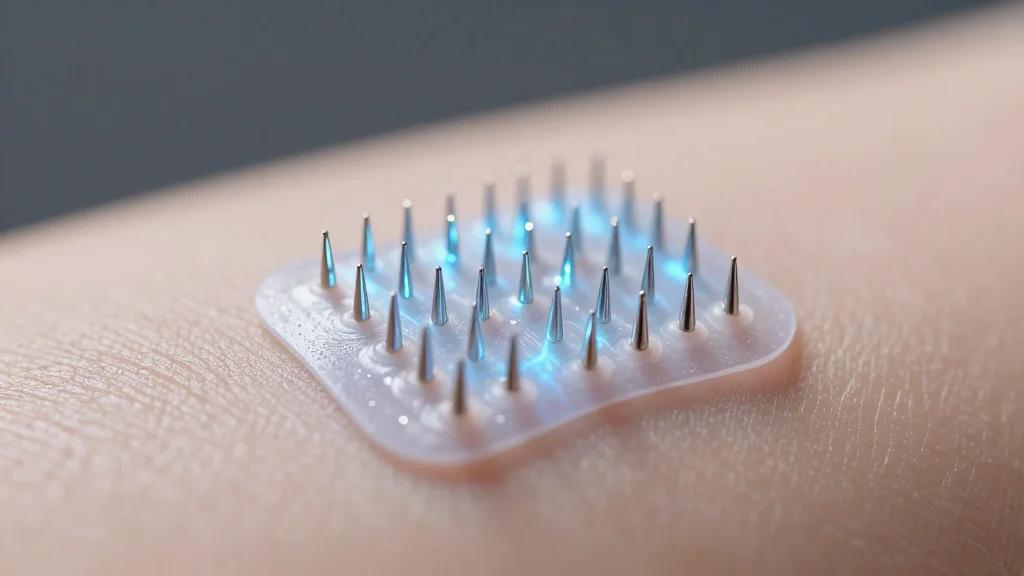
Electric‐Eel‐Inspired Ionic Power Source Microneedles With Self‐Reporting Structural Colors for Wound Healing
Researchers have engineered ionic power source microneedles (IPSMs) that combine electric‑eel‑inspired ion transport with chameleon‑like structural colors for wound care. The three‑layer device creates an internal K⁺‑driven electric field, delivering electrical stimulation that accelerates tissue repair. Integrated silver nanoparticles provide...

3D-MIND: A Flexible Device that Can Be Integrated with Living Brain Cells
Researchers at Princeton have unveiled 3D-MIND, a flexible electronic mesh that can be embedded inside three‑dimensional cultures of living brain cells. The device integrates sensors and micro‑stimulators within the neural tissue, enabling stable recording and stimulation for up to six...

Introducing the All-New Fitbit Air
Google unveiled the Fitbit Air, a screenless, pebble‑sized tracker priced at $99.99, aimed at delivering comprehensive health monitoring without a display. The device pairs with the Google Health app, offering continuous heart‑rate, sleep, SpO₂, and workout detection, plus a week of...
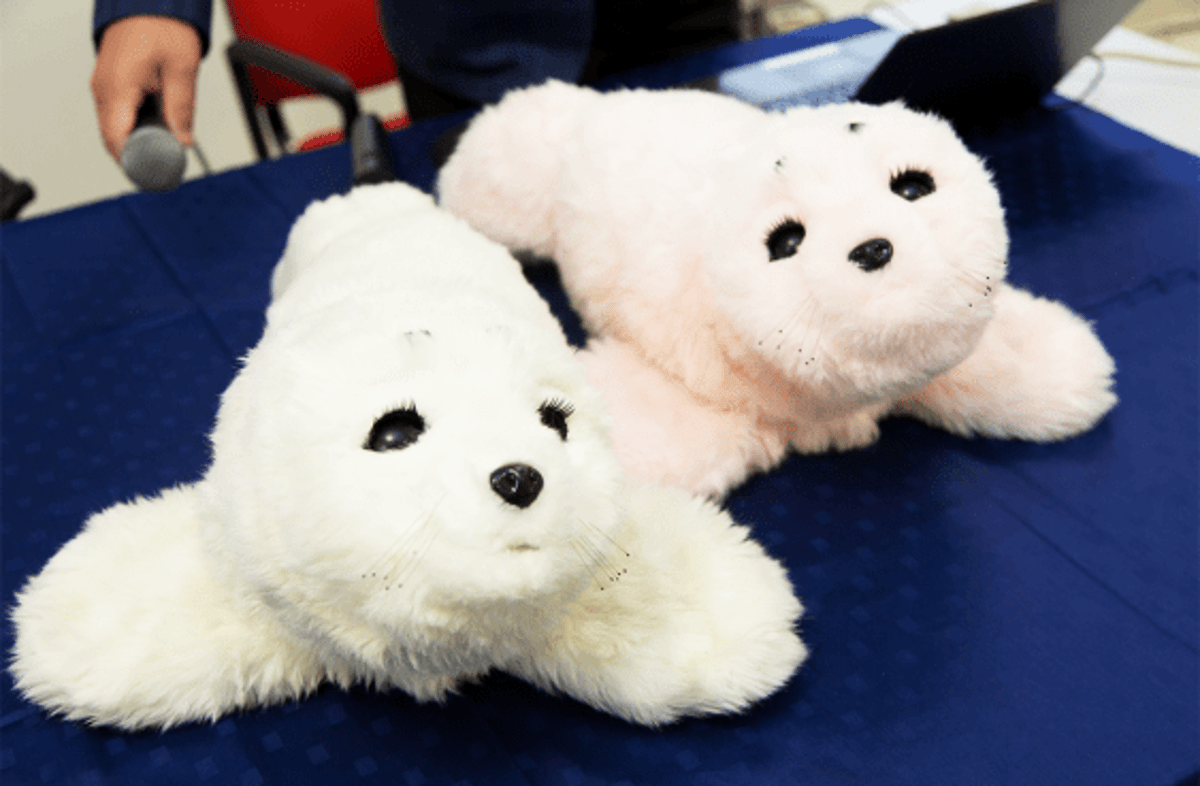
How to Build a Trustworthy Robot
Researchers in Science Robotics argue that future robots should learn collaboratively with humans, building trust through interaction histories. Sharmita Dey of the Institute of Robotics and Intelligent Systems explains that such robots must adapt to cultural norms, individual preferences, and...
A New Era for Your Health and Wellness
Google announced a unified Google Health app that merges data from Fitbit, Google Fit, Apple Health and medical records, replacing the Fitbit app. The launch also makes the AI‑driven Google Health Coach publicly available through a new Google Health Premium...

Los Angeles County Works to Modernize Its Public Health Data Infrastructure
Los Angeles County’s Department of Public Health is overhauling its data infrastructure by adopting the Fast Healthcare Interoperability Resources (FHIR) standard, a move driven by the CDC Foundation’s Workforce Acceleration Initiative (WAI). Data engineer Joe Martin is leading efforts to...

Infinitus Introduces The First Solution to Evaluate Every Healthcare Interaction Led by AI or Humans
Infinitus Systems launched Lens, a conversation insights engine that evaluates every healthcare interaction—AI or human—by scoring calls against unified criteria. It claims to provide 100% coverage, automatically detecting adverse events, product complaints, and compliance gaps, turning unstructured audio/text into structured...

Eko Health Appoints Dr. Steven Steinhubl as CMO to Drive Cardiac AI and Global Clinical Strategy
Eko Health has named Dr. Steven R. Steinhubl, a leading cardiologist and digital‑medicine pioneer, as its chief medical officer. In his new role, Steinhubl will direct clinical strategy, research programs, and global partnerships to expand the adoption of Eko’s AI‑enabled...

Artera Launches AI Services Model and Agentic AI Squads for Specialty Care and FQHCs
Artera, formerly WELL Health, has introduced an AI Services Model that replaces generic SaaS with clinic‑specific, agentic solutions. The company deploys AI Service Squads—small teams of AI builders who work alongside providers—to deliver bespoke tools for scheduling, prior authorizations, referral...

Bayer Reports P-III (REVEAL) Trial Data on Iodine 124 Evuzamitide to Diagnose Cardiac Amyloidosis
Bayer announced that its investigational PET/CT radiotracer I‑124 evuzamitide met the primary sensitivity and specificity endpoints in the Phase III REVEAL trial of 170 adults with suspected cardiac amyloidosis. The study compared the tracer to standard clinical diagnosis and achieved the...

Amazon Pharmacy Adds Same-Day Delivery, Kiosks for New Ozempic Pill
Amazon Pharmacy is rolling out same‑day delivery and in‑office kiosk pickup for Novo Nordisk’s Ozempic oral pill, the only FDA‑approved GLP‑1 treatment for type‑2 diabetes. The service will initially cover nearly 3,000 U.S. cities, expanding to about 4,500 by year‑end,...
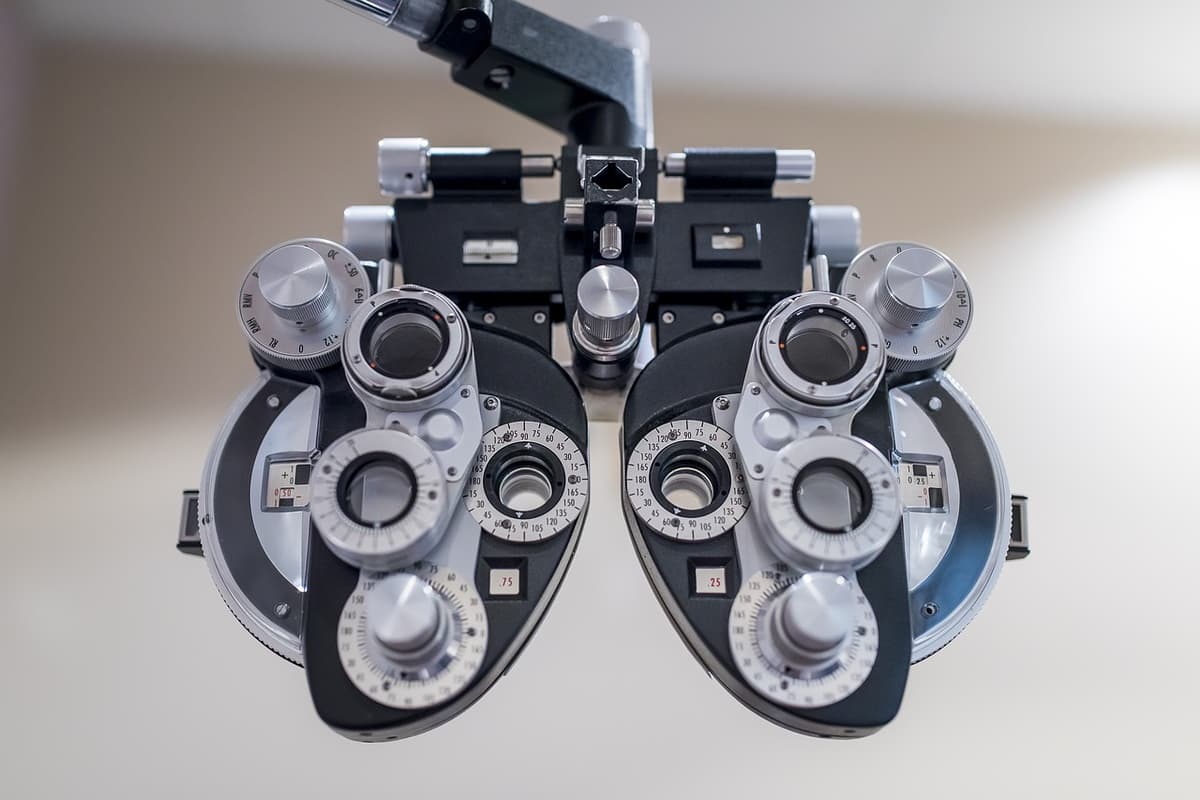
Why Home Eye Tests Are Transforming Vision Care for Older Adults in Bolton
Home eye tests are bringing professional vision examinations directly to seniors’ doorsteps in Bolton, removing the need for travel to traditional optician clinics. Qualified opticians arrive with portable equipment to assess eyesight, screen for glaucoma, cataracts and macular degeneration, and...

Roche to Acquire PathAI for ~$1.05B
Roche has signed a definitive agreement to acquire AI‑driven diagnostics firm PathAI for an estimated $1.05 billion, comprising $750 million upfront and up to $300 million in milestones. The deal, slated to close in the second half of 2026, builds on a partnership...