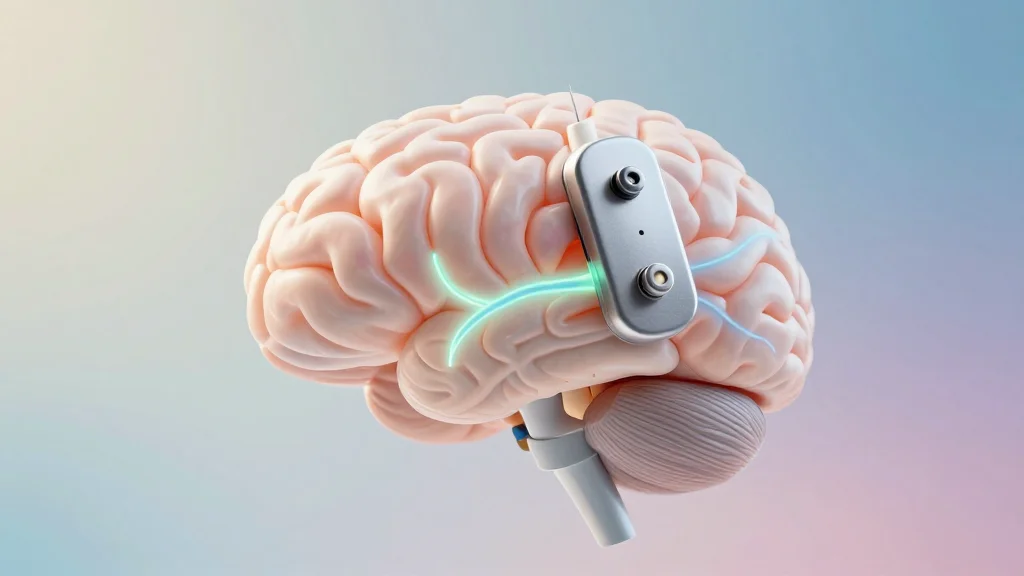
Magnetic Pulses Restore Brain Circuits to Treat Depression
Why It Matters
By revealing the exact neuronal circuit that TMS repairs, the study paves the way for targeted, faster treatments for treatment‑resistant depression and potentially other psychiatric disorders, accelerating clinical adoption and personalization of brain‑stimulation therapies.
Key Takeaways
- •Accelerated TMS (aiTBS) restores dendritic spines in IT neurons within 24 hrs
- •Repair persists at least a week after one treatment day
- •Blocking IT neuron activity eliminates the antidepressant effect of aiTBS
- •Standard TMS requires weeks; aiTBS compresses therapy into five days
- •Findings may expand precise neuromodulation to PTSD, OCD, and chronic pain
Pulse Analysis
Transcranial magnetic stimulation has long been a cornerstone for patients whose depression does not respond to medication, yet clinicians have operated with limited insight into its cellular action. Traditional rTMS protocols span six weeks, demanding daily sessions that strain both patients and healthcare systems. The emergence of accelerated intermittent theta burst stimulation (aiTBS) shortens this timeline to five days, but until now the neurobiological basis for its rapid efficacy remained speculative. Understanding the precise mechanisms is essential for optimizing protocols, reducing side‑effects, and extending the technology to other brain disorders.
The UCLA study bridges that knowledge gap by employing a novel mouse model that mimics human chronic‑stress depression. Researchers observed that a single day of aiTBS regenerated dendritic spines—tiny synaptic scaffolds—specifically on intratelencephalic (IT) neurons in the prefrontal cortex. This selective restoration re‑engaged the circuitry underlying mood regulation, producing measurable behavioral improvement within 24 hours. Crucially, when IT neuron activity was pharmacologically silenced, the antidepressant effect vanished, confirming these cells as the therapeutic engine. The structural changes endured for at least a week, indicating that aiTBS does more than transiently boost neural firing; it rebuilds the physical substrate of communication.
Beyond depression, the implications ripple across the broader neuromodulation landscape. Disorders such as PTSD, obsessive‑compulsive disorder, and chronic pain share circuit‑level dysfunctions that could be remedied by similarly precise stimulation. The ability to pinpoint which neuronal subtypes respond to magnetic pulses opens the door to personalized treatment plans, where stimulation parameters are tailored to an individual’s neuroanatomy. As the field moves toward shorter, more targeted protocols, insurers and providers may find a stronger economic case for early‑stage adoption, potentially reshaping standards of care for a range of psychiatric and neurological conditions.
Magnetic Pulses Restore Brain Circuits to Treat Depression
Comments
Want to join the conversation?
Loading comments...