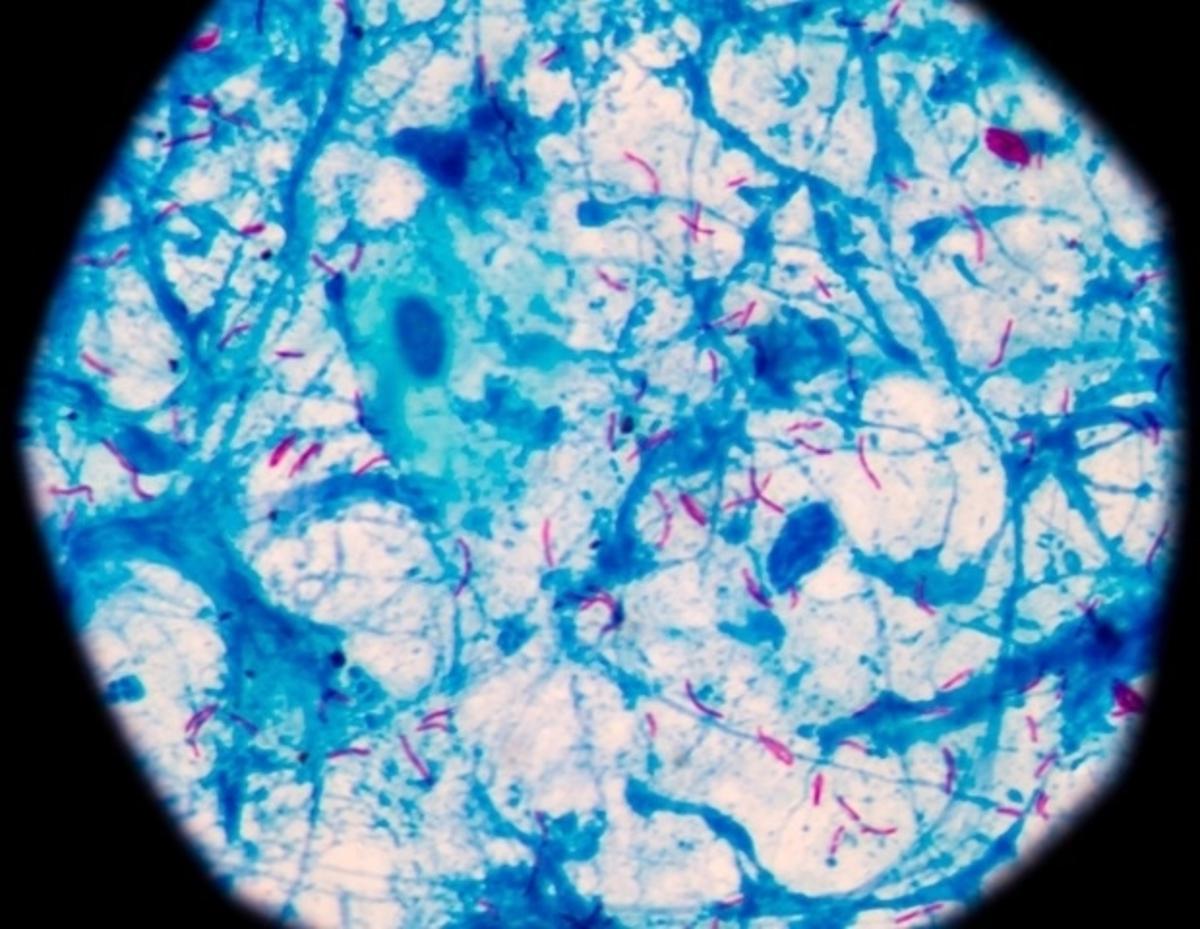
Blood Test May Improve Early Tuberculosis Detection Among Household Contacts
Why It Matters
Early, accurate identification of TB among high‑risk contacts can accelerate treatment, curb transmission, and make preventive therapy more efficient, addressing a critical gap in global TB control.
Key Takeaways
- •Xpert MTB‑HR test evaluated in >2,000 African household contacts
- •Test accurately detected active TB, outperforming existing immunological assays
- •Predictive value moderate; best shortly before disease onset
- •Not yet WHO‑approved as standalone screening tool
Pulse Analysis
Tuberculosis remains the world’s deadliest infectious disease, with household contacts bearing a disproportionate risk—about 2 % of them progress to active disease each year. Traditional screening relies on symptom questionnaires and sputum microscopy, both of which miss early or subclinical infection. The urgency for a more sensitive, scalable tool has driven researchers to explore host‑response diagnostics that capture the immune system’s reaction to Mycobacterium tuberculosis rather than the pathogen itself.
The Lancet Infectious Diseases study led by LMU scientists deployed the Cepheid Xpert MTB‑HR cartridge across three African nations, enrolling over 2,000 participants aged ten and above. Using a simple finger‑prick sample, the assay measured expression of three immune‑related genes on the GeneXpert platform. Results showed the test could reliably differentiate active TB cases from uninfected contacts, achieving higher positive predictive values than interferon‑gamma release assays. Its prognostic performance peaked when the test was performed within weeks of disease onset, though accuracy waned for longer‑term predictions, leaving it short of the WHO’s stringent thresholds for a stand‑alone screening test.
Despite these limitations, the findings signal a shift toward immune‑based screening that could complement existing methods. By pinpointing individuals most likely to develop disease, health programs can allocate preventive therapy more judiciously, reducing drug exposure and program costs. Future work will need to refine the assay’s predictive algorithms, validate performance in broader demographics, and negotiate regulatory pathways. If integrated with symptom‑based approaches, host‑response testing could become a cornerstone of next‑generation TB control strategies, accelerating progress toward the WHO’s End TB targets.
Blood test may improve early tuberculosis detection among household contacts
Comments
Want to join the conversation?
Loading comments...