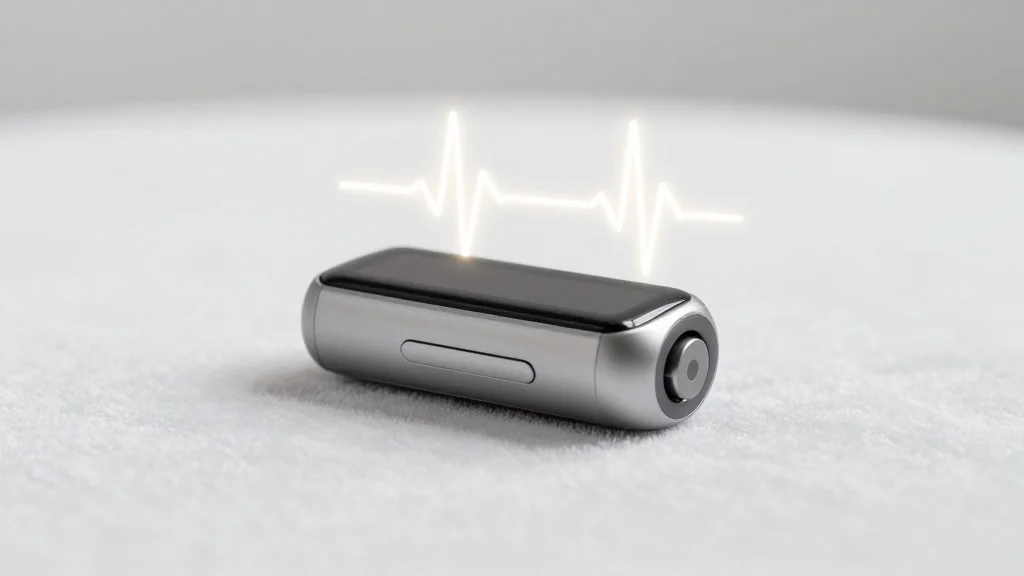
Google Unveils Screenless Fitbit Air, Google Health App To Replace Fitbit

Why It Matters
The launch signals Google’s shift toward minimalist health trackers and consolidates its wearable ecosystem under a single health platform, potentially reshaping subscription revenue streams. It also forces Fitbit users to transition to Google’s broader health services, affecting brand loyalty and data continuity.
Key Takeaways
- •Fitbit Air releases May 26 at $99.99, includes three‑month Premium
- •Google Health app replaces Fitbit app, drops Fitbit branding
- •AI Health Coach adds personalized advice within Google Health Premium
- •Google Fit will shut down later this year, requiring data migration
- •Special‑edition Steph Curry band offers extra style for screenless tracker
Pulse Analysis
Screenless wearables are re‑emerging as a niche market, catering to users who prioritize discreet data collection over constant notifications. Google’s Fitbit Air embraces this trend with a compact, band‑mounted sensor pod that eliminates the traditional display, echoing early Fitbit models while leveraging modern sensor suites. By offering a variety of colors and a Steph Curry‑themed edition, Google aims to blend functionality with fashion, targeting both fitness enthusiasts and style‑conscious consumers.
The rebranding of the Fitbit app to Google Health marks a strategic consolidation of Google’s health‑tech portfolio. The new interface adopts Material Expressive design cues and removes most Fitbit branding, signaling a unified ecosystem. Google Health Premium, priced at $10 per month or $100 annually, bundles the former Fitbit Premium features with an AI‑driven health coach that interprets personal metrics in real time. This subscription model not only creates a recurring revenue stream but also differentiates Google’s offering from competitors that rely on hardware sales alone.
Industry analysts view the move as a bid to capture a larger share of the burgeoning digital health market, where data integration and personalized insights are key differentiators. The impending shutdown of Google Fit forces existing users to migrate, potentially accelerating adoption of Google Health’s more comprehensive platform. As rivals like Apple and Samsung expand their own health services, Google’s focus on a minimalist device paired with AI‑enhanced coaching could attract users seeking low‑profile hardware without sacrificing analytic depth, setting a new benchmark for the next generation of health trackers.
Google Unveils Screenless Fitbit Air, Google Health App To Replace Fitbit
Comments
Want to join the conversation?
Loading comments...