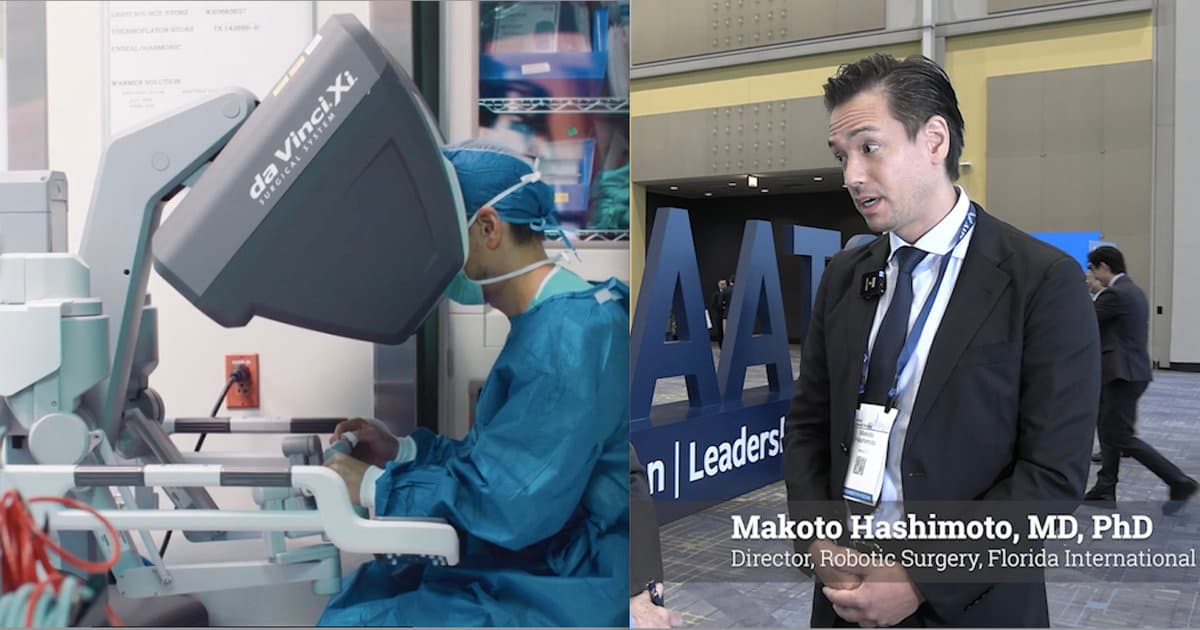
Upfront Costs of Robotic Heart Surgery Are High—But It May Be a Smart Investment
Companies Mentioned
Why It Matters
Higher upfront costs are offset by faster recoveries and fewer readmissions, improving hospital margins and patient satisfaction. The shift toward community hospitals signals a market expansion for robotic cardiac platforms.
Key Takeaways
- •Robotic mitral repair costs $57,678 vs $51,530 for traditional
- •ICU stay drops to 2.4 days, hospital stay to 5.7 days
- •30‑day readmission falls to 3.1% from 4.9%
- •Most robotic cases now performed at non‑academic hospitals
- •Faster recovery may offset higher operating‑room expenses
Pulse Analysis
Robotic cardiac surgery has moved from a niche academic specialty to a mainstream offering, driven by advances in instrumentation and declining acquisition costs for da Vinci‑type platforms. Hospitals now view the capital outlay—often exceeding $2 million—as a strategic asset that can differentiate their service lines and attract patients seeking minimally invasive options. The technology’s precision, coupled with enhanced ergonomics for surgeons, supports consistent procedural quality, which is increasingly important as payers tie reimbursement to outcomes.
The recent AATS‑presented analysis of more than 8,000 mitral valve repairs underscores a nuanced cost‑benefit picture. While the average procedural expense for robotic cases was $57,678, versus $51,530 for conventional surgery, the robotic cohort enjoyed a 0.4‑day reduction in ICU time, a full day less in overall hospital stay, and a 1.8‑percentage‑point drop in 30‑day readmissions. Those efficiencies translate into lower post‑acute care costs, fewer bed turnovers, and improved patient throughput—factors that can quickly recoup the higher upfront spend, especially in high‑volume centers.
Perhaps most striking is the migration of robotic procedures to non‑academic hospitals. Private and community health systems are leveraging the technology to broaden their cardiac portfolios, enhance market share, and meet consumer demand for cutting‑edge care. This trend suggests a competitive arms race where institutions invest in robotics not merely for clinical advantage but also for brand positioning. As reimbursement models continue to reward value‑based outcomes, the financial calculus increasingly favors technologies that deliver faster recoveries and higher satisfaction, making robotic heart surgery a compelling long‑term investment.
Upfront costs of robotic heart surgery are high—but it may be a smart investment
Comments
Want to join the conversation?
Loading comments...