
Smart T-Shirt Piloted at Leicester to Support Diagnosis of Breathing Pattern Disorders
A pilot in Leicester is testing Atride’s Anasa® Smart Shirt, a wearable t‑shirt that embeds nanotech sensors to continuously monitor breathing patterns. The device’s data will be benchmarked against the current gold‑standard motion‑capture photography to assess accuracy for diagnosing breathing pattern disorders. The trial reflects a broader UK push toward digital diagnostics, highlighted by AI‑driven blood‑cancer tools and billions of dollars in government funding for digital pathology. Regulatory support from the MHRA aims to streamline market entry for such medical wearables.

Home Blood Pressure Checks Could Reduce Risks After Hypertensive Pregnancy
Researchers at Oxford found that daily home blood‑pressure monitoring combined with rapid medication adjustments improves arterial health in new mothers who experienced hypertensive pregnancies. In a trial of 220 women, those using a home monitor and app showed less arterial...

EClinicalWorks Launches Healow CCM Specialist Service to Automate Monthly Patient Outreach and Documentation
eClinicalWorks has launched the healow Chronic Care Management (CCM) Specialist Service, a specialist‑as‑a‑service model that embeds certified clinicians into ambulatory practice workflows. The service handles monthly outreach, prescription follow‑ups and care‑plan reviews, automatically documenting calls in the EHR for Medicare...

Turn Health Data Into Impact: Browns University's Online Master in Biostatistics & Health Data Science
Brown University has launched an online Master’s in Biostatistics with a concentration in Health Data Science, delivered through its School of Public Health and School of Professional Studies. The 20‑month, five‑semester program comprises nine courses and a capstone project that...

Murata Launches Ultra-Low Power AMR Sensors to Boost Battery Life in Healthcare and Wearables Devices
Murata Manufacturing has begun mass production of two new anisotropic magnetoresistance (AMR) sensors, the MRMS166R and MRMS168R. The MRMS166R achieves a record‑low average current draw of 20 nA while operating from a 1.2 V supply, and the MRMS168R provides up to 12 mA...

Transformative Role of Artificial Intelligence and Machine Learning in Rehabilitation Engineering; A Systematic Review
A systematic review of 110 papers from 2011‑2021 examined how artificial intelligence and machine learning are being integrated into rehabilitation engineering. The majority of research (63%) targets upper‑limb or hand therapy, with stroke patients comprising 58% of the clinical focus....

Why Some Hospitals Are Betting on Midstream Health to Help Eliminate Waste
Midstream Health, a San Francisco AI startup founded in 2023, helps hospitals slash expenses by consolidating fragmented financial and operational data. Its platform uncovers missed rebates, prevents over‑paying for supplies, and streamlines contract verification. Major systems such as Mount Sinai,...
Morning Headlines 4/27/26
HIStalk’s morning briefing highlighted several disparate issues: the ethical and legal pitfalls of paying informants, noting that funds rarely reach the target organization; the success of an anti‑hate nonprofit that financed undercover operatives to dismantle KKK cells; a critique of...

Driving Outcomes with a Digital Transportation Infrastructure
Healthcare consumers now demand the same speed and convenience they get in everyday life, and transportation barriers still prevent more than five million Americans from receiving timely care. Legacy non‑emergency medical transportation (NEMT) programs rely on phone queues and manual...

Healthcare’s Identity Crisis: Why A Single Prescription Requires Multiple Logins
Healthcare providers are hampered by fragmented identity systems that force patients, clinicians, insurers and other stakeholders to juggle multiple logins for routine tasks like prescription refills. The article highlights that the average 2025 data breach in the sector costs $7.42 million,...

The Quiet Revolution Comes Full Circle: How CMS ACCESS Validates Safety-Net Innovation
CMS announced the ACCESS (Advancing Chronic Care with Effective, Scalable Solutions) Model, a ten‑year, national demonstration beginning July 2026 that validates the asynchronous e‑consult approaches pioneered by safety‑net health systems. The model introduces Outcome‑Aligned Payments, rewarding Medicare‑enrolled organizations for measurable...

‘Prior Authorization’ Has Become a Dirty Word in Healthcare, But It Might Be Medicare’s Smartest Path Forward
The CMS‑backed WISeR model launched a six‑state pilot on Jan. 1 to overhaul Medicare prior authorization using AI. It targets 17 procedures prone to fraud, waste and abuse, promising decisions in under three days versus the traditional 30‑day lag. Payment to...

‘Science Fiction’: How Life-Saving Organs Are Being Kept Alive Outside the Body
Organ shortages have driven a shift from static cold storage to active preservation methods. Normothermic machine perfusion (NMP) keeps kidneys and livers metabolically active in a nutrient‑rich, oxygenated circuit, extending viable time outside the body. An Australian first double transplant...

New Blueprint for ‘Smart Hospitals’
St. Luke’s Medical Center in Quezon City is constructing a 13‑story "smart hospital" slated for completion in 2027. The new building will house roughly 80% of the existing services, centralizing labs, imaging and treatment in 132 patient rooms and expanded outpatient,...
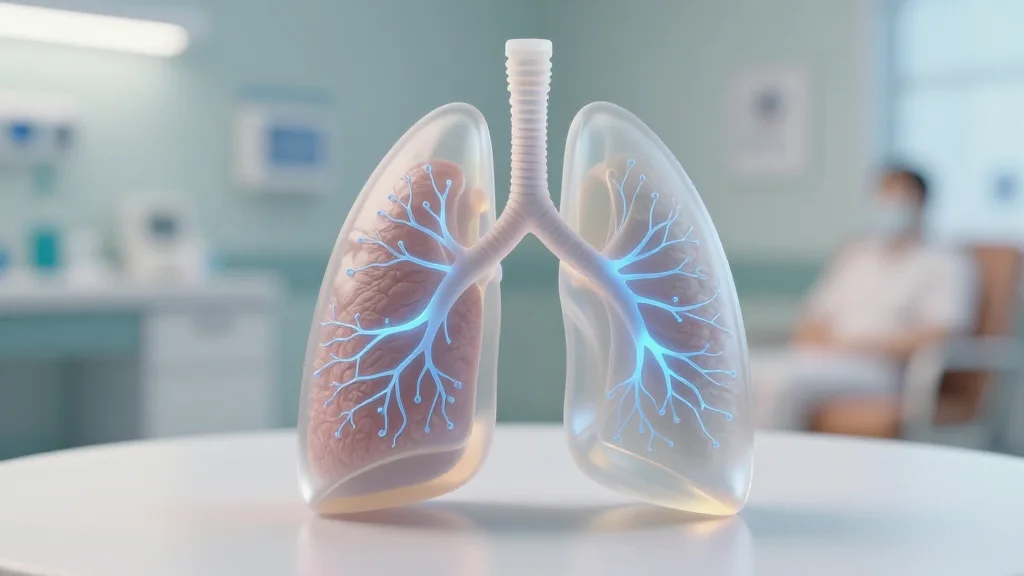
Machine Learning Predicts Asthma Risk in Children with Early-Life Atopic Dermatitis
Researchers at Kaiser Permanente Southern California used machine‑learning techniques on electronic health‑record data from 10,688 children diagnosed with atopic dermatitis before age three to predict later development of moderate‑to‑severe asthma and allergic rhinitis. The comprehensive asthma model achieved an AUC...

Experts Debate Benefits and Costs of Robotic Lung Transplantation
At the ISHLT’s 46th annual meeting, leading thoracic surgeons debated the value of robotic‑assisted lung transplantation. Proponents argue that smaller incisions, better visualization and reduced physiologic stress could broaden eligibility to older, frail patients and shorten hospital stays. Critics counter...

Assessing the Roche Acquisition of SAGA Diagnostics and the Future of Molecular Residual Disease Monitoring
Roche has agreed to acquire Sweden‑based SAGA Diagnostics for up to $595 million, adding the ultra‑sensitive Pathlight™ MRD platform to its Foundation Medicine portfolio. Pathlight tracks tumor‑specific structural variants in circulating DNA, achieving sub‑one‑part‑per‑million detection limits and a 13.7‑month lead time...
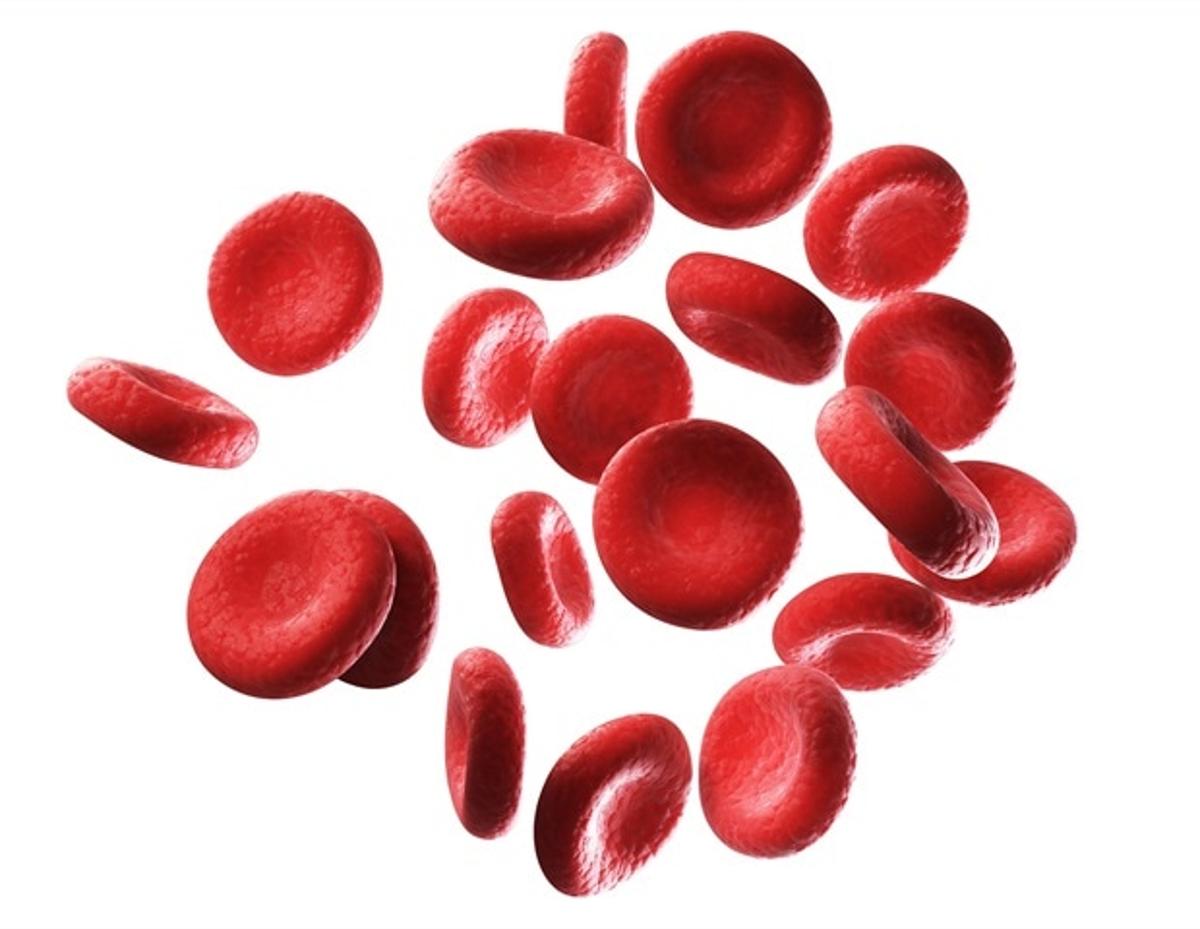
New Cytometer Measures Cell Stiffness to Improve Disease Diagnosis
Researchers at Brown University and NIST introduced a mechanophenotyping cytometer that gauges cell stiffness via time‑of‑flight measurements in microfluidic channels. The device can analyze 60–100 cells per second, dramatically outpacing atomic force microscopy’s one‑cell‑per‑30‑seconds rate. By linking travel time to...
Coral Banks $12.5M Seed Round
Coral, a health‑care automation startup, secured a $12.5 million seed round led by Lightspeed and Z47. The company’s platform plugs into existing electronic health record systems, fax lines and payer portals to automate end‑to‑end administrative workflows for specialty providers such as...

AI Advances in Necrotizing Enterocolitis: Challenges Ahead
Artificial intelligence is being explored to predict and manage necrotizing enterocolitis (NEC), a rare but lethal condition in pre‑term infants. Researchers report that limited case numbers and heterogeneous data cause overfitting, while most models lack multicenter external validation. Low positive...

New AI Chatbot Uses Medical Protocols to Guide Patient Care Decisions.
UC San Diego researchers unveiled a multi‑agent AI chatbot that uses American Medical Association flowcharts to guide self‑triage. The system matches patient symptoms to protocol‑based questions, translating clinical language into lay terms. In over 30,000 simulated dialogues it chose the...

Study Shows Implicity’s New Agnostic Cloud-Based AI Algorithm Further Reduces False Alerts Even After Manufacturer AI Filtering in Modern Devices
Implicity announced that its new manufacturer‑agnostic, cloud‑based AI algorithm reduced false‑positive alerts in AI‑equipped implantable loop recorders by 61.6% while preserving 98.3% sensitivity. The findings, presented at the Heart Rhythm Society 2026 meeting, stem from an analysis of 483 episodes...
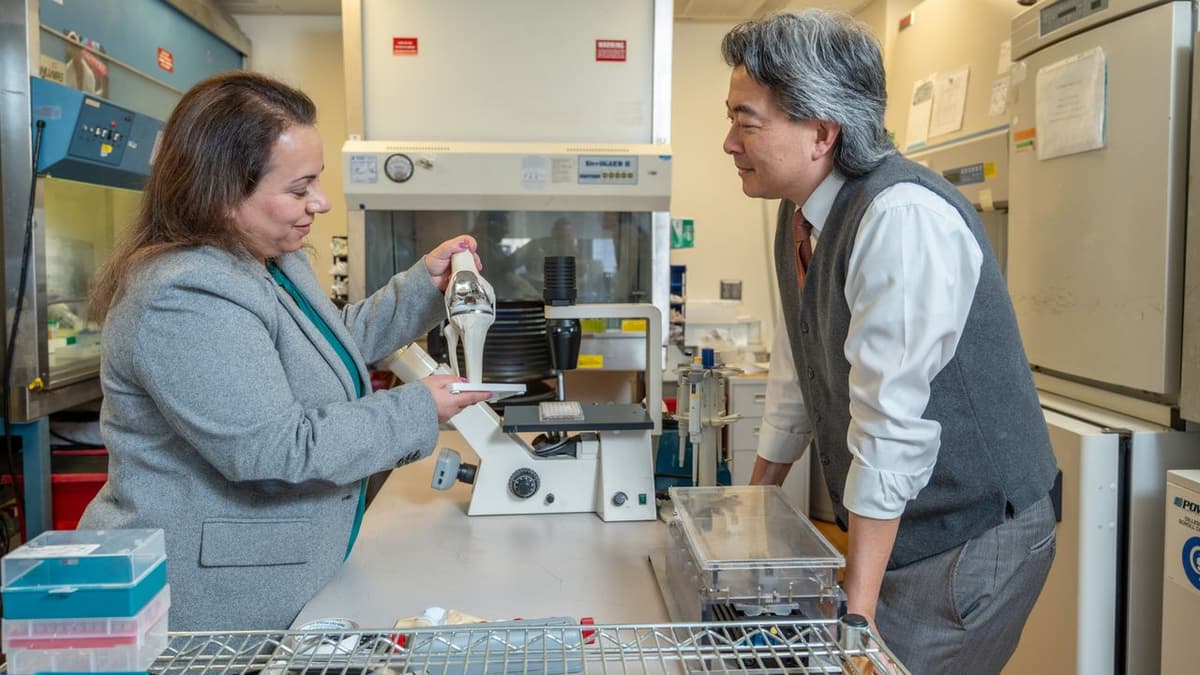
'Eventually, It Becomes You': Inventors of New 'Living' Knee Replacement Describe Why This Tech Is Desperately Needed and How It...
Columbia University and the University of Missouri are developing NOVAKnee, a 3D‑printed, biodegradable knee implant seeded with stem‑cell‑derived bone and cartilage. The scaffold is designed to dissolve as new tissue forms, potentially offering a longer‑lasting solution than metal‑plastic prostheses that...
Battery-Free Textile Turns Clothing Into a Real-Time Blood Pressure Monitor
Researchers from the National University of Singapore, the University of Arizona and Tsinghua University unveiled a battery‑free wearable system that uses a metamaterial textile to wirelessly power epidermal sensors from a smartphone. The dual‑mode fabric separates power (13.56 MHz) and data...

The Stanford Professor Behind an FDA-Cleared Cardiac AI Wants $1 Billion for His Next Company
Stanford associate professor James Zou is reportedly raising about $100 million at a $1 billion target valuation for his new startup Human Intelligence, which will apply AI across the entire biomedical discovery pipeline. Zou’s portfolio includes the FDA‑cleared cardiac‑AI EchoNet, a Nature‑published...
![[Video] AI in Healthcare: Five Healthcare AI Stories You Need to Know This Week - April 24, 2026](/cdn-cgi/image/width=1200,quality=75,format=auto,fit=cover/https://jdsupra-static.s3.amazonaws.com/profile-images/og.2237_4849.jpg)
[Video] AI in Healthcare: Five Healthcare AI Stories You Need to Know This Week - April 24, 2026
The weekly AI‑in‑Healthcare briefing highlighted five pivotal developments. UnitedHealth announced a $1.5 billion investment to embed AI across its payer and provider services. Merck unveiled a new AI‑driven commercial strategy aimed at deepening engagement with physicians, while Hartford HealthCare showcased a...
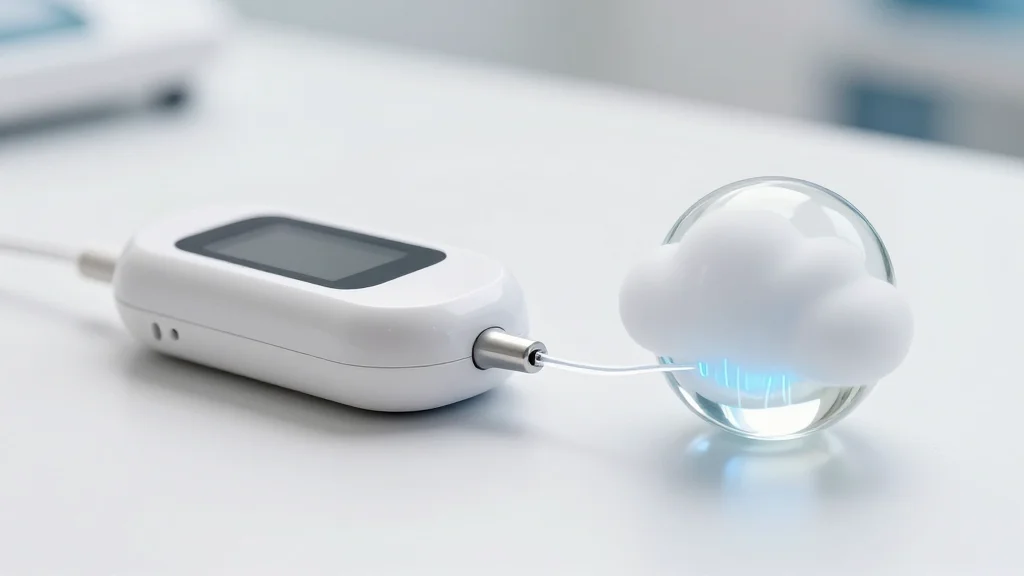
From Patchwork to Platform: How Blue Cross Blue Shield Meets the Modernization Challenge
Blue Cross Blue Shield plans are confronting legacy technology debt and fragmented data silos, prompting a shift toward modular, cloud‑ready architectures. A HIMSS session outlined practical strategies—multicloud adoption, data unification, and robust governance—to boost agility and member experience. Speakers from...

A New Interoperability Strategy in the Age of Analytics and AI
A HIMSS webinar revealed that 86% of healthcare leaders view interoperability without data preparation as offering limited value for AI and analytics. The discussion urges providers to move beyond simple connectivity and embed data readiness into their interoperability strategies. InterSystems...
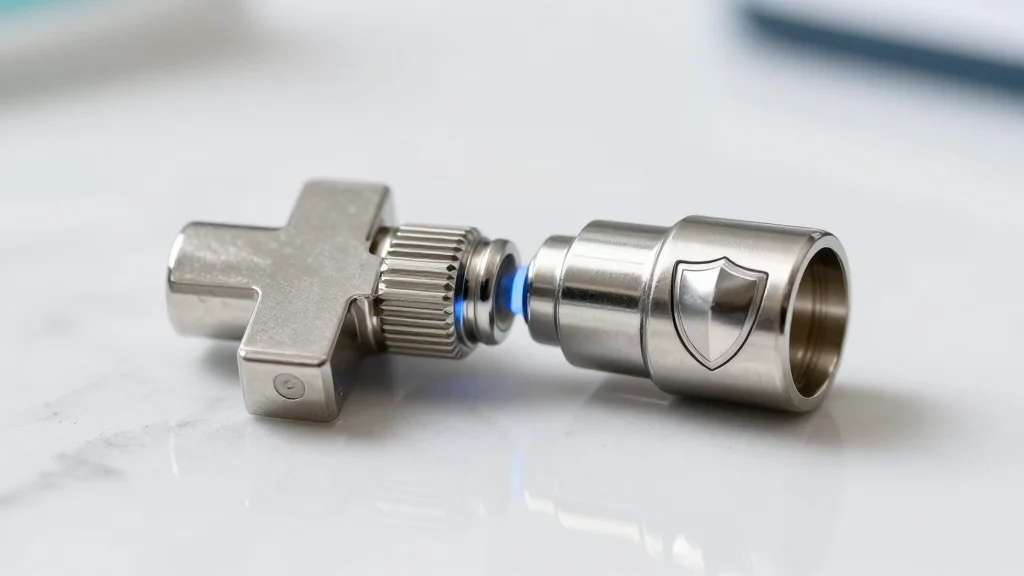
InterSystems Automates Bi-Directional Data Exchange Between Epic Payer Platform and Health Plan Workflows
InterSystems announced its Payer Connector, a bidirectional integration hub that links Epic Payer Platform with health‑plan IT systems. The solution transforms and routes data securely, reducing the need for point‑to‑point interfaces and speeding up deployment. It is now available through the Epic...
Secure Medical Image Cryptanalysis with Quantum Neural Networks for IoT-Enabled Cloud Storage
The paper introduces a unified security framework for IoT‑enabled medical imaging that blends hybrid post‑quantum encryption, a quantum neural network for cryptanalysis, federated deep learning, and secure cloud storage. The hybrid scheme merges post‑quantum cryptography, chaos‑based diffusion, and AES‑GCM, while...

Utah Medical Board’s Call To Halt AI Drug Pilot Triggers Med Practice Showdown
Utah’s medical board has ordered an immediate pause on the state’s pioneering AI‑driven prescription renewal pilot, the first of its kind in the nation. The pilot, launched by a consortium of health systems and a tech vendor, used machine‑learning algorithms...

CMS Proposes Electronic Prior Authorization for Drugs
The Centers for Medicare & Medicaid Services (CMS) has issued a proposed rule to extend electronic prior authorization (e‑PA) to pharmaceuticals covered under both medical and pharmacy benefits. The rule mandates the use of Fast Healthcare Interoperability Resources (FHIR) APIs...
Why Cardiac Monitoring Belongs at the Foundation of Your Service Line Strategy: A Conversation with Amanda Maples, RN, BSN, MHA
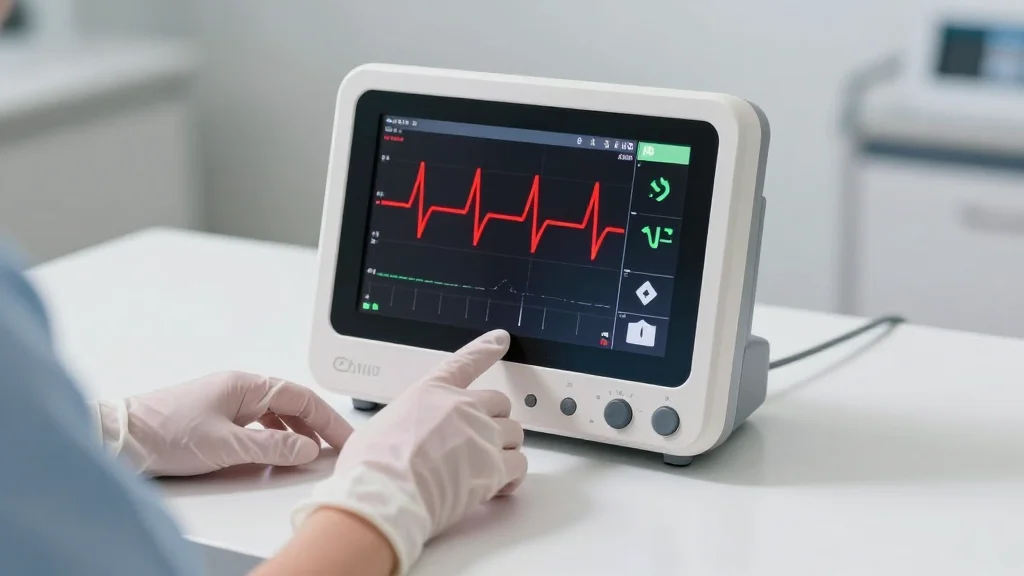
Amanda Maples, senior manager of customer experience at iRhythm, explains how continuous cardiac monitoring can serve as a foundational tool for cardiovascular service lines. She highlights the technology’s role in shortening diagnostic timelines, especially for women’s heart disease and frequent‑flyer arrhythmia...
Utilizing Wearable Technology to Characterize and Predict Post-Exertional Malaise Crashes Across Post-COVID Syndrome and Chronic Inflammatory Conditions: Study Protocol of...
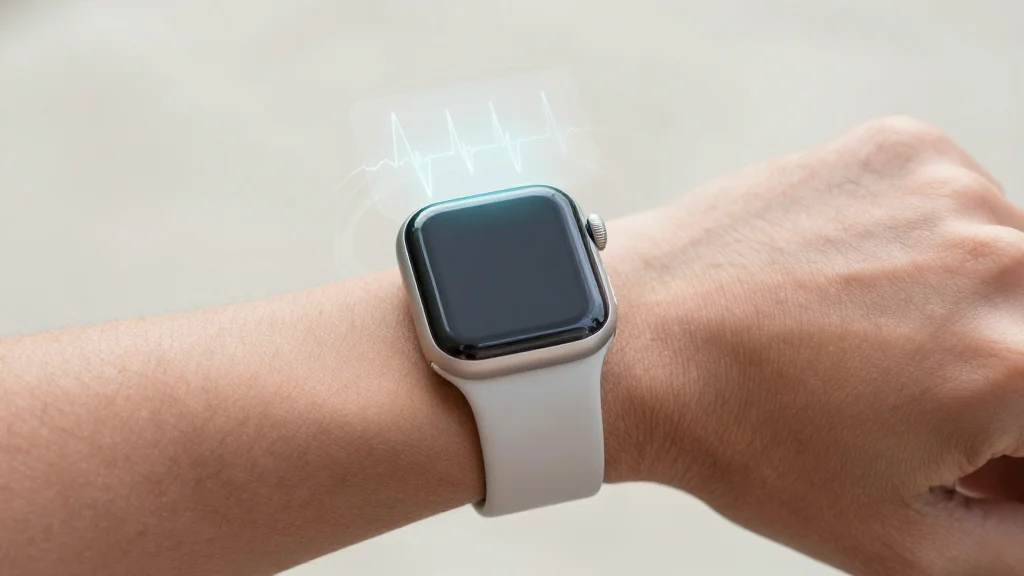
A prospective observational study called U‑WaTCH will enroll 300 adults—100 with post‑COVID syndrome, 100 with inflammatory rheumatic diseases, and 100 healthy volunteers—to wear Apple Watch SE or compatible devices for up to 180 days. Continuous streams of heart‑rate variability, activity, sleep, environmental...
First Phase of VA EHR Rollout Successful, Deputy Secretary Says
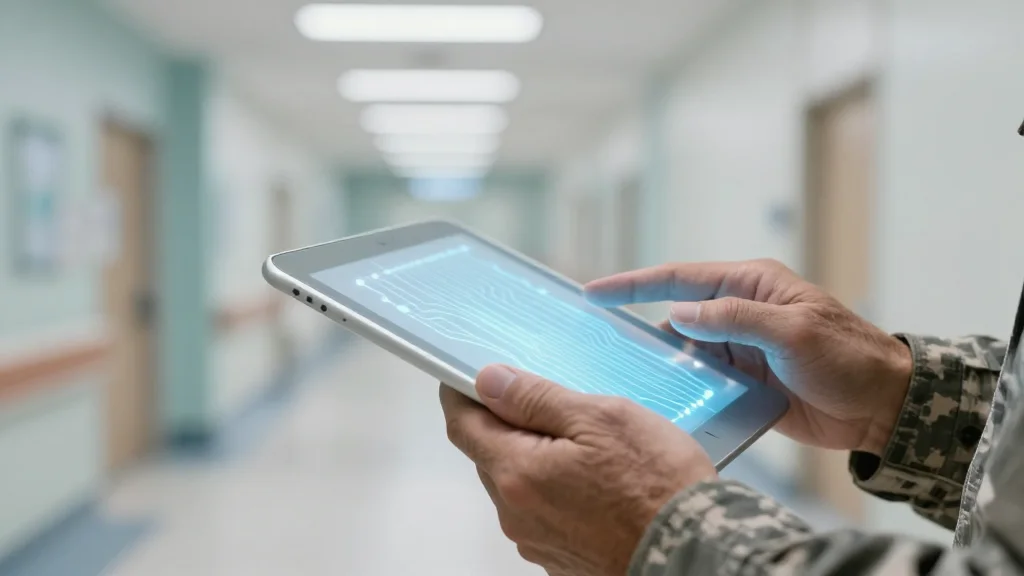
The Department of Veterans Affairs completed the first wave of its electronic health records (EHR) modernization in Michigan, activating systems at Ann Arbor, Battle Creek, Saginaw and Detroit in April. Deputy Secretary Paul Lawrence said the rollout revives a program...

Healthcare AI Policy Must Keep Humans at the Center
Florida Senator Gayle Harrell, recipient of the HIMSS26 Policy Influencer Changemaker Award, called for AI regulations that keep clinicians in the decision loop. She warned that unchecked AI could erode clinician authority and patient safety. The remarks came amid rapid...

The Hidden Cost of Waiting: 5 Stats On What Gets Lost By Delaying Mobile Refresh
Home health agencies spend an average of $288 per caregiver on mobile devices, yet many postpone refresh cycles to save costs. Delaying upgrades drives higher replacement frequency, unplanned purchases, excess data usage, and forfeits residual device value. The practice also...

Covered California and Deloitte Tap Google AI to Put the Human Touch Back Into Public Health
Covered California, the nation’s largest state health exchange, has partnered with Deloitte and Google to embed Google Document AI into its eligibility and enrollment platform. The AI-driven solution slashed document verification times from up to 72 hours to under five...

AI Learns to Predict Breast Cancer Risk From How Single Cells Respond to Pressure
Researchers at City of Hope and UC Berkeley unveiled a microfluidic platform, mechano‑NPS, that squeezes individual breast epithelial cells to gauge their mechanical response. By training a machine‑learning classifier called MechanoAge, they derived a "mechanical age" metric that correlates with...

One Biosciences Chooses Albany, NY, as Its U.S. Location
Paris‑based One Biosciences, backed by Institut Curie, announced its first U.S. hub in Albany, New York, where it will build a high‑complexity laboratory and computational analytics operation. The state’s Empire State Development agency will provide up to $525,000 in performance‑based...

IHS Leaders Tie Cybersecurity Directly to Patient Care
At the 2026 Splunk GovSummit, Indian Health Service leaders declared cybersecurity a core component of patient care. Serving 2.7 million patients across 37 states, IHS ties security to clinical continuity, emphasizing real‑time monitoring and resilience in remote and urban facilities. The...

Genomic Tool Untangles How Microbes Spread—Even when They Look Almost Identical
Researchers unveiled TRACS, a new genomic algorithm that pinpoints how microbes spread by detecting minute genetic differences. Published in Nature Microbiology, the tool successfully mapped transmission of SARS‑CoV‑2, Streptococcus pneumoniae, and Plasmodium falciparum across diverse cohorts. By distinguishing recent direct...

Providence Launches 12 Epic AI Tools
Providence, a 51‑hospital system, upgraded its Epic electronic health record in April and launched 12 AI‑driven tools across inpatient, ambulatory and revenue‑cycle workflows. The suite includes an AI Text Assistant that converts clinical notes into patient‑friendly language, Inpatient Insights that...

Beyond the Scale: How Imaging Can Help Determine GLP-1 Efficacy
The GLP‑1 drug class now reaches roughly 12% of U.S. adults, making it one of the fastest‑adopted therapies in recent history. Critics argue that weight alone is an inadequate measure of success, prompting Hone Health to partner with imaging startup...
Eliminating Patient Hold Times: Catholic Health’s Rapid Deployment of Voice AI
Catholic Health tackled low MyChart adoption and costly call‑center inefficiencies by deploying Notable’s voice AI in its Help Desk. The AI agents lifted call containment from a 30% target to 64%, cutting monthly call costs by $60,000 and projecting $360,000...
Edwards Raises 2026 Forecast as TAVR Sales Surge
Edwards Lifesciences raised its full‑year 2026 sales‑growth outlook to 9‑11% after reporting a 16.7% jump in first‑quarter revenue to $1.65 billion, driven by a 14.4% increase in TAVR sales to $1.2 billion. The company also lifted its TAVR growth forecast to 7‑9%...

AI Smart Glasses Will Help Visually Impaired Runners Take on the London Marathon
Visually impaired runners are using AI‑powered Oakley Meta Vanguard smart glasses to navigate the London Marathon, receiving live audio cues about landmarks, distance and pace while still hearing their human guides. The glasses combine a front‑facing camera, AI analysis and...

Pressure Points: Aristeia on Its New Battlefield Tourniquet
Aristeia introduced its Generation 8 battlefield tourniquet, aimed at military, parapublic and civilian agencies. The new device features a slimmer polymer‑composite band, a single‑hand pull‑to‑apply mechanism and visual placement cues, delivering about a 30 % faster application than the previous model. Independent...

HIMSSCast: Medicaid as a Health IT Innovation Engine
Dr. Christopher R. Cogle argues that Medicaid, covering over 80 million Americans, functions as a powerful health‑IT innovation engine. Designing systems for the most complex, vulnerable populations has spurred advances in data infrastructure, managed‑care oversight, and population‑health analytics. The HIMSSCast episode...
AI May Be Approaching a New Phase in Healthcare, on Two Fronts
Physicians are adopting Anthropic's agentic AI tool Claude Code to build custom clinical applications, signaling a shift toward doctor‑led software development within health systems. The latest frontier model, Claude Mythos, can identify code vulnerabilities, prompting security leaders to warn of...