
Swept-Source Optical Coherence Tomography Angiography May Predict Diabetic Nephropathy
A Harvard‑based study published in the July issue of the American Journal of Ophthalmology shows that swept‑source optical coherence tomography angiography (OCTA) can serve as a non‑invasive biomarker for diabetic nephropathy. Researchers analyzed 375 eyes from 234 diabetic patients and found that larger retinal nonperfusion areas were linked to higher odds of albuminuria and chronic kidney disease. Vessel density and foveal avascular zone morphology also varied with KDIGO risk categories, indicating retinal microvascular changes reflect renal dysfunction. The authors suggest OCTA could help clinicians identify high‑risk patients and tailor treatment earlier.

The World's Smallest Wellness Wearable, Smart Earrings, Just Launched on Kickstarter
Lumia Health launched its Lumia 2 smart earrings on Kickstarter, raising over $800,000—about 80 times the $10,000 goal. The coffee‑bean‑sized wearables embed a second‑generation PreciseLight sensor and track more than 20 health metrics, including blood flow, heart‑rate variability and sleep. Swappable...

Improving Access to Essential Medicines via Decision-Aware Machine Learning
A new wave of decision‑aware machine‑learning models is being applied to pharmaceutical supply chains in low‑income regions, blending demand forecasts with inventory and distribution constraints. Early pilots in Zambia and Rwanda report up to a 30% reduction in stock‑outs and...

How Tech Can Bridge Gaps in Rural Healthcare Data Struggles
The Office of the National Coordinator for Health IT is pushing technology to cut costs and improve care in rural America. A new ONC mandate requires electronic health records to show prescription benefit information, giving patients price transparency at the...
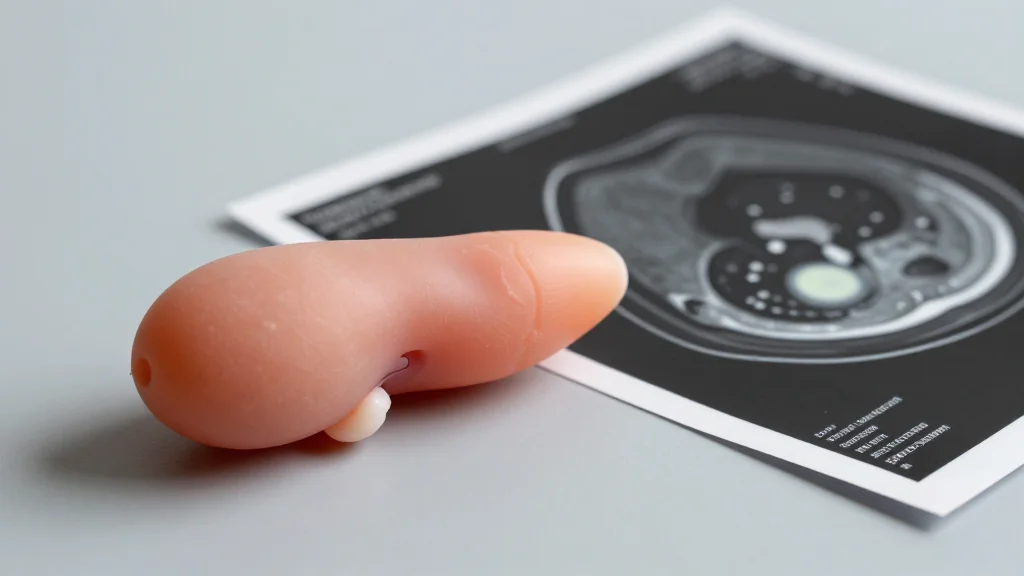
AI Model Detects Normally 'Invisible' Tissue Changes of Pancreatic Cancer at Stage 0
Researchers unveiled REDMOD, an AI radiomics framework that identifies stage 0 pancreatic ductal adenocarcinoma on routine CT scans. In a multi‑institutional study of 219 cancer cases and 1,243 controls, REDMOD flagged disease an average of 475 days before clinical diagnosis, achieving 73%...
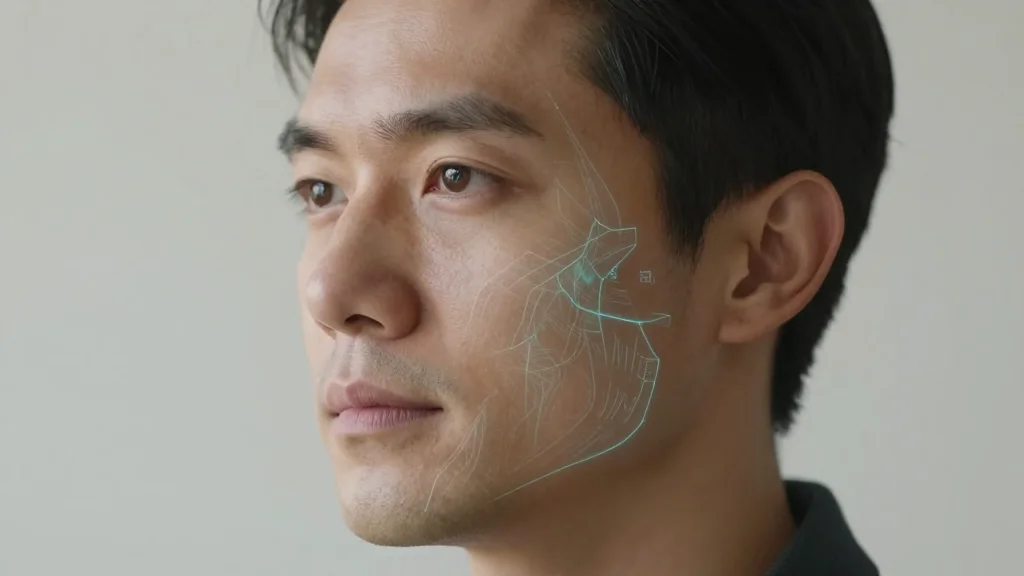
AI, Face Photos May Predict Cancer Survival: Mass General Brigham Study
Mass General Brigham researchers validated FaceAge, an AI tool that estimates biological age from facial photographs, as a survival predictor for cancer patients. The study examined two routine photos per patient for 2,279 individuals, finding that changes in the Face...

Beth Israel Lahey Health Rolls Out AI Scribe Systemwide
Beth Israel Lahey Health, a 14‑hospital system in Massachusetts, has selected Heidi as its systemwide AI scribe vendor. After a six‑month pilot involving 1,000 physicians, the health system began rolling out the technology to all providers. Clinicians reported higher note...

Judy Faulkner: Profitability Is a ‘Side Effect,’ Not the Goal
Epic Systems, led by founder‑CEO Judy Faulkner, continues to prioritize patient‑centric software over profit maximization, even as its revenue climbs to about $6.7 billion in 2025. Faulkner describes profitability as a "side effect" of delivering value, a stance enabled by the...

Wastewater Surveillance Supports COVID-19 Screening in Hospitals
A retrospective study at University Hospital Basel linked SARS‑CoV‑2 concentrations in municipal wastewater to COVID‑19 positivity among asymptomatic patients screened on admission. The analysis of 75,667 PCR tests showed a 1.2% positivity rate, with stronger correlations during periods of high...
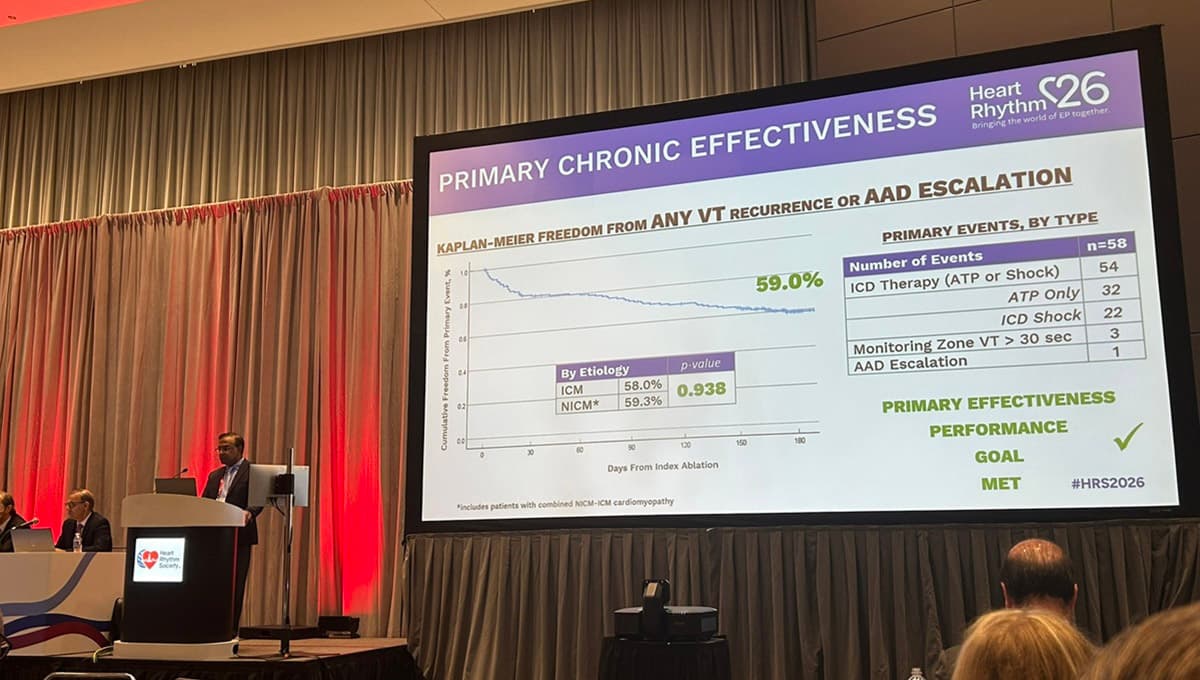
Ultralow-Temperature Cryoablation Shows Promise for VT
The FULCRUM‑VT IDE trial evaluated Adagio Medical’s vCLAS ultralow‑temperature cryoablation system in 209 patients with monomorphic ventricular tachycardia. At six months, 59% of participants remained free of recurrent VT, ICD interventions, and antiarrhythmic escalation, while acute success reached 98% non‑inducibility....

New Blood-Based Method Identifies Testicular Cancer Missed by Standard Tests
Mayo Clinic scientists unveiled a blood‑based assay, GCT‑iSIGN, that detects germ cell tumors with 93% sensitivity and 99% specificity, even when conventional tumor markers are negative. In a cohort of 427 samples, the test caught 23 of 24 cases missed...

Health-E Commerce Partners with Talkspace on Mental Health Counseling Offer
Health-E Commerce announced a partnership with virtual therapy provider Talkspace, allowing consumers to purchase mental‑health counseling through its FSA Store and HSA Store using pretax dollars. First‑time patients who pay with FSA or HSA funds receive a $100 discount on...

Multiple Myeloma Sequencing Evolves With CAR T, MRD Insights: Sylvester Homsy, MD
At an Institute for Value‑Based Medicine event in Charlotte, Sylvester Homsy, MD highlighted how CAR‑T cell therapy and bispecific antibodies are reshaping multiple myeloma treatment sequencing. The emergence of B‑cell maturation antigen‑targeted agents is prompting clinicians to consider these high‑efficacy...

Why Microbot Medical Developed a Fully Disposable Surgical Robot
Microbot Medical received FDA 510(k) clearance in September 2025 for its fully disposable Liberty surgical robot, designed for peripheral endovascular navigation. The single‑use system combines a compact drive unit, remote controller, and mounting arm that can be set up in...

New AI Models Quickly Find Compounds that Target Lyme Bacteria
Tufts University researchers have leveraged AI and machine‑learning to rapidly pinpoint narrow‑spectrum antibiotics that kill the Lyme disease bacterium Borrelia burgdorferi. Screening 60,000 existing compounds yielded several hundred hits, and generative models now explore an estimated 10^60 drug‑like molecules to...
Advanced Gene Editing ‘Promising’ for Sickle Cell Disease
Two recent New England Journal of Medicine studies demonstrate that CRISPR‑Cas12a (reni‑cel) and base‑editing (risto‑cel) autologous stem‑cell therapies can dramatically raise fetal hemoglobin and normalize total hemoglobin in sickle cell patients. The RUBY trial reported a rise from 2.5% to...

Human-Centered Digital Transformation in Specialty Pharmacy
At the AXS26 Summit, AcariaHealth executives outlined a human‑centered digital transformation for specialty pharmacy that streamlines workflows while keeping personal clinician contact. They showcased a secure‑messaging onboarding process that trims a typical 45‑minute intake call to a brief exchange and...
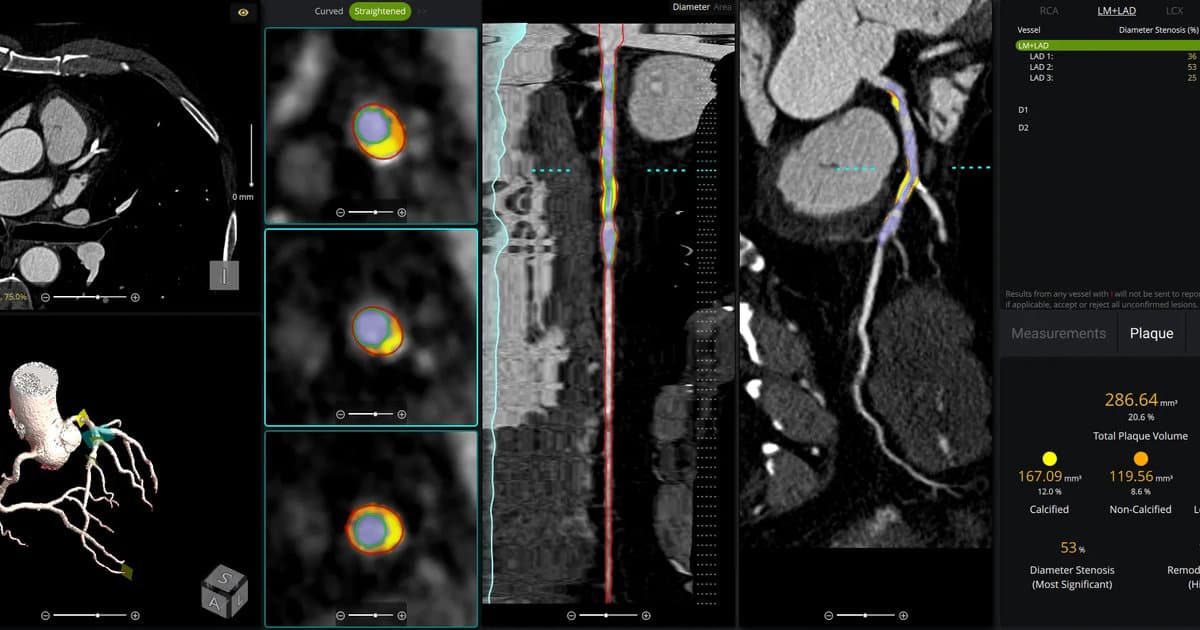
How to Implement AI-Powered Coronary Plaque Analysis Software—And Ensure You Get Paid
Artificial intelligence is now being used to analyze coronary plaque in CT angiography, offering detailed, non‑invasive assessments of coronary artery disease. Medicare expanded coverage and introduced Category 1 CPT codes in 2024, allowing providers to be reimbursed for AI‑driven plaque analysis....

Federated Machine Learning Gives Healthcare Organizations a Competitive AI Advantage
Federated machine learning lets health systems train AI models on‑site, sending only model updates to a central server. This decentralized approach preserves patient privacy while aggregating insights from multiple hospitals, such as Mayo Clinic and Vanderbilt University, using NVIDIA‑powered platforms....
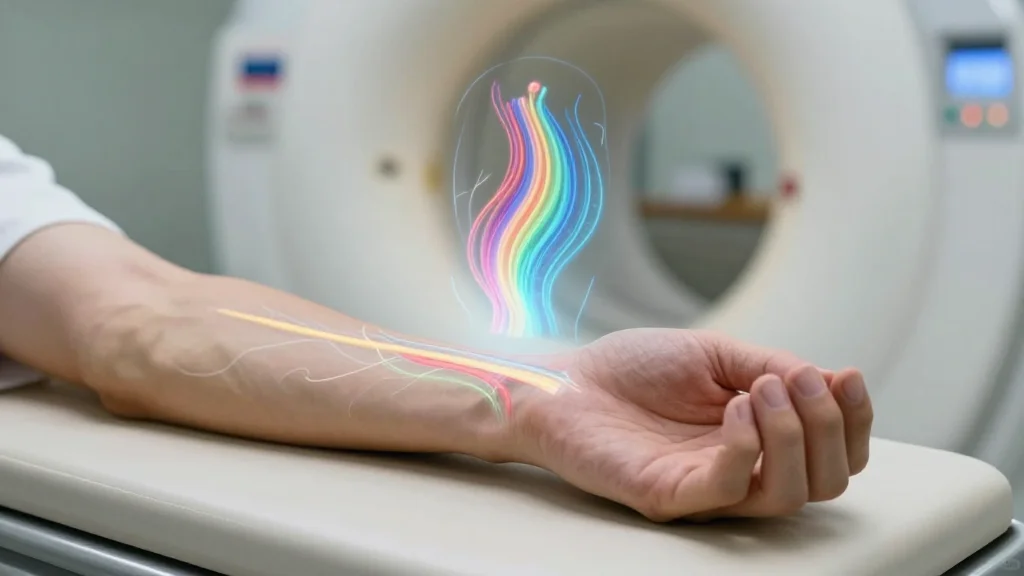
Diffusion MRI as A Biomarker for Monitoring Recovery After Surgical Repair of Traumatic Peripheral Nerve Injuries: A Longitudinal Case Series
A longitudinal case series evaluated diffusion tensor imaging (DTI) as a biomarker for monitoring recovery after surgical repair of severe ulnar and median nerve transections. Researchers tracked fractional anisotropy (FA) values alongside Medical Research Council sensory and motor grades for...
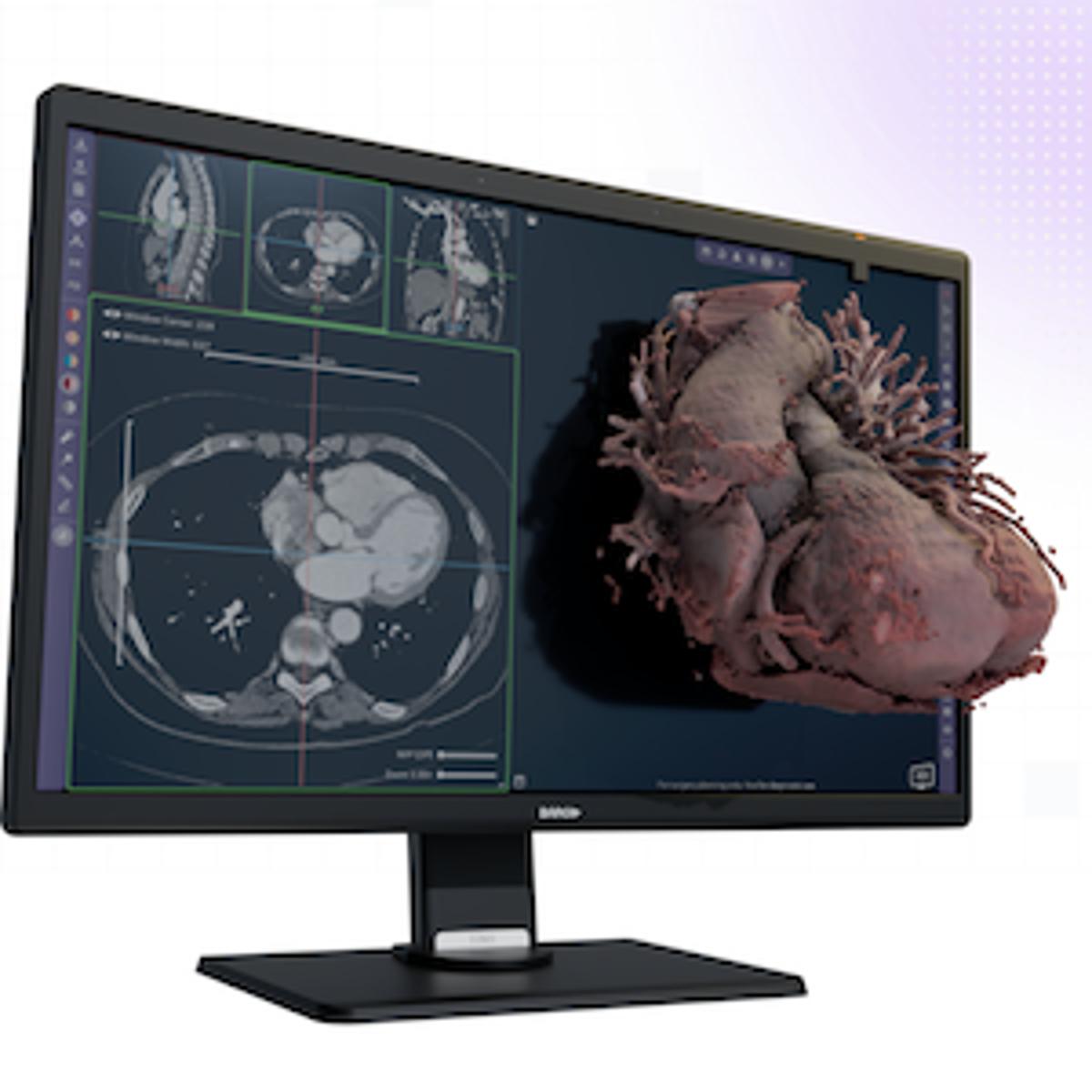
FDA Grants Clearance for Avatar Medical Vision
Avatar Medical has received FDA 510(k) clearance for its Avatar Medical Vision platform, enabling instant 3D processing of CT and MR images for surgical planning. The software supports glasses‑free 3D displays, virtual reality and integrates with Barco’s Eonis monitor, allowing...

Iowa FD's Whole Blood Pilot Program Proves Worth with Stabbing Victim
The Des Moines Fire Department launched a pilot that equips ambulances with whole‑blood units and transfusion kits, allowing paramedics to start life‑saving transfusions before hospital arrival. In February, a paramedic used the system on a stabbing victim, delivering blood on...

Mental Health Chatbots Raise Serious Ethical Concerns, Review Warns
A new peer‑reviewed study in Digital Health warns that mental‑health chatbots are outpacing ethical oversight. The authors identify four major risks: limited human involvement, a weak evidence base, extensive data‑privacy concerns, and the potential for undisclosed criminal activity. They argue...

Abbott Gains FDA Clearance, CE Mark Approval for AI-Powered Imaging Platform
Abbott announced that its next‑generation coronary imaging platform, Ultreon 3.0, has received both FDA clearance and CE mark approval. The AI‑enhanced system captures optical coherence tomography (OCT) images and delivers real‑time guidance for percutaneous coronary interventions (PCI). By integrating advanced algorithms,...

Integrating a Waste Walk Into Technology Adoption: A Primer
Medical imaging leaders often adopt new scanners, AI tools or PACS without fully understanding the underlying workflow problems, leading to under‑utilization and missed KPI targets. A waste walk—rooted in Lean methodology—offers a low‑cost, observational approach that maps the entire value...

Clinical Utility of the AITIS Model for Test-Free Identification of Sarcopenia in Patients with Stage IV–V Non-Dialysis-Dependent Chronic Kidney Disease
The study validates the Artificial Intelligence to Identify Sarcopenia (AITIS) model as a test‑free screening tool for sarcopenia in 236 patients with stage IV–V non‑dialysis chronic kidney disease. Using only age, sex, height, weight and 20 self‑reported functional items, AITIS achieved...
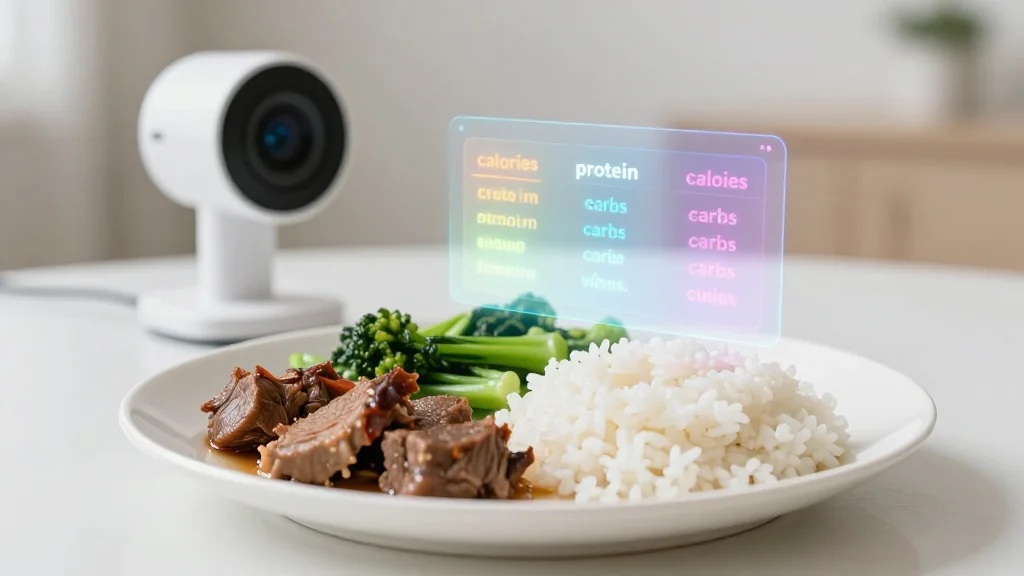
Development of an Intelligent Food Nutrition Recognition and Nutrient Intake Assessment System in Hospital Settings
Researchers at Peking University People's Hospital created an AI‑driven food nutrition recognition system for therapeutic hospital meals. The platform combines RGB‑D imaging, the Segment Anything Model for segmentation, and a SE_ResNet50_vd classifier, achieving 99.2% accuracy in food type identification. Volume...

KLAS Finds Provider-Payer Collaborations Focused on Value-Based Care Workflows
KLAS’s 2026 Points of Light report shows that nearly 80% of award‑winning provider‑payer collaborations now target value‑based care workflows, up from 48% in 2025. The shift signals that basic interoperability has become a baseline, with success measured by financial and...

AI Builders Summit: Healthcare Boston 2026
The AI Builders Summit – Healthcare edition will convene in Boston in 2026, gathering AI startups, established tech giants, investors, and healthcare providers. Organized by a coalition focused on edge‑AI, the event aims to accelerate machine‑intelligence solutions that process clinical...

UnitedHealth’s Next Big Business Line? It Could Be AI Tools and Services
UnitedHealth Group is pouring roughly $1.5 billion into artificial‑intelligence initiatives this year, with a third earmarked for commercial software and services. Its Optum Insight unit already offers products such as Optum Real, which handles half‑billion transactions and aims for 2.5 billion by...

Digitizing Medical Policy Alone Will Not Automate Prior Authorization at Scale
The CMS Interoperability & Prior Authorization rule now obliges health plans to digitize medical policies and expose them via FHIR APIs, but merely putting policies online hasn’t accelerated prior‑authorization turnaround. Availity’s EVP Matt Cunningham argues that true automation requires translating...

LightForce Orthodontics Launches 3D Printed Metal Bracket
LightForce Orthodontics has launched LightBracket Metal, the first 3D‑printed metal bracket designed for individualized orthodontic care. The generative‑braces approach creates each appliance from a patient’s digital treatment plan, customizing six dimensions of the bracket. LightForce claims the system can cut...

Interoperability Was Never the Finish Line in Healthcare
Mika Newton highlights that while CMS’s Kill the Clipboard initiative is reducing manual data entry, true progress in healthcare requires moving beyond simple data access. Interoperability has succeeded in pulling records from silos, but clinicians still face unstructured, overwhelming information....

Precision Radiation Therapy Could Offer New Hope For Hard-To-Treat Cancers
Radionuclide therapy, a precision cancer treatment delivering radioactive atoms directly to tumors, is gaining regulatory approvals and market traction. The class, anchored by early successes like Xofigo and the FDA‑approved Pluvicto, is projected to reach a $10.7 billion market by 2030....
MITRE Warns Cloud-Based Medical Devices Face Cascading Ransomware Risk Across Health Systems
MITRE’s April 2026 white papers warn that cloud‑native medical devices create a cascade effect for ransomware, as a single cloud outage can disrupt dozens of hospitals. The reports highlight shared‑responsibility gaps among device makers, health systems, and cloud providers, and call...
Digital Inclusion Delivery Framework for Nottingham and Nottinghamshire ICB Outlines Priority Themes and Roadmap to 2030
The Nottingham and Nottinghamshire Integrated Care Board released a Digital Inclusion Delivery Framework that sets out a unified vision to close digital gaps by 2030. It focuses on five priority themes—connectivity, accessibility, workforce skills, partnerships, and expertise—and mandates digital inclusion...

How Data-Literate Nurse Practitioners Are Becoming MedTech’s New Analysts
Nurse practitioners are evolving from bedside clinicians to data analysts, using electronic health records and remote monitoring to spot subtle health trends. Targeted post‑master’s programs are equipping NPs with the statistical and interpretive skills needed to validate and contextualize predictive...
Editor's Reply to Mordaunt Re Palantir, Ethics, and Effectiveness
In an editor’s reply, Kamran Abbasi challenges Mordaunt’s defense of the BMJ‑published study on Palantir’s Foundry for Data Platform (FDP). Abbasi argues the single‑trust, uncontrolled design cannot prove the platform improves operating‑theatre bookings or justify a national NHS rollout. He highlights methodological flaws,...

Digital Learning Platforms and the Future of Interdisciplinary SLP Collaboration
Digital platforms are breaking down traditional silos among speech-language pathologists, occupational therapists, and physical therapists, creating unified workflows that treat patient care as a continuous journey. Real‑time data sharing lets clinicians see how motor or cognitive interventions influence speech outcomes,...

The Engagement Problem Digital Health Platforms Can’t Solve
Digital health apps launch with strong onboarding and high early usage, yet engagement wanes as users revert to old habits. The article argues that data and personalization alone cannot sustain behavior change; social connection is the missing catalyst. dacadoo’s platform...

How Wireless Tags Can Help Monitor Your Breathing
Researchers from Chalmers University of Technology, Sahlgrenska University Hospital and the University of Gothenburg have demonstrated a contactless method for monitoring breathing using plaster‑like RFID tags. In a proof‑of‑concept test on a mannequin, the tags captured subtle chest‑wall movements and...

Your Doctor’s Notes Might Be Written by an A.I. Algorithm. Here’s What to Know.
Artificial intelligence scribes are rapidly entering U.S. clinics, with roughly 30% of physicians now using them to transcribe patient visits into draft notes. Doctors spend about 2.3 hours on paperwork for every eight hours of care, and early trials suggest...

Big Companies Position Themselves for Payday From $50B Federal Rural Health Fund
Congress earmarked a $50 billion Rural Health Transformation Program to modernize technology in America’s underserved areas, even as the One Big Beautiful Bill Act slashed Medicaid funding by nearly $1 trillion over ten years. Large coalitions led by firms such as SAIC...

Nervonik Closes $52.5m Series B Funding to Advance PNS System
U.S. medical‑device startup Nervonik announced a $52.5 million Series B round led by Amzak Health, with participation from Elevage Medical Technologies, USVP, Lumira Ventures, Foothill Ventures and Shangbay Capital. The capital will accelerate development of its peripheral nerve stimulation (PNS) platform that...
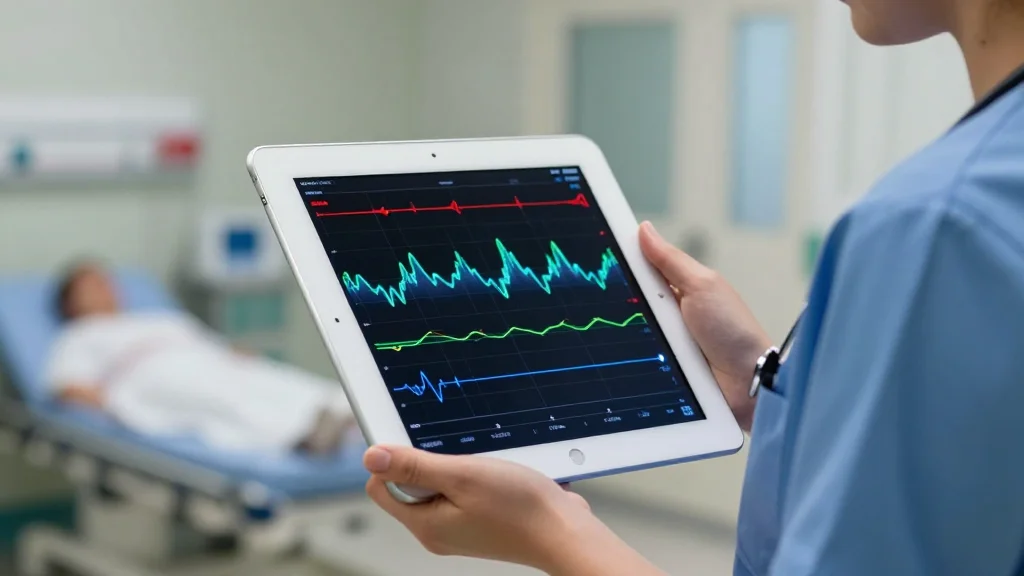
Blackpool Teaching Hospitals Goes Live with eObservations and Bleep System Replacement
Blackpool Teaching Hospitals NHS Foundation Trust has gone live with eObservations in its emergency department, enabling clinicians to capture vital signs on iPads and view results instantly. At the same time, the trust replaced its ageing bleep system with Alertive,...
University Hospitals Plymouth to Hold 90-Day Go-Live Event Ahead of Epic Launch
University Hospitals Plymouth (UHP) NHS Trust will run a 90‑day go‑live rehearsal beginning 28 April 2026, ahead of its full Epic electronic patient record launch on 23 July 2026. The trust is rolling out mandatory digital‑literacy training and early super‑user programs, borrowing...

Dehaze Raises €3.2M for AI Chronic Disease Detection
Munich‑based healthtech startup dehaze announced a €3.2 million (≈$3.5 million) seed round. The round was led by YZR Capital and DN Capital with participation from Angel Invest, Zoho and Better Ventures. dehaze will use the capital to build a foundational causal AI...

An Octopus Probe for High-Performance >1,300 Nm NIR-II Fluorescence Molecular Imaging of Cancer
Researchers at Stanford introduced the Octopus (OCTP) probe, a modular NIR‑II fluorescence agent that emits beyond 1,300 nm and targets the folate receptor. In pre‑clinical mouse studies, OCTP delivered markedly higher tumor‑to‑background ratios and brighter tumor signals than the FDA‑approved Cytalux...
NHS England Invests £100 Million in Digital Services Contracts
NHS England announced a £100 million (≈$125 million) investment in three digital services contracts to modernize its technology platform. The largest contract, up to £44.4 million (≈$55 million), will improve urgent and emergency care digital tools such as NHS Pathways and 111 online. A second...

Why Healthcare AI Still Can’t Scale — and How Nvidia & Hoppr Are Trying to Fix It
Healthcare AI adoption is hampered by deployment and scaling challenges, prompting Nvidia and Hoppr to pivot from building standalone models to creating an AI foundry infrastructure. The foundry leverages Nvidia’s computing power and pre‑trained foundation models, allowing hospitals and radiology...