
Closing Safety Gaps In Hospital Lobbies
Hospitals are turning to cloud‑based visitor‑management systems that integrate directly with electronic health records (EHR) to streamline check‑in, improve security, and reduce lobby bottlenecks. Real‑time ID scanning and patient lookup cut visitor wait times while providing instant visibility for security staff. The technology helps meet escalating OSHA and CMS workplace‑violence mandates, which cost the industry $18.27 billion in 2023. By preventing incidents, hospitals can lower RN turnover expenses—up to $300,000 per percentage point—and achieve a strong return on investment relative to a single bed’s operating cost.
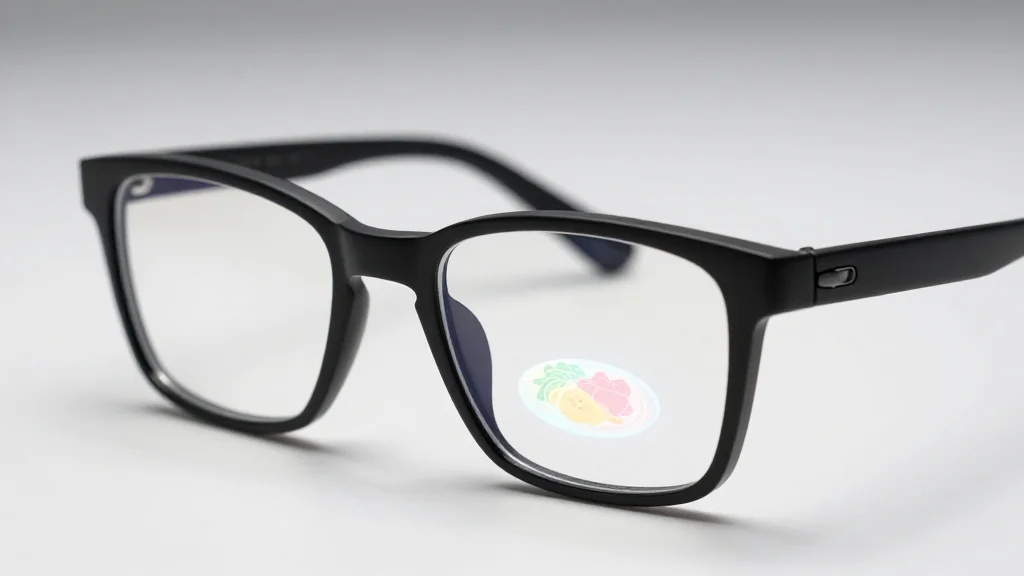
Meta Gets Into Health Wearables with AI Glasses
Meta announced AI-powered smart glasses that now support prescription lenses and include a hands‑free food‑tracking feature. Users can log meals by speaking a command or snapping a photo, with the device extracting nutritional information and syncing it to the Meta...

Could North Texas Become a Healthcare Innovation Hub Like Nashville?
North Texas is being positioned as the next healthcare‑innovation hub, drawing lessons from Nashville’s success. Nashville’s HCA family tree, Vanderbilt’s data assets, and venture firms like Frist Cressey have created a collaborative ecosystem that accelerates value‑based‑care startups. In Dallas, the...

Fitbit Expands Personal AI Health Coach Features for Free Subscribers
Fitbit announced that its Gemini‑powered AI health coach, Coach, is expanding to free users through a Public Preview. The update adds cycle health tracking, mental‑wellbeing scoring, and nutrition and water logging for all subscribers. Premium members retain advanced features like...

Digital Heart Twins Can Guide a Lifesaving Procedure
Researchers at Johns Hopkins created patient‑specific digital heart twins that simulate electrical activity to plan ventricular tachycardia ablations. By converting high‑resolution MRI scans into 3‑D models, physicians could test virtual ablations and identify optimal targets before entering the operating room....
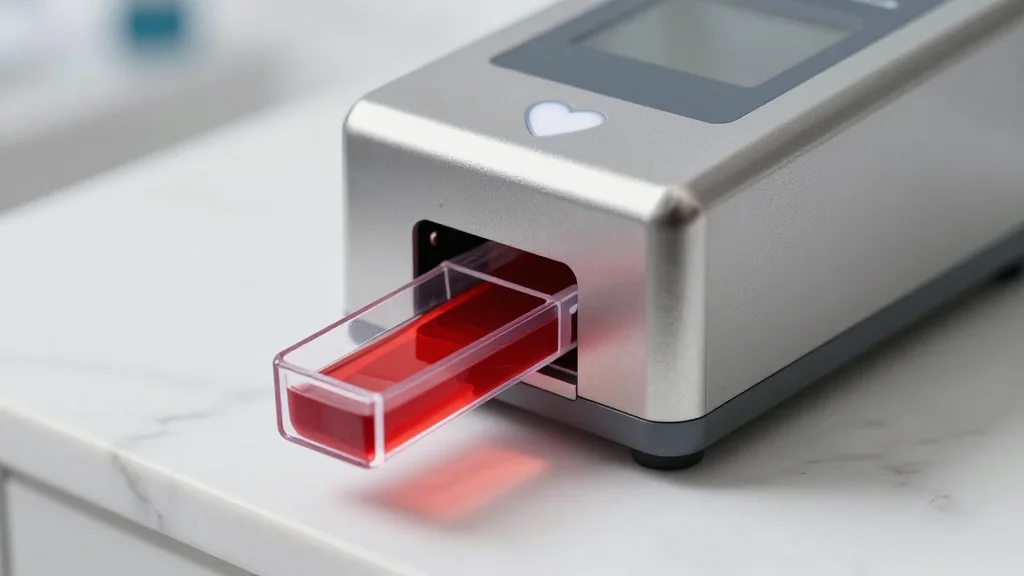
Private Equity-Backed Cardiology Practice Adding New In-House Smart Lab Powered by AI
MyCardiologist, a private‑equity‑backed cardiology network in South Florida, has engaged Clinlab.AI to design and operate its first AI‑powered Smart Laboratory. The in‑house lab will be embedded within the practice’s nine locations, allowing real‑time, AI‑enhanced analysis of cardiac biomarkers and other tests....

ML4H: Advancing From Medical Imaging to Digital Twins
The Broad Institute’s Machine Learning for Health (ML4H) program launched a new Clinical AI Seminar Series featuring leaders such as NVIDIA’s Stephen Aylward. The series explores generative and foundation models, ethical AI, self‑supervised learning, and real‑world clinical uses. ML4H unites...

Remote Therapeutic Monitoring After TKA Was Safe, Cost Effective
A study presented at the American Academy of Orthopaedic Surgeons meeting evaluated remote therapeutic monitoring (RTM) for 1,699 total knee arthroplasty (TKA) patients. The analysis compared four cohorts—physical therapy only, RTM only, a hybrid of both, and a historical control—and...

The Natural Cycles Fertility App Can Now Access Temperature Data From Your Garmin Watch
Garmin has announced a partnership with the fertility‑tracking app Natural Cycles, enabling temperature data from compatible Garmin wearables to flow directly into the app. The integration currently supports models such as the Venu 4, Venu 3/3S, Venu X1, Fenix 8, and Forerunner 570/970. Natural Cycles...

The Connected Care Continuum: Enhancing Patient Care Across Settings
Healthcare providers are accelerating the shift toward a connected care continuum that spans hospitals, ambulatory clinics, post‑acute facilities and the home. Leaders at NewYork‑Presbyterian and PointClickCare stress that seamless, standardized data—delivered through integrated EHRs and modern APIs—must be actionable across...
Data Security in Digital Health: Protecting Patient Privacy in Recovery Programs
A panel of five digital‑health experts outlines how recovery programs can harden patient‑data protection. They stress mandatory encryption, role‑based least‑privilege access, continuous audit logging, and a shift toward zero‑trust architectures. Limiting data collection, enforcing vendor accountability, and embedding privacy‑by‑design are...
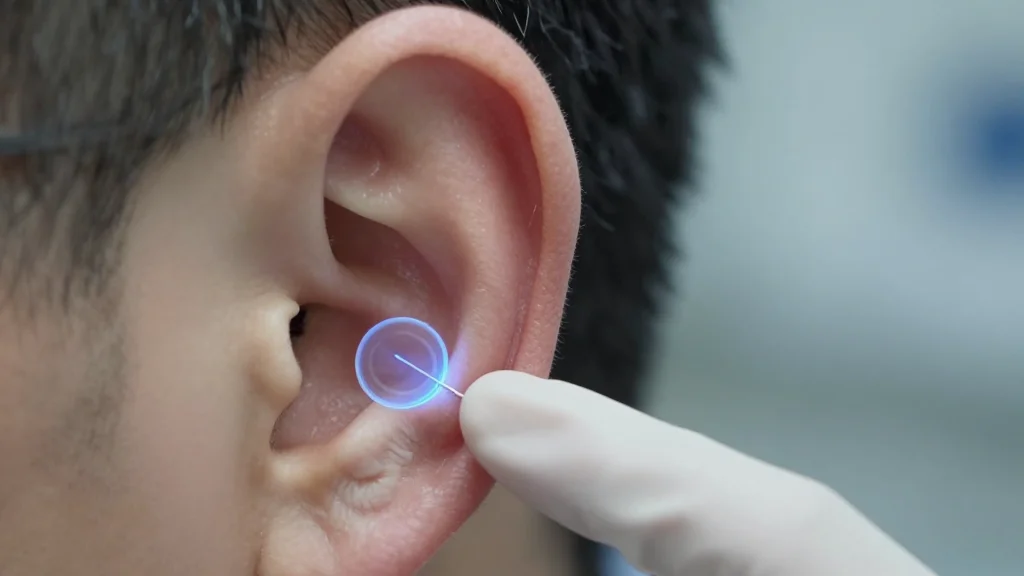
They Thought Their Hearing Was Gone Forever—Until Doctors Tried Something Radical
A 2025 Nature Medicine study showed that delivering a functional OTOF gene via an adeno‑associated virus dramatically improves hearing in patients with genetic deafness. Ten participants aged 1 to 24 across five Chinese hospitals experienced a reduction in hearing threshold...
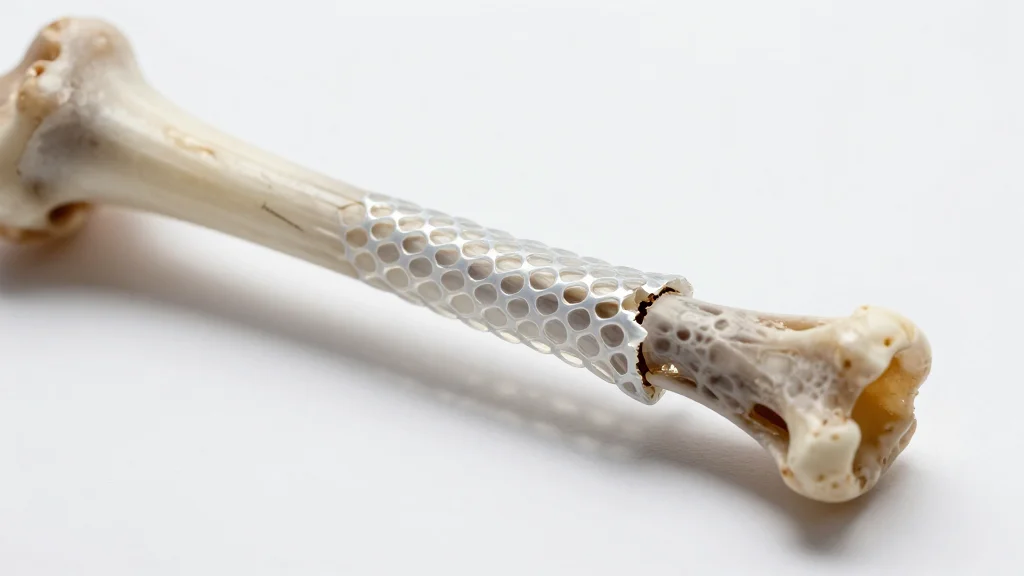
Graphene 'Scaffold' Recruits Bone Cells and Helps the Body Regenerate Fractures
Researchers in Brazil have created a graphene‑based scaffold that repaired nearly 90% of bone fractures in rats within a month, outperforming existing biomaterials. The scaffold combines graphene with chitosan‑xanthan polymers derived from waste black liquor, a pulp‑and‑paper by‑product. Acting as...

Phage Sequencing Uncovers Germ Cell Tumor Signature
Researchers used high‑throughput phage display sequencing to map the protein landscape of germ cell tumors, uncovering a distinct molecular signature that differentiates malignant from benign testicular tissue. The study, led by a collaborative team from NYU Abu Dhabi and the...

20/20 BioLabs Expands Longevity Test with Kidney Risk Tech
20/20 BioLabs announced an exclusive U.S. license with South Korea’s ROKIT Healthcare to embed its chronic kidney disease (CKD) prediction algorithm into the company’s OneTest for Longevity platform. The addition expands the test beyond inflammation biomarkers to provide early kidney...

Test Maps Circadian Rhythm Via Hair Sample
Researchers at Charité have created a hair‑based diagnostic that reads the activity of 17 clock‑related genes to pinpoint an individual’s chronotype. In a study of over 4,000 volunteers, the test showed that lifestyle factors—especially employment—shift internal clocks more than genetics...

Unregulated Chatbots Are Putting Lives at Risk | Letters
A recent letter warns that unregulated conversational AI lacks pre‑use mental‑health screening, exposing vulnerable users to heightened risk. It cites a Lancet Psychiatry review documenting over 20 cases where chatbots amplified delusions, and an Aarhus study of 54,000 psychiatric records...

JAMA Study: AI Scribes Deliver Modest EHR Time Savings Across 5 Major Health Systems
Researchers published a JAMA study analyzing 8,581 ambulatory clinicians across five academic health systems, including 1,809 AI‑scribe adopters. AI scribes reduced total EHR time by 13.4 minutes and documentation time by 16 minutes per eight‑hour shift, yielding a modest 0.49‑visit...

From Transparency to Action: Turning Price Data Into Lower Costs
The article argues that emerging price‑transparency data can dramatically lower U.S. health‑care costs if stakeholders use it to choose high‑value providers. It highlights stark price gaps—an MRI ranging from $125 to $2,565 and joint‑replacement fees varying 2.5‑fold across insurers. The...

Fitbit Might Be Making a Whoop-Like Smart Band
Google has quietly teased a new Fitbit‑branded smart band in a March 31 Instagram video featuring Steph Curry, suggesting a screenless, Whoop‑style wearable. While the company has not confirmed details, Bloomberg reports insiders say the device will be Fitbit‑branded and...

DNA Testing Can Help Right Racial Imbalance in Breast Cancer
Routine genomic testing with Agendia’s MammaPrint and BluePrint can narrow the long‑standing survival gap between Black and white women with early‑stage, hormone‑receptor‑positive breast cancer. In a study of more than 1,000 matched patients, Black women were twice as likely to...

Ambience Healthcare Launches Chart Chat for Nursing with Cleveland Clinic Pilot
Ambience Healthcare has introduced Chart Chat for Nursing, an EHR‑integrated conversational AI that lets inpatient nurses retrieve patient information with plain‑language queries. The tool debuted in a pilot with Cleveland Clinic, the first health system to test the technology after a...
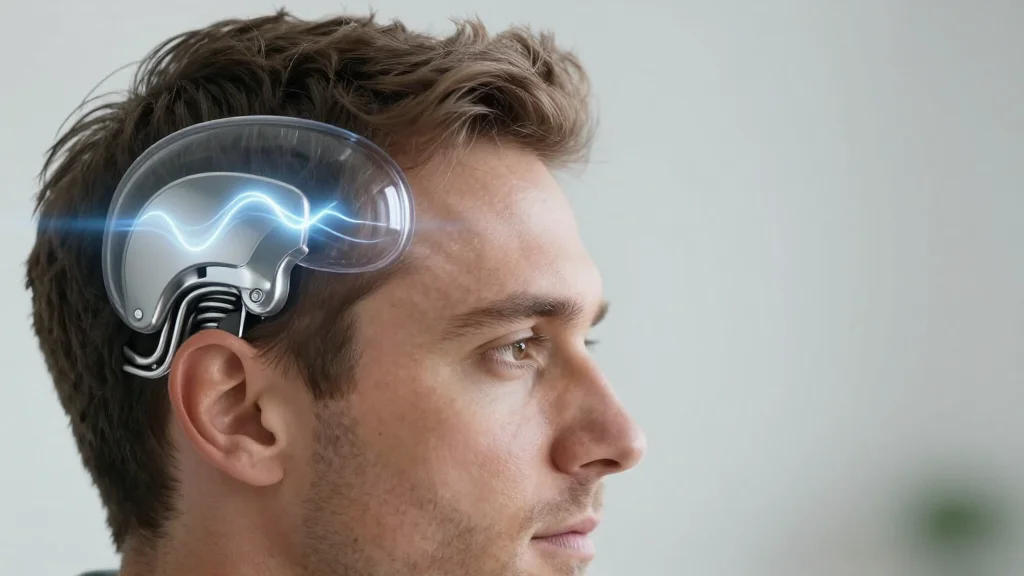
A Paralyzed Musician Is Using a Brain Implant to Create Music
Research psychologist Galen Buckwalter, paralyzed since age 16, has six brain implants that translate his motor‑cortex activity into musical tones. The implants, each with 64 channels, provide 384 data streams that are decoded into pitch, allowing him to play a...
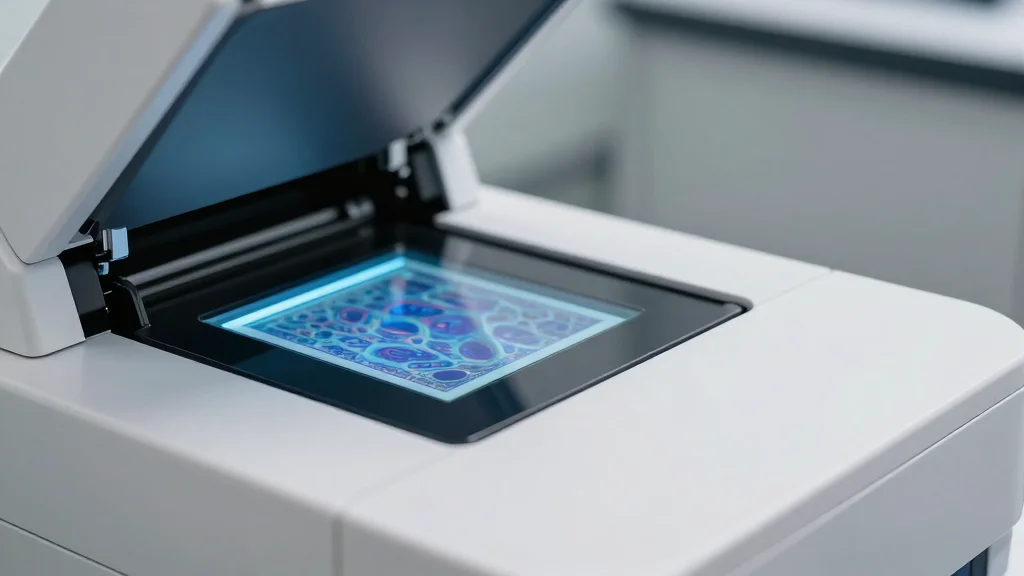
HNL Lab's Digital Pathology Platform Enables Faster Results and More
HNL Lab Medicine, part of Jefferson Health, digitized its anatomic pathology practice using six Leica GT450 scanners and Proscia’s Concentriq platform. The transition eliminated manual slide transport across a 14‑hospital network, enabling instant case sharing and remote work for pathologists....

Rapid Response: How Boston Children’s Hospital Overcame the Stryker Cyberattack
Boston Children’s Hospital faced a massive wiper cyberattack that crippled Stryker’s Vocera communication platform, prompting an immediate, coordinated response. Within 30 minutes the hospital isolated the vendor network and began dismantling the compromised system. By evening, Epic Secure Chat was...

Johns Hopkins Medicine and ATA Launch Interstate Telehealth Initiative
Johns Hopkins Medicine and the American Telemedicine Association have launched the LIFTT Initiative, a three‑year effort to push federal legislation that eases state licensure barriers for telehealth. The program seeks tailored federal pathways that complement, not replace, state oversight, aiming...

Partners Seek to Integrate Dental Care Into Nationwide HIE Infrastructure
CareQuest Innovation Partners and federally designated QHIN Kno2 have announced a partnership to embed dental data into the nation’s health‑information‑exchange (HIE) infrastructure. The collaboration targets bidirectional data flow between dental and medical providers, aiming for a production go‑live within six...

Penguin Ai Launches Gwen, a Build-Your-Own AI Platform for Healthcare Operations
Penguin Ai unveiled Gwen, a build‑your‑own AI platform that lets healthcare teams design, deploy, and scale digital workers for administrative tasks in under 25 minutes. The solution ships with a library of more than 100 pre‑built clinical workers covering coding,...

Multiple CGM Sensors May Be Used with Automated Insulin Delivery
The FDA cleared Medtronic’s MiniMed 780G pump to operate with Abbott’s Instinct CGM sensor, expanding sensor options for automated insulin delivery. A real‑world study of 13,967 U.S. users showed time‑in‑range rose modestly from 75.1% with Guardian 4 to 77% with Instinct. Automated...

$235K Grant Boosts Lifesaving Gear for Pa. Ambulance Service
The Pennsylvania Department of Community and Economic Development awarded a $235,000 grant to the McCandless‑Franklin Park Ambulance Authority. The funds will purchase six LUCAS mechanical chest‑compression devices and a LIFEPAK 35 heart monitor‑defibrillator, which costs about $65,000. Each ambulance will receive...
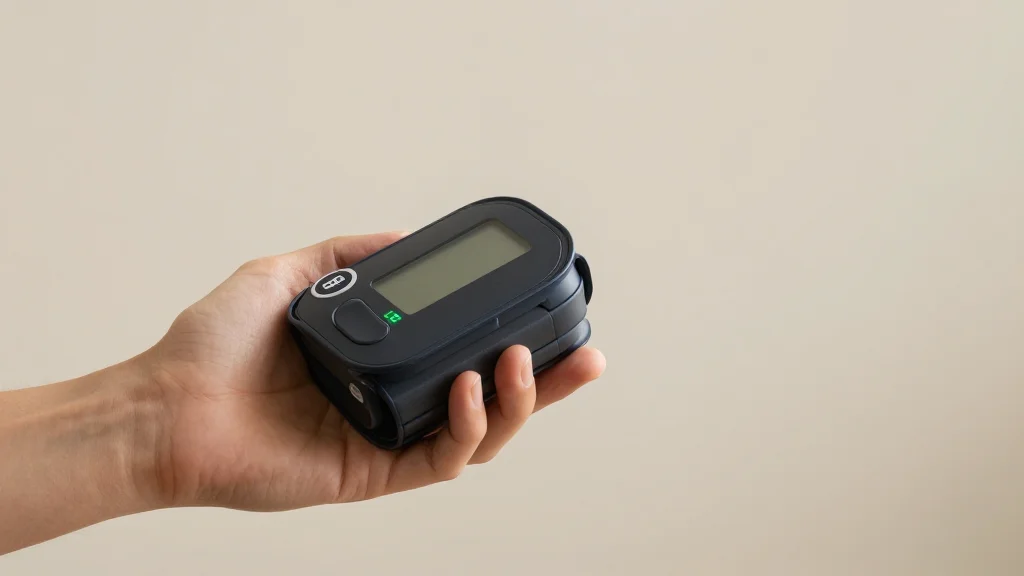
Merging Remote Patient Monitoring (RPM) Into Traditional Care Models
Claiborne Memorial Medical Center in rural Louisiana launched a pilot program that enrolls 22 high‑risk patients in remote patient monitoring (RPM) to supplement its chronic‑care model. By transmitting home‑collected vitals such as blood pressure and glucose readings, clinicians can adjust...

Making Revenue Cycle Work Smarter
Automation, AI, and advanced analytics have moved from optional tools to core components of the healthcare revenue cycle. By targeting repetitive, high‑volume tasks across front‑end eligibility checks, mid‑cycle documentation, and back‑end claims processing, organizations can cut errors, lower denial rates,...

The Digital Imperative: Why the Future of Surgery Will Be Built on Integrated Intelligence, Not More Devices
Surgeons are overwhelmed by isolated devices that generate data without context, creating a hidden cognitive burden in the operating room. The industry is shifting from a hardware‑centric model to integrated platforms that synthesize information in real time, mirroring aviation’s move...

Rhodamine‐Functionalized Nanosensor for Multimodal, Ultrasensitive, and Stable Detection of Toxic Mercury Ions
Researchers have created a self‑assembled amphiphilic dual‑rhodamine B nanoprobe (DR) that forms 248 nm nanospheres for mercury(II) detection. The sensor delivers a rapid 12‑second fluorescence “turn‑on” and visible color change, achieving an ultralow detection limit of 0.19 nM. DR was integrated into...

The Strategic Advantage of Automation in Medical Device Manufacturing
Medical device makers face rising production demands, labor shortages, and tighter regulatory scrutiny, turning automation from a tactical upgrade into a strategic imperative. Integrion Automation argues that automation must be embedded in an integrated operational strategy that delivers repeatable precision,...

Medical Podcasts
Medical Design Briefs released a series of podcasts on April 1 2026 highlighting emerging trends in drug delivery. The episodes cover AI‑driven personalized medicine in oncology, sustainability challenges for insulin pens and other devices, intra‑arterial platforms that target solid tumors, and wearable...
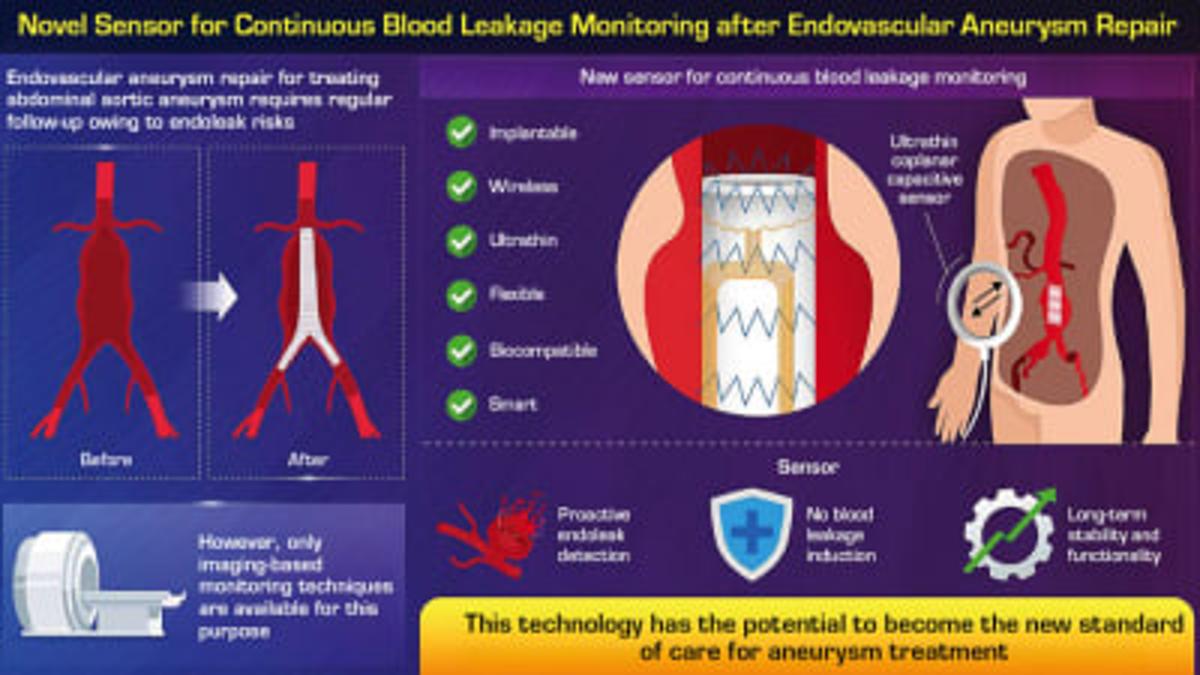
Novel Sensor Offers Continuous Blood Leakage Monitoring
Researchers at Hanyang University have developed an ultrathin, flexible, wireless sensor that can be integrated directly onto endovascular stent grafts to continuously monitor for Type‑I endoleaks after abdominal aortic aneurysm repair. The sensor survives catheter crimping, remains biocompatible, and transmits...

Medical Podcasts
Medical Design Briefs released a series of April 2026 podcasts spotlighting emerging drug‑delivery trends. Episodes feature First Ascent Biomedical’s AI‑driven platform that personalizes oncology therapy, MGS engineers discussing greener insulin‑pen designs, RenovoRx’s intra‑arterial delivery system that targets solid tumors, and...

From the Editor: Industrial Mastery Comes to Additive Manufacturing
The Wohlers Report 2026 declares additive manufacturing has entered an "Era of Industrial Mastery," as hardware sales plateau and firms shift focus to utilization. High‑interest rates are tightening capital discipline, prompting medical device companies to extract more value from existing...

Sweat-Powered Sticker Turns Drinking Cup Into a Health Sensor
UC San Diego engineers have created a battery‑free electronic sticker that attaches to drinking cups and measures a user’s vitamin C levels from fingertip sweat. The biofuel cell harvests sweat‑derived electricity to power a hydrogel‑based sensor, which wirelessly sends results to...

AI-Generated Sensors Open New Paths for Early Cancer Detection
MIT and Microsoft researchers unveiled CleaveNet, an AI system that designs peptide sensors targeting cancer‑linked proteases. The model rapidly generates highly specific sequences, cutting the design time from months to minutes and slashing experimental costs. Coated nanoparticles release cleaved peptides...

Engineers Create Hydrogels to Monitor Activity in the Body
Engineers at Washington University in St. Louis have developed granular bioelectronic hydrogels composed of PEDOT:PSS microparticles that can be injected, 3D‑printed, or spread over tissue. The material behaves like a liquid under force but solidifies into a porous, paste‑like matrix,...

Designing Continuous Glucose Monitors for Safety, Reliability, and Patient Comfort
Continuous glucose monitors (CGMs) have become essential for diabetes care, delivering real‑time glucose data and reducing the need for finger‑stick tests. Engineers face the challenge of creating ultra‑low‑power, miniature devices that remain reliable and safe for 7‑14 days on a...

Sensor Technology Detects Life-Threatening Complications After Intestinal Surgery
Researchers at TU Dresden and Rostock University Hospital have created a fully absorbable, implantable sensor film that can be sewn into intestinal anastomoses during surgery. The device continuously measures tissue impedance and temperature, delivering real‑time alerts when circulatory disorders emerge....
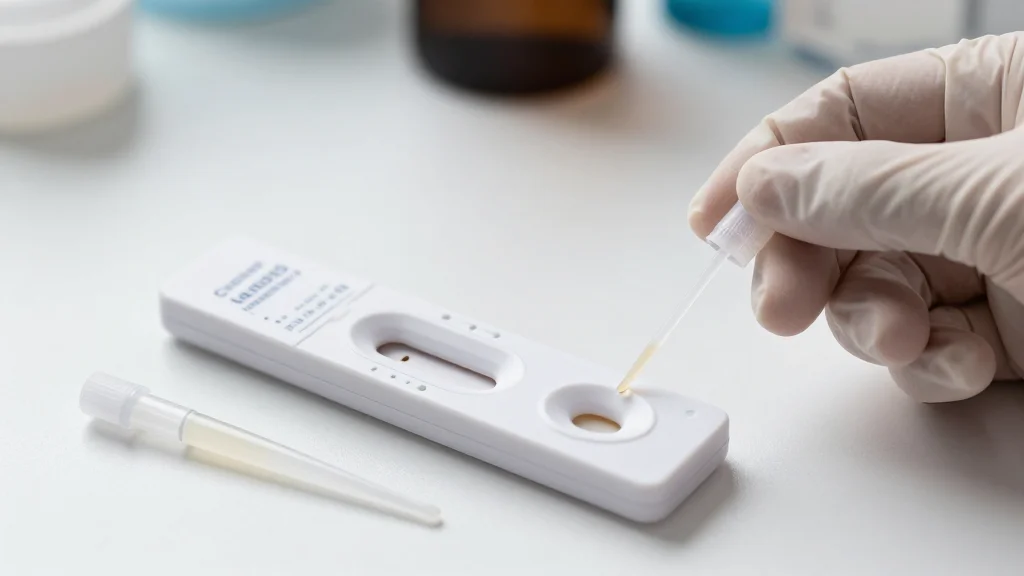
WHO Expands TB Diagnostic Toolkit with Point-of-Care Tests, Tongue Swabs, and Sample Pooling
The World Health Organization released new guidelines that introduce near point‑of‑care nucleic acid amplification tests, tongue‑swab specimens, and sputum pooling to speed and broaden TB diagnosis. These tools aim to shift testing to primary‑care settings, lower costs, and improve throughput...
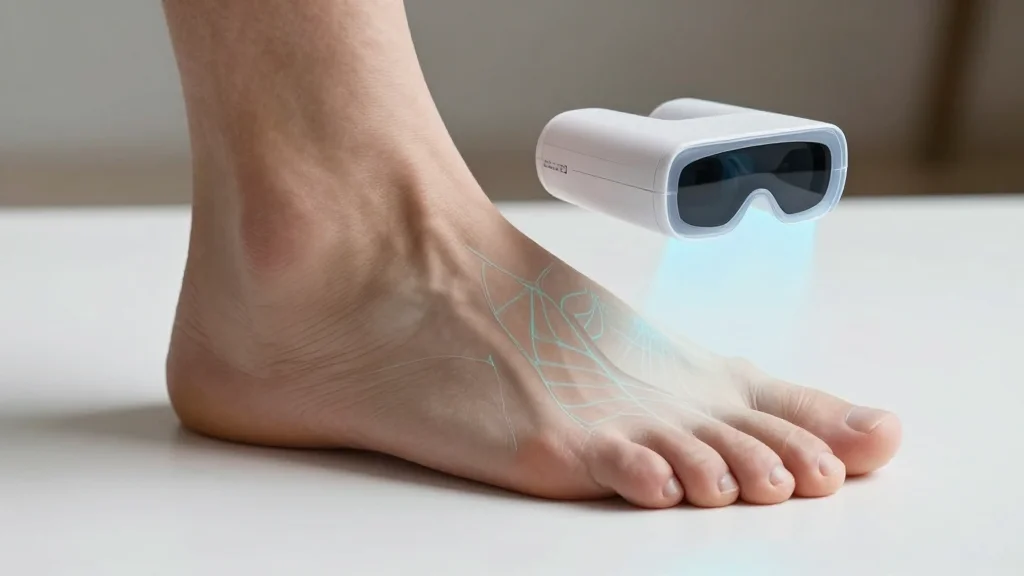
Patients Know Best and Heartfelt Technologies Collaborate to Accelerate Clinical Trial Recruitment
Patients Know Best teamed with Heartfelt Technologies to automate recruitment for the Innovate UK‑funded HF‑TRACK trial, enrolling 16 participants in just four weeks—a 135% increase over the trial’s average rate. The partnership leveraged PKB’s coded health‑record data to display a...

Reimagining High-Acuity Care: The Role of AI in Neurological Patient Pathways
High‑acuity neurological care is grappling with massive data streams and fragmented handoffs, prompting a push for AI‑driven decision support and unified digital pathways. Machine‑learning models now analyze multimodal ICU inputs to flag early deterioration and streamline imaging interpretation. Yet the...
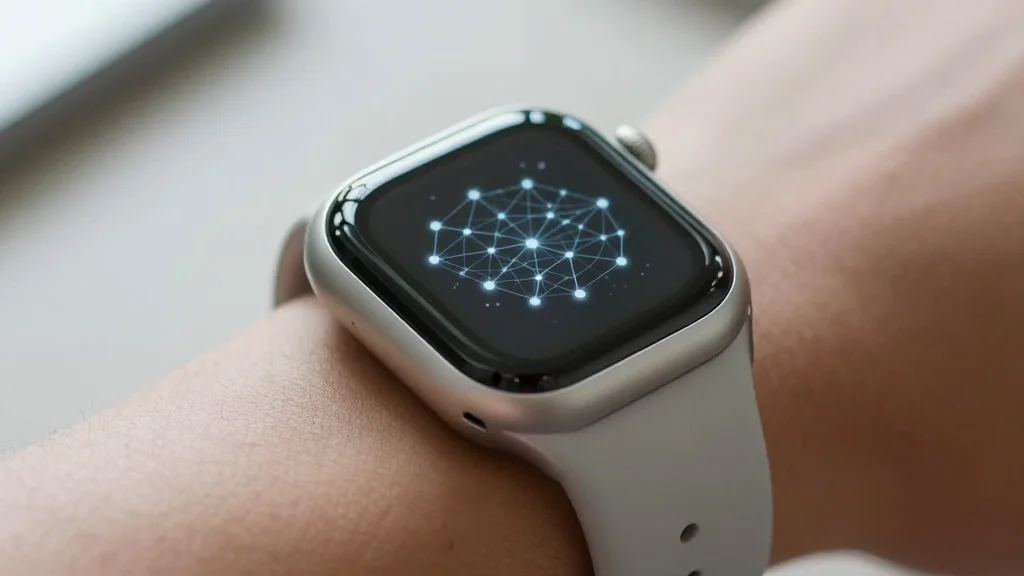
Wearable AI Devices Market Insights Report 2026-2036 Featuring Strategic Analysis of Apple, Samsung Electronics, Google, Huawei Technologies Co., Sony Corp....
The global wearable AI devices market is projected to surge from $69.8 billion in 2026 to about $270.2 billion by 2036, delivering a 14.5% compound annual growth rate. Smartwatches dominate the market today, while eye‑wear is set to post the fastest growth...

Factors Associated with Patient Portal Use in a Nationally Representative Sample
The study surveyed 1,672 U.S. adults to map patient portal usage, finding roughly 75% accessed test results and health records while about 50% used portals for messaging, appointments, or bill payment. Usage was significantly higher among women, non‑Hispanic whites, college‑educated...
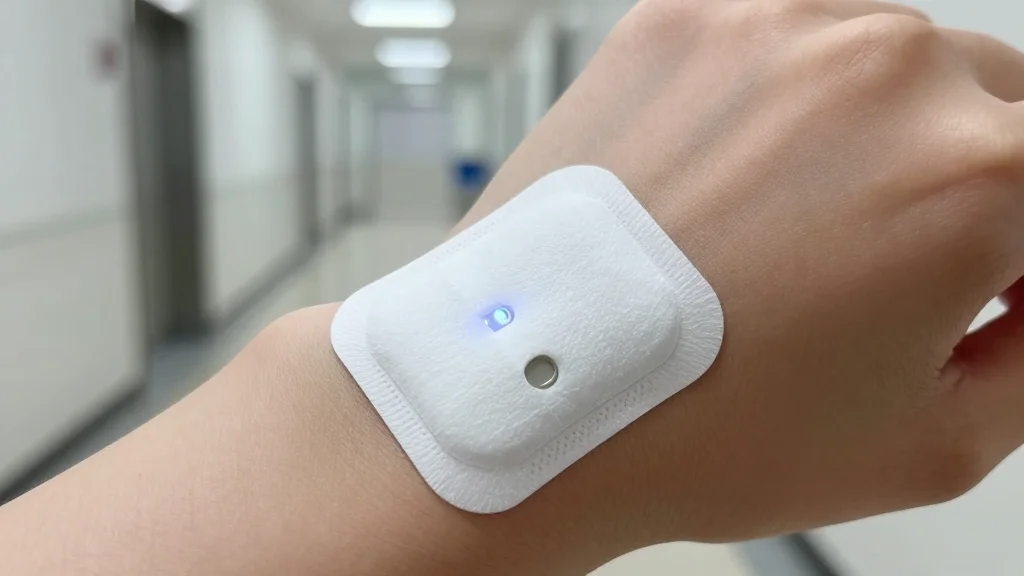
MediBeacon Secures CE Mark Certification for TGFR Monitor and Sensor
MediBeacon announced that its transdermal glomerular filtration rate (TGFR) monitor and reusable sensor have earned CE Mark certification under the EU Medical Device Regulation. The Class IIa devices, part of the broader TGFR system that includes the Lumitrace injection and disposable...